
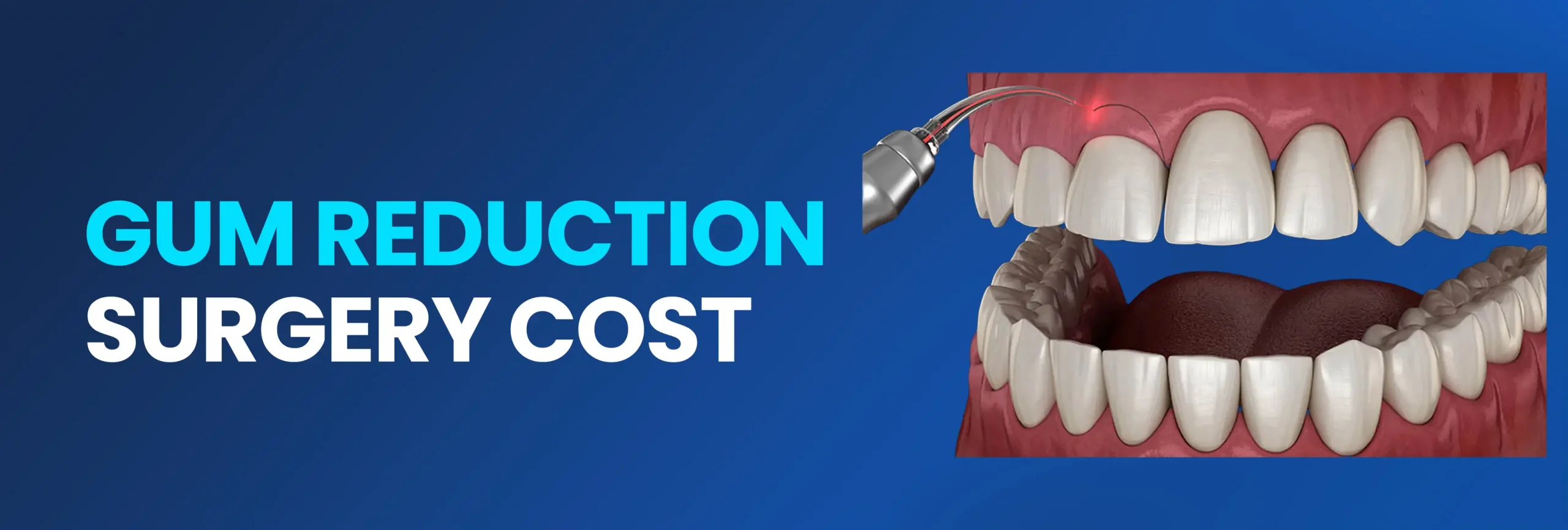
Gum reduction (gum contouring or gingivectomy) is a highly requested cosmetic dental procedure, helping patients achieve a more balanced, symmetrical, and aesthetically pleasing smile by reshaping excess or uneven gum tissue. In 2025, the cost of gum reduction varies widely, ranging from €200 to €1,200 per session, depending on the technique, dentist expertise, and whether additional procedures such as veneers or teeth whitening are included in the treatment plan.
In-office treatments using laser or traditional surgical methods cost between €400 and €1,200 per session, providing precise and long-lasting results, while minor contouring with minimally invasive techniques or combined procedures may range from €200 to €600, offering gradual improvements with shorter recovery times.
Prices differ across countries and clinics due to variations in technology, anesthesia methods, surgical expertise, and local economic factors such as labor costs and currency strength. Considering these factors helps patients make informed decisions, ensuring both high-quality results and long-term aesthetic value when enhancing their smile through gum reduction surgery.
How Much Does Gum Reduction Surgery Cost in 2026?
In 2026, gum reduction surgery costs between €250 and €1,200 per arch in most international markets, depending on the country, clinic technology, and complexity of the case. In the UK and USA, prices typically range from €800 to €2,500, while in Turkey, the average cost ranges between €300 and €900, offering comparable clinical standards at significantly lower overall treatment expenses.
The final cost depends on several factors, including whether the procedure is performed with a traditional scalpel or advanced diode or CO₂ laser technology, the number of teeth involved, and whether the treatment is cosmetic or medically necessary.
How Much Does Gum Reduction Cost Per Tooth or Jaw?
Gum reduction surgery pricing scales with the treatment area. Smaller cosmetic reshaping procedures are charged per tooth, while full-arch or full-smile cases are quoted as complete packages.
| Treatment Scope | Average Price Range (€) | Description |
| Single Tooth / Localised Area | €90 – €370 | Minor gum reshaping or limited gingivectomy on one or two teeth |
| Partial Jaw (3–6 Teeth) | €250 – €820 | Contouring of the visible smile zone or multiple adjacent areas |
| Full Arch (Upper or Lower Jaw) | €740 – €1,380 | Complete gumline recontouring of one jaw for aesthetic balance |
| Full Smile (Both Jaws) | €1,400 – €2,760 | Comprehensive reshaping of upper and lower gums; often includes digital planning and laser precision |
Why Does Gum Surgery Cost Vary?
The cost of gum reduction surgery depends on several clinical and operational factors that directly influence treatment precision, healing time, and overall patient experience.
- Clinic Location, Exchange Rate, and Local Labour Cost: Dental services are priced according to regional economic conditions. Clinics in Western Europe, the UK, or the USA charge higher fees due to elevated labour and facility costs, while countries such as Turkey or India maintain lower prices through favourable exchange rates and integrated dental tourism infrastructure.
- Periodontist vs General Dentist Performing Procedure: Specialist periodontists undergo advanced surgical training in soft-tissue management and microsurgery. Their expertise ensures greater precision, balanced gum symmetry, and predictable healing, which justifies higher procedural fees compared to general dental practitioners.
- Surgical vs Laser Approach: Laser contouring commands a higher price due to the use of diode or CO₂ laser systems that provide cleaner incisions, reduced bleeding, and faster recovery. Scalpel techniques are more affordable but involve longer healing periods and slightly higher postoperative discomfort.
- Degree of Reshaping or Grafting Required: Minor cosmetic contouring around one or two teeth is faster and less costly. Extensive gingival overgrowth removal, tissue grafting, or full-arch recontouring demands more clinical time and consumables, increasing total cost.
- Inclusion of Digital Smile Design, Sedation, and Aftercare: Comprehensive treatment plans that include digital smile simulation, local sedation, or multiple follow-up visits reflect higher service quality and transparency. Clinics providing all postoperative medications, antiseptic rinses, and professional check-ups ensure better healing outcomes and long-term stability, which adds to the overall price but enhances treatment value.
How Does Cost Differ by Type of Gum Procedure?
Gum reduction is a broad category that includes several distinct procedures, each designed for specific clinical or cosmetic goals. Some treatments focus purely on aesthetic gumline correction, while others address medical conditions such as tissue overgrowth or recession. The cost reflects the complexity, surgical method, and the materials involved in each approach.
| Procedure Type | Purpose | Average Cost (€) | Description |
| Laser Gum Contouring | Cosmetic reshaping of visible gumline | €300 – €600 | Uses diode or CO₂ lasers to remove small amounts of excess gum tissue with precision and minimal bleeding. Ideal for correcting “gummy smiles.” |
| Surgical Gingivectomy | Removal of enlarged or diseased gum tissue | €200 – €400 per area | Involves manual excision under local anaesthesia to restore normal gum contours and improve hygiene access. |
| Gingival Grafting / Root Coverage | Correction of gum recession | €400 – €800 per tooth | Transfers healthy tissue from a donor site to cover exposed roots or reinforce thin gums. Recommended for sensitivity or aesthetic improvement. |
| Crown Lengthening | Functional and aesthetic tooth exposure | €500 – €900 per tooth | Combines bone and gum tissue reduction to expose more tooth structure, often required before restorations or veneers. |
| Full-Arch Reshaping | Complete recontouring of one jaw | €1,000 – €1,500 | Harmonises gumline symmetry across multiple teeth for balanced smile proportions. |
Laser and microsurgical procedures sit at the higher end of the cost spectrum due to the precision tools, sterile setup, and specialist training they require. When performed by an experienced periodontist, these methods deliver faster recovery and superior aesthetic results, making them a long-term value investment for patients seeking refined smile design.
Are Laser Gum Procedures Worth the Higher Cost?
Laser gum contouring typically costs more than traditional scalpel techniques because it relies on advanced diode or CO₂ laser systems and specialist training. Despite the higher fee, the advantages of laser treatment make it a preferred option for many aesthetic and periodontal cases.
Laser energy vaporizes soft tissue with remarkable accuracy, producing smooth margins and immediate coagulation. This precision minimizes bleeding, reduces postoperative swelling, and shortens healing time. Patients return to normal eating and oral hygiene routines faster, and the risk of infection or tissue trauma remains significantly lower.
For cosmetic procedures such as gummy-smile correction or minor contouring around veneers, laser gum reshaping provides cleaner, more symmetrical results without the need for sutures. Clinics that invest in certified laser technology and magnification systems achieve higher patient comfort and predictable outcomes, making the premium price justified for those prioritizing both aesthetics and recovery efficiency.
What Is the Cost of a Full Smile Gum Reshaping?
A complete smile gum reshaping, covering both upper and lower arches, costs between €750 and €1,400 in 2025. The procedure involves detailed contouring across the entire visible gumline to establish uniform symmetry, natural tooth proportions, and a balanced smile frame.
Why Does Full-Arch Pricing Vary?
Full-arch pricing varies according to several clinical and design factors:
- Gum Thickness and Tissue Volume: Denser or fibrotic gums require longer surgical time and multiple passes with a scalpel or laser.
- Symmetry and Smile Design Complexity: Digital mock-ups, photographic smile planning, and proportional alignment across both jaws increase planning and operating time.
- Type of Anaesthesia Used: Local anaesthesia is standard; however, clinics offering IV sedation or relaxation dentistry apply an additional cost.
- Combination Treatments: When gum reshaping is integrated with veneers, crowns, or implant placement, pricing reflects additional preparation and coordination between the surgical and prosthetic phases.
Clinics perform full-smile contouring using CAD/CAM-based digital design and magnified micro-surgery to achieve predictable proportions between gums and teeth. This level of precision, combined with experienced periodontists and accredited technology, ensures that the investment delivers stable, natural aesthetics rather than short-term cosmetic adjustments.
How Does Gum Contouring Compare to Gummy Smile Botox or Orthodontic Options?
Several techniques exist to correct excessive gum display, each differing in mechanism, durability, and overall cost. Gum contouring provides the most permanent and anatomically precise result, while alternatives like Botox or lip repositioning offer shorter-term or indirect corrections.
| Treatment Type | Average Cost (€) | Longevity | Mechanism | Ideal Use Case |
| Botox Gummy-Smile Correction | €180 – €360 per session | 3–6 months | Relaxes upper-lip elevator muscles to reduce gum exposure during smiling | Quick, non-surgical correction for mild gummy smiles |
| Orthodontic Lip Repositioning | €900 – €1,800 | Semi-permanent | Repositions lip attachment to limit vertical lift | Moderate gummy smiles with high lip mobility |
| Gum Contouring Surgery | €370 – €1,400 | Permanent | Removes or reshapes excess gum tissue to adjust tooth-gum ratio | Ideal for structural gum excess or asymmetry |
While Botox and lip repositioning modify how much gum shows, gum contouring reshapes the gumline itself, producing a lasting structural correction. The surgical approach ensures stable proportions, improved tooth visibility, and precise symmetry that remains consistent over time, making it the most definitive solution for patients seeking permanent aesthetic balance.
What Factors Influence Gum Reduction Cost?
Pricing for gum reduction surgery is determined by a combination of clinical, material, and operational variables that affect precision, time, and outcome quality. Understanding these factors helps patients interpret treatment quotes accurately and avoid misleading package deals.
- Procedure Type: Each approach involves a different level of skill, technology, and tissue management. Laser contouring and crown-lengthening demand advanced equipment and surgical precision, while basic gingivectomy or soft-tissue recontouring require less time and instrumentation.
- Number of Treated Teeth/Areas: Treating one or two teeth involves minimal preparation, whereas contouring an entire smile line or full arch requires extended surgical time and detailed aesthetic planning.
- Dentist’s Expertise: Periodontists with postgraduate training in soft-tissue surgery deliver superior precision, balanced gum symmetry, and predictable healing, which justifies a higher professional fee compared to general dentists.
- Technology Laser Systems, Magnification, Digital Smile Planning: Clinics equipped with certified diode or CO₂ lasers, operating microscopes, and CAD/CAM-based smile design tools achieve faster healing and more accurate outcomes. The inclusion of these technologies increases overall treatment cost but ensures higher-quality results.
- Clinic Accreditation: Accredited clinics adhering to international safety standards maintain higher operational costs due to sterilization protocols, certified materials, and verified lab collaborations, ensuring patient safety and consistency.
- Additional Procedures: Gum reduction is often performed alongside aesthetic restorations. When combined with veneer placement, whitening, or minor bone contouring, costs reflect integrated planning and extended chair time.
- Location / Overheads: Major cities and peak tourism periods typically carry higher operational expenses. Exchange rate fluctuations and local wage differences influence the final cost quoted to international patients.
Clinics that provide transparent, itemized quotes accounting for these factors help patients compare real value rather than headline prices, supporting informed and safe treatment decisions.
What Are Hidden or Additional Gum Surgery Costs?
Low advertised prices exclude essential components of treatment, leading to unexpected expenses once the procedure begins. Transparent clinics itemize every element in writing so patients know exactly what they are paying for. Understanding these potential add-ons ensures accurate cost comparison and prevents misleading “package” quotes.
- Consultation & Diagnostic Imaging: Initial clinical evaluations, digital photographs, and panoramic X-rays are necessary to plan gum contouring safely. Some clinics charge these separately, while others include them in the treatment fee.
- Local Anaesthesia or Sedation: Local anaesthesia is standard for gum reduction, but intravenous or conscious sedation increases comfort for nervous patients. Sedation services are billed as an additional clinical expense.
- Medications & Follow-Up Cleaning: Prescription pain relievers, antiseptic mouth rinses, and professional follow-up cleanings contribute to optimal recovery. Transparent quotes include these to ensure full postoperative care without hidden extras.
- Temporary Smile Design (if Combined with Veneers): When gum reshaping precedes veneer placement, provisional restorations or digital smile previews are often required. These design and laboratory costs are typically billed separately.
- Travel & Accommodation: International patients should factor in hotel stays, airport transfers, and local transport during recovery. Reputable clinics assist with logistics but specify that travel costs remain independent of medical fees.
What Are the Warning Signs of Hidden Fees?
Hidden fees are often disguised within unclear or overly simplified package offers. Patients should review every quotation carefully and insist on written itemization to avoid unexpected costs after treatment begins.
- “All-Inclusive” Packages Lacking Written Itemization: Offers that promise a single flat rate without detailing each service usually exclude essentials such as medication, aftercare, or follow-up visits. Transparent clinics list each cost component clearly, including diagnostics, surgery, and postoperative care.
- Unspecified Laser or Material Brand: Quality laser systems and surgical materials carry certified brand names and safety documentation. When a clinic refuses to disclose equipment details, it often indicates cost-cutting or non-certified devices that compromise precision and healing.
- Missing Follow-Up or Guarantee Policy: Professional clinics always include postoperative reviews and healing checks. Absence of a defined follow-up schedule or written warranty leaves patients vulnerable to additional charges if complications arise.
Verifying each of these points before treatment ensures that the quoted fee reflects complete, medically compliant care rather than partial or misleading advertising figures.
How to Verify a Transparent Gum Surgery Quote
Verifying a gum surgery quote requires attention to detail and an understanding of what a complete treatment plan should include. A transparent clinic provides written documentation outlining every clinical step, associated fee, and brand of technology or materials used. This ensures the patient knows exactly what the price covers before confirming treatment. An accurate quote should specify:
- Procedure Type: Whether the surgery involves laser contouring, traditional gingivectomy, or grafting.
- Per-Tooth or Per-Jaw Pricing: Clearly stating the number of areas or teeth included in the estimate.
- Anaesthesia and Medication: Inclusion of local anaesthesia, pain control, and postoperative care products.
- Follow-Up Appointments: Scheduled review visits and professional cleanings to monitor healing progress.
- Dentist’s Credentials: Confirmation that the treating doctor is a qualified periodontist or certified surgeon.
- Clinic Accreditation: Adherence to ISO or AACD standards, confirming hygiene and safety compliance.
- Warranty or Revision Policy: Clear statement on how postoperative adjustments or corrections are handled.
- Currency and VAT: Total cost in euros with all taxes included and no hidden conversion charges.
What Is the Lifespan vs Cost Ratio for Gum Surgery?
Gum reduction surgery delivers long-term value when performed by a qualified periodontist and maintained through proper oral care. While initial costs vary between €90 and €1,500, depending on scope and technique, the results typically last for many years, making the procedure a durable investment in both function and aesthetics.
Laser or microsurgical gum contouring provides highly stable tissue remodeling. Once excess or irregular gum tissue is removed, the reshaped gumline generally remains permanent, as regrowth is rare when healing occurs under healthy periodontal conditions. Functional gingivectomy and grafting procedures also sustain results for 10 years or longer, provided that patients maintain good hygiene and attend professional cleanings.
From a value perspective, gum surgery offers an excellent lifespan-to-cost ratio compared with temporary alternatives like Botox, which require repeat sessions every few months. When planned precisely and executed with modern technology, gum reshaping improves smile balance, reduces plaque retention, and eliminates the need for recurring corrective treatments.
How Maintenance Affects Long-Term Value
Consistent maintenance determines how long gum contouring results remain stable. Proper oral hygiene, including twice-daily brushing with a soft toothbrush and regular interdental cleaning, prevents plaque accumulation along the new gumline and preserves tissue shape.
Professional cleanings every six months remove deposits that cannot be reached at home, maintaining the integrity of the sculpted contour and preventing inflammation. Patients who clench or grind their teeth benefit from wearing a custom night guard, which reduces pressure on the gums and teeth, protecting surgical results.With disciplined care and regular professional supervision, most patients sustain healthy, balanced gumlines for ten years or longer after surgery. Clinics that include structured follow-up schedules, maintenance cleanings, and hygiene education help ensure that the investment in gum reshaping continues to deliver long-term aesthetic and functional stability.
Does Dental Insurance Cover Gum Reduction Surgery?
No. Dental insurance rarely covers gum reduction surgery when it is performed for cosmetic reasons. Procedures that aim to correct a “gummy smile” or enhance gingival aesthetic proportions are classified as elective treatments, meaning they fall outside standard insurance coverage.
Insurance providers typically reimburse only those gum surgeries that have a medical or functional indication, such as the removal of inflamed or diseased tissue caused by periodontal infection. When the procedure improves oral health rather than appearance, partial reimbursement may apply under periodontal treatment benefits.
When Could Dental Insurance Apply?
Insurance applies only when gum surgery is medically necessary. Coverage is possible if the procedure treats periodontal disease, gum infection, or tissue overgrowth caused by certain medications such as calcium channel blockers or anti-seizure drugs. In these cases, the surgery is classified as therapeutic rather than cosmetic, allowing partial or full reimbursement under periodontal treatment benefits.
Does Insurance Cover Repair of Surgical Complications?
Coverage for repairing surgical complications is limited and depends on the patient’s insurance policy. Most insurers require documented proof of medical necessity and post-operative evaluation by a licensed periodontist. If the correction is deemed aesthetic rather than functional, reimbursement is denied.
Are Gum Surgery Costs Covered by Financing Options?
Yes. Most cosmetic and periodontal clinics offer financing solutions that make gum surgery accessible without full upfront payment. Flexible payment structures allow patients to spread the cost of treatment while maintaining transparency and affordability.
How to Finance Gum Contouring
- In-House Payment Plans: Many clinics provide internal installment programs that divide the total treatment fee into equal monthly payments. These plans typically carry no interest and require only an initial deposit before surgery.
- Medical Credit Providers: External healthcare financing services such as CareCredit or regional medical lenders approve low- or zero-interest loans specifically for dental procedures. Approved funds are paid directly to the clinic, allowing treatment to begin immediately.
- Dental Tourism Savings: Patients who travel for treatment benefit from significantly reduced pricing. Procedures in Turkey often cost 60–70% less than in the UK or USA, making it possible to select premium materials and laser systems within the same overall budget.
Why Is Gum Surgery More Affordable in Turkey?
Gum surgery in Turkey is significantly more affordable because of lower clinical overheads, integrated digital laboratory systems, and favorable exchange rates.
Clinics operate within a cost-efficient healthcare structure that combines high patient volume with advanced dental technology, allowing them to maintain international quality at reduced prices. The overall operating expenses, staff wages, rent, and taxation, remain lower compared to the UK or USA, enabling substantial savings for patients.
As a result, patients receive high-caliber care and advanced laser or microsurgical gum contouring at 60–80% lower prices than equivalent treatments in Western Europe or North America, while benefiting from transparent pricing and internationally recognized clinical standards.