
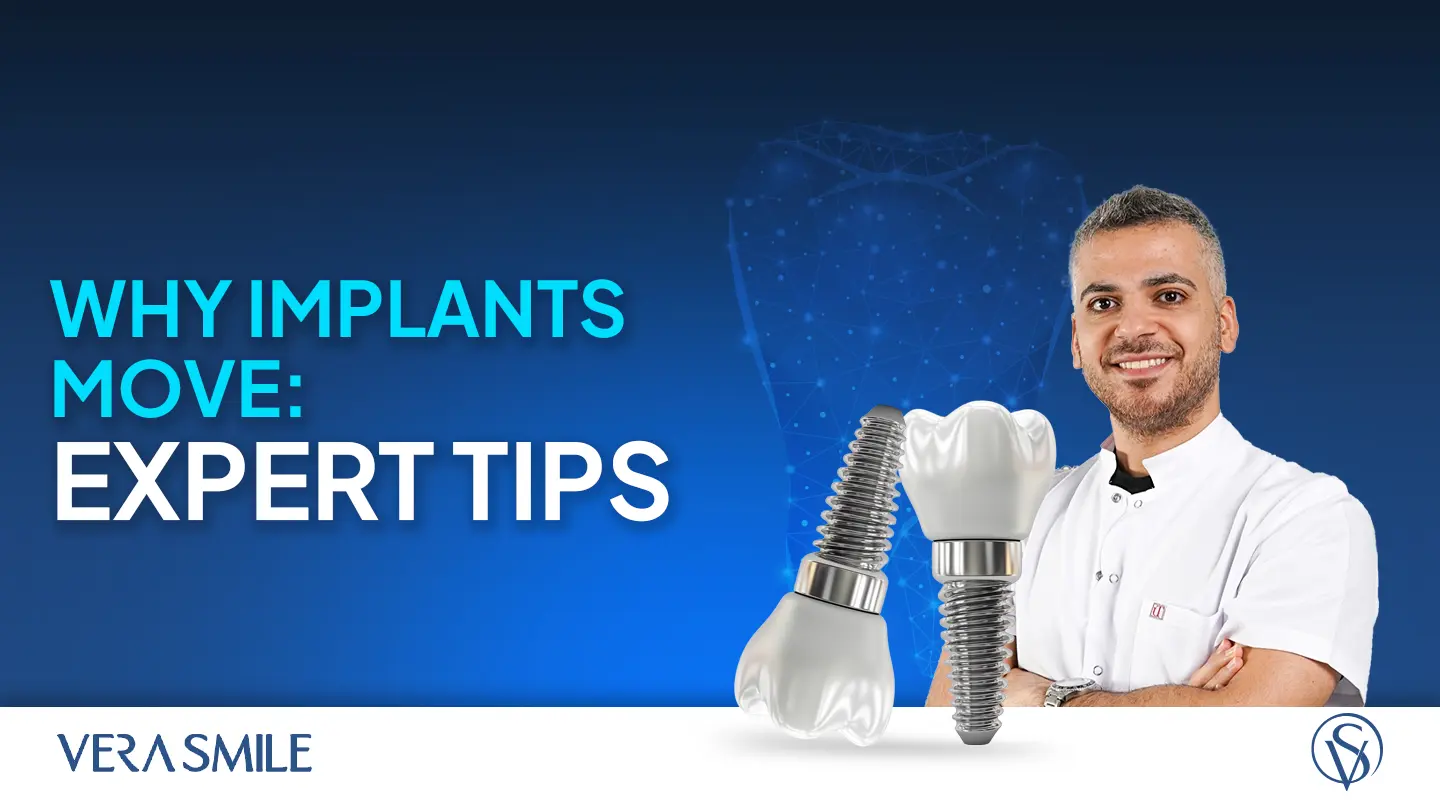
Loose dental implants are a flashing red light that something’s not right. After all, implants are supposed to act like your natural teeth, stable and secure. If yours feel more like a wobbly table leg, it’s time to pay attention.
The truth is, while implants boast high success rates, several factors can cause them to shift. From bone loss to hidden infections, the reasons vary, but the solution starts with understanding the problem.
Let’s unpack exactly why your dental implants might be moving—and what you need to know to set things right.
What Does It Mean When a Dental Implant Feels Loose?
Let’s clear up a common mix-up: when it feels like a dental implant is loose, it’s sometimes just the crown—not the implant itself. A dental implant is the metal anchor that’s secured within your jawbone, while the crown is the visible, tooth-like piece attached to that anchor. If the crown shifts or feels unsteady, it could be an issue with the connecting screw or even the way it was fitted. But if the implant (the metal anchor) feels loose, then it’s a whole different situation—one that needs immediate attention. Knowing this difference can help you and your dentist pinpoint the real source of the problem.
Implants Should Integrate with Bone – When They Don’t, They Move
Here’s where science gets involved: dental implants rely on osseointegration, which is simply a fancy way of saying the implant and bone should fuse together as a single unit. When this fusion is strong, the implant stays secure and mimics the stability of a natural tooth. But if osseointegration fails (say, due to insufficient bone density or an underlying health issue), the implant won’t anchor properly and can shift. This kind of movement isn’t something to ignore—it’s a sign that the implant isn’t stabilizing as it should, and it’s best to consult your dentist before the problem worsens.
Read more: The Warning Signs of Dental Implants Failure Every Patient Should Know
Top Causes of Loose Dental Implants – What You Should Know
Bone Loss
Bone loss is the quiet thief of implant stability. Often creeping in with age or underlying gum disease, it erodes the support that keeps implants in place. Implants need a solid foundation, and when the bone structure starts dwindling, even the best-placed implants can feel like they’re wobbling.
Bone health is crucial not just during implant surgery but long after. Regular dental check-ups can help track bone health over time, ensuring your implants stay rock-solid.
Infection
When it comes to dental implant complications, infection sits at the top of the list. Peri-implantitis is a specific infection around implants, causing inflammation and gradual bone loss, leading to that dreaded loose feeling. The trickiest part? It often sneaks in silently, with only subtle signs like mild discomfort or a bad taste in the mouth.
Routine cleaning and exams aren’t just for show—they’re essential to catch any early signs of infection. Your dentist can help monitor and address potential issues before they become full-blown threats to implant stability.
Overloading the Implant – Too Much Pressure, Too Soon
Here’s a common culprit: too much pressure, too quickly. When implants are exposed to excessive force—grinding, clenching, or chewing too soon after surgery—the risk of loosening skyrockets. This pressure can prevent proper healing or, worse, weaken an already-settled implant.
If you have a grinding habit, consider a nightguard. This simple tool can be a game-changer in maintaining implant stability by absorbing excess force and preventing undue strain on your implants.
Poor Placement – Getting It Right the First Time
Placement precision is the make-or-break factor for implant success. Poorly placed implants face an uphill battle from the start, as even slight misalignment can lead to instability down the road. The solution is to opt for an experienced dental professional skilled in implant procedures—those subtle differences can be what keeps an implant secure for decades.
Signs Your Dental Implant Might Be Loose – Don’t Ignore These!
Shifting or Movement – The Implant Should Feel Like Your Own Tooth
A stable dental implant should feel like it’s part of your jaw—steady, unmovable, and as unnoticeable as a natural tooth. If your implant starts shifting or feels loose, it’s not just “settling in.” Any movement signals that something’s gone off-course, possibly with the bone integration. And while your implant may be giving subtle hints, don’t wait for it to get worse. Book an appointment as soon as you notice any movement to protect your dental implant recovery process and avoid more serious complications.
Persistent Pain or Swelling
Sure, a bit of tenderness right after the implant procedure is normal, but if you’re still dealing with pain or swelling weeks or months later, that’s your body waving a red flag. Persistent discomfort can mean anything from infection to an ill-fitting implant, both of which demand attention. Dental implant pain that lingers isn’t something to ignore; it’s a reason to consult your dentist promptly, especially if you want to protect your investment (and peace of mind).
Bad Taste or Odor
A metallic taste or bad odor around the implant site might sound harmless, but it’s often the first indicator of an infection. Peri-implantitis can cause bone loss, jeopardizing implant stability. If your mouth feels off-taste or smells odd, don’t brush it off—literally or figuratively. Get it checked to prevent minor discomfort from turning into a major implant problem.
Read more: What Are the Complications of Dental Implants No One Talks About
How to Prevent Loose Implants – Tips from the Experts
The cornerstone of dental implant maintenance is keeping your gums and bone in top shape. Daily brushing and flossing are your implant’s best friends. Plaque doesn’t just vanish after placement—it sticks around and, left unchecked, can lead to gum inflammation and even bone loss around the implant. For an extra layer of defense, ask your dentist if an antibacterial mouthwash is right for you, especially after meals.
Schedule Regular Check-Ups – Prevention Is Key
Think regular dental visits are overkill? Not with implants. Scheduling consistent check-ups helps your dentist catch early signs of trouble, saving you time, money, and the stress of dealing with preventable implant issues. A simple check-up every six months can make all the difference between a stable implant and a costly fix down the line.
Address Teeth Grinding or Bite Issues – Small Fixes, Big Impact
Grinding or clenching (known as bruxism) can put more pressure on your implants than you’d think. Over time, these habits can weaken the implant’s hold. If you suspect you grind at night, ask your dentist about a nightguard. This small change can have a huge impact on the longevity of your implant.
Avoid Risky Habits – Keep Your Implants Safe
Implants are strong, but they’re not indestructible. Using teeth to open packages or chewing on hard foods like ice can compromise implant stability over time. Making these simple adjustments can go a long way in ensuring your implant stays put where it belongs—firmly anchored in place.
What to Do If You Notice a Loose Dental Implant – Here’s the Plan
A loose dental implant isn’t the time for “wait and see.” The sooner you address it, the better your chances of preventing full-blown dental implant failure. Many cases of loose implants can be resolved with prompt intervention, stopping complications before they escalate. Quick action can mean the difference between a minor fix and needing an entirely new implant. So, if you’re noticing movement, don’t hit pause—get it checked right away.
Diagnostic Steps – What Your Dentist Will Check For
When you visit your dentist, they’ll dive into some essential diagnostics to pinpoint the issue. Expect an X-ray to check for bone density and any signs of infection around the implant. Your dentist will also assess the implant’s placement and the stability of the surrounding tissue. These diagnostic steps are crucial in identifying whether you’re dealing with a loose crown, early infection, or a more serious dental implant surgery complication.
Treatment Options – Solutions to Save Your Implant
There are several ways to stabilize a loose implant, depending on the underlying cause:
- Bone Grafting: If bone loss is the culprit, a bone graft can help restore support.
- Deep Cleaning: Infection around the implant (peri-implantitis) can often be managed with thorough cleaning to prevent further bone deterioration.
- Re-tightening the Crown: Sometimes, it’s the crown—not the implant itself—that’s loose, which can be resolved by adjusting or re-tightening.
With the right approach, loose implants don’t have to mean the end. Proper care and quick action can make a significant difference in saving your dental investment.