
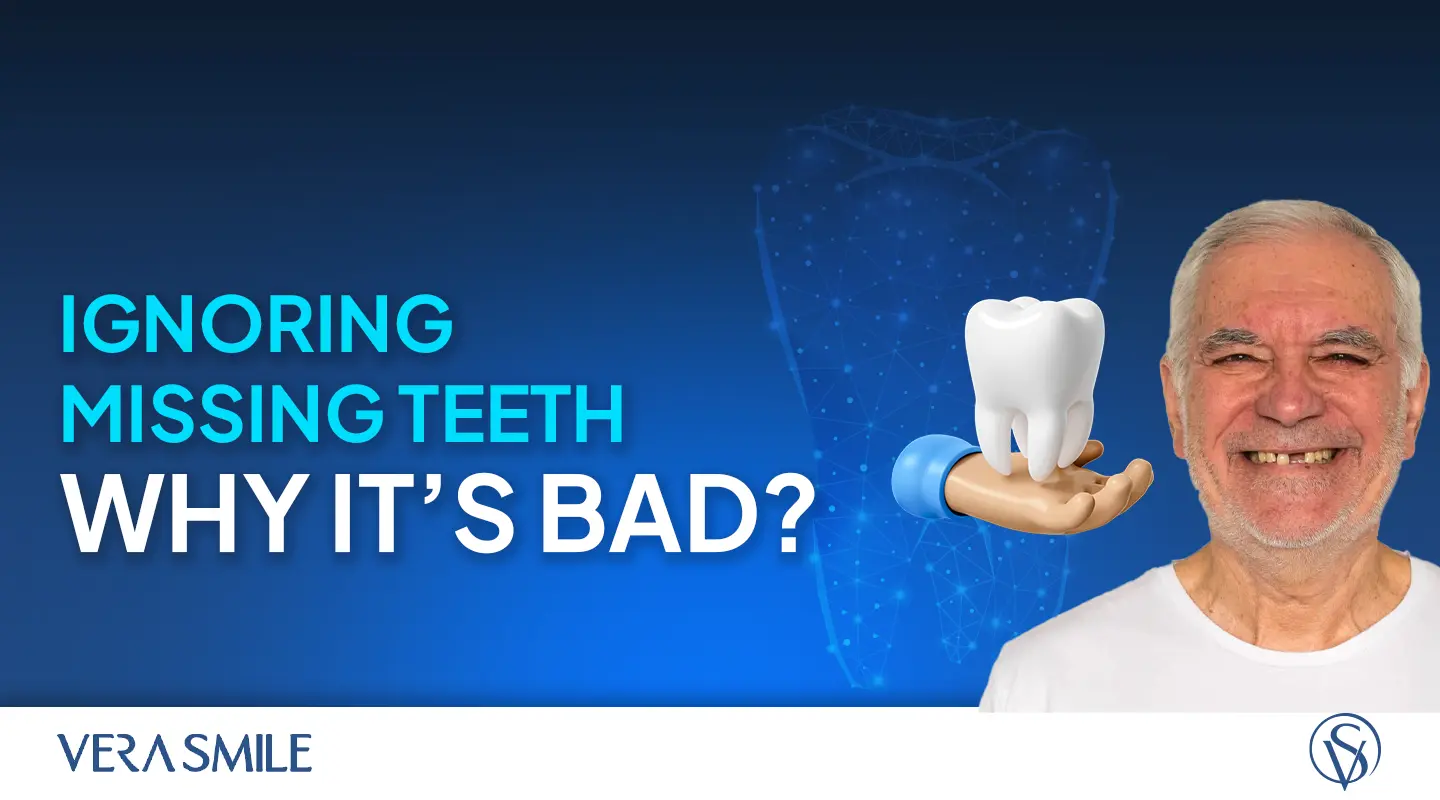
Most people think ignoring missing teeth is harmless. It’s just one tooth—what’s the big deal, right? Well, your mouth disagrees.
A missing tooth is an open invitation for oral chaos. From teeth shifting to bone loss sneaking in beneath the surface, the consequences are anything but trivial.
The truth is, when you ignore missing teeth, you’re risking your oral and overall health. Let’s break down why addressing that gap is about much more than aesthetics.
The Unseen Risks of Ignoring Missing Teeth
When you ignore missing teeth, it’s like giving your other teeth permission to wander aimlessly. Neighboring teeth shift into the vacant space, causing a misalignment that throws your entire bite out of balance. The result is dental problems from missing teeth that escalate quickly—harder-to-clean teeth leading to cavities, gum disease, and even more tooth loss. Studies confirm that misaligned teeth increase plaque buildup, making it easier for bacteria to wreak havoc on your oral health.
Bone Loss and Jaw Shrinkage
Here’s the thing about your jawbone: it loves a good workout. Teeth provide the stimulation your jaw needs to maintain its density. Lose a tooth, and the bone beneath it starts to shrink—a process called resorption. Bone loss can weaken your jaw, alter your facial structure, and make future dental restorations more challenging. Research shows that bone density decreases significantly in areas with missing teeth, underscoring the long-term consequences of ignoring the issue.
TMJ Disorders and Chronic Pain
Missing teeth can throw your bite so far off-kilter that your temporomandibular joint (TMJ) gets dragged into the mess. Misalignment from tooth loss places undue stress on the jaw joint, often leading to pain, headaches, and stiffness. TMJ disorders can affect your ability to chew, speak, or even yawn comfortably. Addressing missing teeth early reduces the risk of TMJ-related complications and the discomfort that follows.
Missing Teeth Don’t Just Affect Your Mouth
When you think about missing teeth, your heart likely isn’t the first thing that comes to mind—but maybe it should be. Ignored gaps can lead to gum disease, which studies link to a host of systemic health issues like heart disease, diabetes, and even stroke.
The effects of tooth loss on oral health don’t just stay in your mouth. Infections from neglected oral hygiene can spread through the bloodstream, adding unnecessary stress to your immune system. It’s not just about saving your teeth—it’s about saving your health.
Read more: Oral Health and Heart Disease: The Deadly Connection
Digestive Issues from Poor Chewing Efficiency
Missing teeth are a nutritional hazard. Limited food choices lead to unbalanced diets, often low in essential nutrients like fiber, which are critical for gut health.
Here’s the thing: improperly chewed food can strain your digestive system, leading to issues like acid reflux and indigestion. While you might not think much about how you chew, your stomach surely does. When chewing becomes a chore, so does absorbing the nutrients your body craves.
Mental Well-Being: Confidence Takes a Hit
Let’s not sugarcoat it: missing teeth can dent your confidence as much as your smile. Speech issues from missing teeth—like slurred or muffled pronunciation—can make conversations awkward, leaving you second-guessing yourself in social situations.
It’s more than just appearances. The psychological toll of avoiding laughter, conversations, or even smiling can creep into your mental health, leading to anxiety and self-esteem struggles. Addressing tooth loss is a step toward reclaiming your peace of mind.
Solutions to Address Missing Teeth
Dental Implants: The Long-Term Solution
When it comes to tackling missing teeth, dental implants are the MVPs.
Why?
They act as reinforcements for your jawbone, preventing bone loss due to missing teeth. By mimicking natural tooth roots, implants stimulate the bone and maintain its density, so your jaw doesn’t wave the white flag over time.
Clinical studies have shown implant success rates of over 95% in suitable candidates. With proper care, they can last a lifetime, restoring full chewing functionality and keeping your smile structurally sound. Think of them as a health investment rather than just a cosmetic fix.
Bridges and Partial Dentures: Practical Alternatives
Not ready to commit to implants? Bridges and partial dentures are tried-and-true options. Bridges rely on neighboring teeth for support, making them a quick and effective way to address missing teeth. Partial dentures, on the other hand, are removable and versatile, accommodating multiple missing teeth without permanent fixtures.
These solutions might not stop bone loss completely, but they prevent complications from missing teeth, such as shifting and overloading adjacent teeth. Their affordability and ease of adjustment make them practical for many, especially in cases where implants aren’t feasible.
Read more: How Safe Is Bone Grafting for Dental Implants?
Preventative Measures to Avoid Further Issues
The best way to address missing teeth? Stop the cascade before it starts. Regular dental checkups are your first line of defense. Early intervention not only protects your remaining teeth but also keeps your gums and jawbone healthy.
Proactive care includes:
- Consistent brushing and flossing to minimize gum disease.
- Using tools like water flossers to clean hard-to-reach areas.
- Prioritizing a balanced diet to support oral health.
Tips for Living with Missing Teeth Until You Take Action
Even if replacing your missing teeth isn’t on today’s to-do list, that doesn’t mean you can ignore the health risks of untreated tooth loss. The key is minimizing further damage while you prepare for the long-term fix. Here’s how to maintain your oral health and protect the teeth and gums you still have.
Prioritize Oral Hygiene
- Missing teeth create extra nooks and crannies for bacteria to thrive, and that’s the last thing your gums need right now.
- Tools like water flossers and interdental brushes can help you clean those hard-to-reach areas effectively.
- Don’t skip brushing twice daily and using fluoride toothpaste—it’s the frontline defense against cavities and gum disease that untreated tooth loss can aggravate.
Be Mindful of Your Diet
- Crunchy, tough, or overly chewy foods might be tempting, but they can stress your remaining teeth and gums.
- Focus on nutrient-rich options like soft vegetables, lean proteins, and calcium-packed foods to support bone and gum health.
- And yes, cutting down on sugary snacks isn’t just a health cliché—it’s a proven way to keep your mouth bacteria in check.
Read more: Can Your Diet Really Make Your Teeth Stronger? Here’s What Your Dentists Aren’t Telling You
Schedule Regular Dental Monitoring
- Professional checkups are your safety net to spot complications like bone loss or gum disease before they escalate.
- Your dentist can also advise you on the importance of replacing missing teeth and help you plan a timeline for corrective action.
- Regular cleanings and examinations ensure that untreated tooth loss doesn’t snowball into a bigger issue.
Maintaining your oral health while living with missing teeth is about control and prevention. The healthier your gums and teeth stay now, the smoother the process of replacing missing teeth will be when the time comes.