
Most people don’t give much thought to dental bridges until they need one. Suddenly, your dentist is talking about replacing that missing tooth, and you’re left wondering if a dental bridge is the right choice. It’s easy to think of dental bridges as just another dental procedure, but understanding them is crucial.
Let’s clear up a common misconception: dental bridges are not just cosmetic fixes. They play a vital role in maintaining your oral health, helping you chew properly, and keeping your other teeth in place. Ignoring the gap left by a missing tooth can lead to a whole host of problems, from misaligned teeth to difficulties in speech and eating.
Sure, dental bridges sound like an elaborate setup – who wouldn’t raise an eyebrow at the thought of “bridging” teeth? But here’s the thing: they’ve been a reliable solution for decades, with modern advances making them more effective and comfortable than ever. The secret is choosing the right type for your needs and understanding the process involved.
So, before you nod along at your next dental appointment, let’s break down everything you need to know about dental bridges.
Types of Dental Bridges
Dental bridges come in various forms, each designed to address specific dental needs while keeping your smile functional and fabulous.
Traditional dental Bridges
Traditional bridges are the old faithful of dental restoration. They consist of one or more false teeth (pontics) held in place by dental crowns cemented onto the adjacent teeth. It’s like a bridge-and-tunnel system for your mouth. These are great for filling gaps with sturdy support but can sometimes face dental bridge problems like decay under the crowns if not properly maintained. However, with diligent care, they can last many years, proving to be an affordable dental bridge solution.
Cantilever dental Bridges
Cantilever bridges, supported by a crown on only one side, are used when there’s only one tooth next to the gap. They’re not as common and can exert extra pressure on the supporting tooth, which might lead to issues if the tooth isn’t strong enough. But for certain cases, they’re a perfect fit, especially when the other options aren’t viable.
Maryland dental Bridges
Maryland bridges are the minimalist artists in the world of dental bridges. They use a metal or porcelain framework bonded to the back of your adjacent teeth, without the need for crowns. This approach is less invasive and preserves more of your natural teeth structure. They’re often used for front teeth where the aesthetic factor is high. Just be aware, they might not withstand heavy biting forces as well as their traditional counterparts.
Implant-Supported dental Bridges
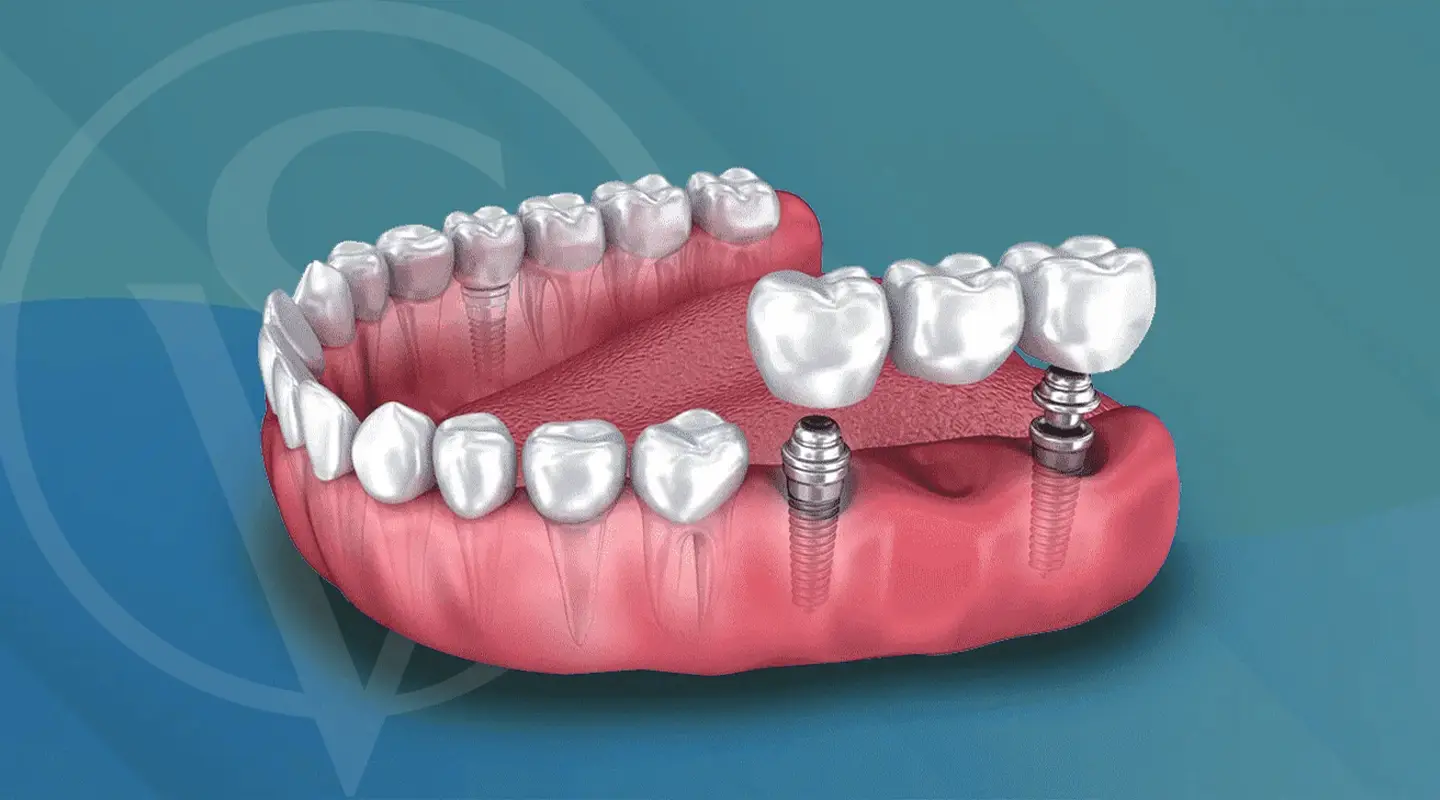
Implant-supported bridges are held in place by dental implants rather than crowns or frameworks. This makes them incredibly sturdy and reliable, ideal for multiple missing teeth. While they might be on the pricier side, their durability and the way they mimic natural teeth make them worth considering. Plus, they sidestep some common dental bridge problems like decay and damage to adjacent teeth.
The Dental Bridge Procedure
What can you expect when getting a dental bridge, whether it’s a front tooth bridge or addressing dental bridge pain concerns?
Consultation and Examination
A thorough examination is non-negotiable. Your dentist will assess the health of your teeth and gums to ensure you’re a good candidate for a dental bridge. This isn’t just a quick glance; they’ll be checking for any underlying issues that could affect the success of your bridge.
Preparation of Adjacent Teeth
Next up, your adjacent teeth need to be prepped. This involves removing a bit of enamel to make space for the crowns that will hold your bridge in place. While it might sound alarming, this step is crucial for ensuring a snug fit. Don’t worry, your dentist will use local anesthesia to keep discomfort at bay. This step ensures that your bridge will not only look natural but also function seamlessly with your other teeth.
Taking Impressions
Once the adjacent teeth are prepped, it’s time to take impressions. These molds are essential for creating a bridge that fits perfectly. It’s like custom tailoring, but for your teeth. The impressions capture every nook and cranny, ensuring that your new bridge will align perfectly with your bite and jaw structure. This step is key to avoiding future dental bridge pain caused by misalignment.
Temporary Bridge
While your permanent bridge is being crafted, you’ll wear a temporary bridge. This placeholder protects your exposed teeth and gums, helping you maintain normal function and appearance. Just remember to be gentle with it, as it’s not as robust as the final version.
Fitting the Permanent Bridge
Finally, your dentist will remove the temporary bridge and cement the new one in place, making any necessary adjustments to ensure a perfect fit. This step is crucial for ensuring that the bridge feels natural and comfortable. Proper fitting also minimizes the risk of future issues, such as dental bridge pain or misalignment.
Pros and Cons of Dental Bridges
Pros
Let’s start with the sunny side of dental bridges.
Restored Function for Chewing and Speaking
If you’ve ever tried to munch on a carrot with a gap in your teeth, you know it’s no picnic. Dental bridges can bring back the joy of chewing your favorite foods and improve your speech clarity. Missing teeth can cause slurred or difficult speech, but bridges fill those gaps and help you articulate better.
Improved Aesthetics
Yes, vanity has a place in dental care. A gap-toothed smile might work for a pirate, but for the rest of us, a dental bridge can restore that pearly-white, complete smile. It’s not just about looks, though. A full set of teeth can boost your confidence and make social interactions more enjoyable.
Prevention of Teeth Shifting
When you lose a tooth, the neighboring teeth might feel adventurous and start shifting into the empty space. This movement can lead to a misaligned bite and other dental issues. Dental bridges act like the responsible adult, keeping all teeth in their proper places and maintaining a healthy bite alignment.
Cons
Now, let’s address the potential rain clouds in the dental bridge forecast.
Potential for Decay under Crowns
While dental bridges are a great solution, they require adjacent teeth to be filed down for crowns. This process can make those teeth more susceptible to decay if not properly maintained. Regular dental check-ups and impeccable oral hygiene are non-negotiable to keep decay at bay.
Risk of Gum Disease if Not Properly Maintained
Like all dental work, bridges demand attention. Neglect your dental bridge maintenance, and you could be looking at gum disease. Flossing around the bridge, using interdental brushes, and keeping up with professional cleanings are essential to prevent this.
Durability and Potential Need for Future Replacement
Dental bridges are durable but not indestructible. They typically last 5 to 15 years, depending on your oral care routine and overall dental health. This means you might need replacements down the road, which involves additional time and expense.