
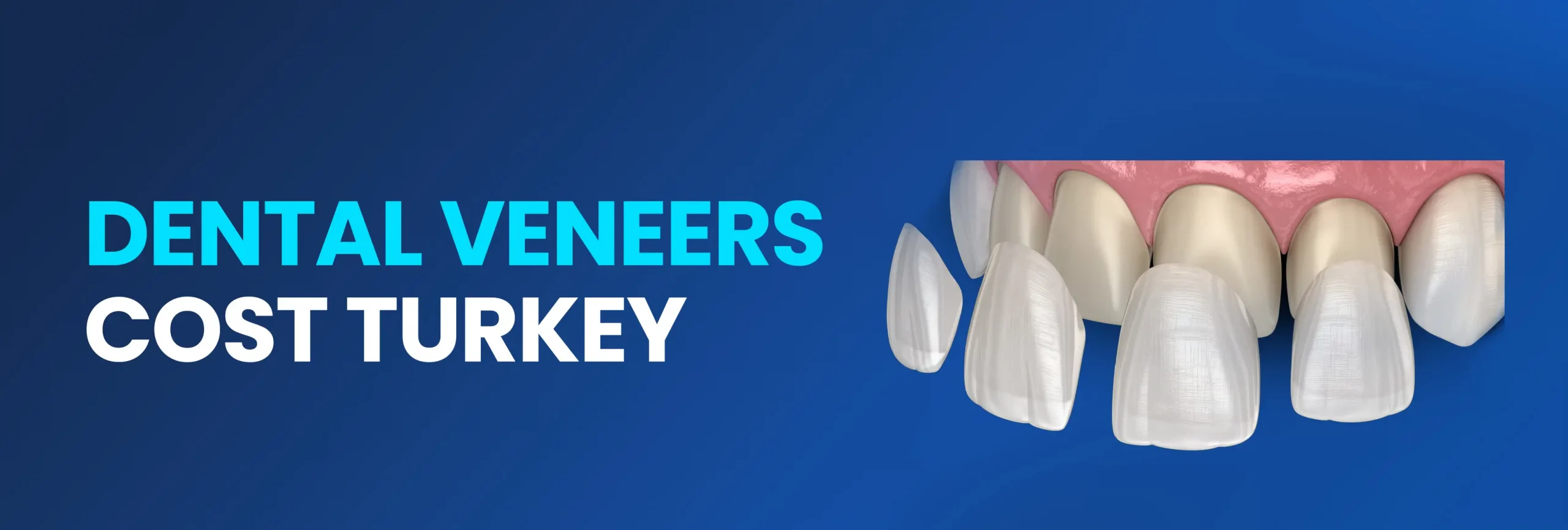
Veneers in Turkey cost between €180 and €400 per tooth, depending on the veneer type and the clinic’s experience level. For patients planning a smile makeover, the total price for 8 to 10 veneers falls between €1,800 and €3,500, which covers consultation, digital smile design, tooth preparation, laboratory work, and final placement. In the UK, the same treatment commonly costs €8,000 to €15,000, while prices in the US exceed $20,000, making Turkey 60–75% more affordable even after travel expenses. This price difference is mainly driven by lower clinical operating costs and currency advantages, not by lower materials or standards, as most reputable Turkish clinics use the same internationally certified porcelain, E-max, and zirconium systems used across Europe.
What Is Included in All-Inclusive Veneers Packages in Turkey?
Most all-inclusive veneers packages in Turkey are designed for international patients and cover far more than just the veneers themselves. In a standard package, the price includes the initial dental examination, panoramic X-ray or 3D imaging, and a digital smile design that lets patients preview the expected result before any tooth is touched. Tooth preparation, local anesthesia, temporary veneers, laboratory fabrication, and final fitting are included as part of the treatment fee.
Many clinics bundle non-clinical services into the same package. These include airport pickup, hotel accommodation for three to five nights, local transfers between the hotel and clinic, and a personal patient coordinator who speaks English. Some clinics include post-treatment checkups, bite adjustments, and a written warranty for the veneers, ranging from five to ten years when proper aftercare is followed. This package structure helps patients avoid surprise costs and makes it easier to plan both the treatment and the trip in one clear price.
Why Do the Clinics in Turkey Offer Package Deals?
Clinics in Turkey offer package deals mainly to reduce uncertainty for international patients and to keep treatment planning simple. Most people traveling for veneers want to know the total cost upfront, without worrying about extra charges for X-rays, temporary veneers, or follow-up visits. By grouping these services into one fixed price, clinics remove decision friction and shorten the overall treatment timeline.
There is a practical business reason. Dental tourism in Turkey is highly competitive, especially in Istanbul, Antalya, and Izmir. Package pricing allows clinics to manage patient volume, negotiate better rates with hotels and dental laboratories, and keep chair time predictable. This operational efficiency lowers per-patient costs, which is why clinics offer lower prices without compromising materials, hygiene standards, or clinical outcomes.
How Does Veneers Cost in Turkey Compared to the UK, USA, and Europe?
When patients start comparing veneer prices internationally, the difference is larger than expected. The same veneer materials and smile design methods used in the UK, the USA, and Europe are used in Turkey, yet the final bill looks very different. This comparison helps patients understand where the savings come from and whether the lower price affects quality.
Below is a clear cost comparison per tooth, based on average prices charged by private clinics.
| Country | Average Veneers Cost per Tooth |
| Turkey | €180 – €400 |
| United Kingdom | €800 – €1,200 |
| United States | $1,200 – $2,500 |
| Germany | €900 – €1,500 |
| France | €700 – €1,300 |
| Netherlands | €800 – €1,400 |
While clinics in the UK and the USA charge separately for consultations, digital smile design, temporary veneers, and follow-ups, many Turkish clinics include these in one price. This difference in pricing structure, combined with lower operational costs and favorable exchange rates, explains why patients save up to 75% without compromising on materials, laboratory quality, or clinical protocols.
How Do Veneers Cost in Turkey Compared to the UK?
When comparing veneer costs in Turkey and the UK, the difference is clear and measurable. In Turkey, veneers cost €180–€400 per tooth, while private clinics in the UK charge an average of €800–€1,200 per tooth, particularly in larger cities. For a 8–10 veneer smile makeover, patients pay €1,800–€3,500 in Turkey, compared to €8,000–€12,000 in the UK.
This price gap is not caused by lower-quality materials. Clinics in both countries frequently use the same ceramic veneer systems, including E-max and premium porcelain, sourced from internationally recognized manufacturers. The higher UK pricing reflects clinic overheads, staff wages, insurance costs, and regulatory fees, as well as the fact that services such as consultations, digital smile previews, and temporary veneers are billed separately.
Another difference is treatment duration. In the UK, veneer treatment is spread over several weeks, while in Turkey it is commonly completed within five to seven days. For patients paying privately, this results in a 65–70% overall saving, even after accounting for travel, as long as the clinic follows proper case selection, conservative preparation, and evidence-based bonding protocols.
Why Are Veneers More Affordable in Turkey Without Lower Quality?
Veneers are more affordable in Turkey because of economic and structural factors, not because of reduced clinical standards. The materials used for modern veneers, such as E-max, feldspathic porcelain, and zirconium-based ceramics, are produced by the same international manufacturers and supplied globally. Turkish clinics purchase these materials through the same distributors used by clinics in the UK, the USA, and Europe.
The biggest difference comes from operating costs. Clinic rent, staff salaries, laboratory fees, and insurance expenses in Turkey are significantly lower, by 40–60%, compared to Western Europe and North America. This allows clinics to charge less while maintaining sterilization protocols, digital imaging systems, and accredited dental laboratories. Several cosmetic dentists in Turkey focus almost exclusively on aesthetic dentistry, performing a high number of veneer cases each month. Higher case volume leads to greater clinical efficiency and more predictable outcomes.
Another factor is pricing structure. In many Western countries, veneer treatment is broken into separate charges for consultations, smile design, mock-ups, and follow-up visits. In Turkey, these services are bundled into one transparent price, which lowers both the final cost and the risk of unexpected fees. For international patients paying out of pocket, this combination of lower overheads, focused expertise, and inclusive pricing explains how veneers in Turkey remain affordable without compromising material quality or clinical safety.
How Does Case Complexity Increase Veneers Treatment Cost in Turkey?
Veneers pricing in Turkey is not fixed per patient because no two mouths are clinically identical. Case complexity plays a direct role in the final cost, even when the veneer material remains the same.
Bone graft requirements increase overall treatment costs, although they are not common for veneer-only cases. When veneers are planned alongside implants or when long-term tooth loss has caused bone reduction, additional procedures such as bone grafting or sinus lifting are required. These treatments add time, materials, and healing periods, which increases the total treatment fee.
Gum treatments and preparatory procedures are a more frequent cost factor. Patients with gum inflammation, uneven gum lines, or early periodontal disease need deep cleaning, laser gum contouring, or scaling and root planing before veneers are placed safely. These steps are essential for long-term veneer success and are priced separately, as they are considered medical treatment rather than cosmetic enhancement.
This is why two patients rarely receive the same quote, even if they request the same number of veneers. Tooth alignment, bite pressure, enamel thickness, gum health, and previous dental work all influence the treatment plan. Ethical clinics in Turkey assess these factors through clinical examination and digital imaging before confirming the final price, rather than offering a one-size-fits-all quote that compromises results.
Do Clinic Standards and Technology Level Affect Veneers Cost in Turkey?
Yes, clinic standards and technology level directly affect veneer pricing in Turkey, even when the same veneer material is used. Clinics that rely on digital workflows tend to charge more than those using traditional impression and manual lab methods. Digital systems reduce human error, improve fit accuracy, and shorten treatment time, but they require significant upfront investment.
Advanced clinics use 3D imaging, intraoral scanners, CAD/CAM systems, and guided preparation protocols to plan veneers with higher precision. These tools allow dentists to measure enamel thickness, bite forces, and smile symmetry before touching the teeth. The result is more conservative tooth preparation and better long-term bonding, especially for E-max and porcelain veneers. Maintaining this technology involves ongoing software licensing, equipment calibration, and trained technical staff, all of which increase operating costs.
The higher price is justified when technology is used clinically, not cosmetically. Advanced systems matter when they improve fit, durability, and biological safety, not just when they are used for marketing. Clinics that apply digital planning properly tend to have lower remake rates, fewer post-treatment complications, and longer veneer lifespan. For patients, paying slightly more for a clinic with proven digital capability reduces the risk of adjustments, fractures, or premature replacement later on.
How Much Do Material Costs for Veneers in Turkey?
Material selection has a stronger impact on veneer pricing than geography. In Turkey, differences in veneer costs are primarily driven by which ceramic system is used, not by the clinic’s address or the city where treatment takes place. Two patients treated in the same clinic receive different quotes because their cases require different material properties, such as translucency, strength, or load resistance.
Clear price differences appear across materials used by high-standard clinics, particularly Ivoclar Prime Zirconia and Amann Girrbach Zirconia systems. Porcelain-based veneers are more affordable because they involve simpler layering and shorter laboratory processing time. Lithium disilicate–based systems, chosen for their natural translucency, cost more due to precision milling and controlled firing protocols. Zirconia veneers, produced through Amann Girrbach CAD/CAM workflows, sit at the higher end of the price range because they require advanced digital fabrication and are selected for patients with strong bite forces or visible tooth wear. Even within the same material family, pricing changes depending on whether the veneers are hand-layered, pressable, or milled from solid ceramic blocks.
The key point is that these materials are priced similarly worldwide. An Ivoclar ceramic system or an Amann Girrbach zirconia block purchased by a clinic in Turkey costs nearly the same as it does in the UK, Germany, or France, with global price differences limited to 10–15%. The large price gap patients notice between countries comes from labor costs, laboratory fees, and clinic overhead, not from using lower-grade ceramics.
For durable results, choosing the correct material for the clinical case matters more than choosing a country. Veneers designed with the appropriate Ivoclar or Amann Girrbach system, matched to enamel condition and bite dynamics, consistently perform better long term than poorly selected materials, regardless of where the treatment is delivered.
How Come Veneer Materials Are More Affordable in Turkey?
Even though many veneer materials are imported from the USA or Europe, treatment costs in Turkey remain significantly lower. The reason lies in the process and structure of dental care in Turkey, not the origin of the materials. Clinics in Turkey use internationally recognized systems such as Ivoclar Prime Zirconia, Amann Girrbach Zirconia, and Neodent Zirconia, as well as implant systems like Hiossen Implant, NDI Implant, Straumann Implant, and JD Zygoma Implant, the same trusted brands used in top-tier clinics across the UK, USA, and Europe.
These materials are priced similarly worldwide due to global pricing models set by manufacturers. The base cost of a zirconia block or implant remains relatively consistent regardless of location. The major difference comes in what happens once the material reaches the clinic. In countries like the USA and the UK, the treatment price reflects higher dentist fees, laboratory labor, insurance costs, and administrative overhead. In contrast, clinics in Turkey have lower fixed operational costs, allowing them to use the same certified materials while applying a smaller markup.
Another key factor is high case volume. Clinics in Turkey focused on dental tourism perform a large number of implant and zirconia restoration procedures each month, leading to efficient collaboration with specialized laboratories. This scale reduces per-case laboratory processing costs without compromising the material or fabrication quality. As a result, patients in Turkey receive the same high-quality, certified systems at a lower total treatment cost, even though the materials are sourced from the USA or Europe.
Do Zirconia Veneers or Dental Crowns Cost More in Turkey?
Zirconia veneers and dental crowns are compared because both improve the appearance of teeth, but they differ in treatment depth, purpose, and long-term indication, which directly affects cost. In Turkey, pricing is mainly shaped by how much natural tooth structure is altered and how complex the restoration process is, rather than aesthetics alone.
| Criteria | Zirconia Veneers | Dental Crowns |
| Average Cost in Turkey (per tooth) | €250 – €400 | €220 – €550 |
| Tooth Reduction Level | Minimal (front surface only) | Extensive (entire tooth reshaped) |
| Main Purpose | Cosmetic enhancement | Structural protection |
| Coverage Area | Front-facing surface | Full tooth coverage |
| Treatment Invasiveness | Conservative | More aggressive |
| Expected Lifespan | 10–15 years | 15–20 years |
| Recommended For | Healthy teeth with aesthetic concerns | Weakened, heavily filled, or root-canal–treated teeth |
Zirconia veneers are preferred when the natural tooth is structurally healthy and the goal is to correct color, shape, or minor alignment issues while preserving as much enamel as possible. Dental crowns become necessary when teeth are cracked, heavily restored, or structurally compromised, where full coverage is required to prevent future fracture.
In Turkey, well-established clinics do not choose between veneers and crowns based on price or cosmetic trends. The decision is guided by clinical findings, bite analysis, enamel thickness, and long-term stability, ensuring the treatment remains both safe and durable over time.
Which Veneer and Zirconia Brands Are Used in Turkey, and How Do They Compare?
The brand of zirconia or ceramic system used for veneers and crowns directly affects strength, aesthetics, precision, and long-term stability. Clinics in Turkey that focus on predictable outcomes work with a limited number of certified brands, rather than rotating between low-cost alternatives.
| Brand | Material Type | Origin | Key Clinical Advantages | Cost Level in Turkey |
| Ivoclar Prime Zirconia | High-translucency zirconia | Europe / USA distribution | Natural color depth, reliable bonding, consistent shade accuracy | Medium–High |
| Amann Girrbach Zirconia | CAD/CAM zirconia systems | Austria | High fracture resistance, precise milling accuracy, long-term fit stability | Medium–High |
| Neodent Zirconia Implant | Zirconia implant system | Switzerland / Brazil | Metal-free option, aesthetic focus, strong integration performance | Medium |
| Hiossen Implant | Implant system | USA | Proven clinical performance, commonly used in full-mouth cases | Medium |
| Straumann Implant | Premium implant system | Switzerland | Extensive clinical research, long-term success data | High |
Clinics using Ivoclar Prime Zirconia and Amann Girrbach systems invest in material consistency, calibrated milling units, and trained laboratory technicians, which improves fit accuracy and reduces the risk of chipping or remakes. Lower-cost or non-certified systems lower the initial price, but differences appear over time through color instability, marginal gaps, or bonding issues.
In practice, brand selection plays a measurable role in longevity and biological response. Two restorations look similar at placement, but systems with documented performance data and controlled production standards tend to maintain aesthetics and structural integrity more reliably over time.
Does a Higher Material Cost Always Mean Better Veneer Results in Turkey?
A higher material cost does not automatically guarantee better veneer results. While premium materials such as high-translucency zirconia or advanced ceramic systems offer clear technical advantages, the final outcome depends just as much on case selection, planning, and clinical execution.
More expensive materials provide benefits like improved strength, color stability, and fracture resistance, for patients with strong bite forces or significant tooth wear. However, when these materials are used in the wrong way, such as placing high-strength zirconia where a thinner porcelain veneer would be more suitable, the result looks artificial or compromises enamel preservation.
In Turkey, experienced clinics match material choice to clinical need, not price level. A properly planned porcelain or lithium disilicate veneer outperforms a more expensive zirconia veneer if it is bonded correctly, respects enamel limits, and aligns with the patient’s bite. Long-term success is driven by diagnosis, preparation design, laboratory precision, and bonding protocol, rather than material cost alone.
For patients, the most reliable results come from choosing a clinic that explains why a specific material is recommended, instead of assuming that the highest-priced option will deliver the best outcome.
What Factors Influence Veneers Cost in Turkey?
Dental veneers pricing in Turkey is determined by clinical quality and case-specific needs, not by a flat rate. Below are the main factors that influence how much veneers cost.
- Clinic: The clinic’s standards have a direct impact on price. Clinics that follow strict sterilization protocols, work with certified dental laboratories, and provide structured aftercare charge more. Cost differences come from infrastructure, quality control, and treatment coordination, not from the city or neighborhood alone.
- Doctor: The experience and specialization of the dentist matter. Dentists who focus primarily on cosmetic and aesthetic dentistry and place a high number of veneers each year charge higher fees. This reflects advanced training, better case planning, and lower revision rates, especially in complex smile makeovers.
- Technology: Clinics using digital smile design, intraoral scanners, 3D imaging, and CAD/CAM systems incur higher operational costs. These technologies improve accuracy, reduce manual error, and shorten treatment time, which is why they are reflected in the final veneer price.
- Case Complexity: Each patient’s dental condition is different. Factors such as gum health, bite alignment, enamel thickness, existing restorations, and preparatory treatments directly affect the treatment plan. This is why two patients requesting the same number of veneers rarely receive the same quote, even within the same clinic.
Is Veneers Covered by Insurance in Turkey?
No. Veneers are not covered by insurance in Turkey because they are classified as a cosmetic dental treatment, not a medically necessary procedure. Insurance providers, both public and private, reimburse procedures aimed at treating disease, restoring function, or managing pain, while aesthetic treatments such as veneers fall outside standard coverage. This approach is consistent across most countries and is not specific to Turkey.
In practice, Turkey’s public health system does not reimburse cosmetic dentistry, and private or international insurance plans rarely make exceptions when veneers are placed abroad. In some cases, insurance contributes to related medically necessary treatments, such as gum therapy or infection control performed before veneers, but the veneers themselves are almost always paid out of pocket.
The real advantage for patients choosing Turkey is not insurance coverage, but lower private treatment costs, transparent pricing, and the ability to plan the full expense in advance without unexpected fees.
Are There Financing & Payment Options for Veneers in Turkey?
Yes, some clinics in Turkey offer flexible payment options for veneers, especially for international patients. Payments are commonly accepted via cash or credit card, and many clinics allow the total amount to be split across multiple payments during the treatment week. Some clinics offer short-term installment options when paying by card, depending on the bank and card issuer.
For international patients, payment is made in EUR, GBP, or USD, which helps avoid currency confusion. Clinics confirm the final treatment plan after the initial examination and then request a deposit to secure appointments, laboratory scheduling, and accommodation if included. This deposit is 10–30% of the total cost and is deducted from the final balance.
The deposit system is practical rather than restrictive. It allows clinics to reserve chair time, begin laboratory work, and coordinate travel-related services without locking patients into full upfront payment. The remaining balance is generally paid after the veneers are tried in or completed, giving patients clarity and control over the process.
Are There Financing & Payment Options for Veneers in Turkey?
Financing and payment options for veneers in Turkey vary by clinic. Most clinics accept cash or credit card payments, but installment or financing options are not common, particularly for international patients. In many cases, clinics request full or near-full payment during the treatment period.
Some clinics, including Vera Smile, offer more flexible payment structures. These include payment by cash or card, with the possibility of splitting payments across treatment stages rather than paying everything at once. For international patients, payments are accepted in EUR, GBP, or USD, which simplifies budgeting and avoids currency issues.
A deposit is generally required to confirm appointments and laboratory work. This is 10–30% of the total treatment cost and is deducted from the final amount. The remaining balance is paid once treatment progresses or is completed, allowing patients to plan expenses with clearer visibility.
Can International Patients Pay for Veneers in Installments in Turkey?
Yes, international patients can pay for veneers in installments in Turkey, but this depends on the clinic’s payment policy and the method used. Installment options are not universally available across all clinics and are more commonly offered when payment is made by credit card, rather than through third-party financing.
In most cases, installment payments are structured within the treatment period, not over long-term months or years. This means the total cost is divided into two or three payments, such as a deposit before treatment, a mid-treatment payment, and the final balance after placement. The availability of installments depends on the issuing country of the credit card and bank approval.
For international patients, payments are accepted in EUR, GBP, or USD, and clinics clearly outline the installment structure before treatment begins. It is important to confirm these details in advance, as long-term financing plans are uncommon, and payment flexibility varies between clinics.
Are Veneers Deposits Refundable in Turkey?
In most clinics in Turkey, deposits for veneers are partially refundable or non-refundable, depending on when the cancellation occurs and what stage the treatment has reached. Deposits are not a simple reservation fee; they are used to secure chair time, laboratory scheduling, and material orders, which begin before the patient arrives.
If a patient cancels before clinical planning or laboratory work starts, some clinics refund the deposit or deduct a small administrative fee. Once digital smile design, impressions, or laboratory fabrication has begun, the deposit is usually non-refundable, as these costs cannot be recovered by the clinic.
For international patients, refund policies are explained in writing before payment, outlining timelines and conditions clearly. This is why it is important to confirm deposit terms and refund conditions in advance, when travel plans are involved. Transparent clinics define these rules upfront to avoid misunderstandings later.
What Are the Hidden Costs Patients Don’t Expect When Getting Veneers in Turkey?
Even when veneer prices in Turkey are clearly quoted, some costs are not immediately visible during planning. Listing these factors helps patients budget more accurately and avoid surprises.
- Flights: Flight costs vary depending on departure country, season, and booking time. Last-minute tickets or peak travel periods significantly increase the total expense, if a return visit becomes necessary.
- Extended Stays or Additional Visits: Most veneer treatments are completed within 5–7 days, but delays occur. Gum healing time, bite adjustments, or laboratory refinements require extra days. Additional hotel nights, meals, and local transport add unexpected costs.
- Revision or Adjustment Needs: Basic post-treatment adjustments are included, but major revisions are not always covered. Requests made long after treatment, changes in bite habits, or aggressive cosmetic demands require new laboratory work or follow-up visits, increasing the overall cost.
- Aftercare Products: Post-treatment care is overlooked. Dentists commonly recommend night guards, veneer-safe toothpaste, dental floss, or water flossers to protect restorations and extend their lifespan. Individually these items are affordable, but together they contribute to the total cost.
- Being aware of these hidden expenses helps patients focus on long-term outcomes and proper planning, rather than judging treatment solely by the initial veneer price.
Is Traveling to Turkey for Veneers Really Worth the Cost?
Yes, for the right patient. Whether traveling to Turkey for veneers is worth it depends on value, not price alone. From a cost perspective, Turkey offers clear savings, 60–70% lower than private treatment in the UK, the USA, or Western Europe. When those savings are paired with experienced cosmetic dentists, modern technology, and structured treatment timelines, the value is strong.
The risk–reward balance matters. The main rewards are lower treatment costs, shorter treatment duration, and access to clinics that focus heavily on aesthetic dentistry. The risks include choosing the wrong clinic, rushed planning, limited long-term follow-up, or needing revisions after returning home. These risks increase when patients prioritize the lowest price rather than clinical standards, material quality, and communication.
Traveling to Turkey makes sense for patients who are paying privately, need multiple veneers, and commit to a full treatment schedule abroad. It is less suitable for patients who require frequent in-person follow-ups, have complex medical conditions, or expect insurance coverage. For the right patient profile, Turkey offers strong value. For others, local treatment provides more peace of mind despite the higher cost.
What Real Questions Do Patients Ask About Veneers Cost in Turkey?
Patients researching veneer costs in Turkey often ask practical questions that go beyond price alone. These questions focus on why quotes differ, what happens after treatment, and how to judge real value, helping patients make confident and informed decisions.
- “Why is my quote higher than my friend’s?”
Veneer quotes vary because no two cases are clinically the same. Factors such as enamel thickness, gum health, bite force, tooth alignment, and required preparatory treatments influence pricing. Even with the same number of veneers, differences in material selection or laboratory work result in different costs. - “What happens if something goes wrong after I return home?”
Established clinics explain this clearly before treatment. Many provide a written warranty for material or bonding issues and clarify what be handled by a local dentist and what require a return visit. Proper planning and aftercare guidance significantly reduce post-treatment issues. - “Is paying more in Turkey ever justified?”
Yes. Higher prices are justified when they reflect experienced clinicians, advanced diagnostic technology, conservative preparation techniques, and certified materials. A higher quote means better long-term stability, not unnecessary extras. - “How do I know I’m not overpaying?”
A reasonable veneer quote is clear and transparent. Clinics should explain what is included, why a certain material is recommended, and how the treatment plan fits your case. Comparing quotes based on scope of treatment and clinical approach, rather than price alone, helps determine real value.
How to Get a Veneers Cost Quote in Turkey?
To receive a reliable veneers cost quote in Turkey, clinics follow a case-based evaluation, not a generic price list. The process includes the steps below.
- Photos and X-Rays: Clinics request clear intraoral photos and, if available, a recent panoramic X-ray. These help assess tooth condition, alignment, gum health, and bite pressure before any pricing is discussed.
- Personalized Planning: A proper quote is built around individual treatment planning. Dentists determine how many veneers are suitable, which material fits the case, and whether any preparatory treatment is needed. This avoids unrealistic promises and last-minute price changes.
- Transparent Pricing: A trustworthy quote clearly explains what is included and what is not. Consultation, digital planning, temporary veneers, and post-treatment adjustments should be stated upfront. Transparency allows patients to compare clinics based on scope and quality, not just price.
Following this process helps patients receive a quote that reflects their actual needs and supports a confident treatment decision.
Why Online Prices Are Only Estimates for Dental Tourism
Online veneer prices are starting figures, not final treatment costs. In dental tourism, clinics cannot confirm an exact price without reviewing clinical details, such as enamel thickness, gum health, bite alignment, and previous dental work. These factors are not visible on websites but directly affect treatment planning.
Most online prices are based on ideal cases that require no preparatory procedures and use standard materials. Once a dentist reviews photos or X-rays, the plan changes to ensure safety and durability, which adjust the price. This is why quotes given after clinical evaluation are more accurate than website listings.
Online estimates are useful for initial comparison, but they should not be treated as binding offers. Clinics that present online prices as guarantees rely on upselling later. Reliable dental tourism providers use online prices as guidance and confirm the final cost only after personalized assessment.