
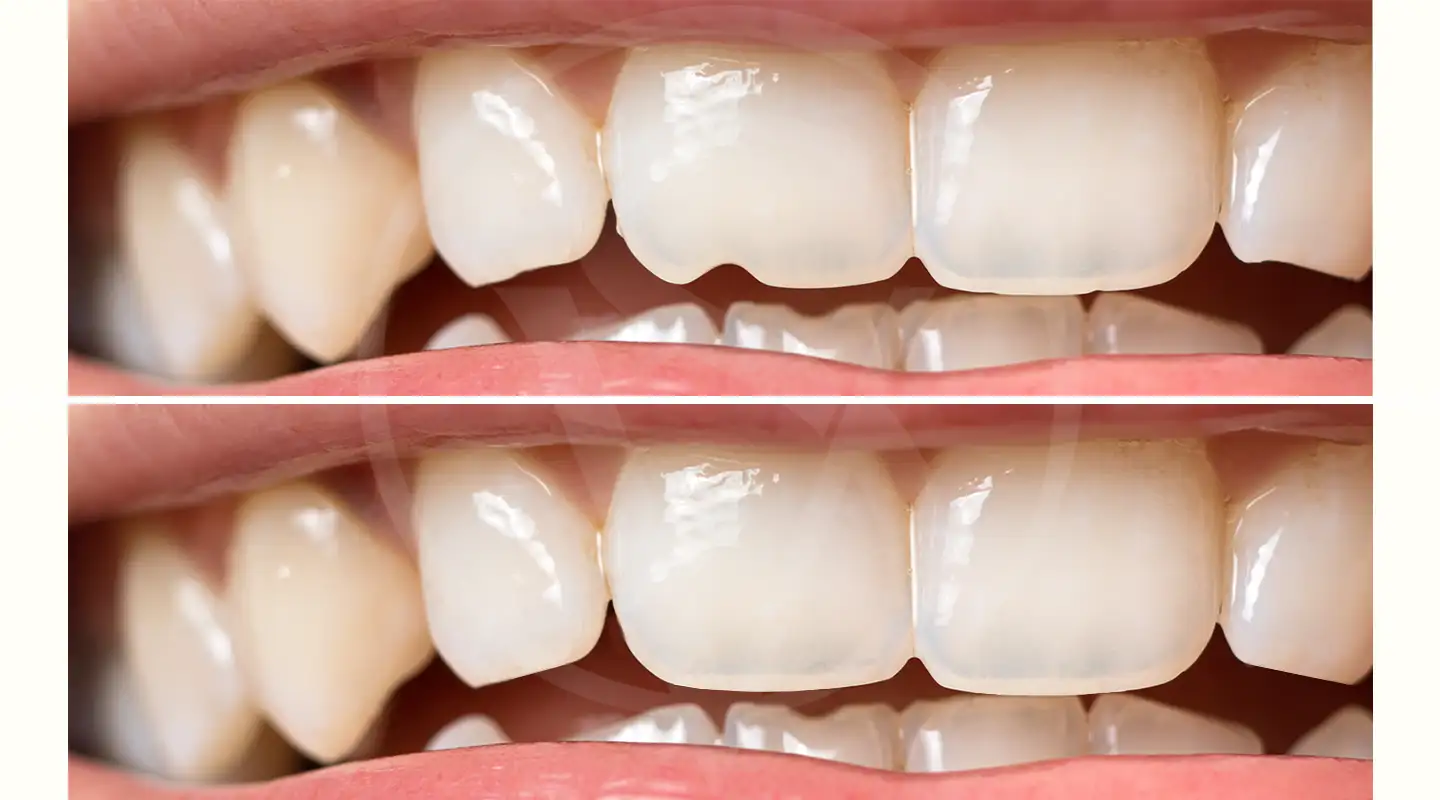
Dental bonding might just be the best-kept secret in cosmetic dentistry, offering results that could give costly surgeries like veneers and implants a serious run for their money. Why drop a fortune on complex procedures when dental bonding can repair chips, close gaps, and brighten your smile in a single visit? And no, you won’t need sedation dentistry for this—it’s quick, painless, and so affordable it almost feels like cheating.
But don’t let the simplicity fool you. Dental bonding offers long-lasting, high-quality results without the hefty price tag. So, let’s dig into why this procedure deserves more than just a passing glance.
What Exactly is Dental Bonding and Why Should You Care?
Dental bonding is an affordable and efficient way to fix small cosmetic dental issues like chips, gaps, and discoloration without the hefty price of more invasive surgeries. In this quick, painless procedure, a tooth-colored resin is applied, shaped, and hardened with a special light—giving you an instant smile upgrade, all without needing sedation dentistry. And with proper care, dental bonding can last anywhere from 3 to 10 years, making it a long-lasting solution that’s lighter on the wallet than veneers or crowns.
Simply put, it’s the cost-effective cosmetic dental boost you didn’t know you needed.
Why Choose Dental Bonding Over Costly Cosmetic Surgeries?
Let’s be honest—dental bonding offers the same improvements without the sticker shock of cosmetic procedures. And when you’re talking about tooth bonding cost, this procedure is far more budget-friendly while delivering impressive results.
The Cost Factor
Veneers and implants can leave your wallet feeling a bit light, with costs reaching several thousand dollars per tooth. In contrast, dental bonding comes in at a fraction of the price, with cosmetic tooth bonding generally costing between $100 and $400 per tooth, depending on the complexity of the case. That’s like getting the same aesthetic upgrade without the financial meltdown.
Minimal Invasiveness
Unlike veneers, which require shaving down your natural teeth, dental bonding is as non-invasive as it gets. There’s no need for sedation dentistry or major prep work. Your natural tooth stays intact, and the bonding material is applied directly onto the surface. You walk out with a new smile—no drilling, no trauma, no downtime.
Read more: No-Prep Veneers: Are We Cutting Corners or Cutting Edge?
Time Efficiency
While veneers can take multiple visits and several weeks (thanks to lab work and fittings), dental bonding can be done in a single appointment. You could pop into your dentist’s office during your lunch break and walk out with a brand-new smile by dessert. It’s a one-and-done solution that doesn’t demand chunks of your schedule.
How Does Dental Bonding Work?
Dental bonding is a quick, efficient procedure that works wonders for gaps, chips, and other minor imperfections. No lengthy downtime or complex recovery; just a straightforward process that could have your tooth looking brand-new in under an hour.
Here’s how it happens:
The Dental Bonding Process, Step by Step
- Preparation
Your dentist starts by lightly etching the surface of your tooth to ensure the bonding material sticks properly. No, this isn’t as scary as it sounds—it’s quick, painless, and sedation dentistry is nowhere in sight.
- Application
A tooth-colored resin is applied to the etched surface. This resin is custom-matched to your tooth’s natural shade, so no need to worry about it standing out.
- Shaping and Sculpting
Once applied, the resin is molded to perfection, filling in gaps or reshaping the tooth where needed. Think of it like sculpting—but for your smile.
- Curing with UV Light
Next, a special UV light is used to harden the resin. In just minutes, the bonding material sets, turning your previously chipped or discolored tooth into a seamless part of your smile.
- Final Touches
Your dentist will polish the bonded tooth for a smooth finish. And just like that—your tooth is photo-ready, no filters required.
Common Concerns about Dental Bonding
Yes, dental bonding is affordable, but is it durable? Will your daily coffee addiction stain it? And, most importantly, is dental bonding permanent?
Let’s break it down.
Does Dental Bonding Stain?
Here’s the truth: unlike porcelain veneers, dental bonding can stain over time. But it’s not as if one cup of coffee will send your bright smile packing. With proper care (regular brushing, flossing, and the occasional whitening toothpaste), you’ll keep those stains at bay. If you’re a red wine enthusiast or a coffee devotee, moderation is key. And don’t worry, your dentist can touch up the bonding if needed—no full overhaul required.
How Long Does Dental Bonding Last?
The lifespan of dental bonding largely depends on your lifestyle and oral hygiene. On average, it can last anywhere from 3 to 10 years with proper care. That means no biting your nails, no chewing on pens, and yes, flossing daily. It’s not permanent, but with regular dental checkups and touch-ups, it’s close enough.
Is There Pain After Tooth Bonding?
One of the many perks of dental bonding is no pain—seriously. The process is non-invasive, so you won’t need sedation dentistry (or a hand to squeeze). You’ll be out of the chair and back to your day without any post-procedure discomfort. If you experience sensitivity, it’s usually mild and temporary, but don’t worry, your dentist has got you covered with aftercare tips.
Tooth Bonding Maintenance
Maintaining your bonded teeth is as easy as maintaining your natural teeth. Brush, floss, and visit your dentist regularly for touch-ups. If your bonding chips or discolors over time (hey, life happens), a quick fix at the dentist will have you back to your best smile in no time.
Dental bonding may not last forever, but with the right care, it can offer you years of confident smiles—without breaking the bank.
Is Dental Bonding the Right Choice for You?
Look, dental bonding is ideal if you’re looking for quick, non-invasive fixes to cosmetic imperfections. Whether you’ve got a small gap, a chipped tooth, or a stain that just won’t quit, dental bonding is probably your best bet without having to remortgage your house. It’s the minimalist’s alternative to veneers: less prep, less pain, and definitely less money.
Who Benefits Most from Dental Bonding?
- Chipped or cracked teeth – Dental bonding provides an easy, cost-effective fix that blends right in.
- Gaps between teeth – If you’re not quite ready to commit to braces, bonding can close those spaces in no time.
- Discolored teeth – Unlike traditional whitening, bonding covers stubborn stains that won’t respond to bleaching.
The “Tooth Bonding vs. Veneers” Debate
Let’s be real—veneers are fabulous but come with a price tag that’s anything but subtle. If you’re after a quick, affordable fix that doesn’t involve shaving down your enamel, bonding is your best friend. Veneers might win on durability, but bonding is perfect for those looking for an immediate upgrade without the long-term commitment.
The Best Candidates for Dental Bonding
Not everyone needs a Hollywood smile makeover. Dental bonding is perfect if:
- You need minor aesthetic adjustments.
- You prefer a procedure that’s completed in a single visit.
- Your dentist (or the best dentist for dental bonding near you) has already given you the thumbs up. Trust them—it’s probably because bonding is the most practical, cost-effective solution.
If your dentist suggests bonding, it’s likely because they know it’s the right move for both your teeth and your wallet.