
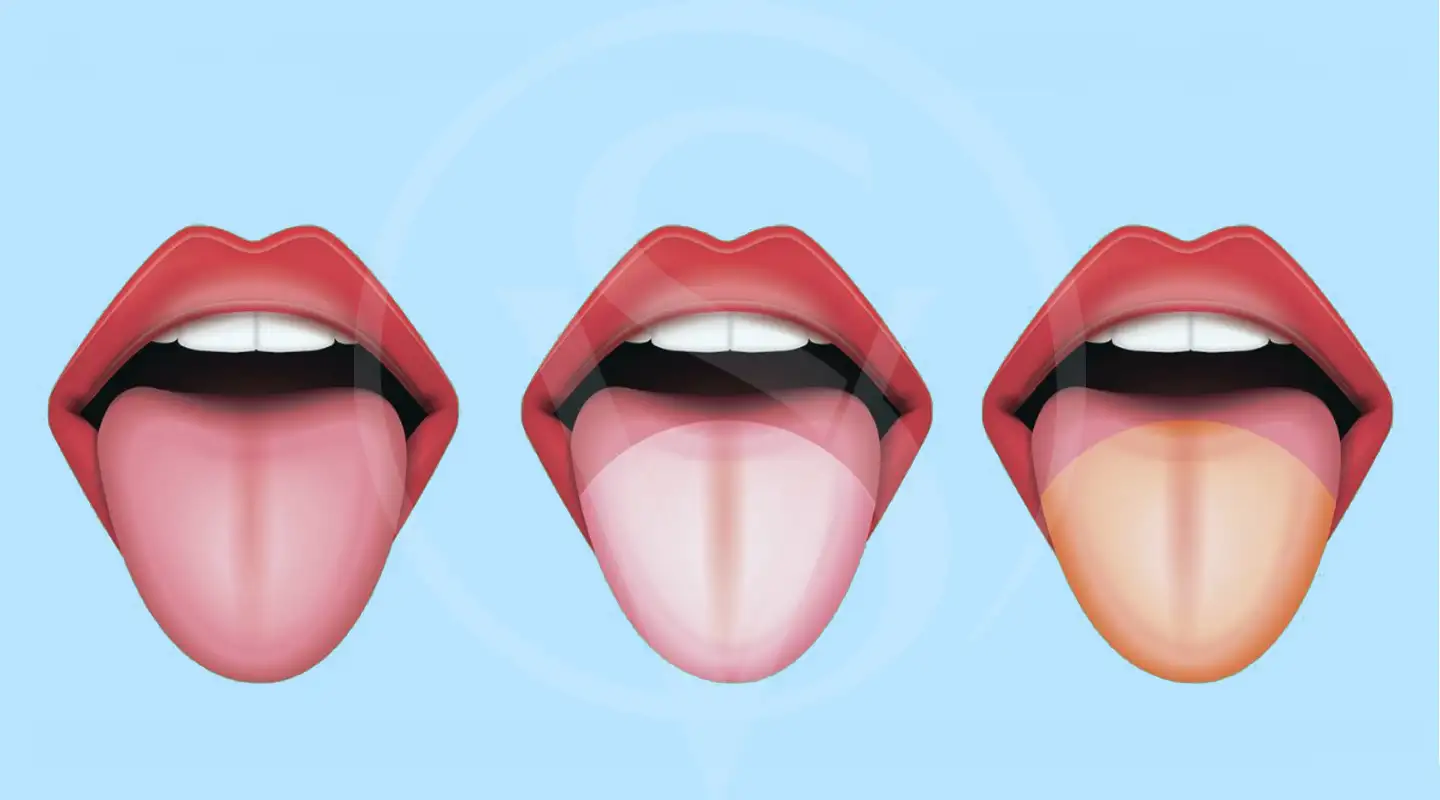
Let’s not beat around the bush here. A healthy tongue should be pink, moist, and slightly bumpy from those little taste buds (papillae). Anything outside this norm might warrant a closer look. If your tongue’s trying to send you some signals with strange colors or textures, it might be time to give it the attention it deserves.
How Tongue Color Can Speak Volumes about Your Health
Your tongue isn’t just there to help you taste your favorite foods—it’s practically a billboard for your health. Tongue color can signal when something’s not quite right, from vitamin deficiencies to serious health issues.
Let’s break it down (and yes, some of this might raise an eyebrow or two):
Pinkish-Red: The Gold Standard
This is what you want—a nice, healthy pinkish-red tongue means everything is as it should be. You’re good to go! Keep brushing and flossing, and you’re golden. But, if your tongue is anything other than this healthy hue, it might be time to investigate further.
Pale or White: Is Something Missing?
If your tongue is looking a little pale or white, it could be a warning sign of iron deficiency or something simpler like dehydration. Now, if your tongue starts to resemble a slice of bread with a white coating, you’re not just dehydrated—you might have oral thrush (a yeast infection in your mouth) or some other infection. Better check that out!
Bright Red: Don’t Ignore the Warning Signs
Seeing a bright red tongue could be your body’s way of waving a red flag—literally. This may indicate vitamin deficiencies, particularly in B12 or folic acid. Occasionally, it could also signal scarlet fever or another infection. Bottom line: if your tongue’s turning crimson without a good excuse, consider a trip to the doc.
Purple or Blue: Something’s Not Right
You didn’t just eat a purple popsicle, did you?
A purple or bluish tongue can point to circulatory problems, meaning your blood isn’t delivering enough oxygen to the tissues. This is something you don’t want to ignore. In extreme cases, it could also mean respiratory issues. If you spot this color, get checked out sooner rather than later.
Surface Check: Is Your Tongue Feeling a Little Too Smooth?
Look, a healthy tongue isn’t supposed to be smooth. If yours feels like a slick pink pancake, something’s up. Those tiny bumps you typically feel aren’t just for texture—they’re vital for tasting and keeping your mouth’s surface in check. So, when they vanish, it’s usually a sign that your body’s missing something important. It’s probably nutrients like iron, folic acid, or vitamin B12.
Why the Papillae Matter
Papillae give your tongue that rough-but-right texture. When they’re MIA, it could be a flashing sign that you’re not absorbing enough nutrients. This can lead to more than just a tongue that feels off; it can affect your overall health, too.
- Lack of iron? Your tongue could be screaming for it by going smooth.
- B12 deficiency? Same story—your tongue may look overly slick.
What your tongue says about your health goes far beyond just how it looks—it’s telling you there’s a deeper issue. Fix the deficiencies, and your tongue might just get back to normal.
Signs of an Unhealthy Tongue (When You Should Be Concerned)
- Overly smooth tongue: Often due to nutritional deficiencies, especially iron and B12. Addressing this early can help prevent more serious conditions.
- Soreness or inflammation: Sometimes accompanies the smooth texture. This might indicate glossitis, a condition where the tongue becomes inflamed, usually linked to dietary imbalances.
Don’t just brush off these changes. A smooth tongue can be your body’s way of nudging you to get some blood work done. It’s always better to catch nutrient deficiencies early than wait for them to impact other areas of your health.
Are Those Bumps Normal? Understanding Tongue Texture
Your tongue will have some bumps—those are your taste buds doing their job, and yes, that’s completely normal! But when the texture feels a little… off, or you start noticing unusual lumps, it’s time to raise an eyebrow.
What’s Normal?
Let’s start with the basics: a healthy tongue has papillae, those small, fleshy bumps that help with tasting and gripping food. These are supposed to be there, and without them, life would be way more bland (literally).
When to Be Concerned
However, not all bumps are created equal. Some might be trying to tell you something’s not right. Here’s what you need to know:
Painful Bumps?
You might be dealing with canker sores or even oral lichen planus, an inflammatory condition that causes white patches or sore spots. These are uncomfortable but treatable.
Black, Hairy Tongue?
Yes, you read that right—black and hairy. It’s usually harmless but, let’s face it, not pretty. This condition, often due to poor oral hygiene or smoking, is caused by a buildup of dead skin cells on your papillae. It looks gnarly, but you can tackle it with good oral care habits.
White Coating on the Tongue: What’s Hiding under There?
You’re brushing your teeth like a pro, but have you taken a peek at your tongue recently?
If you notice a white coating that’s sticking around longer than an uninvited guest, it’s time to pay attention. While a thin, translucent layer on your tongue is normal (we’re all human, after all), a thick white coating is waving a red flag that something might be up.
White Coating on Tongue Causes: What’s to Blame?
Before you start googling rare diseases, let’s break down the most common culprits behind that pesky white layer:
Oral Thrush
Sounds harmless, right? Wrong.
This fungal infection, caused by an overgrowth of yeast (specifically Candida), can leave a stubborn white coating on your tongue. And no, it’s not just for babies—adults can get it too, especially if your immune system is compromised.
Poor Oral Hygiene
Neglect your tongue, and it’ll show. A lazy oral hygiene routine can cause dead cells, bacteria, and food debris to accumulate, forming that white coating you’re seeing. Yes, brushing and flossing are great, but don’t leave your tongue behind.
Dehydration
Not drinking enough water can lead to a dry mouth, and with dryness comes a build-up of dead cells on your tongue. Staying hydrated is not just for your skin—it keeps your tongue looking fresh, too.
Oral Hygiene for a Healthy Tongue: How to Scrape Away the Problem
A toothbrush alone can only do so much. For optimal oral hygiene, especially if that white coating is overstaying its welcome, consider using a tongue scraper. These little tools are designed to remove bacteria, dead cells, and food remnants from the surface of your tongue, keeping it clean and pink.
When to See a Professional
While a tongue scraper and proper hydration can usually do the trick, if the white coating persists or worsens, it’s time to book a dental or medical check-up. Lingering coatings could point to something more serious, like oral thrush or even a vitamin deficiency. As much as we’d love for everything to be fixed by a good scrub and some water, sometimes your body is trying to tell you something more.