
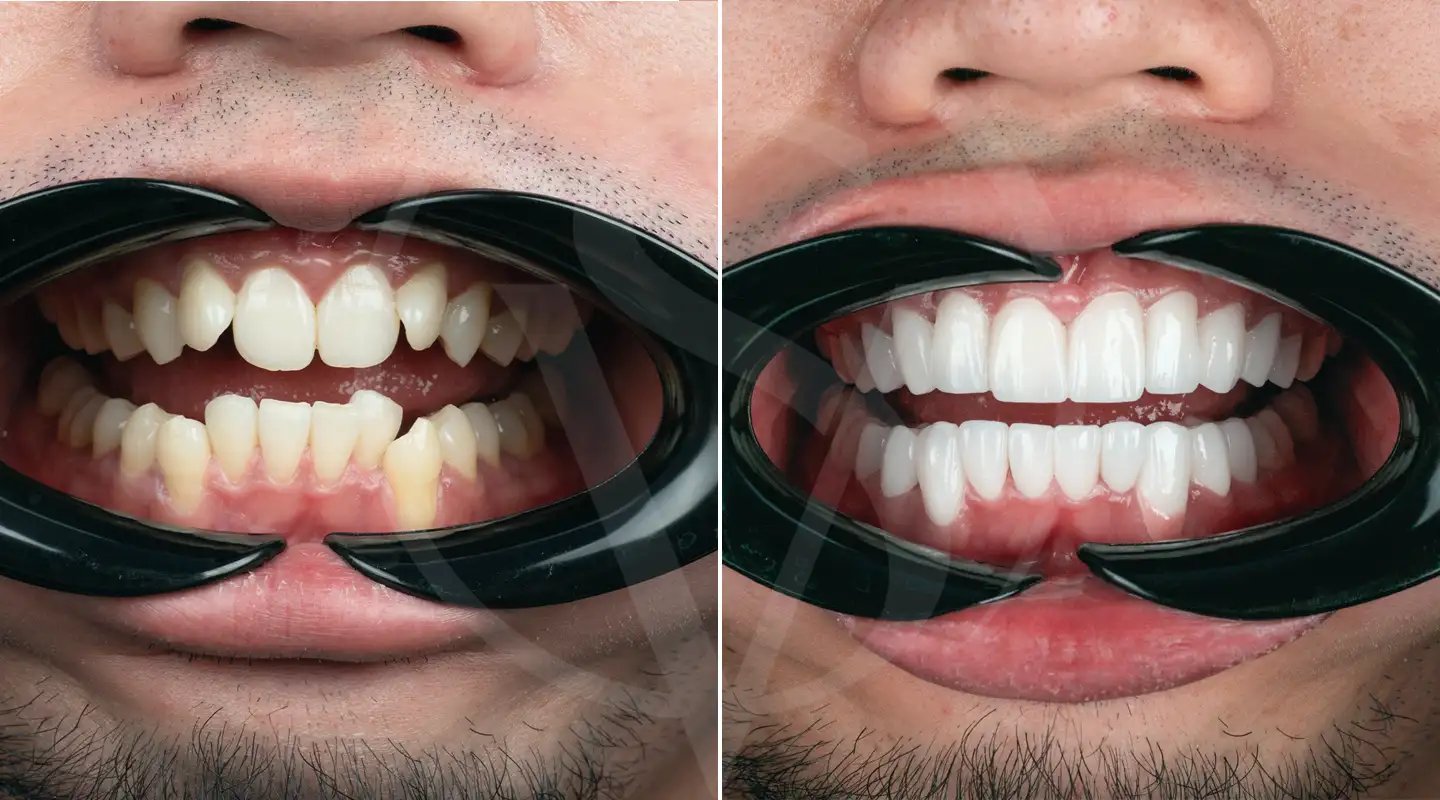
Most people think porcelain veneers are a one-way ticket to a flawless smile, but dentists don’t always tell you everything. Sure, they look great on the surface, but are they right for you?
The truth is, porcelain veneers aren’t for everyone, and jumping in without the facts could leave you with more than just a pretty bill. From the cost breakdown to whether they actually last as long as promised, we’re discussing what dentists often leave out.
So, if you’ve ever wondered whether porcelain veneers are your smile’s soulmate or just a fling, let’s cut to the chase and see if you’re really a candidate.
What Exactly Are Porcelain Veneers (And Why You Should Care About More Than Just Looks)?
Porcelain veneers might seem like the cosmetic fix everyone’s talking about, but they’re not just about a dazzling smile. These thin shells of medical-grade ceramic are bonded to the front of your teeth to cover up imperfections like chips, gaps, or discoloration that refuse to budge with whitening treatments. But the porcelain veneers procedure is far from a one-size-fits-all solution.
While they look great on Instagram, veneers are a serious commitment. Teeth are permanently altered, and your long-term dental health should be priority number one. So, before diving in, it’s worth knowing exactly what you’re signing up for—and what dentists may not be shouting from the rooftops.
Are You a Candidate for Porcelain Veneers?
Porcelain veneers aren’t a magic wand for every dental problem, no matter how tempting that may sound. Yes, they can work wonders for chipped or discolored teeth, but if you’re hoping they’ll fix deep-rooted dental issues, think again. Porcelain veneers are ideal for people with generally healthy teeth who are simply looking to enhance their smile—not overhaul it.
Got a cracked tooth? They’re great.
Think veneers will solve your nightly tooth-grinding habit? You’ve got another thing coming.
To be an ideal candidate for porcelain veneers, you need a solid foundation—good dental health, no major alignment issues, and no underlying decay. If your teeth are strong and healthy, veneers can cover up stains that bleaching won’t budge or fix chips that make you self-conscious. But they aren’t a cure-all for every dental woe.
Yes, people often assume porcelain veneers can “fix” their entire mouth—but that’s wrong. Porcelain veneers work best when there’s something small to tweak, like chipped teeth or stubborn stains that have survived rounds of whitening. If you’re dreaming of that porcelain veneers before and after transformation, make sure your teeth can handle the procedure.
The Real Cost of Porcelain Veneers – How Turkey Stacks Up Against the UK, USA, and More
Look, porcelain veneers in Turkey are cheaper, way cheaper. But before you jump on that plane, let’s talk about the real deal behind those prices.
In Turkey, you might pay as little as $200 per tooth, compared to the $1,000–$2,500 price tag you’ll find in the UK or USA. Sounds like a steal, right?
Well, you’re not just paying for a perfect smile; you’re paying for expertise, aftercare, and, let’s be real, peace of mind. Just make sure you choose one of the best dental clinics in Turkey. And we are here to help you do just that, read on: 6 Factors To Consider Before Choosing a Dental Clinic In Turkey
| Country | Price per Veneer (USD) | Pros | Cons |
| Turkey | $200–$600 | Affordable, skilled professionals | Travel costs, potential quality issues |
| UK | $1,000–$2,500 | High-quality materials, local care | Expensive |
| USA | $1,000–$2,500 | Advanced technology, top dentists | Very expensive |
How Long Do Porcelain Veneers Really Last? (It’s Not Forever)
Porcelain veneers aren’t the forever kind of love. In fact, the average lifespan of porcelain veneers is around 10 to 15 years, but here’s the twist: their longevity depends on more than just the material. Maintenance, lifestyle, and, yes, even your brushing habits play a huge role in how long these little porcelain wonders stick around.
Proper porcelain veneers maintenance is crucial. Neglect them, and you’ll be saying goodbye to that dazzling smile sooner than you’d think. If you’re prone to teeth grinding or love to snack on hard foods, don’t be surprised if your porcelain veneers take an early retirement. Regular check-ups and a proper oral care routine can extend their life, but remember—they’re not built to last forever.
Porcelain Veneers vs. Composite Veneers – Which Should You Choose?
When it comes to veneers, porcelain wears the crown for a reason. But before we say which is best for you, let’s get one thing straight: both options have their pros and cons, and it’s not a one-size-fits-all deal.
Here’s what your dentist for porcelain veneers might not mention right away.
Durability? Porcelain Wins, Hands Down
Porcelain veneers can last 10-15 years, sometimes longer with good care. But for composite veneers, you’re looking at about 5-7 years—great if you want a short-term fix, but not so hot for long-term commitment. In other words, if you’re in it for the long haul, porcelain veneers clearly take the cake.
Cost? Composite Might Tempt You
There’s no sugarcoating this one—porcelain veneers are pricier. On average, they’ll set you back more than composites, but you get what you pay for. Composite veneers are cheaper upfront, but with frequent replacements, are they really the bargain they seem?
Appearance? Porcelain Has the Upper Hand
Porcelain veneers are known for their natural, translucent finish that mimics real teeth. Composite veneers can look good but tend to wear down and stain more easily over time. If you want a smile that stays camera-ready, porcelain veneers are the better investment.
So, while both have their place, for durability, appearance, and long-term value, porcelain veneers often take the lead in the popularity contest.
Read more: What’s with all the ‘Horse Teeth’? Why Do Some Dental Outcomes Look Like a Cartoon Character?
The Hidden Benefits of Porcelain Veneers (Beyond Just Aesthetics)
Sure, porcelain veneers might give you that red-carpet-worthy smile, but if you think it’s all about looks, you’re missing out on some real perks.
One of the lesser-known porcelain veneers pros is, they can actually improve how you chew. Yep, porcelain veneers don’t just fix your smile—they help your bite, making meals a lot more comfortable. And if you’ve been dealing with TMJ symptoms or teeth grinding, porcelain veneers can bring some much-needed relief by improving the alignment of your teeth.
Another bonus: Porcelain veneers also boost self-confidence. Studies have shown that people who feel better about their smiles tend to smile more—no surprise there! And let’s face it, that kind of confidence doesn’t come with a price tag.
Are There Downsides to Porcelain Veneers?
Let’s be honest—porcelain veneers may not be the forever kind of love you’re hoping for. Sure, they’ll give you that Hollywood smile, but here’s what dentists might not tell you upfront: there’s no turning back once those pearly whites are on. One of the most significant porcelain veneer cons is that the process is irreversible.
Read more: No-Prep Veneers: Are We Cutting Corners or Cutting Edge?
Your natural enamel is filed away for good. And while that new smile looks stunning, teeth sensitivity often comes as part of the package.
Oh, and let’s not forget about maintenance. Veneers aren’t a one-and-done deal. They may need replacing in 10–15 years, and that can get costly. So, while they’re aesthetically pleasing, the long-term upkeep is something you’ll want to budget for.
Maintaining Your Porcelain Veneers – What Dentists Forget to Tell You
Porcelain veneers may look effortlessly stunning, but the secret to keeping those pearly whites pristine is in the details—details your dentist might not spell out.
First off, porcelain veneers aren’t immune to the effects of coffee, wine, or, let’s face it, your late-night snack habits. Daily care is a must, and that means brushing with a non-abrasive toothpaste and flossing like you mean it.
Oh, and speaking of snacks—those crunchy ones you love?
Maybe save them for later.
Veneers are tough, but they’re not invincible. Regular dental check-ups with the best dentist for porcelain veneers are non-negotiable if you want your investment to last. According to Dr. Mümin Manassra, professional cleanings every six months are crucial—not just for keeping them clean but for spotting any potential issues before they snowball into something bigger.
Jaw-clenching stress?
Yeah, that’s another thing you’ll want to avoid. Stress wears down your veneers faster than you’d think, and no one’s handing out replacements for free.
So, Are Porcelain Veneers Really Worth It? (Our Honest Opinion)
Porcelain veneers can be a fantastic investment—if you’re the right candidate and prepared for the long haul. On the pros side, they offer a natural look, durability, and the ability to transform everything from chipped teeth to deep stains that no amount of whitening will touch. But let’s not forget the cons: the procedure is irreversible (yep, once they’re on, there’s no turning back), and the cost can be significant, especially when comparing regions like the UK or USA with the more affordable Turkish market.
So, are they worth it?
Absolutely—if you’re ready to commit like you would to a relationship, not just a fling.