
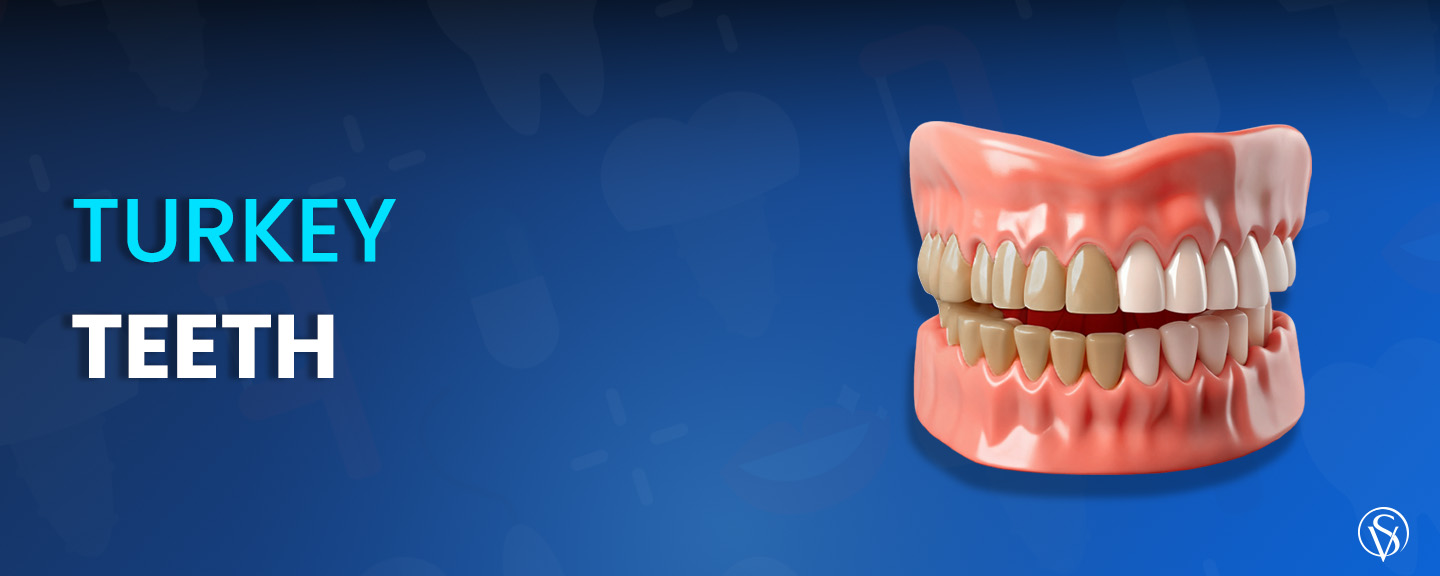
“Turkey teeth” is a non-clinical term used online to describe cosmetic dental treatments carried out in Turkey. It is not a recognised dental procedure and it does not appear in medical guidelines, textbooks, or treatment plans. The phrase was created by patients and social media, not by dentists.
In real dental practice, “Turkey teeth” refers to cosmetic restorations placed on visible teeth, such as veneers, crowns, or full smile makeovers. These treatments are legitimate and widely used worldwide, but grouping them under one label creates confusion. Each option involves different levels of tooth preparation, different materials, and different long-term implications for oral health.
The term gained popularity as Turkey became a major destination for cosmetic dentistry. Lower operating costs, experienced clinicians, and short treatment timelines made these procedures more accessible, and the label spread quickly online. Over time, it began to describe both good and bad outcomes, without explaining what treatment was actually performed.
From a dental perspective, there is no single “Turkey teeth” method. Outcomes depend on case selection, planning, material choice, and how much natural tooth structure is preserved. Understanding what the term really refers to is the first step to separating social media narratives from clinical reality.
What Do Dentists Actually Mean When They Say “Turkey Teeth”?
Dentists do not use the term “Turkey teeth” in clinical practice. It is not a diagnosis, a technique, or a treatment category. The phrase is a social label, created online, to describe cosmetic dental work carried out in Turkey. Removing the stigma starts with separating the label from the dentistry itself.
Clinically, what people call “Turkey teeth” refers to veneers, dental crowns, or full-mouth restorations performed for aesthetic reasons. These are established treatments used worldwide, each with different indications, preparation levels, and long-term effects on natural teeth. Lumping them together under one name hides those differences and leads to misunderstanding.
The term became popular because it simplifies a complex subject into a single idea that is easy to share on social media. Over time, it has been used both to praise dramatic smile changes and to criticize poorly planned cases. Neither use explains what treatment was actually done or whether it was appropriate for the patient.
From a dental perspective, reframing the term matters. There is no “Turkey teeth procedure.” There are only specific treatments chosen for specific mouths. Understanding that distinction helps patients judge results based on planning, tooth preservation, and function, rather than a label tied to a country.
Why “Turkey Teeth” Is Not a Medical Term
“Turkey teeth” does not appear in dental textbooks, clinical guidelines, or treatment classifications because it describes a location, not a procedure. Medical terminology is based on anatomy, materials, and techniques. A phrase that groups multiple treatments under a country name has no clinical value.
In dentistry, treatments are defined by what is done to the tooth. Veneers, crowns, and full-mouth restorations each follow different biological rules, preparation depths, and bonding methods. Calling all of them “Turkey teeth” removes these distinctions and makes it harder to assess risk, longevity, and reversibility.
Dentists avoid the term because it misleads patients. Two people described online as having “Turkey teeth” have undergone entirely different procedures with very different long-term outcomes. For clinical decision-making, the focus must always remain on the treatment type and tooth condition, not on where the treatment was performed.
What Treatments Are Commonly Labeled as “Turkey Teeth”?
The term “Turkey teeth” is used as if it describes one specific procedure. In reality, it is a broad label applied to several different cosmetic dental treatments. Each option involves a different level of tooth preparation, risk, and long-term maintenance, which is why understanding what the term actually covers is important.
- Veneers: Thin restorations bonded to the front surface of teeth to improve color, shape, or minor alignment issues. When planned conservatively, veneers preserve most natural enamel and are commonly used in cosmetic smile makeovers.
- Dental Crowns: Full-coverage restorations that require reshaping the entire tooth. Crowns are indicated for weakened or heavily restored teeth but are sometimes used for cosmetic speed, which increases risk when placed on healthy teeth.
- Full-mouth Restorations: Comprehensive treatments combining multiple crowns, veneers, or implant-supported bridges to rebuild both appearance and bite function. These cases are complex and require detailed planning and long-term follow-up.
Using one label for all of these treatments creates confusion. The clinical impact depends on which procedure is chosen, not on the country where it is performed.
Why the Same “Turkey Teeth” Can Look Natural on One Person and Fake on Another
Results labeled as “Turkey teeth” look very different from one patient to another. The main reason is not the dentist or the material, but individual anatomy and planning. The same treatment appears natural on one person and artificial on another because the mouth and face do not follow a standard template.
- Face Shape: Tooth width, length, and curvature need to match facial proportions. Teeth that suit a wider face may look oversized or flat on a narrower face when standard shapes are used without adjustment.
- Lip Mobility: Some patients show more teeth and gum when smiling or speaking. If lip movement is not considered during planning, teeth can appear too long, margins may show, or the smile can look unnatural in motion.
- Enamel Thickness: Thicker enamel allows more conservative treatment. Patients with thin enamel have limited space for restorations. Ignoring this leads to bulky-looking teeth that lack natural depth.
- Bite Dynamics: Strong bite forces or grinding habits affect how teeth should be shaped and which materials are suitable. When function is overlooked, restorations wear unevenly or fail, changing their appearance over time.
Natural-looking results come from planning around the patient’s anatomy and function, not from applying the same aesthetic formula to every case.
Why Did “Turkey Teeth” Get a Bad Reputation Online?
The negative image of “Turkey teeth” did not develop from everyday clinical results. It formed online, shaped by a small number of highly visible cases. These examples spread quickly on social media and began to define public perception.
- Rushed Treatment Timelines: Some cases are completed too quickly to meet travel schedules. When planning and diagnostics are shortened, tooth preparation can become more aggressive, increasing the risk of unnatural results.
- Aggressive Crown Preparation: In many viral cases, healthy teeth are reshaped for full crowns instead of veneers to save time. This removes more natural tooth structure and raises long-term risk, making these cases stand out negatively.
- Influencer-Driven Aesthetics: Content creators choose very white shades and uniform tooth shapes because they look striking on camera. These choices appear artificial in real life and age poorly over time.
- Lack of Aftercare: When patients return home without clear maintenance guidance or follow-up support, small issues can develop into visible problems, reinforcing negative narratives online.
These factors explain why the reputation formed. The issue is not the country, but how certain cases are planned, executed, and maintained.
Veneers vs Crowns in Turkey Teeth Cases: Where Do Most Mistakes Happen?
In cases labeled as “Turkey teeth,” most problems come from choosing the wrong treatment, not from the country or the material used. Veneers and crowns have different purposes, but they are sometimes applied interchangeably to save time, which increases long-term risk.
Crowns are intended for structurally weakened teeth, such as those with large fillings, cracks, or prior root canal treatment. When crowns are placed on healthy teeth for cosmetic reasons, unnecessary tooth structure is removed. This preparation is irreversible and raises the risk of sensitivity and future dental issues.
Veneers are not suitable for every case. Teeth with thin enamel, strong bite pressure, or significant misalignment may not support veneers over time. When these limits are ignored, veneers can fail early through chipping or detachment.
Once tooth structure is removed, it cannot be replaced. For this reason, correct treatment selection matters more than speed or appearance. Long-term success depends on matching the procedure to the tooth’s biological limits, not on a one-size-fits-all approach.
What Clinics Don’t Control in Turkey Teeth Results
Even with good planning and skilled execution, clinics cannot control every factor that affects how “Turkey teeth” look and perform over time. Some of the most important influences sit with the patient, not the dentist. Ignoring this creates unrealistic expectations about responsibility and outcomes.
- Bruxism and Bite Habits: Teeth grinding and clenching place constant stress on restorations. Patients with untreated bruxism experience chipping, wear, or fractures regardless of material quality. Night guards and bite management play a major role in protecting results.
- Smoking and Staining Habits: Smoking affects gum health and color stability. It increases the risk of inflammation and recession, which can expose restoration margins and change how teeth look over time. Heavy coffee, tea, or tobacco use affects surface appearance.
- Oral Hygiene Consistency: Cosmetic restorations still rely on healthy gums and clean margins. Inconsistent brushing, flossing, or professional cleaning allows plaque buildup around restorations, leading to gum problems that alter aesthetics and longevity.
- Unrealistic Shade Requests: Extremely white shades look striking at first but appear artificial in daily life and age poorly as facial features change. Shade selection is a shared decision, but the long-term visual impact depends on patient preference as much as clinical advice.
Natural, lasting results depend on cooperation. Clinics plan and place restorations, but patients control many of the factors that determine how those results hold up over time.
How Long Turkey Teeth Actually Last?
The lifespan of treatments labeled as “Turkey teeth” is overstated online. In reality, how long results last depends on the type of restoration, how it was prepared, and how it is maintained, not on promotional promises.
Veneers last 10–15 years when bonded to healthy enamel and cared for properly. They tend to fail earlier when placed on thin enamel, exposed to heavy grinding, or maintained poorly. Chips and debonding are the most common issues over time.
Dental crowns last 12–20 years, depending on tooth condition and bite forces. Crowns placed on structurally compromised teeth are durable, but crowns placed unnecessarily on healthy teeth carry higher long-term biological risk, even if the crown itself survives.
Full-mouth restorations vary the most. Implant-supported or multi-unit cases function well for 15 years or more, but they require consistent aftercare, professional maintenance, and sometimes component replacement. Teeth, gums, and bite dynamics continue to change, even when restorations do not.
Marketing numbers assume ideal conditions. In real life, bruxism, smoking, oral hygiene, and follow-up care play a larger role in longevity than the country where treatment was done.
Why Do Ultra-White Teeth Age Worse?
Ultra-white shades are popular online because they look dramatic in photos, but they age poorly in real life. This topic is rarely discussed because it conflicts with short-term cosmetic appeal, yet it has a real impact on long-term appearance.
- Skin Tone Contrast: Very bright shades create a sharp contrast with natural skin tones. As skin changes with age, this contrast becomes more obvious, making teeth look artificial rather than youthful.
- Gum Changes Over Time: Gums naturally recede with age. When recession occurs around ultra-white restorations, margins become more visible and the color difference stands out, drawing attention to the dental work.
- Lighting vs Daily Life: Extreme white shades are chosen under clinic lighting and look striking on camera. In normal indoor or outdoor light, they appear flat and unnatural, during speech and facial movement.
- Aging of Facial Features: Teeth do not age in isolation. Softer, natural shades tend to blend better as facial features change, while ultra-white teeth remain visually fixed and look out of place over time.
Natural-looking results come from shade choices that balance brightness with realism. While ultra-white teeth look impressive at first, they sacrifice long-term harmony for short-term impact.
What Happens If Turkey Teeth Need Fixing Years Later?
Cosmetic dental work does not last forever, regardless of where it is done. When treatments commonly labeled as “Turkey teeth” need attention years later, the options depend on the original procedure, the materials used, and how much the natural tooth was altered.
- Retreatment and Repair: Minor issues such as small chips, surface wear, or bite adjustments managed by a local dentist. More complex problems, such as fractured restorations or decay under crowns, require replacement rather than repair, especially if tooth structure was heavily reduced.
- Compatibility With UK and US Dentists: Most veneers and crowns placed in Turkey use internationally recognised materials and bonding systems. This means UK and US dentists work on them if needed. Some dentists are cautious about taking responsibility for work they did not place, which affects cost and availability of follow-up care.
- Warranty Limits: Warranties offered by clinics cover material or bonding defects for a limited period and require the patient to return to the original clinic. They do not cover normal wear, accidents, grinding, or changes in oral health. Understanding these limits helps set realistic expectations.
Long-term planning matters. Knowing how future repairs are handled is part of deciding whether a cosmetic treatment makes sense, not just how it looks at placement.
Who Should Avoid Turkey Teeth?
Not every patient is a good candidate for cosmetic treatments labeled as “Turkey teeth.” The following groups face higher risk and should proceed with caution.
- Untreated Gum Disease: Active gum infection or inflammation increases the risk of recession, poor healing, and early restoration failure.
- Severe Teeth Grinding (Bruxism): Constant clenching or grinding places excessive force on restorations, increasing the chance of chipping, cracking, or debonding.
- Very Thin Enamel: Limited enamel reduces bonding strength and space for restorations, leading to sensitivity or bulky-looking results.
- Heavy Smoking Habits: Smoking affects gum health and stain resistance, increasing long-term maintenance needs and aesthetic changes.
- Unrealistic Aesthetic Expectations: Requests for extremely white or oversized teeth age poorly and rarely deliver lasting satisfaction.
Are Turkey Teeth Really More Affordable?
Dental treatment in Turkey appears more affordable not because quality is reduced, but because the pricing model is structured differently from that of Western clinics. Rather than charging separately for every step, Turkish clinics commonly bundle costs into a single treatment package that includes consultations, 3D imaging, surgery, temporary restorations, and final crowns. This approach removes many of the add-on fees that inflate prices elsewhere.
Lower operational overhead plays a major role. Clinic rent, staff wages, and laboratory production costs are significantly lower than in the UK, EU, or US, allowing clinics to offer the same procedures at reduced prices without cutting clinical standards. Importantly, reputable clinics in Turkey use the same implant brands and materials found internationally, including premium systems and certified zirconia restorations, meaning material quality is comparable.
Turkey’s dental pricing reflects efficiency, scale, and bundled care rather than a “cheap dentistry” model, which is why patients pay less for the same clinical components and long-term outcomes.
What Questions Do Dentists Ask Themselves Before Approving a Turkey Teeth Case?
Before agreeing to a full veneer or crown case labelled as “Turkey teeth,” experienced dentists assess far more than aesthetics. The decision is driven by biological safety, long-term function, and reversibility, not speed or appearance alone.
- How Much Healthy Enamel is Available?
Dentists evaluate enamel thickness because strong bonding depends on it. Over-preparation removes protective enamel and increases the risk of sensitivity, decay, and future failure. - Can the Patient’s Bite Forces be Safely Managed?
High bite force, clenching, or grinding can fracture veneers or crowns. Dentists assess occlusion, muscle strength, and bruxism risk to determine whether restorations will survive long term. - Are the Margins Biologically Safe?
Poorly placed or aggressive margins increase the risk of gum inflammation, recession, and secondary decay. Dentists check whether margins remain clean, accessible, and healthy over time. - Is the Treatment Reversible If Something Goes Wrong?
A key clinical question is whether future repairs can be made conservatively. Irreversible preparation limits retreatment options and leads to crowns or implants earlier than necessary. - Does the Case Truly Require Crowns or Veneers?
Ethical clinicians ask whether whitening, orthodontics, or minimal-prep veneers could achieve the same result with less risk to natural teeth.
Can Turkey Teeth Be Done Conservatively?
Turkey teeth can be done conservatively, but only in carefully selected cases where enamel thickness, bite forces, and tooth position allow it. When planned correctly, veneer preparation is limited to around 0.3–0.5 mm of enamel, preserving tooth vitality and enabling strong, long-lasting bonding. True no-prep veneers are possible only for specific cases, such as small, spaced, or retruded teeth, and are not suitable for everyone. In patients with crowding, heavy bite pressure, or the need for major colour change, deeper preparation or full crowns are required to ensure durability and function. The key factor is not the location of treatment, but whether enamel preservation and long-term oral health are prioritised over speed or cosmetic marketing.