
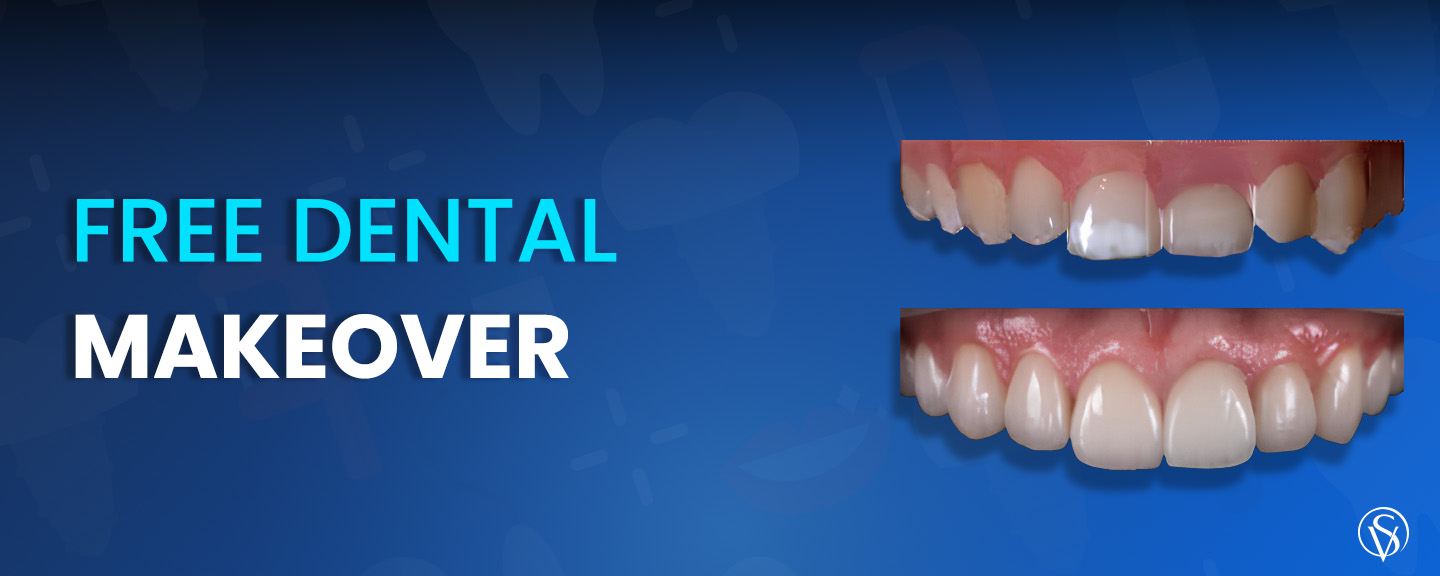
A free dental makeover sounds unrealistic in an industry known for high treatment costs and complex procedures. Many people assume the phrase hides hidden fees, reduced quality, or misleading advertising. That assumption exists because most explanations remain incomplete or intentionally vague.
A free dental makeover is not a universal offer and not a cosmetic shortcut. It is a case-based clinical decision made by dental clinics under specific conditions. Selection follows medical, aesthetic, and documentation criteria, not chance or generosity alone.
This article explains how free dental makeovers work, who qualifies, what treatments are included, and which details clinics rarely explain publicly. The focus stays on transparency, clinical reality, and informed decision-making.
What Is A Free Dental Makeover?
A free dental makeover is a structured cosmetic treatment plan provided without professional fees under defined clinical and documentation conditions. It is not a single universal offer. Clinics use different models depending on purpose, educational value, and visibility goals, which explains why experiences vary widely between patients.
Some free dental makeovers exist as promotional cases, where a clinic selects a patient whose transformation demonstrates aesthetic expertise and treatment planning. These cases support portfolio development and public education, with treatment delivered under the same clinical standards as paid cosmetic care.
Other free dental makeovers function as educational or training cases, supervised by experienced dentists and used to refine advanced techniques or multidisciplinary workflows. Selection focuses on case complexity, oral health stability, and patient compliance, not convenience.
A third category involves media or social campaigns, where clinics document the full transformation for public platforms. These cases prioritize visual impact and narrative clarity, requiring patient consent for photography and progress documentation throughout treatment.
Free dental makeovers also differ by coverage scope. Some plans include only specific cosmetic procedures, while others cover a complete aesthetic phase defined in advance. Surgical interventions, laboratory-intensive components, and long-term maintenance remain excluded unless explicitly stated. Clear classification of these models prevents misunderstandings and reflects how clinics actually operate.
What Does “Free” Actually Mean in a Free Dental Makeover?
The term “free” refers specifically to waived professional fees for approved cosmetic procedures within a defined treatment plan. It does not eliminate all costs. Laboratory fees for custom restorations, premium material upgrades, advanced imaging beyond standard diagnostics, and sedation services remain separate expenses in most programs.
Patients cover preliminary treatments required to establish oral health stability. Periodontal therapy, extractions, root canals, and structural repairs fall outside the free makeover scope because they address medical necessity rather than aesthetic transformation. These preparatory procedures cost €800-3,500 depending on complexity and regional pricing.
Follow-up maintenance, adjustments after the warranty period, and replacement of worn restorations also require payment. A free dental makeover addresses the initial transformation, not lifelong dental care. Annual check-ups, professional cleanings, and minor repairs follow standard fee schedules once the documented treatment phase concludes.
The distinction matters because many patients assume “free” means zero financial obligation. Clinics that explain cost boundaries upfront demonstrate professionalism and prevent disappointment. Those that obscure these details create distrust and damaged reputations once patients encounter unexpected charges.
How a Free Dental Makeover Differs From Paid Smile Makeovers
At first glance, free and paid smile makeovers appear identical in outcome, but the experience, structure, and level of patient control differ significantly. Understanding these differences helps set realistic expectations and prevents misunderstandings before treatment begins.
Below is a clear comparison outlining where free dental makeovers and paid smile makeovers diverge, and where they do not.
- Autonomy: Paid smile makeovers offer full patient control over timing, materials, and treatment decisions. Free dental makeovers follow predefined clinical and documentation structures set by the clinic.
- Privacy: Paid treatments include complete privacy with no photography or media use. Free makeovers require mandatory photos, videos, and case documentation.
- Material Choice: Paid cases allow unrestricted material selection, including premium options. Free programs use clinically reliable standard materials, with upgrades excluded unless paid separately.
- Eligibility: Paid makeovers accept any patient with adequate oral health and budget. Free makeovers are highly selective ( rejecting 70%+ of applicants) based on aesthetic impact, case complexity, and documentation value.
- Timeline: Paid cases follow the patient’s schedule. Free makeovers follow the clinic’s timeline, accommodating teaching, documentation, and staff availability.
- Clinical Team: Paid treatments involve only the necessary clinicians. Free makeovers may include observers, photographers, or marketing staff documenting each stage.
- Quality of Care: In ethical programs, treatment quality remains the same. The same materials, techniques, and safety standards apply. Differences affect flexibility, privacy, and control, not medical outcomes.
What Types of Free Dental Makeovers Are Available?
Free dental makeovers are not offered under a single model. Clinics use different formats depending on clinical goals, educational value, and visibility requirements. Understanding these categories helps explain why eligibility, treatment scope, documentation, and time commitment vary so widely between programs.
- Promotional Dental Makeovers: Used by clinics to document strong before-and-after results for marketing and education. Selection favors cases with clear visual improvement. Documentation and public consent are required. Treatment focuses on 6–10 front teeth, with longer timelines than paid cases.
- Educational / Training-Based Makeovers: Provided through dental schools or advanced training programs under supervision. Selected for learning value and involve more complex cases. Treatment progresses slowly, and patients pay only laboratory and material fees.
- Media, Social, or Influencer Campaign Makeovers: Designed for public storytelling through media or social platforms. Selection prioritizes narrative appeal and visibility. Documentation is extensive, and treatment scope depends on sponsorship level. Time commitment is high.
- Partial vs Full Dental Makeovers: Partial makeovers focus on the most visible front teeth using cosmetic treatments. Full makeovers involve multiple arches, specialists, and long timelines. Because of high costs, truly comprehensive full-mouth makeovers are rarely free.
Why Would a Clinic Offer a Dental Makeover for Free?
Dental clinics provide free dental makeovers for strategic and clinical reasons that extend beyond short-term revenue. Each case delivers measurable value when aligned with professional goals and long-term practice growth.
- Case Documentation: Free dental makeovers allow clinics to record diagnostics, treatment planning, execution stages, and final outcomes in detail. These records support clinical education, internal review, and transparent patient communication.
- Skill Demonstration: Complex cosmetic cases showcase precision, aesthetic judgment, and interdisciplinary coordination. Documented results communicate expertise more effectively than promotional claims.
- Portfolio Building: Verified before-and-after cases strengthen a clinic’s visual and clinical portfolio. Real outcomes establish trust, support informed decision-making, and influence patient confidence.
- Complex-Case Exposure: Free makeovers give clinics controlled access to challenging cases that require advanced planning and execution. These experiences refine protocols, improve workflows, and elevate clinical standards.
- Long-Term Patient Acquisition: Patients who receive high-quality care develop lasting relationships with the clinic. Ongoing maintenance, referrals, and reputation growth convert a single case into sustained professional value.
What Do Clinics Gain vs What Do Patients Gain from Free Dental Makeovers?
Clinics gain marketing content, portfolio development, skill refinement, and long-term patient relationships worth €15,000-40,000 over multiple years. These returns justify absorbing treatment costs that range €3,500-12,000 for cosmetic makeovers.
Patients gain €5,000-18,000 in waived professional fees, access to advanced cosmetic dentistry they might not otherwise afford, and treatment quality equivalent to paid cases. They invest time in extended appointments, documentation sessions, and promotional activities.
The exchange becomes ethical when both parties understand expectations, boundaries, and obligations. Transparency about photography requirements, treatment limitations, and cost exclusions prevents disappointment and builds mutual respect.
Exploitative programs emerge when clinics conceal material costs, pressure patients into upgrades, or deliver substandard care to “free” cases. Warning signs include vague contracts, rushed consultations, and unwillingness to provide detailed treatment plans before committing.
Who Qualifies for a Free Dental Makeover?
Qualification for a free dental makeover follows clinical and strategic criteria rather than financial need alone. Clinics select patients whose cases support predictable outcomes, educational value, and clear aesthetic improvement.
- Clinical Complexity: Qualified cases present meaningful cosmetic or functional challenges that require advanced planning and coordinated treatment. Complexity creates learning value and demonstrates professional expertise.
- Aesthetic Transformation Potential: Visible contrast between the initial condition and the final result plays a central role in selection. Clear improvement in smile harmony, alignment, or proportion supports documentation and outcome evaluation.
- Oral Health Baseline: Applicants maintain a stable oral health foundation or complete necessary preliminary care before cosmetic treatment begins. Healthy gums, controlled decay, and structural stability protect long-term results.
- Commitment to Follow-Ups: Free dental makeovers require multiple visits, evaluations, and post-treatment checks. Clinics prioritize patients who commit to the full treatment schedule and long-term maintenance.
- Consent for documentation: Approval requires agreement to clinical documentation, including photographs, scans, and progress records. Documentation supports transparency, education, and case verification.
Who Does Not Qualify for a Free Dental Makeover?
Exclusion criteria protect treatment quality, patient safety, and clinical integrity. Clinics decline certain cases not out of preference, but to avoid compromised outcomes and ethical conflicts. Clear boundaries reflect professionalism and accountability.
- Minor Cosmetic Cases: Patients seeking small aesthetic adjustments without meaningful transformation do not meet selection criteria. Free dental makeovers focus on cases where structured treatment produces clear, documented improvement.
- Untreated Advanced Disease: Active periodontal disease, uncontrolled decay, or structural instability disqualifies applicants until medical stability is achieved. Cosmetic treatment without a healthy foundation places results and patient health at risk.
- Non-Compliance Risks: Irregular attendance, poor oral hygiene adherence, or unwillingness to follow post-treatment instructions undermines predictability. Clinics require cooperation to protect outcomes and clinical documentation accuracy.
- Unrealistic Expectations: Requests that conflict with clinical limitations or aesthetic balance lead to exclusion. Ethical dentistry requires achievable goals, informed consent, and alignment between expectations and biological reality.
By defining who does not qualify, clinics demonstrate transparency, safeguard patient welfare, and maintain professional standards, qualities that separate credible programs from misleading promotions.
Why Don’t All Patients Get Approved for a Free Dental Makeover?
Free dental makeover programs are highly selective, with approval rates around 15–30%. Clinics reject most applicants because these programs are limited, resource-intensive, and designed for specific clinical and documentation goals. Most practices complete only 4–8 free makeovers per year, constrained by staff time, laboratory capacity, and documentation scheduling.
Selection favors cases with strong documentation value, such as dramatic visual transformation or educational complexity. Many applicants are declined due to oral health issues requiring extensive preliminary care, which shifts focus away from aesthetic treatment. Clinics also assess patient reliability, rejecting candidates with poor attendance history or limited availability. Budget constraints matter, each free makeover costs clinics €5,000–12,000, limiting how many patients approved regardless of demand.
What Treatments Are Covered in a Free Dental Makeover?
Treatment inclusion depends on the approved transformation plan and documented objectives. Clinics define coverage in advance to maintain clinical clarity and prevent misunderstandings.
- Veneers and Crowns: Cosmetic restorations form the core of many free dental makeovers. Coverage focuses on a limited number of teeth that directly affect smile aesthetics, symmetry, and proportion. Material selection and preparation follow the same standards used in paid cases.
- Orthodontic Components: Some free dental makeovers include orthodontic correction when alignment directly influences the aesthetic outcome. These components address spacing, rotation, or bite presentation within the defined treatment scope.
- Teeth Whitening: Professional whitening plays a central role in smile harmonization and visual balance. It enhances final results and supports consistent shade matching across natural and restored teeth.
- Digital Smile Design: Treatment planning relies on digital analysis, facial measurements, and visual simulations. Digital smile design establishes predictable outcomes and guides every restorative step with precision and transparency.
What Is Almost Never Free in a Dental Makeover?
Despite the term “free,” most dental makeover programs exclude certain treatments and long-term costs. These exclusions are rarely explained upfront, which is why patients feel surprised once treatment planning begins. Understanding what is not included helps set realistic expectations and prevents misunderstandings.
- Dental Implants: Implants exceed free makeover budgets in most programs. A single implant costs €1,700–3,200 per tooth, so patients needing tooth replacement almost always pay separately.
- Bone Grafting or Sinus Lifts: These are surgical, medically necessary procedures, not cosmetic treatments. Costs range from €400–2,800, depending on complexity, and are rarely included in free programs.
- Premium Lab or Material Upgrades: Free makeovers use standard, high-quality materials. Premium options with enhanced translucency or aesthetics require additional fees, €1,500–4,000 for anterior upgrades.
- Sedation or Advanced Anesthesia: Local anesthesia is standard, but sedation is not. Oral or IV sedation adds €200–1,500, depending on the method.
- Long-Term Maintenance and Repairs: Free coverage ends after the initial transformation phase. Future repairs, adjustments, and replacements follow standard fees, with veneer repairs costing €150–500 and replacements €600–1,200 per tooth.
Why a Free Dental Makeover Never Means Zero Value
A free dental makeover still represents substantial real-world value. In private practice, an anterior cosmetic transformation with porcelain veneers, whitening, digital smile design, and professional time costs €8,000–16,000, while more complex or full-arch cases reach €15,000–35,000. These figures reflect actual expenses for materials, laboratory work, equipment use, and clinical time, not inflated pricing.
In free makeover programs, clinics absorb a large portion of these costs, covering 40–60% of the total value by waiving professional fees and paying laboratory expenses that reach several thousand euros. Patients still pay for preparatory care, surgical procedures outside cosmetic scope, sedation, or premium material upgrades, adding €800–4,000, depending on individual needs.
The level of care does not change. The same expertise, planning, technology, and materials are used whether treatment is paid or waived. Advanced equipment, high-quality restorative materials, and years of clinical experience apply equally. Free dental makeovers represent a significant investment by clinics, justified by long-term educational, portfolio, and reputational value, not a reduction in treatment quality.
Is a Free Dental Makeover a Scam?
A free dental makeover is not a scam when clinics are transparent, deliver the same quality of care as paid cases, and honor written agreements. Problems arise when programs hide costs, pressure patients into upgrades, or reduce care quality for “free” cases.
Legitimate programs provide clear treatment plans upfront, detailing what is included, what is excluded, and what documentation is required. Written agreements outline patient obligations such as photography consent and appointment compliance. Ethical clinics use the same materials and techniques as in paid treatments.
Red flags include vague promises, refusal to provide written plans, pressure to sign quickly, unexpected lab or material fees appearing mid-treatment, or noticeably lower treatment quality. In some cases, so-called “free” programs end up costing nearly full market price once hidden fees are added.To protect yourself, research clinic reviews, verify credentials, request a full cost breakdown in writing, and check dental board or professional association records. Walk away from any program that avoids questions, rushes decisions, or makes unrealistic guarantees.
Can a Free Dental Makeover Affect Quality of Care?
In ethical free dental makeover programs, the quality of care does not change. Clinics use the same clinical standards, materials, and treatment protocols as they do for paid cases, because compromised results damage professional reputation and legal accountability.
In many cases, free makeovers receive equal or greater attention. Documentation requirements lead to more detailed planning, additional checks, and stricter execution, as the outcome becomes part of the clinic’s public portfolio.
What does change is flexibility, not quality. Free makeover patients. These constraints affect convenience and privacy, but not safety, outcomes, or clinical integrity.
Quality issues arise only in disreputable programs that use “free” offers to attract patients and then cut corners or pressure upgrades. Verifying materials, requesting written treatment plans, and reviewing past documented cases helps ensure the care provided matches paid standards.
Do Dentists Use Low-Quality Materials for Free Makeovers?
In reputable free dental makeover programs, dentists do not use inferior materials. Clinics rely on the same clinically proven systems used in paid cases because predictable results and long-term performance are essential for reputation and liability.
What may differ is material tier, not quality. Free makeovers include standard, high-quality materials selected for reliability and cost control, while premium aesthetic upgrades are excluded unless the patient chooses to pay for them.
Using low-quality materials would undermine the purpose of a free makeover, which is to create documented results that reflect the clinic’s best work. Ethical clinics avoid this risk and clearly explain material options, limitations, and upgrade paths before treatment begins.
What Happens If Something Goes Wrong After a Free Dental Makeover?
If issues arise after a free dental makeover, responsibility depends on the clinic’s warranty terms and the cause of the problem, not whether the treatment was free. Ethical clinics provide the same post-treatment warranty for free makeovers as they do for paid cases, covering issues related to workmanship or material failure within a defined period.
Problems caused by normal wear, trauma, grinding, or lack of maintenance are not covered and require paid repairs, just as they would after a paid makeover. Long-term care such as professional cleanings, night guards, and follow-up visits remains the patient’s responsibility.
This is why written agreements matter. Patients should receive clear documentation explaining what is covered, for how long, and what voids coverage before treatment begins. Free does not mean unlimited aftercare, but it does not mean reduced responsibility or lower standards from the clinic.
Can I Refuse Photos and Still Qualify for a Free Dental Makeover?
In most free dental makeover programs, refusing photos significantly reduces your chances of approval. Documentation, before-and-after images, is a core reason clinics offer treatment without professional fees. Without it, the case loses much of its educational or portfolio value.
Some clinics allow limited or clinical-only documentation (used internally, not publicly), but availability is rare and selection becomes more competitive. Programs built around marketing, media, or education require full consent for photography and progress documentation as a condition of acceptance.
If privacy is a priority, discuss documentation limits during the initial screening. Clinics that offer flexibility will explain options clearly, but in most cases, photo consent is a key qualification requirement for a free dental makeover.
Is a Free Dental Makeover Ethical in Dentistry?
Yes, a free dental makeover is ethical when it is offered with full transparency, informed consent, and the same standard of care as paid treatment. Ethical programs clearly explain what is included, what is excluded, and what the patient is expected to provide in return, such as documentation or participation.
Problems arise when clinics misrepresent costs, pressure patients into upgrades, or use “free” offers to deliver lower-quality care. Ethical dentistry requires that patients are never misled and that clinical decisions prioritize health, safety, and realistic outcomes over marketing goals.
When expectations are clearly documented and treatment quality remains unchanged, free dental makeovers function as a fair exchange of value, not exploitation. Transparency and patient autonomy determine whether the model is ethical, not the absence of fees.
How Long Does a Free Dental Makeover Take Compared to Paid Ones?
A free dental makeover takes longer than a paid one. While paid smile makeovers follow a streamlined schedule based on patient availability, free programs must accommodate documentation, teaching, and clinic workflow priorities, which extends timelines.
Most paid cosmetic makeovers are completed within 4–8 weeks for straightforward veneer or whitening cases. In contrast, free dental makeovers commonly take 3–6 months, and sometimes longer, due to additional appointments for photography, reviews, approvals, and staged treatment planning.
The difference is not due to slower clinical work or lower priority care, but to added non-clinical steps such as documentation, educational oversight, and scheduling flexibility. Patients considering a free makeover should expect a longer process and be prepared for a less time-controlled timeline than with paid treatment.
Why Some Clinics Call It “Free” but Still Charge Later
Some clinics use the word “free” to describe only part of the dental makeover, the waived professional fees for approved cosmetic procedures. Other necessary costs, such as laboratory fees, preparatory treatments, upgrades, sedation, or long-term maintenance, may not be included unless clearly stated.
Confusion arises when clinics fail to explain these boundaries upfront. Patients assume the entire treatment is cost-free, only to encounter charges later for items that were never part of the free program. This is not always deceptive, but it becomes unethical when exclusions are vague or undisclosed.
Reputable clinics avoid this issue by providing written treatment plans that clearly separate what is free from what is not. When costs appear later without prior explanation, it is due to poor transparency rather than changes in treatment, highlighting why clear documentation matters before committing.
Can Free Dental Makeovers Include Veneers or Crowns?
Yes, in many cases they can. Veneers and crowns are among the most commonly included treatments in free dental makeover programs, especially when they directly improve the visible smile and support clear before-and-after documentation.
Coverage is limited to a specific number of front teeth, most 6–10 units. The exact material type and number of restorations are defined in advance, and premium upgrades require additional payment.
Inclusion depends on case suitability, aesthetic impact, and program scope. While veneers or crowns are frequently part of free makeovers, they are not unlimited and are always restricted to the approved treatment plan.
How to Apply for a Free Dental Makeover
Applying for a free dental makeover starts with submitting an application that includes clear photos of your smile and a brief explanation of your concerns and goals. Clinics then screen applicants through questionnaires and an initial consultation to assess oral health stability, transformation potential, availability, and willingness to participate in documentation. If a case meets the program criteria, the clinic presents a proposed treatment plan outlining what is included, what is excluded, and any documentation requirements.
Response timelines vary depending on program capacity. Some clinics respond within a few days, while competitive programs review applications in batches and may take several weeks. Even after approval, treatment begins later than a paid case due to scheduling, planning, and documentation needs.