
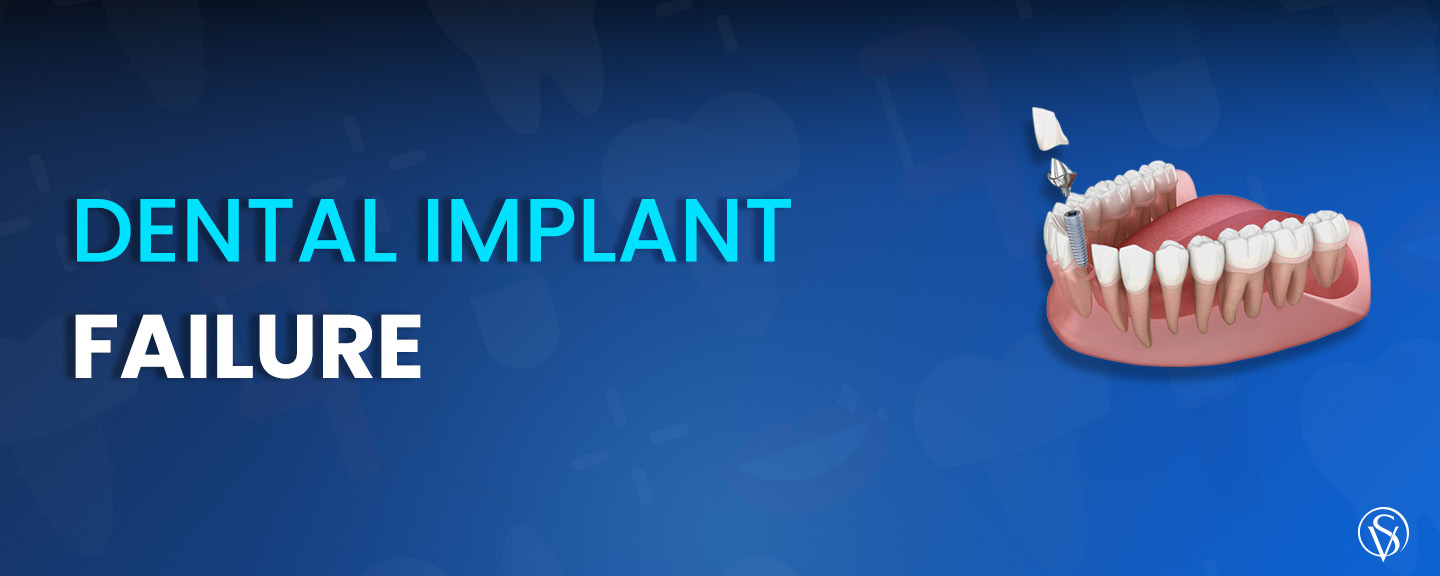
Dental implant failure describes a condition where a dental implant loses stability, fails to bond with bone, or creates biological or mechanical complications that prevent normal function. Patients searching this topic seek clear medical explanations, treatment pathways, and accountability when outcomes fall below clinical standards.
This article addresses informational, transactional, and legal intent by examining early implant failure, late implant failure, technical errors, behavioral risk factors, and responsibility when dental implants fail. Each section delivers expert-level depth supported by clinical insight, advanced diagnostics, and real-world failure patterns.
Unlike surface-level content, this guide explains why implants fail even after successful placement, how symptoms differ across failure stages, and what long-term solutions protect bone, health, and patient rights. The goal is to help patients recognize warning signs early, understand treatment options, and make informed decisions when facing implant complications.
What Is Dental Implant Failure?
Dental implant failure refers to the inability of a dental implant to properly integrate with the jawbone, remain structurally stable, or function without pain, infection, or progressive bone loss. Failure begins when the biological connection between the implant surface and surrounding bone does not form correctly or deteriorates after initial integration. This breakdown leads to implant mobility, inflammation of the surrounding tissues, and loss of supporting bone.
In some cases, a dental implant appears successful during early healing, yet underlying changes develop beneath the gum line. Bone resorption, chronic inflammation, or mechanical stress compromises the implant’s foundation, reducing long-term stability. Dental implant failure presents in early and late stages, each involving distinct biological responses and mechanical stress patterns. Understanding this definition establishes the foundation for identifying symptoms, determining responsibility, and selecting appropriate long-term solutions.
What Is the Difference Between Early and Late Dental Implant Failure?
Early dental implant failure develops before osseointegration completes, meaning the implant does not establish a stable bond with the surrounding jawbone. During this phase, bone cells fail to attach to the implant surface, leading to instability, inflammation, and loss of structural support. Early failure occurs during the healing process and signals a breakdown in biological integration.
Late dental implant failure, including dental implant failure after 10 years, develops after a period of successful function. This type of failure results from biological breakdown, such as progressive bone loss or chronic peri-implant inflammation, or mechanical breakdown, including component fatigue and long-term bite stress. Late-stage failure frequently advances beneath the gum line before visible symptoms emerge.
What Are the Most Common Causes of Dental Implant Failure?
The most common causes of dental implant failure arise from biological breakdown, mechanical instability, and compromised healing response. These failures follow predictable clinical patterns tied to bone support, tissue health, and implant loading rather than random outcomes. Identifying the underlying cause determines treatment direction and long-term prognosis.
- Bone loss around dental implants: Progressive resorption of the jawbone weakens structural support and leads to implant instability.
- Peri-implant infection: Bacterial inflammation destroys supporting bone and soft tissue surrounding the implant.
- Mechanical failure: Component loosening or prosthetic instability transfers excessive stress to the implant and bone.
- Failure of osseointegration: Disrupted healing prevents stable bone-to-implant contact and long-term fixation.
- Patient and systemic risk factors: Smoking exposure, alcohol intake, poor bone quality, and uncontrolled medical conditions impair healing and stability.
Each cause contributes to implant failure through distinct mechanisms, reinforcing the importance of precise diagnosis and targeted intervention.
1. Bone Loss Around Dental Implants
Bone loss around dental implants represents the most significant contributor to implant failure. Progressive resorption of the surrounding jawbone weakens the structural foundation required to secure the implant under functional load. As bone volume diminishes, the implant loses stability, resulting in micromovement and compromised fixation. This process disrupts force distribution during chewing and accelerates mechanical stress on implant components. Without adequate bone support, long-term function becomes unsustainable and implant removal becomes necessary.
Why Bone Loss Leads to Implant Failure
Bone loss leads to dental implant failure because the surrounding jawbone no longer provides structural stability or load-bearing support. As bone volume decreases, the implant loses its anchoring foundation, resulting in movement and compromised fixation. Reduced bone mass fails to absorb chewing forces, placing excessive stress on the implant and its components. This imbalance accelerates mechanical breakdown and prevents the implant from functioning as a stable, long-term replacement.
2. Peri-Implant Infection
Peri-implant infection develops when bacteria colonize the tissues surrounding the implant. This bacterial activity triggers an inflammatory response that destroys both soft tissue and supporting bone. As inflammation advances, bone loss progresses vertically and horizontally around the implant surface, undermining its anchorage. Left unaddressed, peri-implant infection leads to rapid structural collapse and irreversible implant failure.
What Are the Early Signs of Peri-Implantitis?
Early peri-implantitis presents through visible changes in the soft tissue surrounding the implant. Bleeding gums during brushing indicate inflammatory response within the peri-implant tissue. Swelling reflects tissue breakdown and bacterial activity beneath the gum line. A bad taste or odor signals the presence of infection and bacterial discharge from the implant site. These early signs require immediate clinical attention to prevent progressive bone destruction and implant loss.
3. Mechanical Failure
Mechanical failure occurs when implant components lose integrity under functional stress. Screw loosening, cement breakdown, and prosthetic instability disrupt load balance and transfer excessive force to the surrounding bone. Repeated stress weakens the implant–bone interface and accelerates structural damage. Mechanical instability frequently compounds existing biological issues, increasing the speed and severity of implant failure.
4. Failure of Osseointegration
Failure of osseointegration results from disrupted healing between the implant surface and surrounding bone. Without direct bone-to-implant contact, the implant lacks biological fixation and remains unstable. Movement during the healing phase prevents bone maturation and reinforces structural weakness. This condition renders the implant incapable of supporting normal bite forces and compromises long-term success.
What Risk Factors Prevent Osseointegration?
Osseointegration fails when conditions disrupt the bone’s ability to bond with the implant surface. Smoking and alcohol exposure restrict blood supply and interfere with cellular activity required for bone healing. Poor bone quality provides insufficient structural support for stable attachment, increasing implant instability. Uncontrolled systemic conditions, including metabolic and inflammatory disorders, impair bone regeneration and weaken the biological response necessary for long-term implant fixation.
5. Patient and Systemic Risk Factors
Patient-related and systemic factors influence bone regeneration and tissue stability. Smoking exposure restricts blood flow and oxygen delivery to healing bone. Alcohol intake interferes with bone remodeling and immune response. Poor bone quality limits structural support, while uncontrolled medical conditions impair regenerative capacity. These factors weaken healing response and elevate susceptibility to implant failure.
What Are the Symptoms of Dental Implant Failure?
Dental implant failure symptoms reflect loss of stability, biological breakdown, or mechanical stress affecting the implant and surrounding tissues. These signs of dental implant failure develop during early or late stages and indicate compromised integration. Recognizing implant failure symptoms at an early stage limits further bone damage and supports timely treatment.
- Implant mobility: Any movement of the implant indicates loss of bone support and failed fixation.
- Pain after the healing phase: Discomfort that persists beyond initial recovery signals structural or inflammatory breakdown.
- Gum recession: Shrinking gum tissue exposes implant threads and weakens soft tissue protection.
- Bleeding during brushing: Persistent bleeding reflects inflammatory damage around the implant site.
- Difficulty chewing: Instability or discomfort during biting indicates impaired load distribution and reduced function.
These symptoms require professional evaluation to protect remaining bone and preserve oral health.
Is Dental Implant Failure Common?
No, dental implant failure remains uncommon when treatment follows precise planning, advanced imaging, and controlled surgical protocols. Modern implant dentistry delivers a high level of predictability through accurate assessment of bone quality, anatomical limitations, and load distribution.
When failure occurs, it links directly to identifiable risk factors rather than random outcome. Insufficient bone support, active infection, inaccurate implant positioning, and unmanaged systemic conditions account for most unsuccessful cases. Careful case selection and structured follow-up significantly reduce the likelihood of implant failure.
Why Do Dental Implants Fail After 10 Years?
Dental implant failure after 10 years results from cumulative biological and mechanical stress rather than early surgical error. Implants that function successfully for years remain exposed to continuous load, tissue changes, and inflammatory challenges that weaken their foundation over time.
Chronic peri-implantitis drives gradual bone destruction around the implant, frequently progressing without early discomfort. Mechanical fatigue affects screws, abutments, and prosthetic components subjected to repeated chewing forces, reducing structural integrity. Systemic health changes, including metabolic and inflammatory conditions, alter bone maintenance and immune response, increasing susceptibility to structural breakdown.
Late-stage implant failure frequently advances beneath the gum line before visible symptoms appear, reinforcing the importance of long-term clinical monitoring.
How Is Dental Implant Failure Diagnosed?
Dental implant failure is diagnosed through a structured clinical and imaging-based evaluation that identifies biological and mechanical breakdown.
- Clinical examination: Assessment of implant stability, gum condition, bleeding response, and pain during function reveals early signs of failure.
- Dental X-rays: Imaging shows changes in bone level, implant positioning, and structural integrity around the implant.
- 3D CBCT imaging: Advanced scans provide detailed visualization of bone volume, implant alignment, and hidden defects that remain undetectable on standard radiographs.
This diagnostic process supports accurate identification of failure patterns and guides appropriate treatment planning.
When Should You See a Dentist for Implant Failure?
You should see a dentist for implant failure when signs of instability, pain, or tissue changes appear after the healing phase. Implant movement, bleeding around the gums, persistent discomfort, or difficulty chewing signal structural or biological breakdown. Early evaluation limits bone damage, clarifies the cause of failure, and improves the success of corrective treatment.
How Is Dental Implant Failure Treated?
Dental implant failure treatment follows a structured hierarchy based on the extent of biological damage and mechanical instability.
- Non-surgical intervention: Professional cleaning, load adjustment, and tissue management stabilize early-stage complications.
- Infection control: Targeted antimicrobial therapy eliminates bacterial activity and limits inflammatory bone destruction.
- Bone regeneration: Grafting procedures rebuild lost jawbone and restore structural support around the implant site.
- Implant removal: Removal prevents further bone damage when stability cannot be restored and prepares the site for future treatment.
Can a Failed Dental Implant Be Replaced?
Yes, a failed dental implant can be replaced after removal of the damaged implant and correction of the underlying cause. Replacement requires restored bone volume, resolved infection, and stable healing conditions. Bone regeneration procedures rebuild structural support before reimplantation, improving long-term stability and function.
Who Is Responsible for Dental Implant Failure?
Responsibility for dental implant failure depends on the source of the breakdown and the standard of care applied during treatment. Legal and ethical evaluation focuses on planning accuracy, execution quality, and post-treatment compliance.
- Dentist responsibility: Errors in diagnosis, treatment planning, surgical placement, or prosthetic design place responsibility on the provider when clinical standards are not met.
- Patient responsibility: Failure to follow post-operative instructions, maintain oral hygiene, or manage health conditions contributes to implant breakdown.
- Manufacturer responsibility: Defective implant components or material failures assign responsibility to the manufacturer when product integrity does not meet safety specifications.
Determining responsibility requires documented evidence and expert clinical assessment.
Can Dental Implant Failure Be Prevented?
Yes, dental implant failure can be prevented when treatment follows careful clinical planning and controlled surgical execution, beginning with proper case selection that confirms bone quality, anatomical conditions, and systemic health support stable integration. Advanced imaging enables precise evaluation of bone volume and critical structures, guiding accurate implant positioning and reducing surgical risk. Sterile surgical protocols limit bacterial exposure during placement, protect surrounding tissues, and preserve long-term implant stability.
What Are Patient Responsibilities After Implant Surgery?
Patient responsibilities after implant surgery play a critical role in long-term implant stability. Oral hygiene protects surrounding tissues from bacterial accumulation that leads to inflammation and bone loss. Follow-up visits allow early detection of structural or biological changes before significant damage occurs. Lifestyle modifications, including avoidance of smoking and excessive alcohol intake, support healthy blood flow and bone maintenance around the implant site.
Is Dental Implant Failure Dangerous?
No. Dental implant failure is rarely life-threatening, yet it carries serious health consequences when left untreated. Progressive failure leads to significant jawbone loss, soft tissue damage, and structural instability that complicate future dental rehabilitation. Untreated failure increases surgical complexity and limits restorative options, reinforcing the importance of early diagnosis and timely intervention.
Are Dental Implant Failures Covered by Warranty or Guarantee?
Yes, in certain cases. Coverage for dental implant failure depends on clinic policies, implant system warranties, and documented treatment conditions. Implant manufacturers provide warranties that cover defective components, while surgical and restorative fees fall under clinic responsibility. Provider choice plays a critical role, since reputable clinics define clear warranty terms, maintain treatment records, and follow clinical standards that support patient protection.
What Is the Difference Between Dental Implant Failure and Normal Healing Side Effects?
Normal healing after dental implant surgery involves temporary tissue response that resolves as bone and gums recover. Expected post-surgical effects include short-term swelling, mild discomfort, and tenderness during the early healing phase. These responses reflect tissue adaptation rather than structural breakdown.
Dental implant failure presents through true failure indicators such as implant movement, persistent pain beyond healing, progressive bone loss, and gum recession exposing implant components. These signs reflect loss of stability or biological breakdown rather than normal recovery. Distinguishing between healing response and failure indicators ensures timely diagnosis and appropriate intervention.