
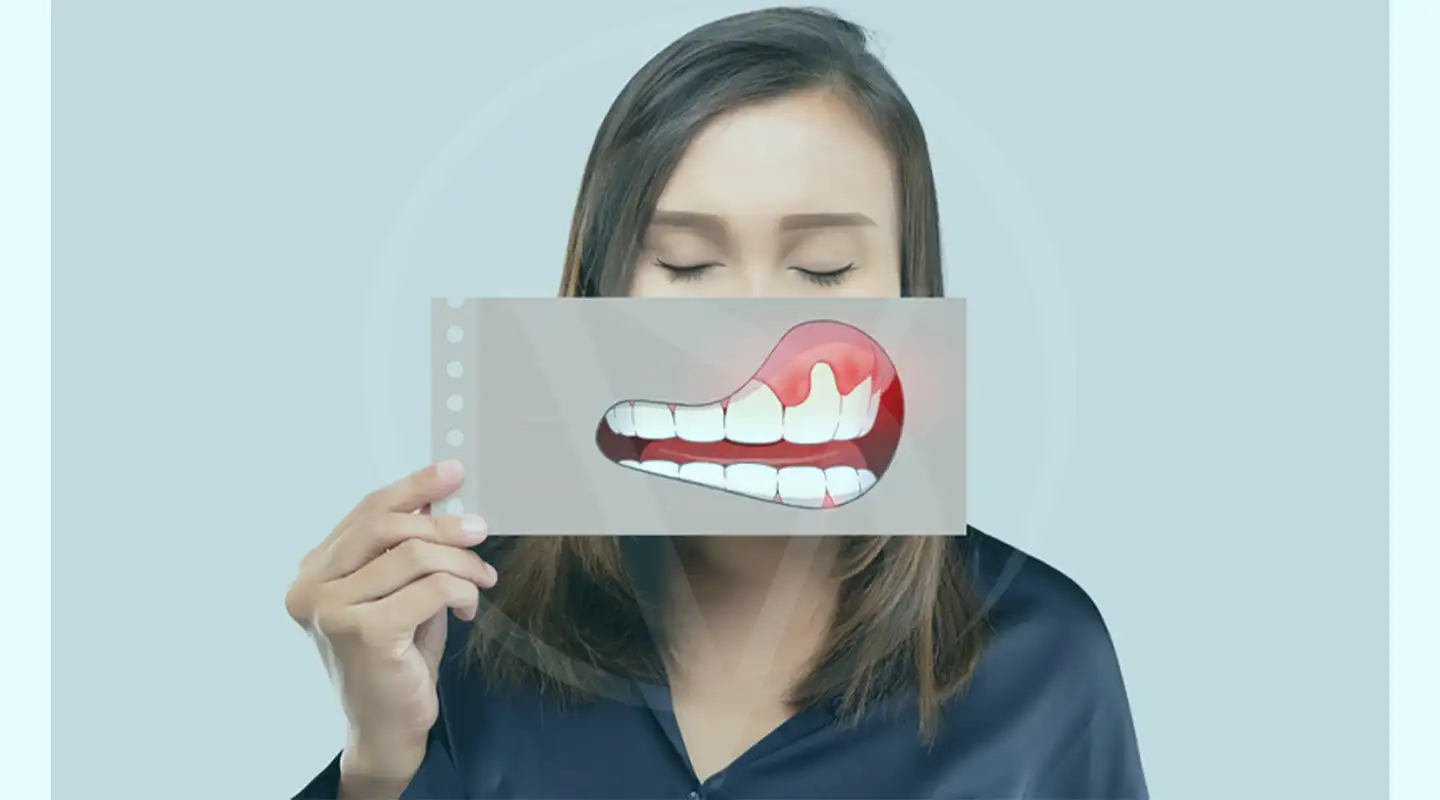
Tooth abscesses are no joke. They hurt, they swell, and they make your day miserable. But when the thought of visiting the dentist makes you want to run for the hills, you start asking the big question about how to get rid of a tooth abscess without going to the dentist. Believe it or not, it’s possible to get some relief right from your own home—no waiting room required.
Now, let’s not get ahead of ourselves. Home remedies can help take the edge off, but they aren’t miracle workers—and they won’t replace professional care. Still, there’s plenty you can do to manage the pain, reduce swelling, and keep the infection at bay until you’re ready for the dentist’s chair.
What is a Tooth Abscess?
A tooth abscess is essentially your body’s not-so-subtle way of letting you know that bacteria have made themselves way too comfortable inside your tooth. A pocket of pus, swelling, and pain. Now, tooth abscess swelling is a red flag that something needs attention, and fast. An abscessed tooth occurs when bacteria infect the pulp inside your tooth or the space around it, leading to inflammation and, often, intense discomfort.
There are two main types of tooth abscesses. Periapical abscess starts at the tip of your tooth’s root, while a periodontal abscess affects the gums surrounding the tooth. Both types can lead to complications if ignored, so understanding them is key—especially if you’re trying to figure out how to get rid of a tooth abscess without going to the dentist.
Causes of a Tooth Abscess
No one wants to deal with an abscessed tooth, but understanding how it got there is the first step to avoiding a repeat performance.
Untreated Cavities
Cavities aren’t just about bad breath or an uncomfortable visit to the dentist. When left untreated, they act like an open invitation for bacteria. These bacteria move in, party in your tooth pulp, and leave you with an abscess that brings swelling, pain, and all sorts of unwelcome drama.
Cracked or Chipped Teeth
Cracks in your teeth are like tiny welcome mats for bacteria. Once these microbes sneak in, it’s only a matter of time before that tooth abscess swelling becomes a problem that can’t be ignored. Don’t let a tiny crack turn into a big nightmare.
Gum Disease (Periodontitis)
Without proper care, gum disease leads to pockets around your teeth that make a great hideout for bacteria, eventually leading to a tooth abscess.
Poor Oral Hygiene
You’ve heard it a million times—brush and floss. Skipping these steps is practically giving bacteria a free pass to thrive. Poor oral hygiene sets the stage for plaque buildup, decay, and eventually, an abscess.
High-Sugar Diet
Sugar may taste great, but it’s bacteria’s best friend. Consuming too much sugar feeds these bad guys, accelerating tooth decay and increasing your chances of ending up with an abscessed tooth. Moderation is key, or you could end up facing more than just a sugar crash.
Read more: Can Your Diet Really Make Your Teeth Stronger?
Signs and Symptoms of a Tooth Abscess
Expect intense, throbbing pain that feels like your tooth is auditioning for the role of a percussive instrument. Add in some tooth sensitivity to hot and cold (because apparently even a cup of tea is too much to ask for), tooth abscess swelling that makes your face puffier than you ever imagined, and a bad taste in your mouth—that unpleasant reminder that something isn’t quite right.
Other symptoms can include redness around the gums, swollen lymph nodes, and even a fever. If your body seems to be raising all the red flags, it’s time to pay attention.
When Symptoms Get Serious
Look, it’s one thing to manage some temporary pain, but if your tooth abscess decides to go full drama queen, it’s time to call in the professionals.
Fever is your body’s way of telling you this is more than just a toothache.
And the swelling that starts affecting your breathing or swallowing? Now we’re in “don’t mess around” territory.
These are serious red flags that need immediate dental care—no home remedies will cut it here. When in doubt, let the experts take over and give that abscess the eviction notice it deserves.
Home Remedies for a Tooth Abscess (Yes, They Can Help!)
Visiting the dentist isn’t at the top of your wish list? We get it. Thankfully, there are some solid home remedies for a tooth abscess that can help you get some relief until you’re ready to seek professional care.
Let’s be clear, though: these aren’t miracle cures, but they can make your life a whole lot more bearable while you figure out your next steps.
Saltwater Rinse
How it works: The humble saltwater rinse is the unsung hero of natural treatment for a tooth abscess. It reduces inflammation, kills some of the bacteria causing trouble, and helps keep things cleaner. Plus, it’s cheap, easy, and probably already in your kitchen. If a saltwater rinse for an abscessed tooth doesn’t sound glamorous, it’s because it isn’t—but it sure is effective.
Step-by-Step: How to Prepare and Use a Saltwater Rinse
- Mix 1/2 teaspoon of salt in a cup of warm water.
- Swish it around your mouth for at least 2 minutes.
- Spit it out—do not swallow!
- Repeat up to three times a day until you feel relief.
Baking Soda Rinse
Baking soda is another over-the-counter warrior when it comes to natural treatment for a tooth abscess. It’s got antibacterial properties and helps balance the pH in your mouth, making life tougher for bacteria.
Step-by-Step: Instructions for Using Baking Soda
- Mix a teaspoon of baking soda with a bit of water to make a paste.
- Swish it around your mouth for up to 5 minutes.
- Repeat twice a day for maximum impact.
Cold Compress
Pain and swelling go hand in hand with a tooth abscess, but a cold compress can help put that fire out. It’s not going to heal the abscess, but it will make you feel a whole lot better.
How to Use a Cold Compress Effectively
- Wrap a few ice cubes in a cloth.
- Hold it against the swollen area for 15 minutes.
- Take a break for 15 minutes before reapplying.
- Repeat several times a day to reduce swelling and numb the pain.
Hydrogen Peroxide Rinse
Hydrogen peroxide helps clean the infected area and kills bacteria. It’s a bit more hardcore than salt or baking soda, so make sure you use it correctly.
Step-by-Step Guide for Using Hydrogen Peroxide
- Mix equal parts of 3% hydrogen peroxide and water.
- Swish the mixture in your mouth for about a minute.
- Spit it out—be careful not to swallow.
- Use once or twice a day for best results.
Garlic
Garlic isn’t just for pasta—it’s also a potent natural antibiotic. Crush a fresh garlic clove and apply the paste to the abscessed area. It’s strong, it’s smelly, and yes, it might sting a bit, but it’s been used for centuries for a reason: it works.
Oregano Oil
If garlic isn’t your thing, oregano oil might be. It’s got powerful antibiotic and antioxidant properties, making it a popular choice for dealing with a tooth abscess. Just remember, oregano oil is strong—dilute it with a carrier oil (like coconut oil) before applying it to avoid irritation. Apply with a cotton swab for a couple of minutes, then spit out the excess.
How to Drain a Tooth Abscess at Home (Caution: Not Without Risks!)
We strongly advise against it, but if you must know how to drain a tooth abscess at home, here’s a step-by-step rundown (and please, proceed with caution):
- Warm compress to encourage drainage: Start by applying a warm compress to the affected area for about 15-20 minutes.
- Sterilizing tools (needle, etc.): Next boil a needle (yes, boil it), or use rubbing alcohol to sterilize anything that might come into contact with the abscess.
- Draining and aftercare: Now, if the abscess is at a head (and again, this is not recommended), carefully and gently apply pressure around the area. If it’s ready, it may drain. Immediately rinse with a saltwater solution afterward—saltwater is your unsung hero here, helping to keep the site clean.
Strong Disclaimer: This method is fraught with risks. There’s no shame in seeking help from a professional—it’s always the safest choice, especially when your health is on the line.
When to Seek Professional Dental Help
Listen, home remedies can help relieve abscessed tooth pain and get you through a tough few days, but there are times when playing amateur dentist just doesn’t cut it. If you’re dealing with any serious symptoms like a fever, swelling that makes it hard to breathe or swallow, or if the pain just won’t quit no matter how much saltwater you gargle—it’s time to stop toughing it out and call a professional. When in doubt, your dentist is your best bet for a happy, healthy smile.