
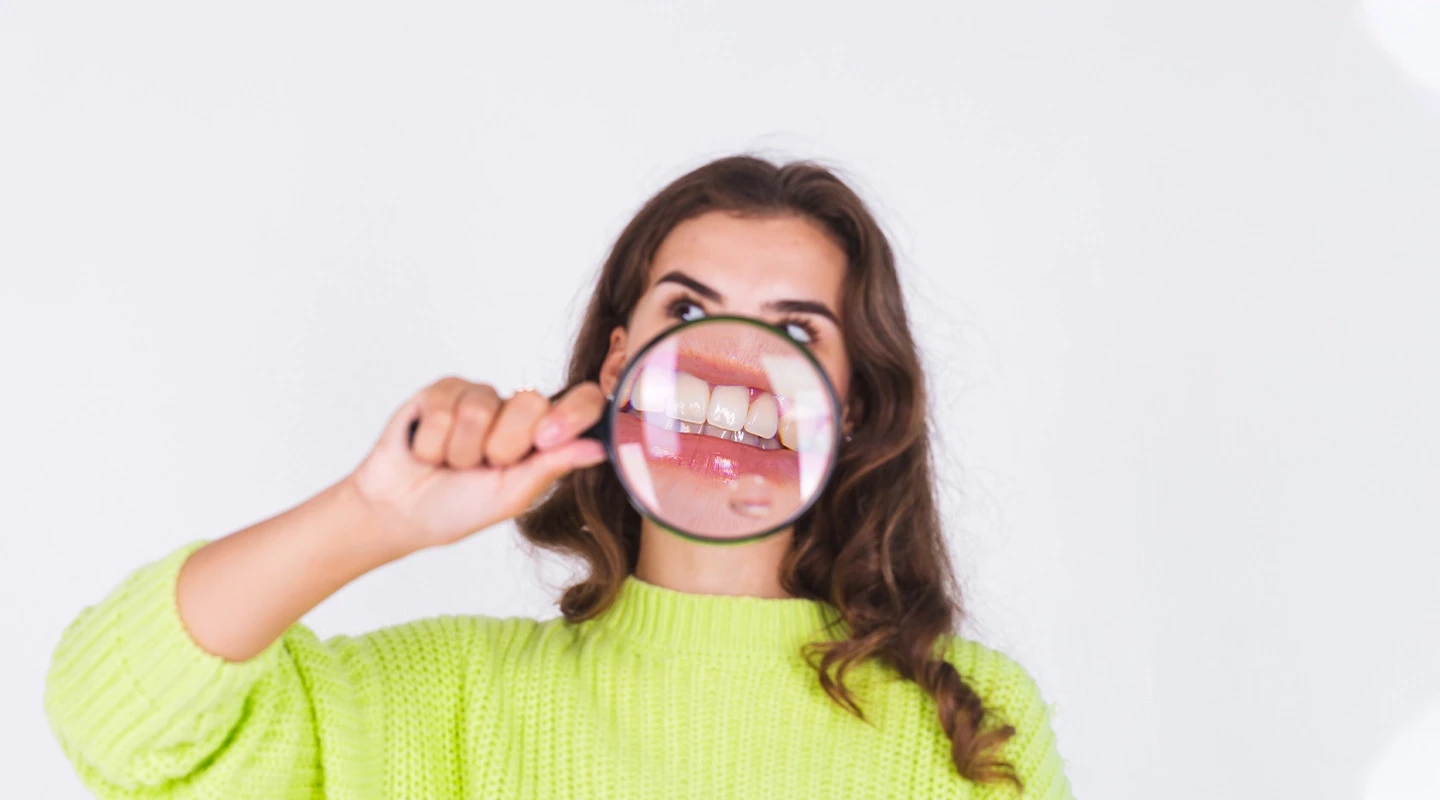
It’s hard not to notice when someone’s smile looks more cartoonish than chic. The infamous “horse teeth” phenomenon—those oversized, blindingly white chompers—has become a dental disaster story told far and wide. While some folks flaunt teeth that look perfectly natural, others end up with a set that could make even Donkey from Shrek cringe.
But why does this happen, and why is Turkey often mentioned in these dental conversations?
The answer is a mix of factors, including the type of dental procedure, the materials used, and, crucially, the skill level of the dentist. Crowns and veneers are the usual suspects here, with no-prep veneers often being the safer bet for a natural look. Poor quality materials and inexperienced practitioners can easily turn your dream smile into a dental nightmare.
Turkey has emerged as a hotspot for dental tourism, offering affordable packages that attract thousands. However, the combination of varying quality standards and an influx of clinics focusing on quantity over quality has led to some unfortunate horse teeth outcomes.
Let’s discuss why some dental makeovers look natural while others look like they belong in a cartoon, and how you can avoid ending up with a smile that raises more eyebrows than compliments.
What Exactly Are ‘Horse Teeth’?
“Horse teeth” isn’t exactly a term you’ll find in your dentist’s handbook, but it’s a phrase that’s gained notoriety in the world of cosmetic dentistry. It refers to the exaggerated, overly large teeth that sometimes result from dental makeovers gone wrong. Instead of achieving a subtle and natural smile makeover, some patients end up looking like they’ve borrowed their teeth from a cartoon character.
But why does this happen?
The primary culprits are often the choice of dental procedure and the materials used. Crowns and veneers are the usual suspects. Crowns, which cover the entire tooth, require significant reshaping of the natural tooth. If not done precisely, they can lead to a bulky appearance. Veneers, especially prep veneers, are thinner and only cover the front surface of the tooth, allowing for a more natural look if executed correctly.
Another factor is the material used. High-quality materials like ceramic and porcelain can mimic the translucency and texture of natural teeth. In contrast, cheaper materials can result in a less natural, more artificial appearance. Combine this with the skill level of the dentist, and you have a recipe for either a beautifully natural smile or a set of horse teeth that’s more likely to make you neigh than smile.
What’s the Difference between Crowns and Veneers?
Most dental makeovers aim for that perfect Hollywood smile, but choosing the wrong procedure can leave you looking more like a cartoon character.
Here are the main players in this dental drama: crowns and veneers.
Crowns
Crowns are the full-coverage option in dental restoration, essentially a cap that covers the entire tooth. This procedure often involves significant reshaping of the natural tooth to fit the crown securely. It’s like getting a tooth-sized helmet. The downside is this can sometimes result in the bulky, overly large teeth that have earned the nickname “horse teeth.”
Veneers
Veneers, particularly no-prep veneers, offer a more delicate touch. These are thin shells that cover only the front surface of the tooth, requiring minimal reshaping of your natural teeth. This less invasive approach can achieve a much more natural look. Dental veneers can mimic the translucency and texture of real teeth, making them a popular choice for those seeking a seamless smile upgrade.
The Impact on Appearance
Here’s where things get interesting. Crowns, due to their extensive coverage, can sometimes lead to that oversized appearance if not done correctly. This is especially true when the dentist is less experienced or uses low-quality materials. On the other hand, veneers, when applied skillfully, blend beautifully with your natural teeth, avoiding the cartoonish look entirely.
A skilled dentist can make crowns look as natural as veneers, but a less experienced one might leave you with a smile that stands out for all the wrong reasons.
The Role of Dental Materials
When it comes to avoiding those dreaded horse teeth, the materials used in dental work play a starring role. Think of it like casting a movie: you wouldn’t put a reality TV star in a Shakespearean drama, right? The same logic applies to your smile. High-quality materials can make all the difference between a natural-looking smile and one that looks like it was drawn by a cartoonist.
High-Quality vs. Low-Quality Materials
Let’s start with the good stuff. High-quality materials like ceramic and porcelain crowns are designed to mimic the natural translucency and texture of real teeth. They’re versatile, reliable, and always delivering a stellar performance. These materials blend seamlessly with your existing teeth, providing a look that’s virtually indistinguishable from nature’s own handiwork.
On the other hand, low-quality materials are the dental equivalent of a B-list actor in a blockbuster film. Sure, they might get the job done, but they won’t win any awards. These cheaper alternatives often lack the subtle translucency and fine detail of high-quality options, leading to a less natural appearance. The difference is obvious and sometimes a bit unsettling.
Choosing the right materials is crucial in avoiding a dental disaster. Investing in high-quality materials like ceramic and porcelain crowns, and opting for no-prep veneers where appropriate, can save you from ending up with a smile that’s more cartoon character than cover model.
Why Experience Counts
When it comes to dental makeovers, experience is everything. You wouldn’t trust your car’s brakes to a mechanic who just picked up a wrench yesterday, so why gamble with your smile?
Techniques
Experienced dentists have mastered the delicate art of tooth reshaping, ensuring that the end result is more “Hollywood star” and less “cartoon character.” Proper tooth reshaping involves skillfully shaving and contouring the teeth to avoid that bulky, unnatural look. This is crucial whether you’re getting crowns, veneers, or even dental implants. A seasoned dentist knows just how much to trim and shape to achieve a natural, aesthetically pleasing result.
Skilled vs. Unskilled Practitioners
The difference in outcomes between skilled and unskilled practitioners can be as stark as day and night. A well-trained dentist will deliver results that are harmonious with your natural teeth, avoiding the dreaded horse teeth look. On the other hand, an inexperienced dentist might leave you with oversized, poorly aligned teeth that scream dental disaster.
And here’s a fun fact: Donkey from Shrek might get a laugh out of his oversized chompers, but in the real world, you’re aiming for a smile that raises eyebrows for all the right reasons.
But Why Turkey?
Turkey has become the go-to destination for those seeking an affordable dental makeover. The pull is undeniable—high-quality dental services at a fraction of the cost found elsewhere. However, the path to a perfect smile in Turkey can sometimes lead to, well, horse teeth.
Affordability
The primary draw of dental tourism in Turkey is the cost. Procedures like teeth whitening and no-prep veneers are significantly cheaper compared to many Western countries. This affordability makes it possible for people to access cosmetic dentistry who might otherwise be priced out.
Quality Variations
However, you get what you pay for. While Turkey boasts many highly skilled dentists who can deliver exceptional results, there’s also a wide variation in the quality of care. The boom in dental tourism has led to a surge in clinics that prioritize quantity over quality, resulting in inconsistent outcomes. It’s not uncommon to find patients who have returned home with bulky, unnatural-looking teeth due to subpar materials or rushed procedures.
Common Misconceptions
The notion that all dental care in Turkey results in horse teeth is a misconception. The reality is those who do their homework, researching clinics and ensuring they select reputable, experienced dentists, are far more likely to achieve the desired results. It’s crucial to debunk the myth that affordability equates to poor quality universally. By carefully choosing clinics that use high-quality materials and proper techniques, you can avoid the mistakes that lead to a cartoonish smile.
How to Avoid Ending Up with ‘Horse Teeth’
Avoiding the notorious horse teeth look isn’t just about luck; it’s about making informed choices and paying attention to detail.
Here’s how to ensure your smile doesn’t become a dental disaster.
Research is Key
First things first—do your homework. Not all dentists are created equal. Check their qualifications, experience, and reviews. Look out for dental red flags such as a lack of before-and-after photos, vague answers to your questions, or pressure to undergo treatments immediately. A seasoned dentist should have a portfolio showcasing their best work and should welcome your questions.
Communication
Speak up about what you want. Clearly communicate your expectations and show examples of smiles you admire. This helps your dentist understand your vision and align their work accordingly. If your dentist dismisses your input or fails to provide detailed explanations, consider this another of those dental red flags.
Choosing the Right Procedure
Not all procedures deliver natural results. For many, no-prep veneers are a better choice than crowns. Veneers are thin shells that cover the front surface of the teeth, requiring less reshaping of your natural teeth. They can provide a more subtle and natural appearance. Crowns, on the other hand, cover the entire tooth and can look bulky if not done correctly.
Investing in Quality
Cutting costs might be tempting, but remember that you get what you pay for. High-quality materials like porcelain and ceramic not only look more natural but also last longer. Opting for cheap materials can lead to an unnatural look and more frequent replacements. Poorly executed dental work can even cause issues like misalignment, requiring TMJ treatment down the line.