
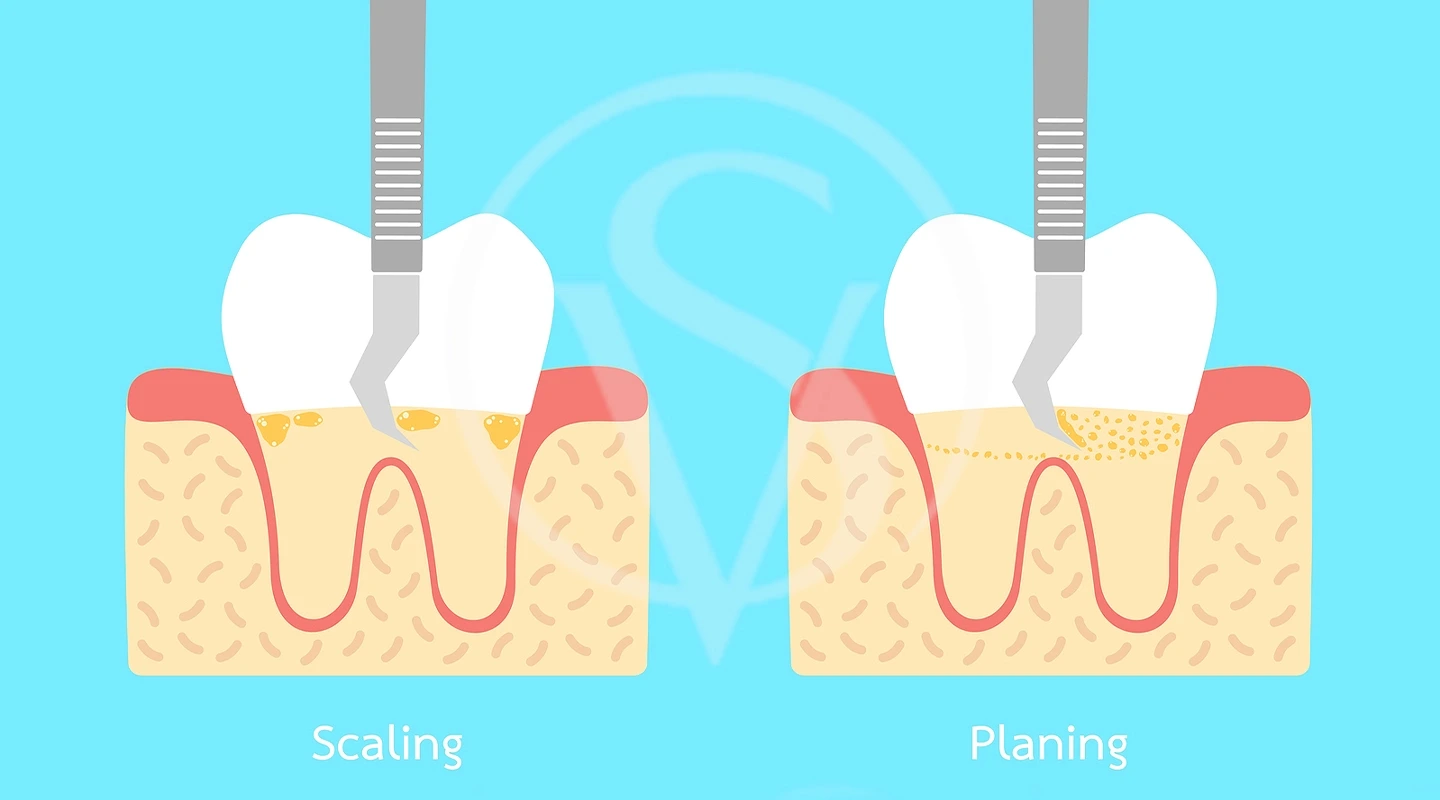
Scaling and root planning sounds like something you’d only hear in a dentist’s office, whispered in hushed tones, as if it’s a last resort before things get really messy. And let’s be honest, it’s not exactly the procedure you daydream about while brushing your teeth. But here’s the thing: ignoring the importance of scaling and root planing is a bit like ignoring that check engine light in your car—sure, you might get away with it for a while, but eventually, it’s going to catch up with you, and when it does, you’ll wish you had paid attention sooner.
Misunderstood? Absolutely.
Misleadingly simple? Without a doubt.
But scaling and root planing is far from just another routine cleaning. It’s the hero in the battle against gum disease, and the truth is, it’s probably the procedure you didn’t even know you needed until your dentist handed you that pamphlet with a reassuring smile. Yet, despite its crucial role, it’s often shrouded in misconceptions, from how painful it might be to what it actually does for your oral health.
Here’s the deal: scaling and root planing is not just about scraping a bit of plaque off your teeth. It’s a meticulous process designed to prevent the kind of dental disasters that can make you a regular in the dentist’s chair—and not the kind of regular that gets a punch card for free cleanings, either. When done right, it’s the key to keeping your gums healthy and your teeth firmly rooted where they belong.
What Is Scaling and Root Planing?
Scaling is the process of meticulously removing plaque and tartar from the surface of your teeth, particularly from areas that your toothbrush can’t reach—like below the gumline. Root planing, on the other hand, goes a step further, smoothing out the roots of your teeth to help gums reattach properly, preventing bacteria from setting up camp again. Together, these procedures form the backbone of periodontal therapy, targeting the root cause of gum disease rather than just addressing the symptoms.
Untreated gum disease doesn’t just stop at your mouth. Studies have linked it to more serious health issues, including heart disease. What starts as a bit of plaque buildup can spiral into something far more concerning if left unchecked.
Why Do People Fear It?
Scaling and root planing sends shiver down people’s spine when their dentist brings it up. But let’s clear the air: while it’s easy to jump to conclusions, the truth about this deep cleaning teeth treatment is far less terrifying than you might think.
First off, is the pain factor. The idea of someone poking around your gums might make you wince, but scaling and root planing isn’t designed to have you gripping the chair in agony. Thanks to local anesthesia, you’ll barely feel a thing. Your dentist isn’t secretly enjoying your discomfort; in fact, they’re focused on making this as painless as possible. Modern techniques have turned what could have been a grueling experience into a relatively mild procedure, comparable to a thorough non-surgical gum treatment.
So, those horror stories you’ve heard belong in the fiction section.
Now, about the cost. Yes, scaling and root planing can come with a price tag, but it’s an investment in your oral health. Ignoring gum disease because you’re afraid of the bill is like refusing to change your car’s oil because you don’t want to spend money on maintenance. Sure, you’ll save a few bucks now, but you’ll pay a lot more later when the engine gives out. The same goes for your teeth—skip the deep cleaning, and you might find yourself facing much more expensive (and painful) issues down the road.
And then, the recovery time. Scaling and root planing is a non-surgical procedure, which means you won’t be laid up for weeks. Most people are back to their regular routines within a few days, with only minor discomfort that’s easily managed. So, while it might not be anyone’s idea of a good time, it’s certainly not the ordeal that some make it out to be
What to Expect After Scaling and Root Planing
The truth is, your gums have just undergone a serious deep clean, and now they need some time to heal.
How Long Does Scaling and Root Planing Take to Heal?
Most patients find that their gums start to feel a lot better within five to seven days. Sure, you might experience a little tenderness or sensitivity, but that’s just your gums’ way of saying, “Thanks for the spa day!” The key here is patience—your gums need time to settle down after all that deep cleaning, and as long as you follow your dentist’s advice, you’ll be back to normal in no time.
Root Planing Recovery
Now, onto the all-important question—how do you speed up recovery and avoid any hiccups along the way?
First off, steer clear of hard or crunchy foods for a few days—your gums aren’t in the mood for a challenge right now. Stick to softer options, and yes, that might just be your dentist’s way of giving you a guilt-free excuse to indulge in mashed potatoes. Also, don’t forget that prescribed mouthwash—it’s not just an afterthought; it’s your best friend in keeping those freshly cleaned gums free from infection.
And here’s a tip for you: keep up with your oral hygiene routine, but be gentle. Your gums are in recovery mode, so treat them with a little extra care. Brush softly, floss carefully, and remember, this isn’t the time to prove how tough your gums are.
What Are the Disadvantages of Scaling and Root Planing?
Every dental procedure has its downsides, and scaling and root planing is no exception. But before you start panicking, thinking you’re in for some kind of dental torture, let’s break down what you might actually experience.
There’s the issue of temporary tooth sensitivity. Yes, after scaling and root planing, your teeth might feel a little more sensitive than usual, especially to hot or cold foods. But here’s the thing—this sensitivity is typically short-lived. This discomfort generally fades as your gums heal and reattach to the clean tooth surfaces.
Then there’s the matter of gum tenderness. You might notice that your gums are a bit sore for a few days post-procedure. This tenderness is a sign that your gums are on the mend, getting back to their healthy, snug fit around your teeth. It’s like a small price to pay for evicting all that pesky plaque and tartar that’s been squatting below the gumline.
Sure, you might hear some horror stories about deep cleaning side effects leading to gum recession or even infection. But these side effects are rare, especially when the procedure is done by a skilled professional. And when weighed against the alternative—letting gum disease progress unchecked—the choice is pretty clear. Left untreated, gum disease can lead to tooth loss, more invasive procedures, and, believe it or not, it’s even been linked to serious conditions like heart disease.
And let’s not forget that scaling and root planing is also a key Gingivitis treatment. This procedure is often the first line of defense against gum disease, tackling the root cause rather than just treating the symptoms. So, while the short-term discomfort might make you wince, the long-term benefits of healthier gums and a brighter smile make it all worthwhile.