
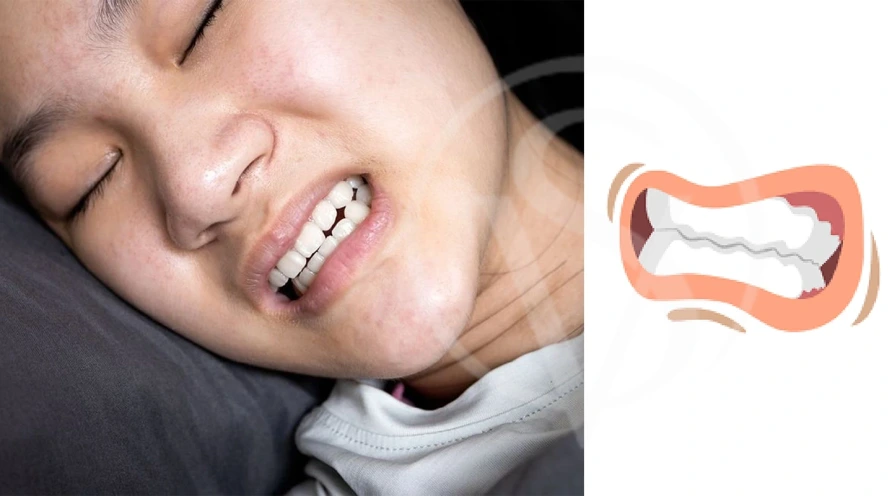
Bruxism is not just a fancy word for grinding your teeth—though your dentist might wish it were that simple. You could be happily snoozing away, completely unaware that your molars are auditioning for a role in a rock-crushing competition. And here’s the thing: it’s not just your sleep that’s at risk—your teeth are paying the price, too.
While some folks might brush off a little nighttime clenching as just a symptom of bad sleep, bruxism is more than just a bad habit. It’s a silent saboteur, wearing down your enamel, cracking your crowns, and setting you up for a dental bill that’s scarier than any horror movie you’ve seen.
Ignoring bruxism is like ignoring that strange noise your car makes—you know something’s wrong, but as long as it still drives, it’s easy to pretend everything’s fine. But just like with your car, neglecting the warning signs can lead to much bigger (and more expensive) problems down the road.
So, if your teeth are feeling the pressure, it’s time to figure out if bruxism is the culprit or if your sleep habits need a serious overhaul.
What Does Bruxism Look Like?
Bruxism isn’t exactly a quiet activity. But while your teeth might not be making any noise, the signs of their late-night grinding sessions are hard to miss.
First up, let’s talk about the obvious: flattened, chipped, or even loose teeth. If your teeth look like they’ve been doing overtime on a construction site, bruxism could be to blame. This relentless grinding and clenching can wear down your enamel, leaving your teeth looking more like the smooth surface of a well-used pebble than the sharp, functional tools they’re meant to be.
But it’s not just your teeth that take a hit. Bruxism symptoms extend beyond the mouth. Morning headaches, jaw pain, and even earaches can all be traced back to bruxism’s nightly activities. It’s like your body’s way of sending you a wake-up call that something’s not right. And speaking of wake-up calls, if you’re finding yourself more stressed than usual, that’s not helping matters either—bruxism and stress go together.
What Are the Main Causes of Bruxism?
Bruxism doesn’t just pop up out of nowhere. There’s usually a culprit—or several—lurking in the background, stirring up trouble for your teeth. And if you’ve been blaming your jaw clenching on the stress of daily life, well, you’re not entirely wrong. Stress is indeed the usual suspect, making your teeth bear the brunt of your anxieties. But it’s not just stress that’s out to get your smile.
What are the other sneaky bruxism causes that might be working behind the scenes?
Poor sleep habits, for instance, can turn your peaceful slumber into a nightly grindfest. If you’re tossing and turning instead of getting that restorative shut-eye, your jaw might decide to take matters into its own hands—or rather, its own clenches.
But there’s more.
Misaligned teeth are another key player in the bruxism game. When your teeth aren’t lining up quite right, your jaw can overcompensate by grinding away to find that elusive balance. And let’s not forget that extra cup of coffee—caffeine is notorious for keeping your nervous system on high alert, which can spill over into your sleep and, yes, your jaw’s relentless clenching.
Bruxism vs. Bad Sleep: How to Tell the Difference
Not all bad nights end with bruxism, but if your teeth feel like they’ve run a marathon by morning, it’s time to face the facts.
A rough night’s sleep might leave you groggy, but bruxism comes with its own set of calling cards—none of them pretty, and all of them worth taking seriously.
Let’s start with the basics: bruxism, or teeth grinding at night, isn’t just about noisy gnashing. It’s about waking up with a sore jaw, teeth that feel like they’ve been through a grinder, and a headache that hits hard.
Now, if you’re thinking, “Well, isn’t that just bad sleep?”—think again.
Bruxism has a few tricks up its sleeve that general sleep disturbances can’t claim.
For one, jaw pain and tooth damage aren’t exactly the hallmarks of a standard bad night. And while you might toss and turn from stress, only bruxism will leave you with teeth that are worn down fast. In fact, bruxism in children often flies under the radar until those signs—like chipped teeth or sensitive molars—start showing up.
So, how can you tell if it’s bruxism?
Look for the clues: persistent morning headaches, jaw soreness that doesn’t quit, and teeth that seem to be on a one-way trip to destruction. And if you notice your little one waking up with similar symptoms, it might not just be a case of restless sleep—it could be bruxism in children rearing its ugly head.
What Can Be Mistaken for Bruxism?
Bruxism might seem like the usual suspect when your jaw is sore, and your teeth are on edge, but it doesn’t always deserve the blame. In fact, several other dental and medical conditions can masquerade as bruxism, leading to a case of mistaken identity that even the sharpest dentist could overlook at first glance.
TMJ Disorders
If you’re dealing with jaw pain, popping sounds, or headaches that make you question all your life choices, you might be quick to chalk it up to teeth grinding at night. But TMJ disorders are their own beast. While they share some symptoms with bruxism, they often involve issues with the joints and muscles around y our jaw, not just your teeth. Here’s the thing: treating TMJ like bruxism could leave you chasing the wrong problem while the real culprit keeps wreaking havoc.
Tooth Sensitivity
You know the drill—sipping on your favorite icy drink only to feel that sharp, shooting pain that makes you want to swear off cold beverages forever. Tooth sensitivity can mimic the pain associated with bruxism, especially if your enamel’s been worn down. But don’t be too quick to blame it on grinding. Sometimes, it’s just a sign that your teeth need a little extra care, like using a toothpaste for sensitive teeth or a night guard to protect against further damage.
Sinus Infections
It might sound strange, but pressure from your sinuses can radiate to your teeth and jaw, creating the illusion of bruxism. If you’re battling a cold or allergies and suddenly feel like your teeth are at war with each other, your sinuses might be to blame. Treating the sinus issue could relieve the discomfort, leaving your teeth out of the equation altogether.
So, before you invest in a night guard for bruxismor start blaming yourself for teeth grinding at night, it’s worth considering these other possibilities. After all, you wouldn’t want to treat a problem you don’t have, right? Instead, get to the root of the issue—and ensure your treatment plan is hitting the right target. Because in dental health, accuracy is everything.
How Bruxism Can Lead to Costly Dental Problems (and How to Prevent Them)
Bruxism is the sneaky culprit that can turn your dental budget into a financial horror show. Let’s not sugarcoat it—left unchecked, bruxism can lead to the kind of costly decisions that nobody wants to make: think veneers vs. crowns, each with a price tag that could make you wince harder than a cold sip of water on a sensitive tooth.
When you grind your teeth like a bad habit, it doesn’t just stop at a little wear and tear. Over time, bruxism can escalate into cracked teeth, TMJ disorders, and a smile that requires more than just a regular cleaning to fix. And let’s be honest—replacing or repairing damaged teeth is far from cheap. That’s why bruxism treatment is a must-have if you want to avoid breaking the bank at your next dental visit.
So, how do you keep your teeth safe from the clutches of bruxism?
First, consider investing in a night guard—your teeth’s first line of defense.
But that’s not all.
Exploring bruxism natural remedies, such as stress management techniques, can also play a significant role. Whether it’s mindfulness, exercise, or even a little deep breathing, these practices can reduce the stress that often triggers bruxism in the first place.