
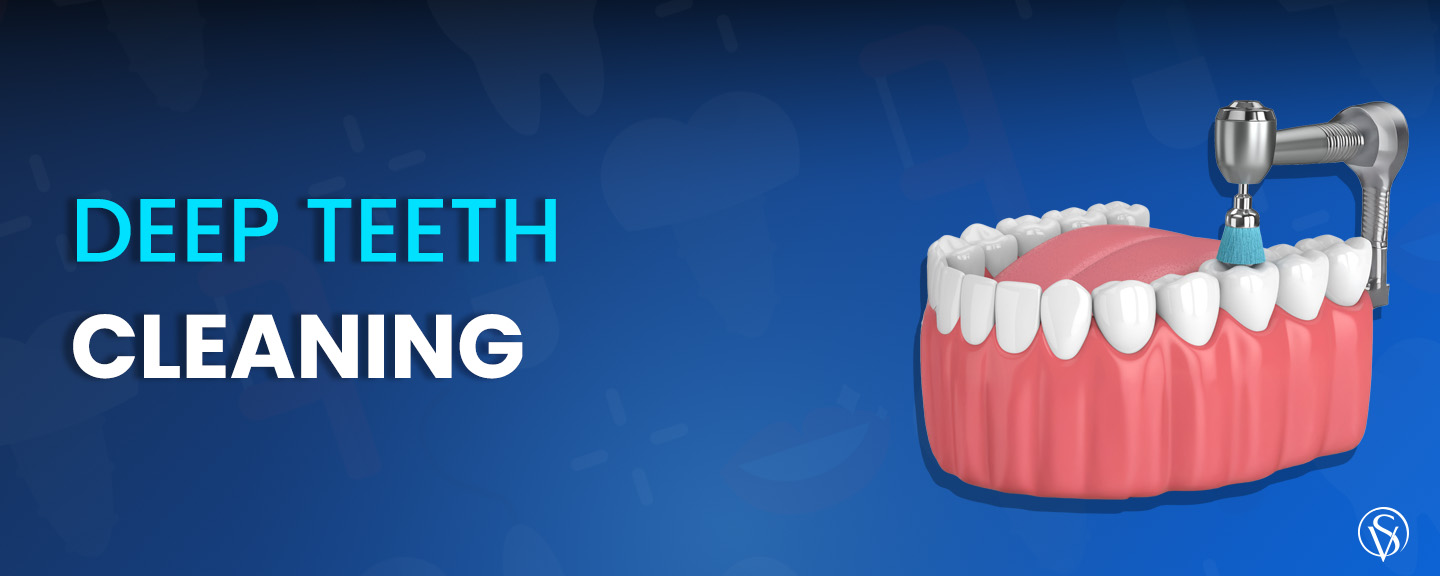
Deep cleaning teeth is a non-surgical periodontal treatment used to control gum disease by removing plaque, tartar, and bacterial toxins from below the gum line and along the tooth roots. Unlike routine dental cleaning, which focuses on visible tooth surfaces, deep teeth cleaning targets areas where infection develops and bone support begins to weaken. The procedure follows precise clinical steps that reduce inflammation, stabilize gum attachment, and slow periodontal breakdown.
Dentists recommend deep cleaning when gum pockets deepen, bleeding persists, or early bone loss appears on dental X-rays. The treatment serves a clear medical purpose, not a cosmetic one, with the goal of restoring gum health and protecting long-term tooth stability. Cost depends on disease severity, treatment extent, and insurance coverage, while results include reduced pocket depth, firmer gums, and improved oral hygiene outcomes when post-treatment care is followed.
What Is Deep Cleaning Teeth?
Deep cleaning teeth is a periodontal treatment that removes plaque, tartar, and bacteria from below the gum line and from the root surfaces of the teeth. Dentists perform this procedure to treat gum disease, not to maintain routine oral hygiene. The treatment targets infected gum pockets where bacteria trigger inflammation, bleeding, and tissue breakdown.
This procedure consists of two clinical steps: scaling, which eliminates hardened deposits above and below the gum line, and root planing, which smooths the tooth roots to limit bacterial reattachment. Deep teeth cleaning reduces gum pocket depth, supports gum reattachment, and protects the supporting bone that holds the teeth in place.
How Deep Cleaning Teeth Differs From Regular Dental Cleaning
Regular dental cleaning removes plaque and tartar from above the gum line and from visible tooth surfaces as part of preventive oral care. Deep cleaning teeth treat buildup below the gum line, focusing on infected gum pockets and the tooth roots where periodontal disease develops. While routine cleaning supports ongoing dental maintenance, deep cleaning serves a therapeutic role by reducing inflammation and protecting the supporting bone that holds the teeth in place.
Why Is Deep Cleaning Teeth Performed?
Deep cleaning teeth is performed to treat gum disease and stop the progression of periodontal infection below the gum line. When plaque and tartar settle around the tooth roots, bacteria trigger chronic inflammation, gum detachment, and bone loss. Routine cleaning does not reach these infected areas, which is why a deeper therapeutic approach becomes necessary.
The purpose of this treatment is to reduce gum pocket depth, eliminate bacterial toxins, and support gum reattachment to the tooth surface. Deep cleaning protects the supporting bone structure, limits further tissue damage, and improves long-term tooth stability by restoring a healthier oral environment.
How Gum Disease Progression Leads to the Need for Deep Cleaning
Gum disease begins when plaque hardens into tartar along the teeth and beneath the gum line. This hardened buildup traps bacteria against the gum tissue, triggering persistent inflammation and bleeding. As the gums lose their firm attachment to the teeth, infection spreads deeper along the root surfaces.
Over time, this process leads to gum pocket formation, where the space between the tooth and gum deepens beyond normal limits. These pockets create a protected environment for bacteria that routine cleaning does not reach. Deep cleaning becomes necessary to remove infected deposits from these areas, reduce inflammation, and restore healthier gum attachment.
What Dental Conditions Require Deep Cleaning Teeth?
Deep cleaning teeth is required when gum disease advances beyond early inflammation and begins to affect the tissues supporting the teeth. Dentists rely on clinical findings and imaging to determine when routine cleaning no longer reaches infected areas.
Periodontitis: This condition involves active infection below the gum line, marked by deep gum pockets, ongoing bleeding, and bacterial buildup along the tooth roots. Deep cleaning removes infected deposits and limits further tissue damage.
Moderate to severe gingivitis: Persistent gum inflammation with swelling, redness, and bleeding signals disease that does not resolve through standard cleaning alone. Deep cleaning targets the bacterial source beneath the gums.
Early bone loss: Dental X-rays that show reduced bone support indicate progressing periodontal disease. Deep cleaning helps protect remaining bone and stabilize tooth attachment.
Recurrent gum infection: Repeated inflammation around the same teeth points to bacteria trapped below the gum line. Deep cleaning addresses these hidden deposits to restore healthier gum tissue.
How Dentists Diagnose the Need for Scaling and Root Planing
Dentists diagnose the need for scaling and root planing by measuring gum pocket depth and assessing signs of inflammation. A periodontal probe is used to evaluate the space between the teeth and gums, with deeper readings indicating gum detachment and bacterial buildup below the gum line. Bleeding during probing signals active infection within the gum tissue rather than surface irritation, which supports the decision to proceed with deep cleaning to control periodontal disease.
What Happens During a Deep Cleaning Teeth Procedure?
A deep cleaning teeth procedure follows a structured clinical process designed to remove infection from below the gum line. Dentists or dental hygienists begin by numbing the treatment area to ensure patient comfort. Specialized instruments are then used to remove plaque and tartar from the tooth surfaces and from within deep gum pockets.
The next phase focuses on cleaning and smoothing the tooth roots to eliminate bacterial toxins and create a surface that supports healthy gum attachment. Throughout the procedure, attention remains on infected areas rather than visible enamel alone. The treatment is completed section by section to control inflammation, reduce pocket depth, and support long-term gum healing.
What Scaling Removes From Below the Gum Line
Scaling removes hardened tartar, plaque, and bacterial deposits that collect beneath the gum line and along the tooth roots. These deposits contain toxins that irritate gum tissue and drive ongoing inflammation. By clearing infected buildup from deep gum pockets, scaling disrupts bacterial colonies and creates a cleaner environment that supports gum healing and disease control.
What Root Planing Does to the Tooth Surface
Root planing focuses on cleaning and refining the tooth root surface after scaling removes hardened deposits. During this step, bacterial toxins and contaminated root material that trigger inflammation are carefully eliminated. These toxins interfere with gum attachment and allow infection to persist when left untreated.
Once the infected layer is removed, the root surface is smoothed to reduce irregularities that promote bacterial adhesion. A smoother root creates conditions that support closer gum contact, improved tissue stability, and reduced pocket depth. This step plays a critical role in limiting reinfection and maintaining periodontal health after deep cleaning.
Is Deep Cleaning Teeth Painful?
No, deep cleaning teeth is performed under local anesthesia, which controls pain during the procedure. The numbing agent blocks sensation in the treated area, allowing thorough cleaning below the gum line without sharp discomfort. Patients feel pressure and vibration rather than pain while scaling and root planing take place.
After the procedure, temporary tenderness and sensitivity occur as inflamed gum tissue begins to heal. Mild soreness, swelling, and temperature sensitivity are part of the normal recovery response and decrease as the gums regain stability.
What Patients Feel During Scaling and Root Planing
Scaling and root planing involve working below the gum line, which creates specific physical sensations during treatment. Local anesthesia controls pain, while patients remain fully awake and aware throughout the procedure.
- Pressure and vibration: Patients sense steady pressure and vibration from dental instruments as deposits are removed from below the gum line.
- Numbness in the treated area: Local anesthesia blocks pain sensation, leaving the area numb while scaling and root planing take place.
- Jaw fatigue: Longer treatment sessions place strain on the jaw muscles due to prolonged mouth opening.
- Awareness of movement and sound: Patients remain conscious and notice instrument movement and clinical sounds during the procedure.
Why Local Anesthesia Is Used During Deep Cleaning
Local anesthesia is used to control sensitivity during deep cleaning teeth by blocking nerve signals in the treated area. Scaling and root planing involve cleaning below the gum line and along exposed root surfaces, which are highly sensitive when inflamed. Numbing the area allows thorough removal of infected deposits without causing pain, supporting precise treatment and patient comfort throughout the procedure.
How Long Does a Deep Cleaning Teeth Appointment Take?
A deep cleaning teeth appointment lasts longer than a routine dental cleaning due to the thorough work required below the gum line. Treatment is divided into multiple sessions, with each session focusing on one or two sections of the mouth to ensure complete cleaning and patient comfort.
Single-session appointments take 60 to 90 minutes, depending on the severity of gum disease and the number of areas needing treatment. When multiple sessions are scheduled, the full process may span two to four visits, allowing gums to respond and heal between treatments while ensuring all infected deposits are removed.
Why Deep Cleaning Is Done in Multiple Sessions
Deep cleaning is divided into sections, or quadrants, of the mouth. Treating one or two quadrants per appointment allows the dentist to focus on thorough removal of plaque and tartar from below the gum line while maintaining patient comfort. Spacing sessions gives the gums time to respond and begin healing before the next area is treated, ensuring more effective overall results and reducing post-treatment discomfort.
What Is the Recovery Process After Deep Cleaning Teeth?
Recovery after deep cleaning teeth involves healing of the gums and adaptation of the tissue to the cleaned tooth roots. Mild tenderness, swelling, and gum sensitivity are common during the first few days. Patients may notice slight bleeding when brushing or flossing as the gums repair themselves.
Maintaining good oral hygiene is essential to support healing and prevent reinfection. Dentists may recommend antibacterial rinses, gentle brushing, and careful flossing to protect treated areas. Over time, the gum tissue tightens around the teeth, pocket depth decreases, and inflammation diminishes, resulting in healthier gums and improved oral stability.
What Are the Common Symptoms After Scaling and Root Planing?
After scaling and root planing, patients experience normal gum and tooth reactions as the tissue heals. Awareness of these symptoms helps set expectations and ensures patients understand what is part of the recovery process rather than a complication.
- Gum tenderness: Gums feel sore or tender as the tissue begins to heal from deep cleaning below the gum line.
- Mild swelling: Inflammation in the treated areas can cause slight swelling, which gradually decreases as healing progresses.
- Bleeding: Light bleeding may occur when brushing or flossing as the gums recover from irritation and bacterial removal.
- Sensitivity: Teeth and gums may feel sensitive to temperature changes, pressure, or touch during the initial recovery period.
How Long It Takes for Gums to Reattach to Teeth
After deep cleaning teeth, gums gradually reattach to the cleaned tooth roots as inflammation decreases and tissue heals. Initial reattachment begins within one to two weeks, while full stabilization of the gums and reduction of pocket depth take four to six weeks. Healing speed depends on the extent of gum disease and adherence to post-treatment care, including proper brushing, flossing, and any recommended rinses.
Does Deep Cleaning Teeth Cure Gum Disease?
No, deep cleaning teeth does not cure gum disease but controls its progression by removing plaque, tartar, and bacterial toxins from below the gum line. The procedure treats active infection and reduces inflammation, allowing gums to heal and reattach to the tooth roots.
Long-term gum health depends on consistent oral hygiene and follow-up care. Without proper maintenance, bacteria returns, and gum disease advances again. Deep cleaning serves as a therapeutic intervention rather than a permanent cure, creating a healthier environment for gums and supporting structures.
What Deep Cleaning Treats and What It Cannot Reverse
Deep cleaning teeth stops the progression of gum disease by removing plaque, tartar, and bacterial toxins from below the gum line. The procedure reduces inflammation, prevents further tissue damage, and supports gum reattachment to the tooth roots. It does not, however, regenerate lost bone or fully restore gums that have already receded. Damage to supporting structures that has already occurred remains permanent, making ongoing care and regular dental monitoring essential for maintaining long-term oral health.
Who Benefits Most From Deep Cleaning Teeth?
Deep cleaning teeth targets patients whose gum disease has progressed beyond what routine cleaning addresses.
- Advanced gum disease: Patients with deep gum pockets, persistent bleeding, or tartar buildup along the tooth roots experience the most improvement from deep cleaning.
- Early bone loss: Individuals showing signs of bone loss benefit because the procedure reduces bacterial buildup and protects supporting structures.
- Recurring gum infections: Patients with repeated inflammation around the same teeth gain from thorough removal of hidden bacteria below the gum line.
- Commitment to oral hygiene: Those who follow proper brushing, flossing, and post-treatment care achieve the best long-term results and maintain healthier gums.
Who Benefits From Deep Cleaning Teeth With Early to Moderate Periodontal Disease?
Patients with early to moderate periodontal disease benefit from deep cleaning because it removes plaque, tartar, and bacterial toxins from below the gum line before significant bone loss occurs. The procedure reduces gum inflammation, limits the progression of pockets, and supports gum reattachment, helping stabilize oral health and prevent more severe periodontal complications.
Who Might Not Need Deep Cleaning Teeth?
Not every patient requires deep cleaning teeth. Understanding who does not need this procedure helps set realistic expectations and builds trust in dental recommendations.
- Healthy gums: Patients with strong, firm gums and no signs of inflammation or infection do not require deep cleaning.
- Mild gingivitis: Individuals whose gum irritation responds to routine dental cleaning and proper oral hygiene can maintain gum health without scaling and root planing.
- Minimal tartar buildup: When plaque and tartar remain mostly above the gum line, standard cleaning is sufficient.
- No deep gum pockets: Patients without significant pocket formation beneath the gum line do not need the more intensive deep cleaning procedure.
When Is Regular Cleaning Clinically Sufficient?
Regular dental cleaning is sufficient when gums are healthy, showing no signs of deep pockets, persistent bleeding, or infection below the gum line. Patients with mild plaque or tartar buildup on visible tooth surfaces maintain gum health through routine cleaning combined with proper brushing and flossing. In these cases, scaling and root planing are unnecessary, and preventive care alone effectively controls oral hygiene and supports long-term gum stability.
What Are the Risks of Delaying Deep Cleaning Teeth?
Waiting to undergo deep cleaning allows gum disease to advance and makes treatment more challenging. Recognizing the potential consequences highlights the importance of addressing infection and inflammation before permanent damage occurs.
- Progression of gum disease: Bacteria continue to accumulate below the gum line, increasing inflammation and pocket depth, which makes treatment more complex.
- Bone loss: Extended infection damages the supporting bone around teeth, reducing stability and making future interventions more difficult.
- Tooth mobility: As gums and bone weaken, teeth may become loose, affecting bite function and overall oral health.
- Gum recession: Delayed treatment allows gums to pull away from teeth, exposing roots and increasing sensitivity while complicating future care.
How Untreated Gum Disease Affects Bone and Tooth Stability
When gum disease goes untreated, it does more than inflame the gums, it undermines the structures that hold teeth in place. Understanding these effects helps patients see why timely treatment is critical for preserving oral function and preventing long-term complications.
- Weakened attachment: Gum disease damages the fibers that connect teeth to the supporting bone, reducing overall stability.
- Jawbone shrinkage: Continuous infection triggers resorption of the jawbone, which changes facial structure and limits support for remaining teeth.
- Shifting teeth: Loss of gum and bone support allows teeth to move out of alignment, affecting bite and oral function.
- Higher risk of complications: Weakened bone and tissue increase the likelihood of dental complications during routine or restorative treatments.
How Often Is Deep Cleaning Teeth Required?
The frequency of deep cleaning teeth depends on the severity of gum disease and the patient’s response to treatment. For patients with advanced periodontal disease, multiple sessions may be scheduled initially to address all affected areas thoroughly.
After the initial treatment, maintenance cleanings are recommended at intervals determined by the dentist, every three to six months, to prevent bacterial buildup and monitor gum health. Patients with mild to moderate gum issues require deep cleaning less frequently, while those with persistent periodontal concerns benefit from a structured long-term care plan to preserve oral stability and prevent disease recurrence.
When Do Maintenance Cleanings Replace Repeat Deep Cleaning?
Maintenance cleanings replace repeat deep cleaning when gum disease is under control and pocket depths remain shallow after the initial treatment. These cleanings focus on removing surface plaque and tartar and monitoring gum health to prevent infection from returning. Patients who follow proper oral hygiene and attend regular checkups may maintain healthy gums without needing additional deep cleaning sessions.
What Are the Costs of Deep Cleaning Teeth?
The cost of deep cleaning teeth depends on the severity of gum disease, number of quadrants treated, and location of the dental clinic. Insurance coverage may reduce out‑of‑pocket expenses, while patients without coverage should plan for treatment costs based on the number of areas needing care. Understanding typical pricing helps patients prepare financially and make informed decisions about periodontal treatment.
| Treatment Type | Estimated Cost (Without Insurance) | Notes |
| Single Quadrant Deep Cleaning | €90 – €270 | One section of the mouth treated in a single session |
| Two Quadrants | €180 – €540 | Upper or lower half of the mouth treated in one session |
| Full Mouth (Four Quadrants) | €360 – €1,080 | Entire mouth treated over one or multiple sessions |
| Follow‑Up or Maintenance Visit | €70 – €135 | After initial deep cleaning, for monitoring and preventing recurrence |
What Factors Influence Deep Cleaning Teeth Pricing
The price of deep cleaning teeth is not fixed and depends on several clinical and logistical factors. Understanding these influences helps patients anticipate costs and discuss detailed estimates with their dental provider before treatment.
- Number of quadrants: The cost depends on how many sections of the mouth require treatment. Treating more quadrants increases appointment time and total expense.
- Disease severity: Patients with advanced gum disease require longer and more intensive cleaning, which raises the overall cost.
- Geographic location: Prices vary based on the region or city, reflecting local living costs and clinic fees.
- Additional services: Use of local anesthesia, follow-up visits, or specialized equipment can affect the final treatment price.
Why Is Deep Cleaning Teeth Billed Differently From Regular Cleaning?
Deep cleaning teeth involves more intensive and targeted treatment than a routine dental cleaning. Unlike regular cleaning, which removes plaque and tartar from visible tooth surfaces, deep cleaning addresses subgingival areas where bacterial buildup causes gum disease.
The procedure requires additional time, specialized instruments, and clinical expertise to remove plaque, tartar, and bacterial toxins from deep pockets and smooth the tooth roots. These factors make the treatment more complex, justifying a separate billing structure and higher cost compared with preventive cleaning.
Is Deep Cleaning Teeth Covered by Insurance?
Yes, deep cleaning teeth is covered by dental insurance when it is deemed medically necessary to treat gum disease. Insurance plans classify scaling and root planing as a therapeutic procedure, separate from routine preventive cleanings.
Coverage depends on the severity of periodontal disease, number of quadrants treated, and plan details. Some plans cover the full cost, while others require copayments or apply annual maximum limits. Patients should verify coverage with their provider and request a detailed estimate before scheduling treatment to understand potential out-of-pocket expenses.
What Are the Periodontal Coverage Limitations and Frequency Rules?
Dental insurance coverage for deep cleaning teeth includes specific limitations and rules that affect cost. Many plans set frequency limits, such as covering deep cleaning for each quadrant once every 12 months or a defined number of visits per year.
Coverage excludes certain advanced procedures, anesthesia fees, or follow-up visits, requiring patients to pay out-of-pocket for these services. Understanding these plan-specific rules helps patients plan treatment, avoid unexpected costs, and ensure they maximize available benefits for periodontal care.
What Should Patients Do After Deep Cleaning Teeth?
Proper care after deep cleaning teeth is essential to support healing and maintain long-term gum health. Following clear guidelines helps reduce inflammation, prevent infection, and ensure the treatment achieves its full benefits.
- Gentle oral hygiene: Brush and floss carefully to avoid irritating sensitive gums while keeping teeth clean.
- Antibacterial rinses: Use prescribed rinses to reduce bacterial buildup and support healing.
- Diet considerations: Avoid hard, sticky, or very hot foods that could disturb treated areas.
- Follow-up appointments: Attend scheduled visits to monitor healing, check pocket depth, and plan maintenance cleanings.
- Pain and swelling management: Use recommended over-the-counter pain relief or ice packs if needed to reduce discomfort.
What Oral Care Steps Protect Healing Gums?
Maintaining proper oral care after deep cleaning teeth is essential for protecting healing gums and supporting gum reattachment. Following targeted steps helps reduce bacterial buildup, prevent irritation, and preserve the results of the procedure.
- Gentle brushing: Use a soft-bristled toothbrush and gentle circular motions to clean teeth without irritating sensitive gums.
- Interdental cleaning: Floss carefully or use interdental brushes to remove plaque and debris between teeth.
- Rinse support: Use a prescribed antibacterial mouthwash to reduce bacterial buildup and aid healing.
- Monitor gums: Check for unusual swelling, bleeding, or discomfort and report concerns to the dentist promptly.
Can Deep Cleaning Teeth Prevent Tooth Loss?
Yes, deep cleaning teeth helps prevent tooth loss by removing plaque, tartar, and bacterial toxins that damage gums and supporting bone. Treating gum disease early reduces inflammation, strengthens gum attachment, and preserves the underlying bone that holds teeth in place.
While deep cleaning does not restore bone already lost, it stops further destruction, creating a stable environment for teeth. Combined with proper oral hygiene and regular dental care, deep cleaning significantly lowers the risk of teeth becoming loose or needing extraction.
How Periodontal Stability Protects Supporting Bone
Maintaining periodontal stability after deep cleaning teeth is essential for protecting the bone that supports teeth. Stable gums reduce infection, control inflammation, and help preserve the jawbone structure. Following proper oral hygiene and attending regular dental checkups reinforce this stability, supporting long-term tooth retention.
- Reduced bacterial invasion: Healthy gums limit bacteria from reaching the bone, preventing further tissue damage.
- Lower inflammation: Controlled gum inflammation protects bone from progressive destruction.
- Even force distribution: Strong gum attachment helps distribute biting forces, reducing stress on supporting bone.
- Long-term stability: Consistent oral hygiene and follow-up care maintain bone health and minimize the risk of tooth loss.
What Is the Difference Between Deep Cleaning Teeth and Periodontal Surgery?
Deep cleaning teeth and periodontal surgery both target gum disease, but they differ in invasiveness, purpose, and recovery. Deep cleaning, or scaling and root planing, is a non-surgical procedure that removes plaque, tartar, and bacterial toxins from below the gum line to reduce inflammation and support gum reattachment.
Periodontal surgery is surgical intervention used for advanced cases where deep cleaning cannot fully restore gum or bone health. Surgery involves flap procedures, bone grafts, or tissue regeneration to repair damage, while deep cleaning focuses on controlling infection and stabilizing gums.
When Is Non-Surgical Treatment No Longer Enough?
Non-surgical treatment reaches its limit when deep periodontal pockets persist, bone loss progresses, or gum attachment fails to stabilize after scaling and root planing. Continued inflammation, recurrent infection, or increasing tooth mobility signals that bacteria remain beyond the reach of non-surgical care. In such cases, periodontal surgery provides direct access to infected areas, allowing thorough cleaning and structural repair to protect long-term tooth stability.