
Dental Clinic in Turkey
Discover world-class dentistry at Vera Smile, the best dental clinic in Turkey, where advanced treatments meet internationally accredited expertise. From restorative and cosmetic dentistry to periodontic dentistry, our clinic provides dental implants and All-on-4 full arch restorations to veneers, crowns, and complete smile makeovers.
- Vera Smile proves European-standard safety with Next-Gen Technology from leading brands such as Straumann and Nobel Biocare.
- As a proud member of the Slow Dentistry Global Network, Vera Smile ensures enhanced care for each and every patient, focusing on safety, comfort, and long-lasting results.
Trusted as a leading dental clinic in Turkey, Vera Smile is dedicated to delivering exceptional outcomes and personalized treatment experiences for international patients.
We welcome patients from around the world, offering transparent pricing, multilingual support, and personalized care that turns the idea of “Turkey Teeth” into a healthy, natural-looking smile you’ll be proud of.








Dental Treatment Before and Afters in Turkey
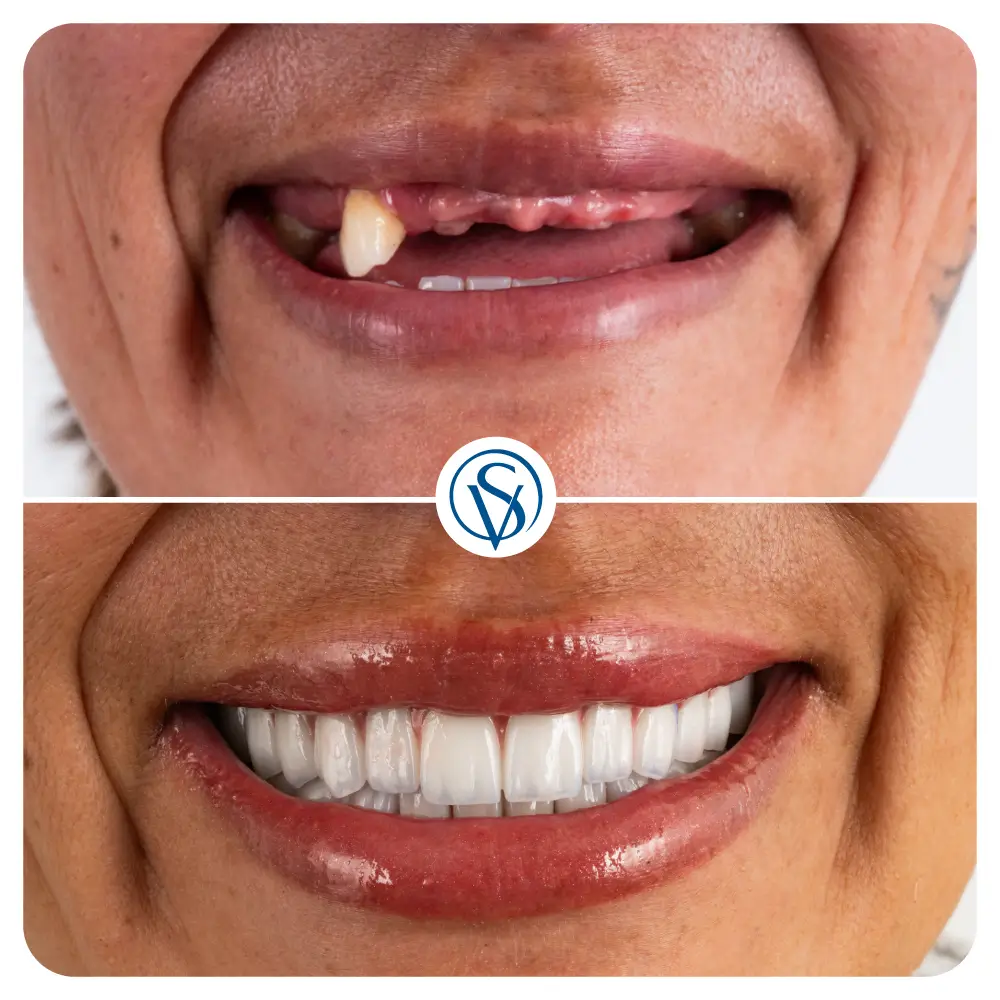
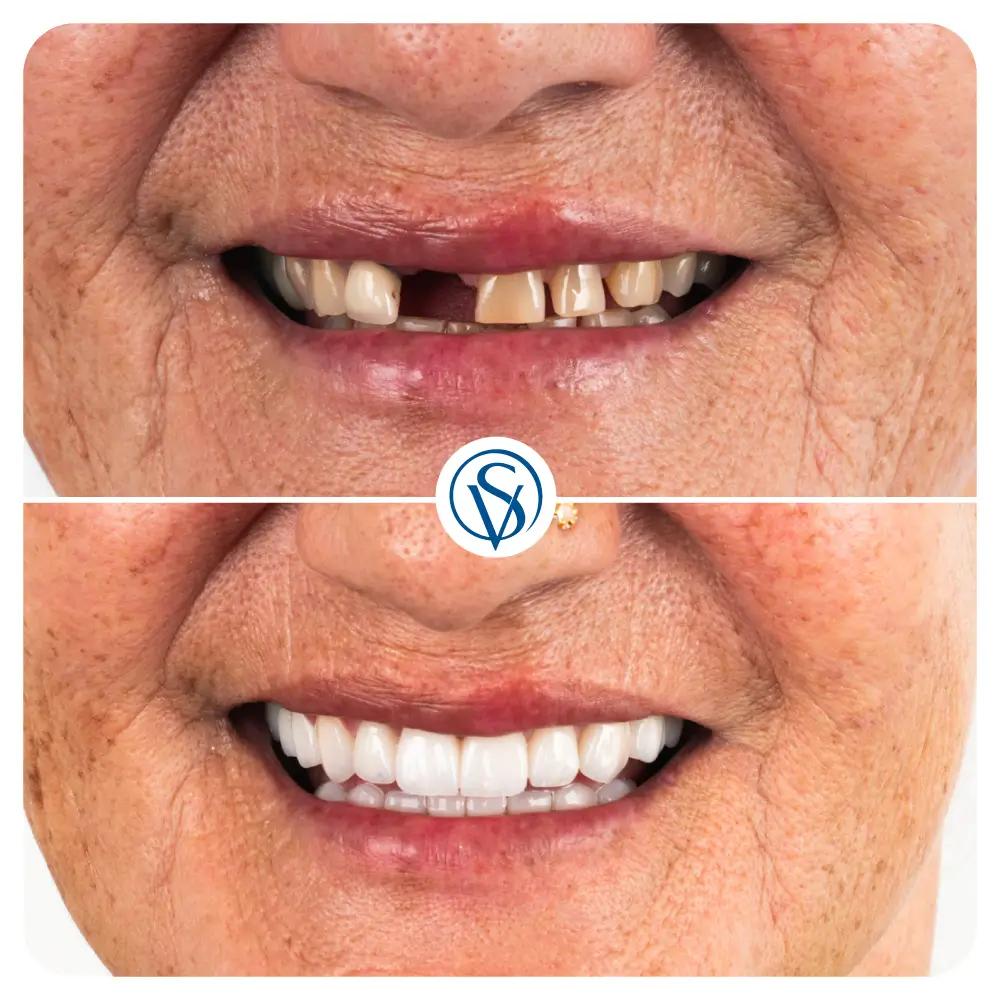
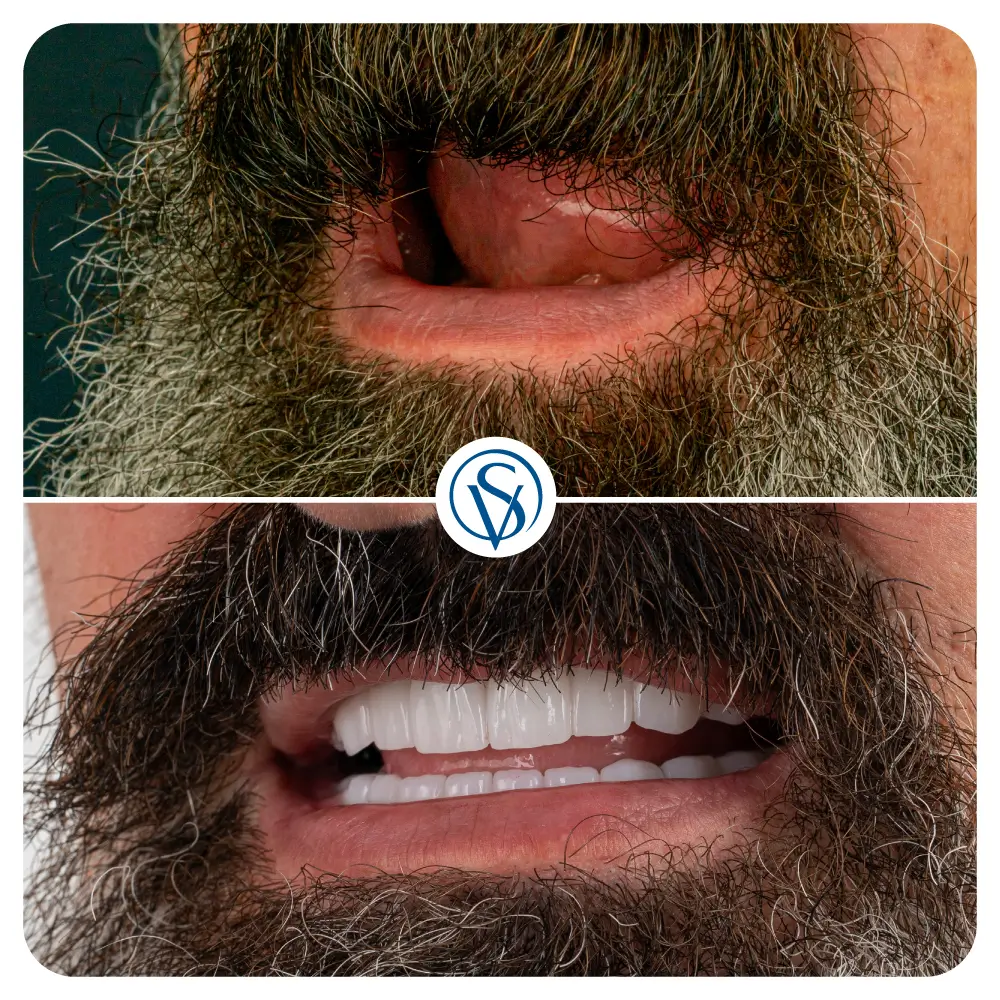
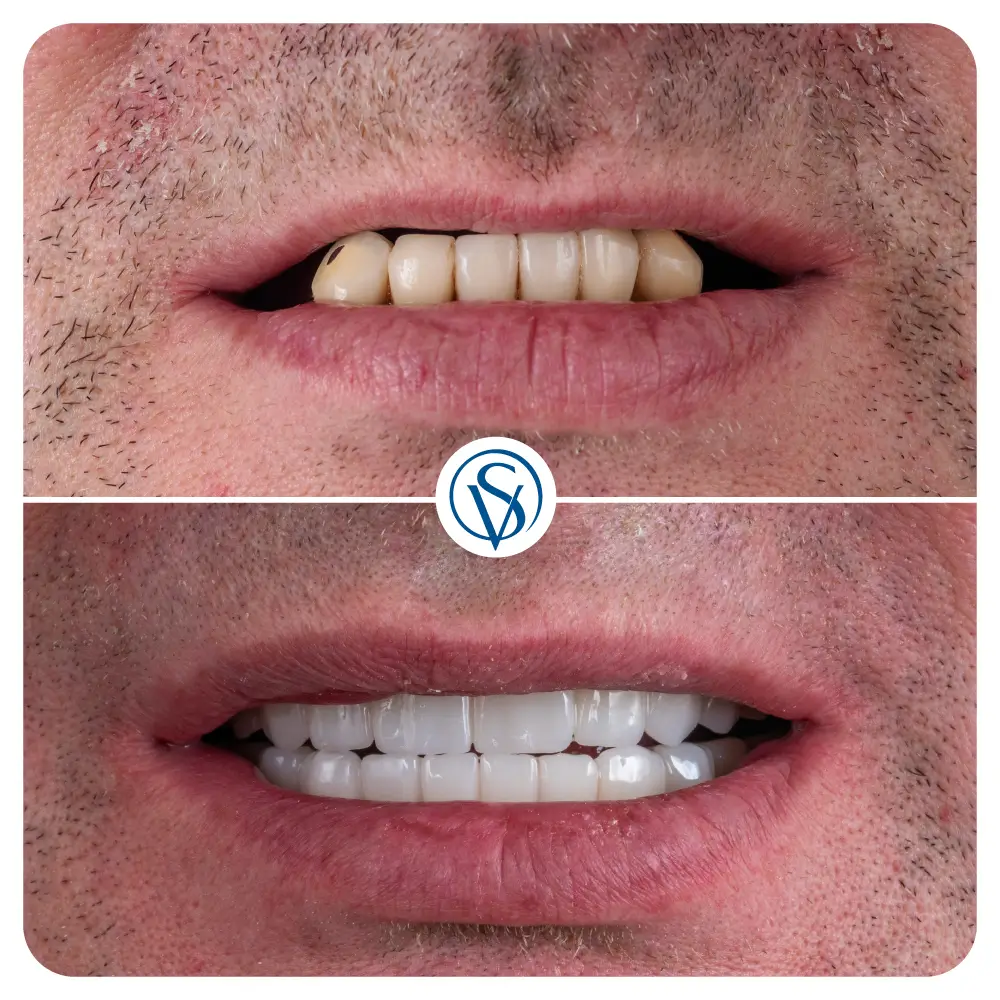
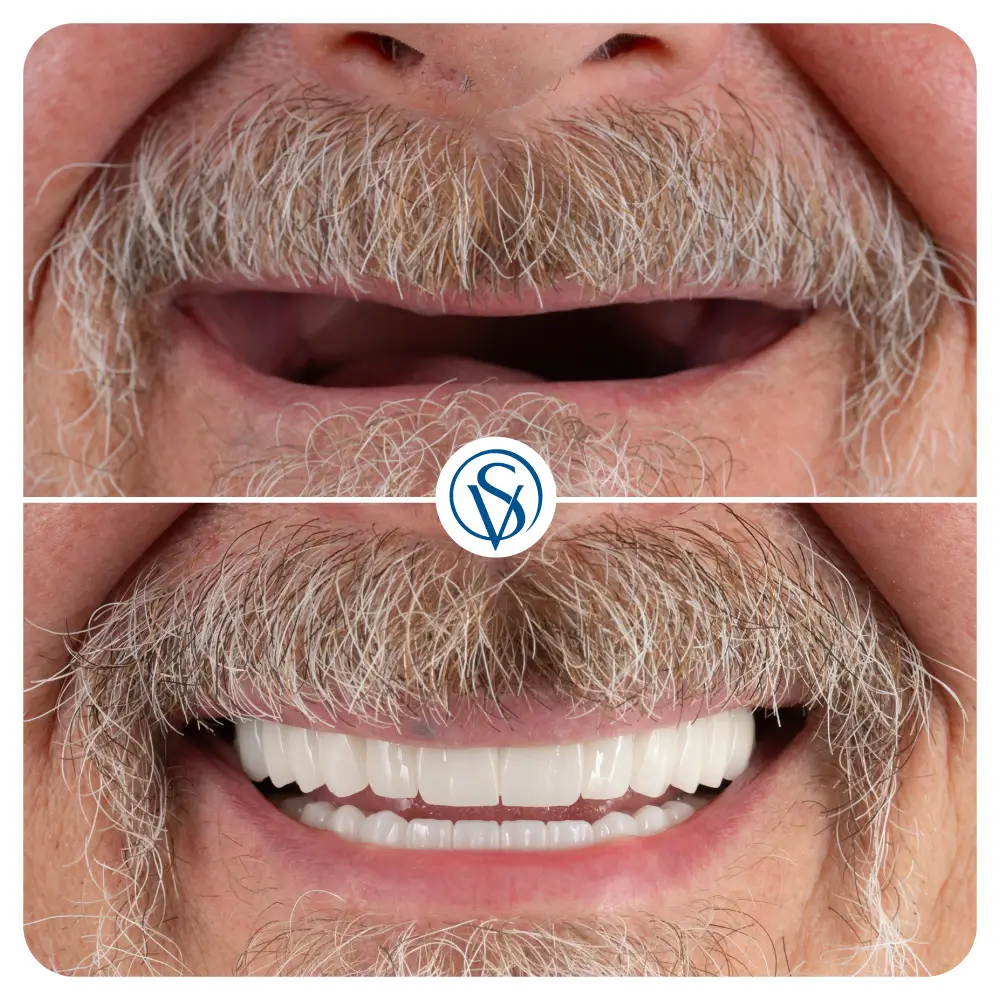
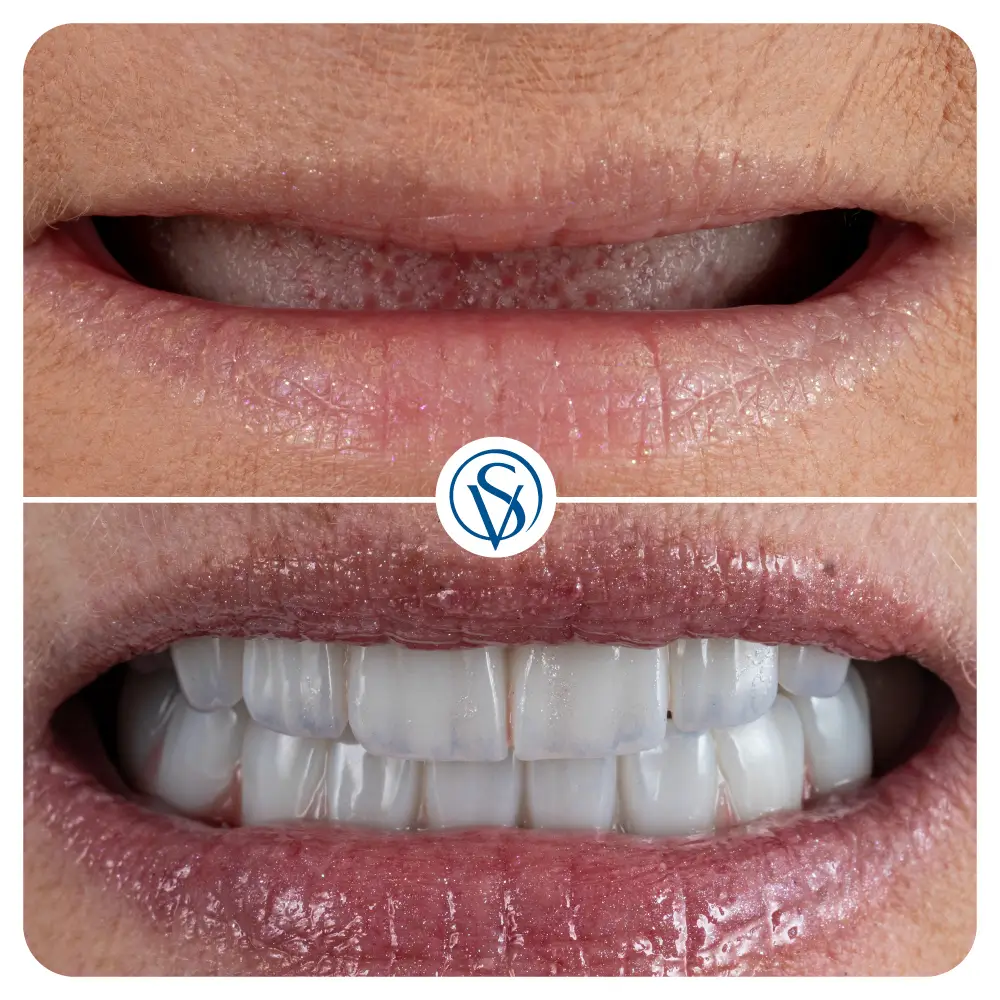
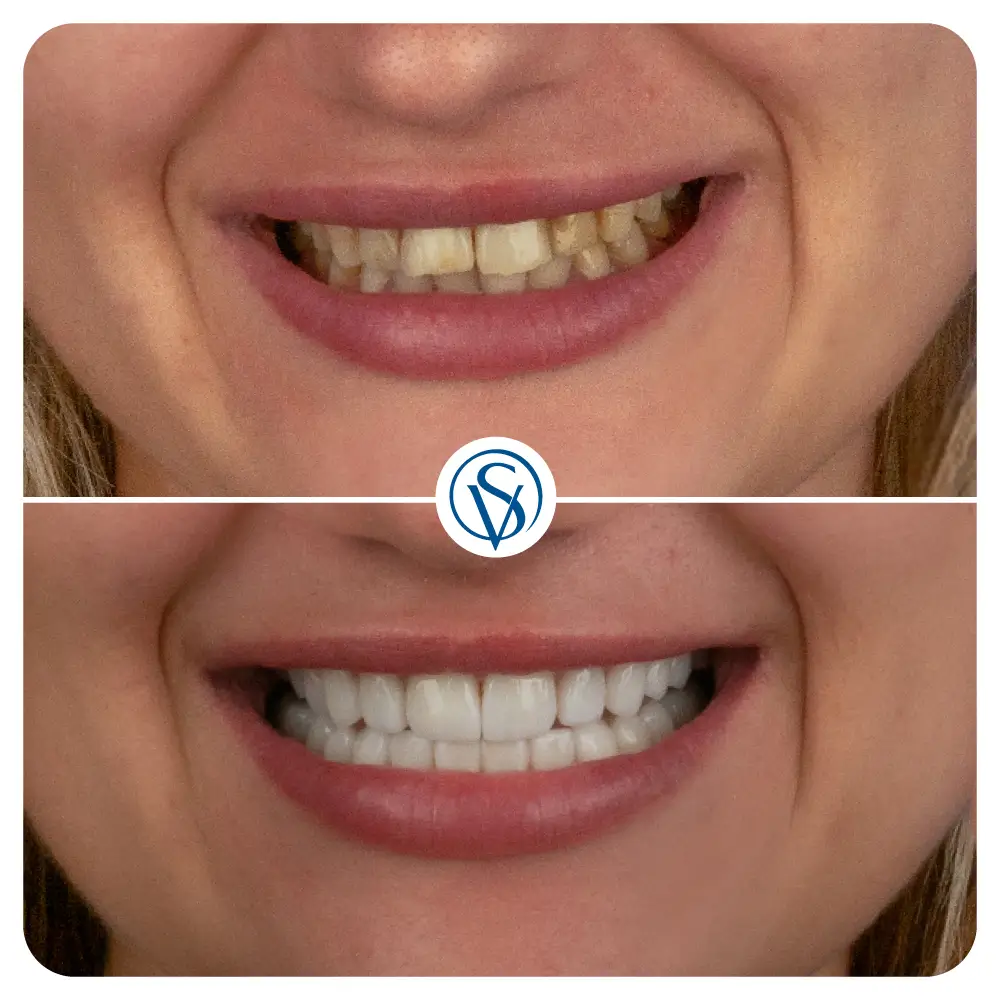
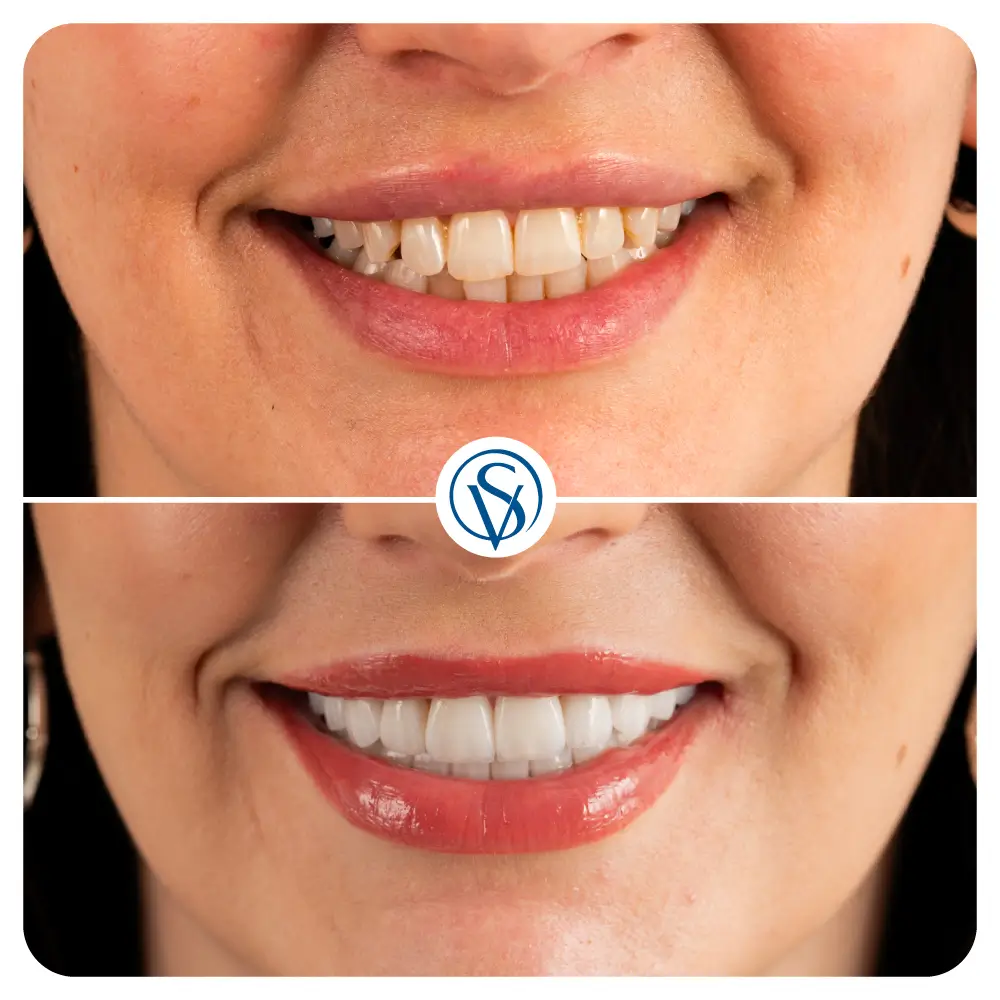
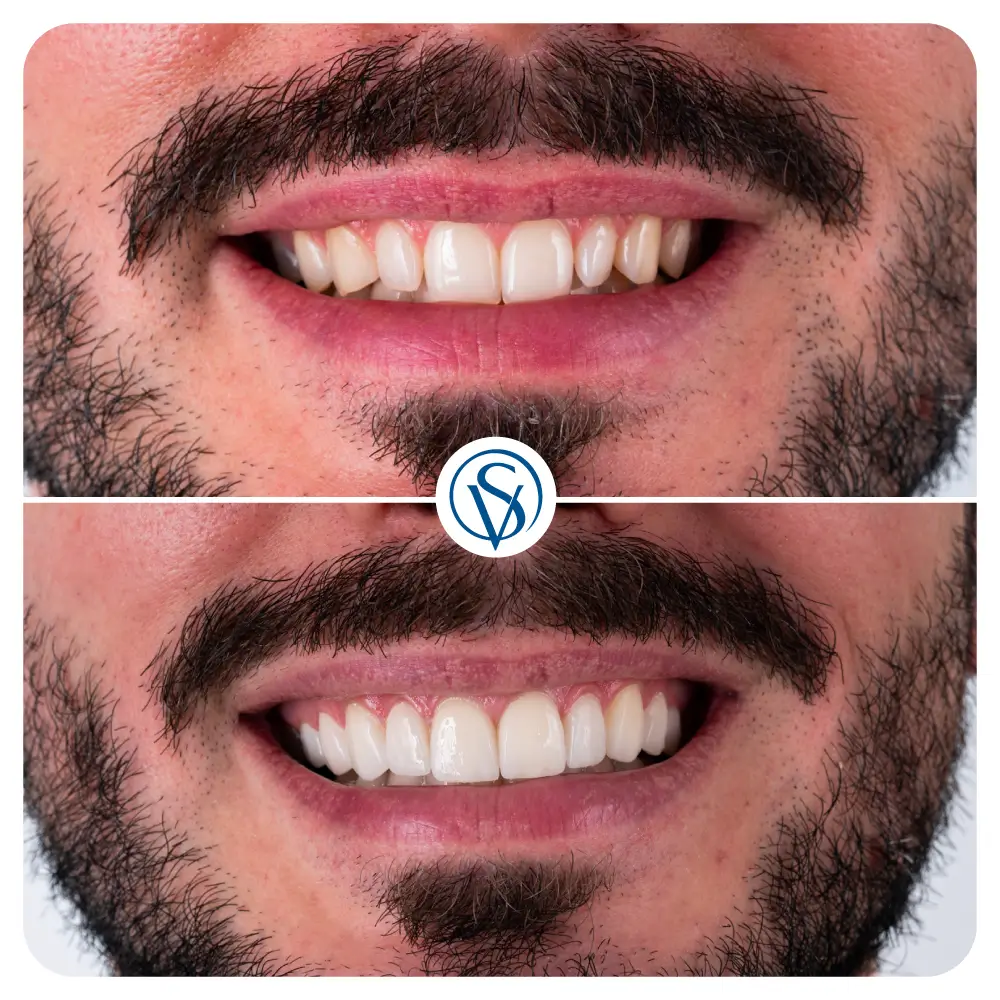
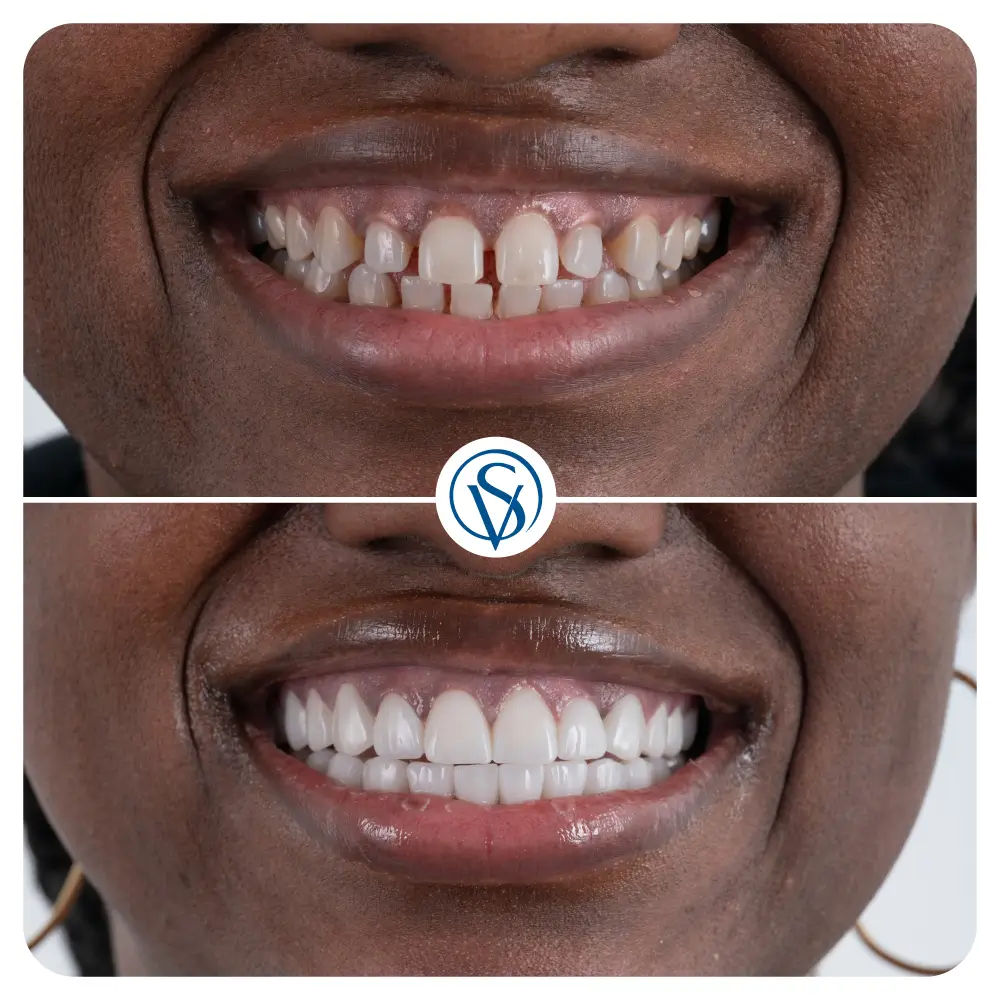
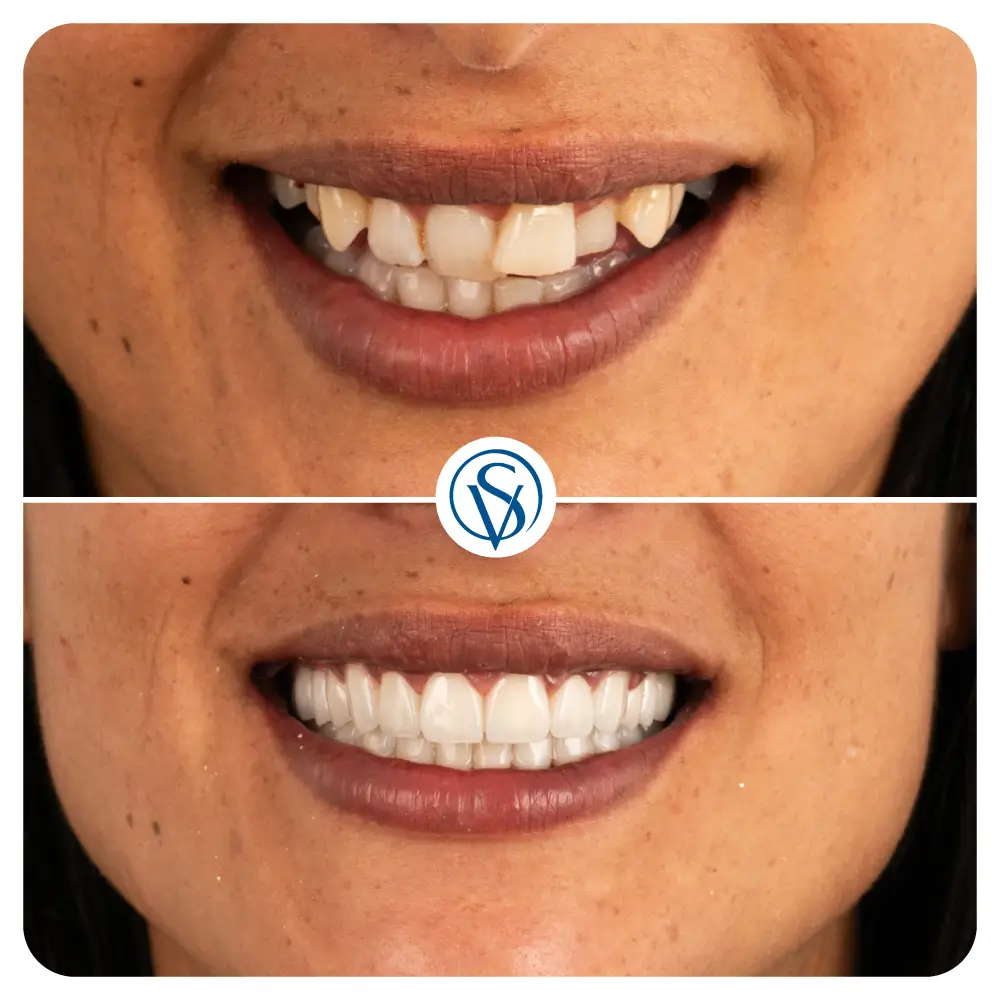
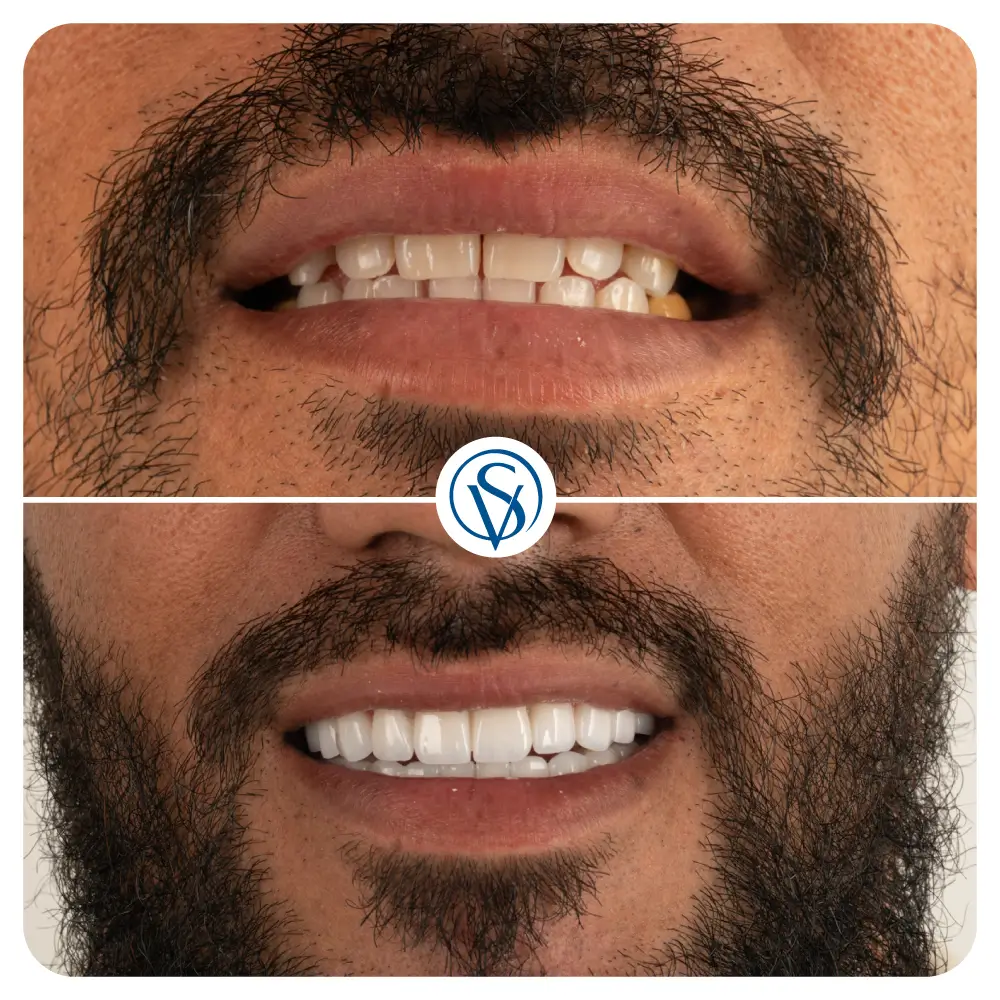
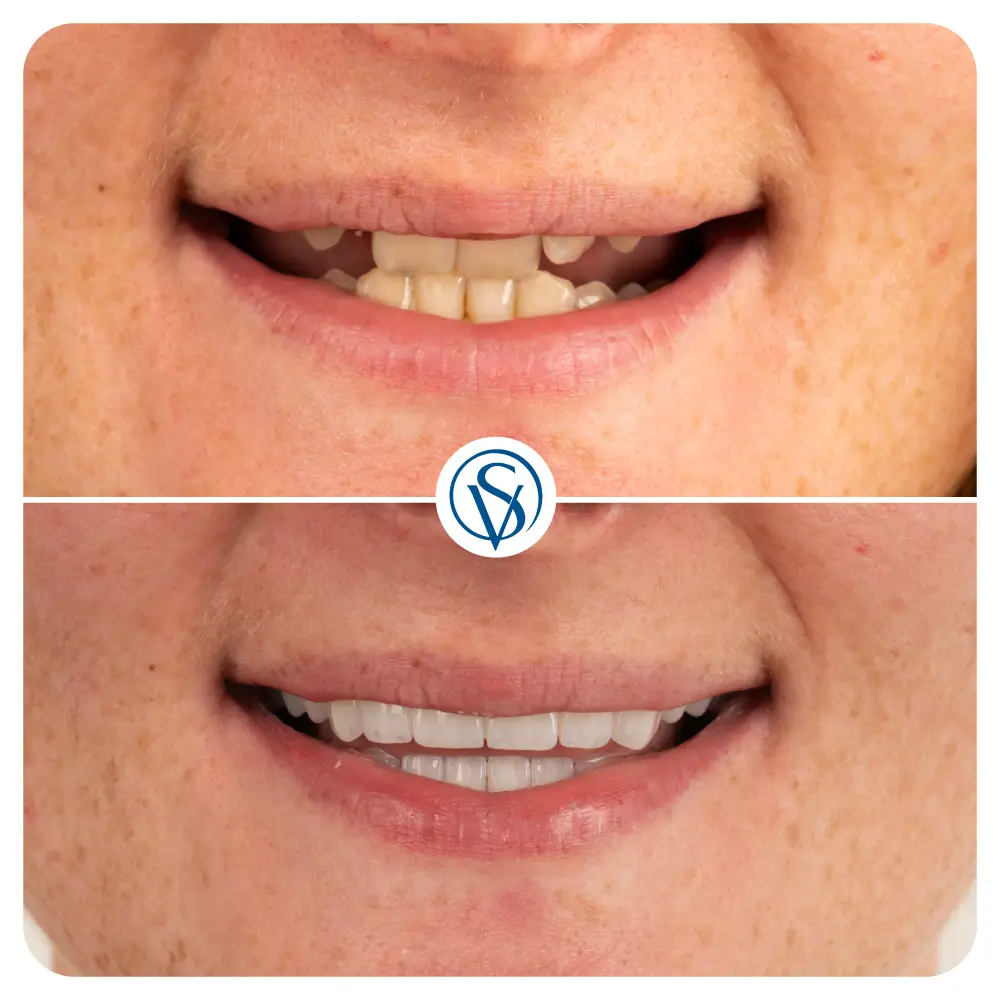
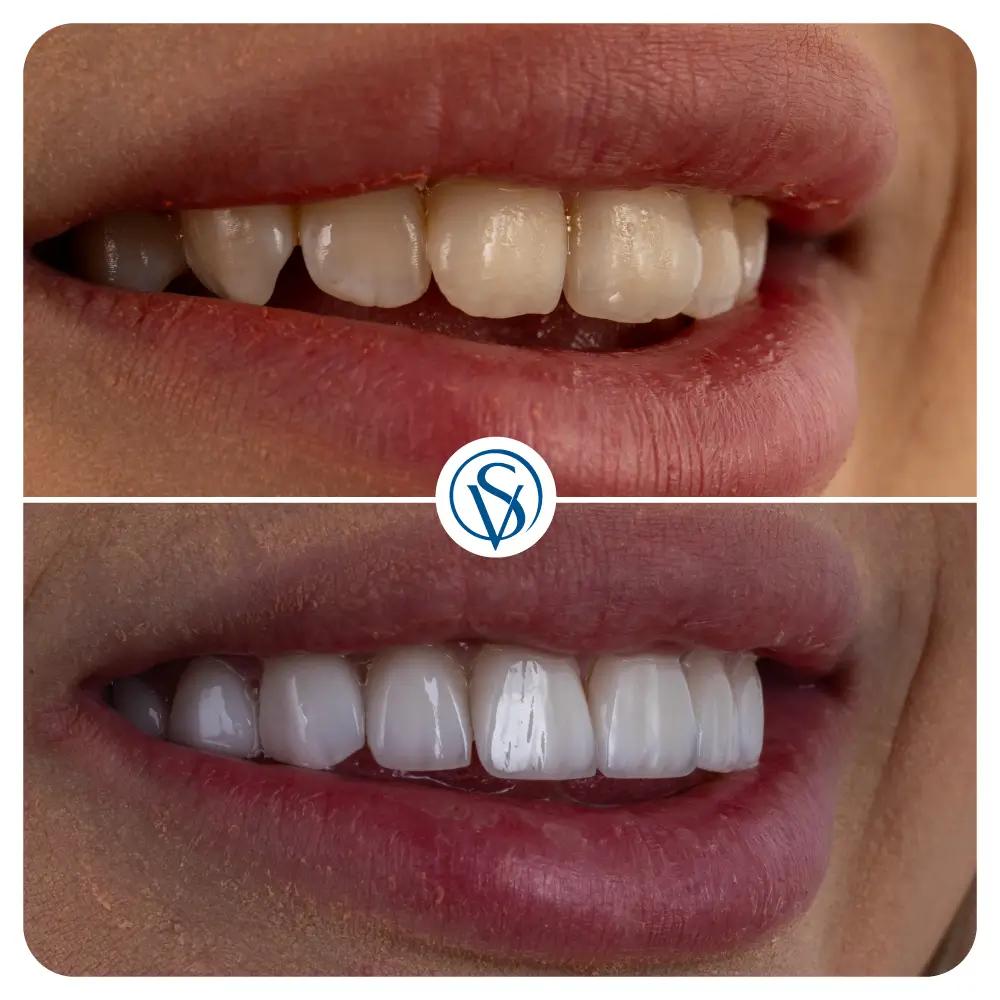
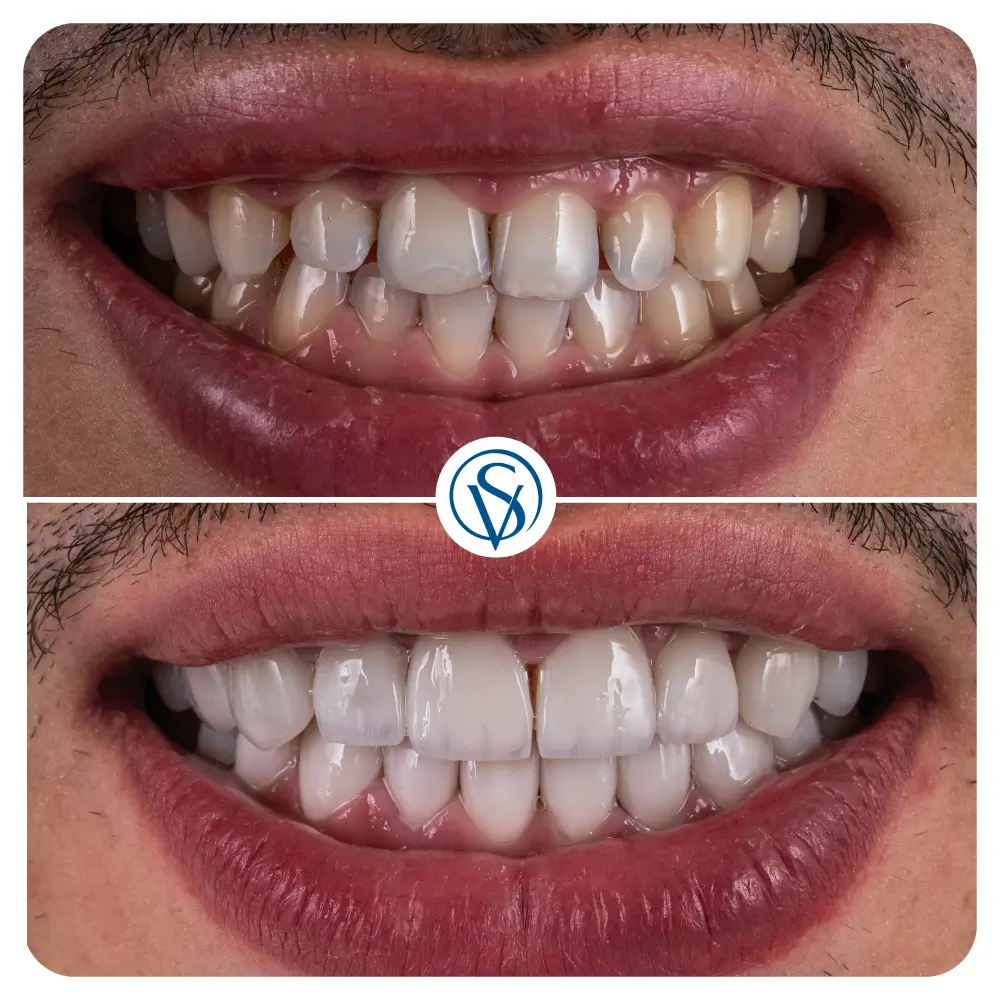
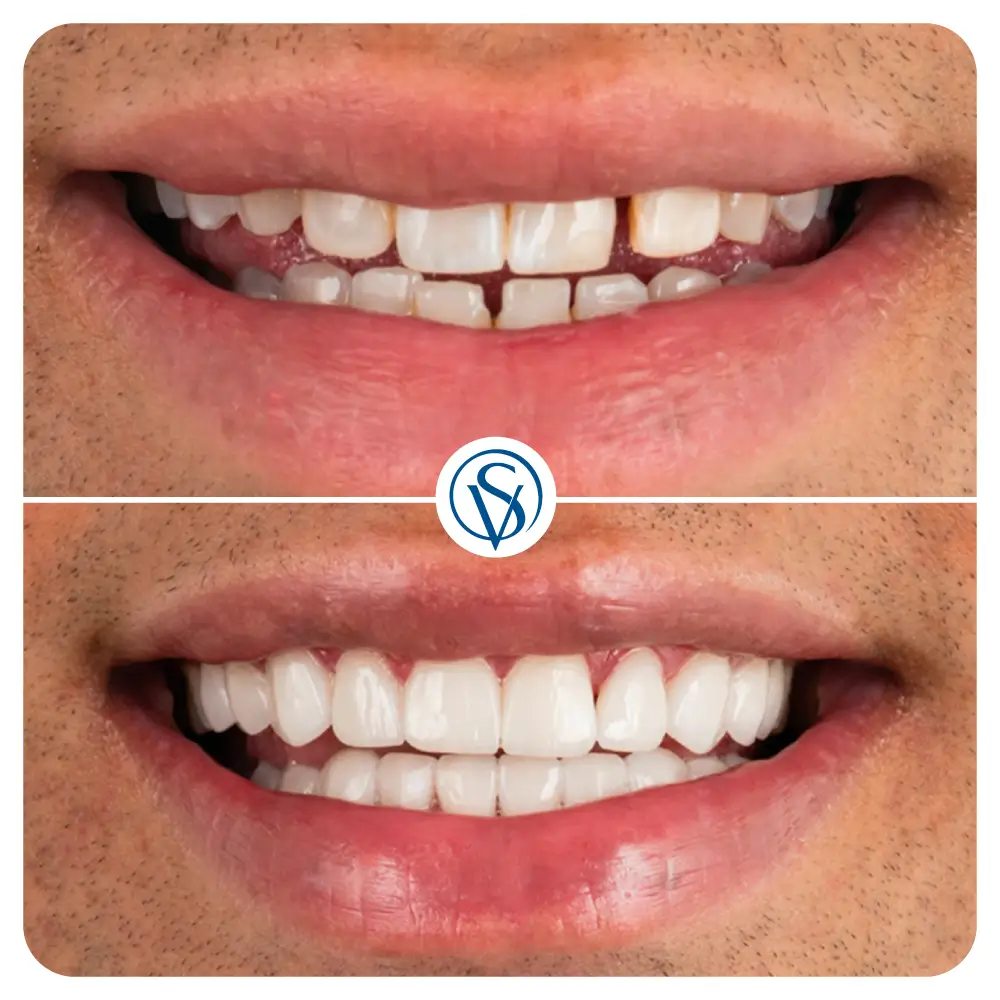
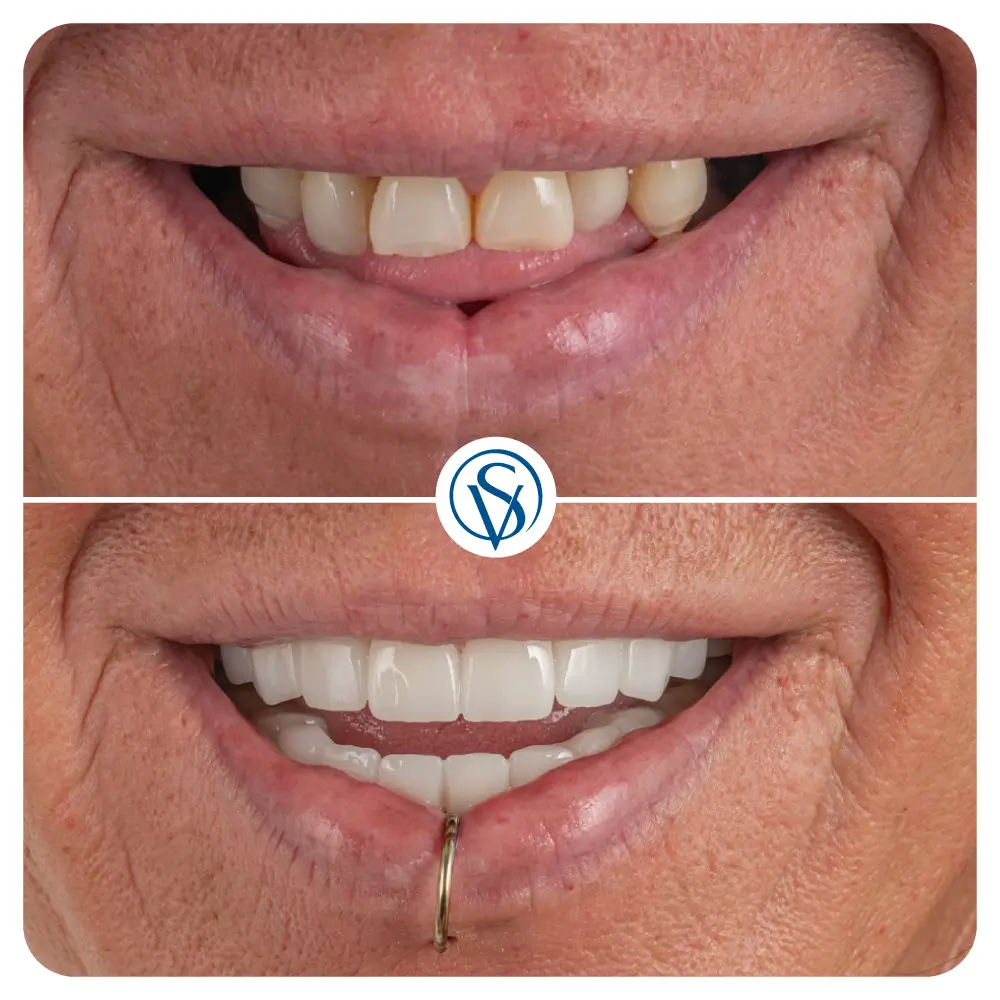
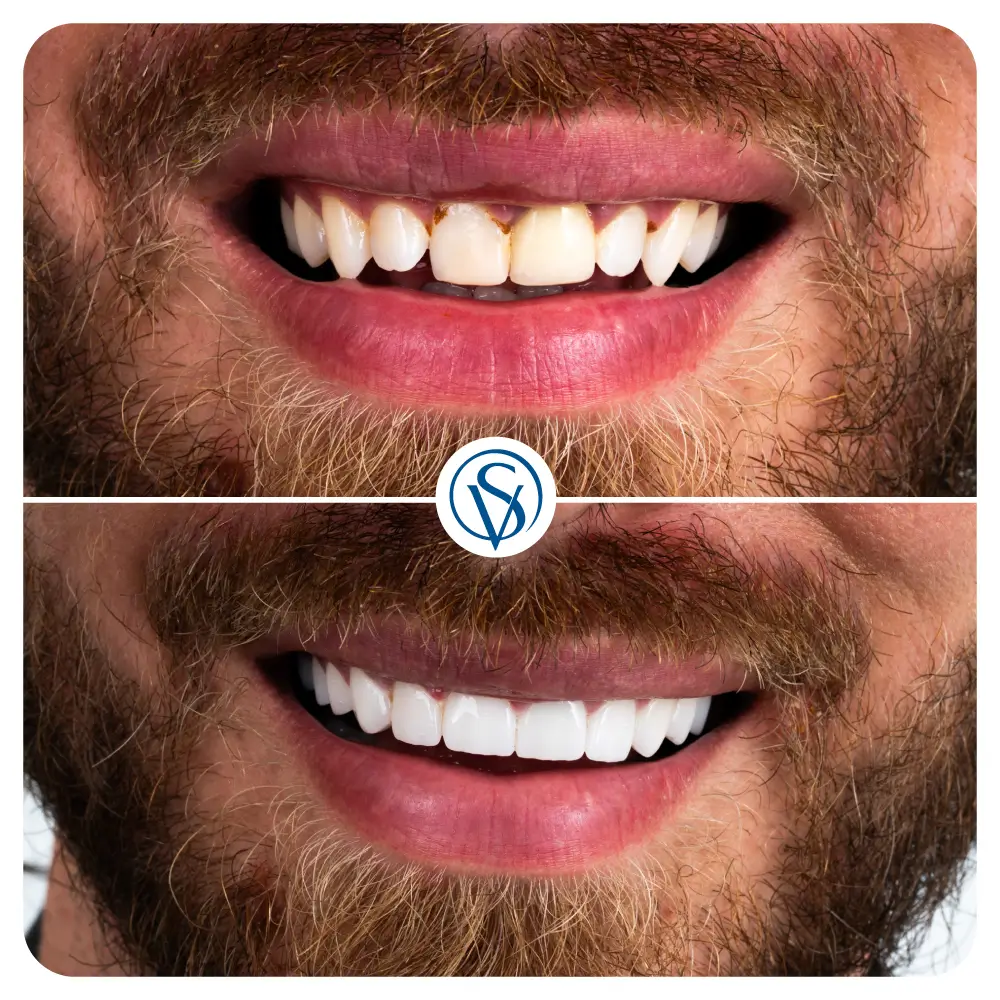
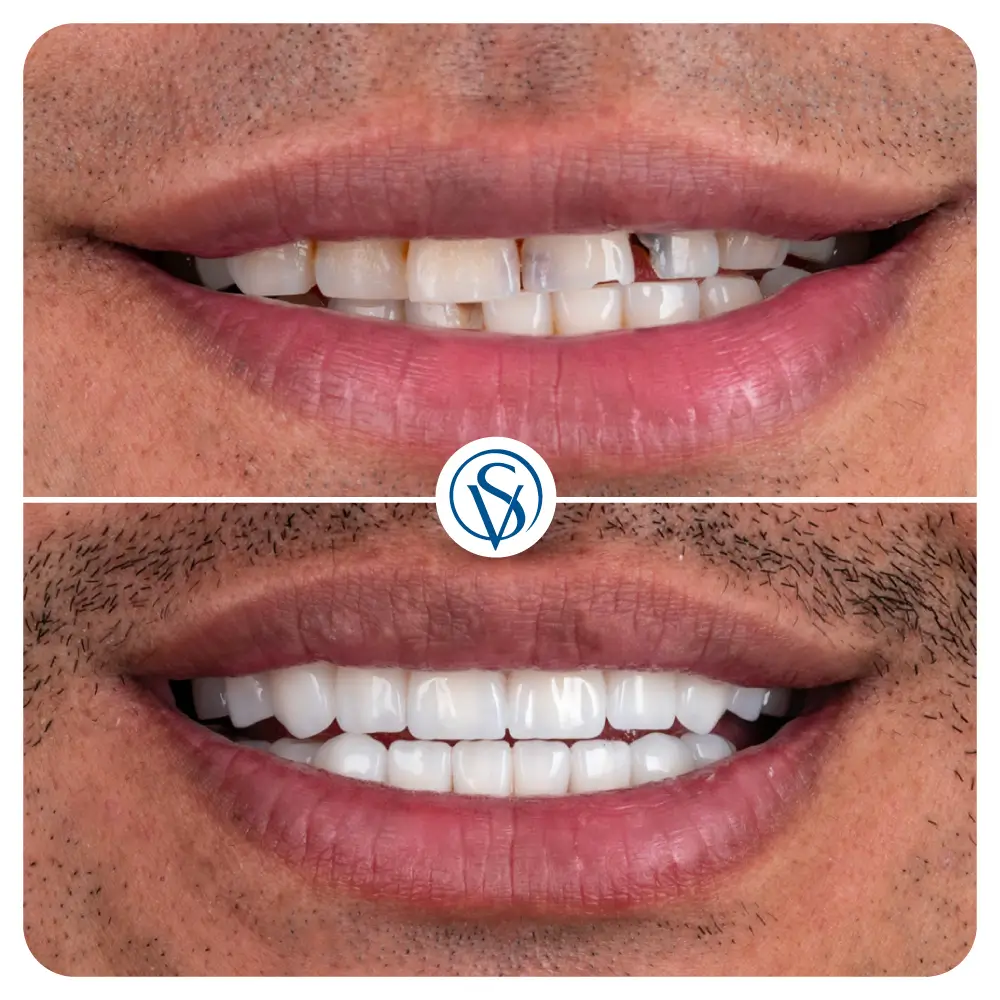
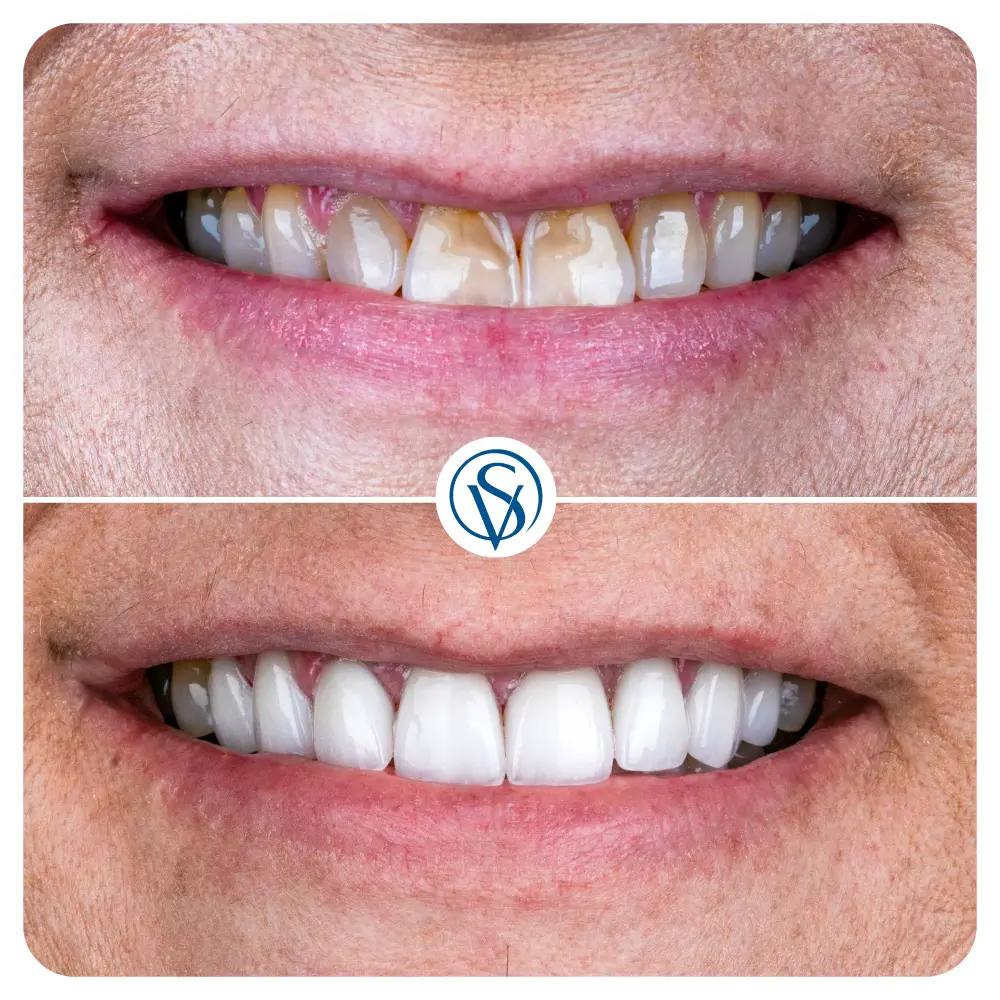
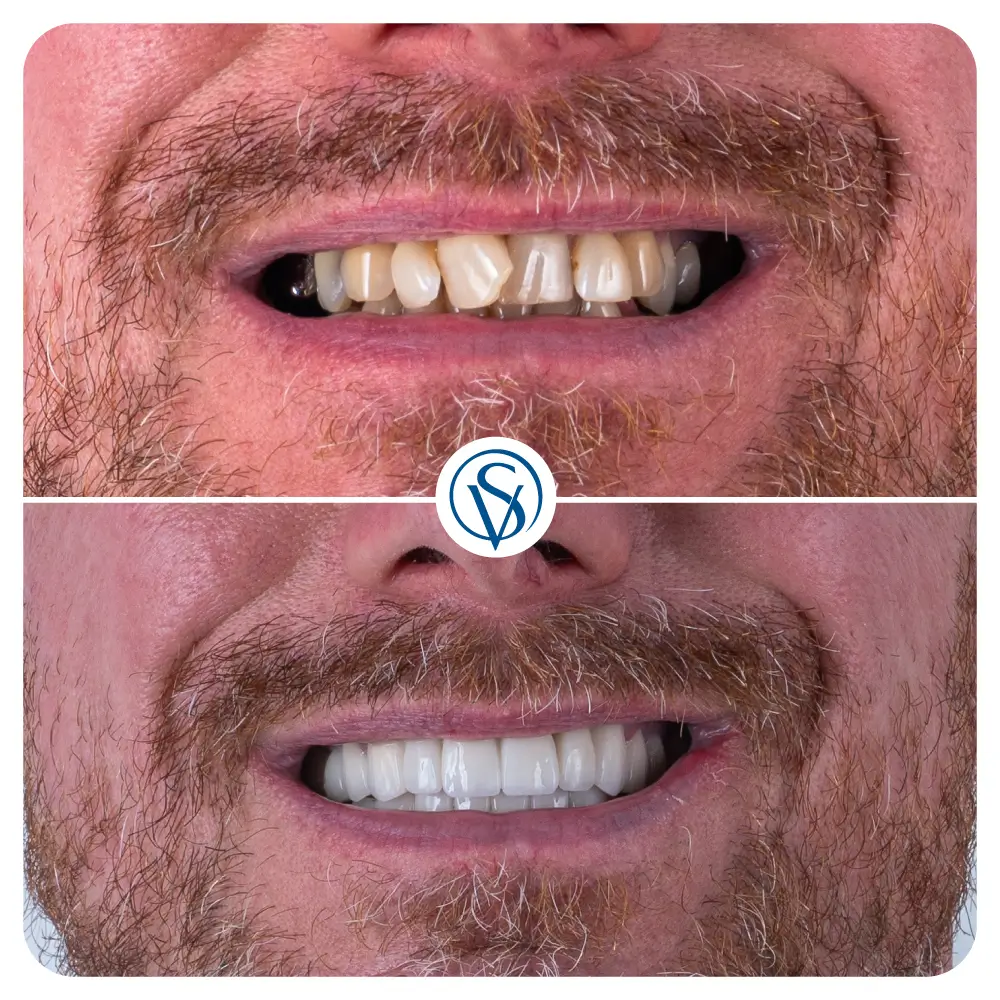
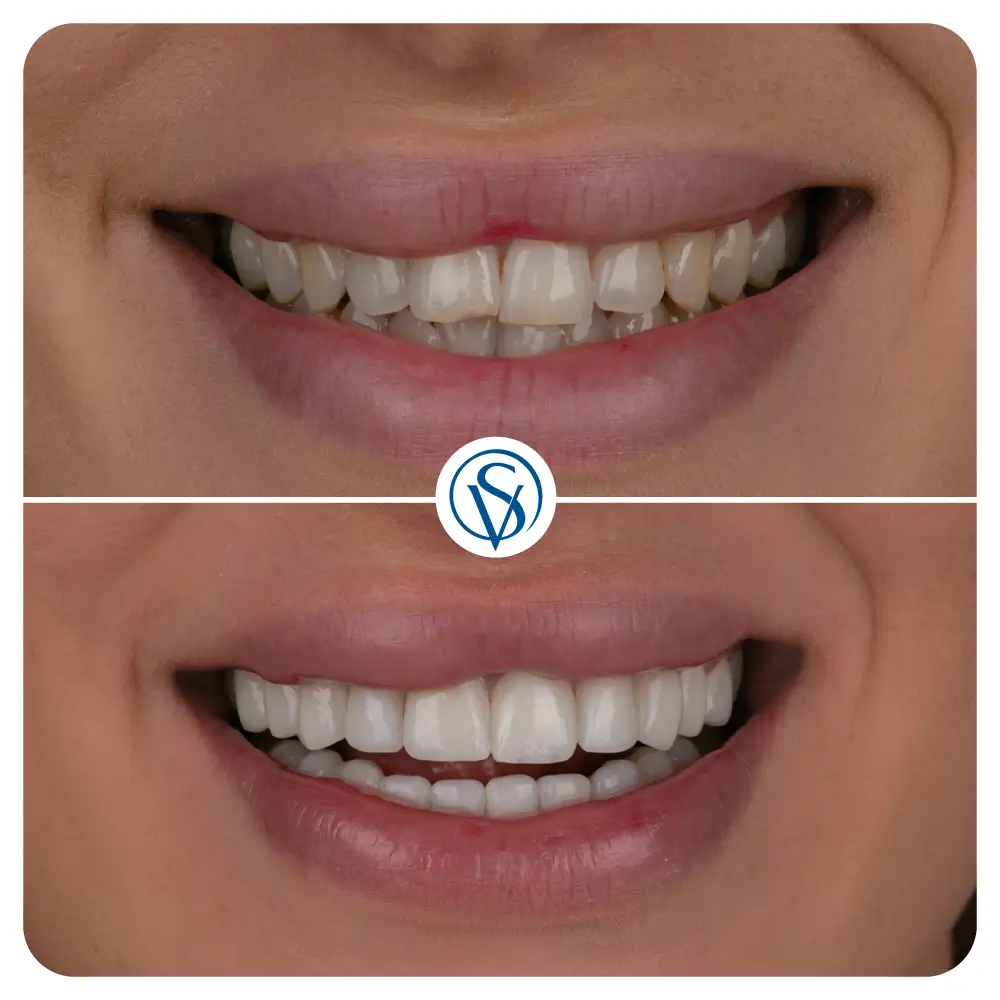
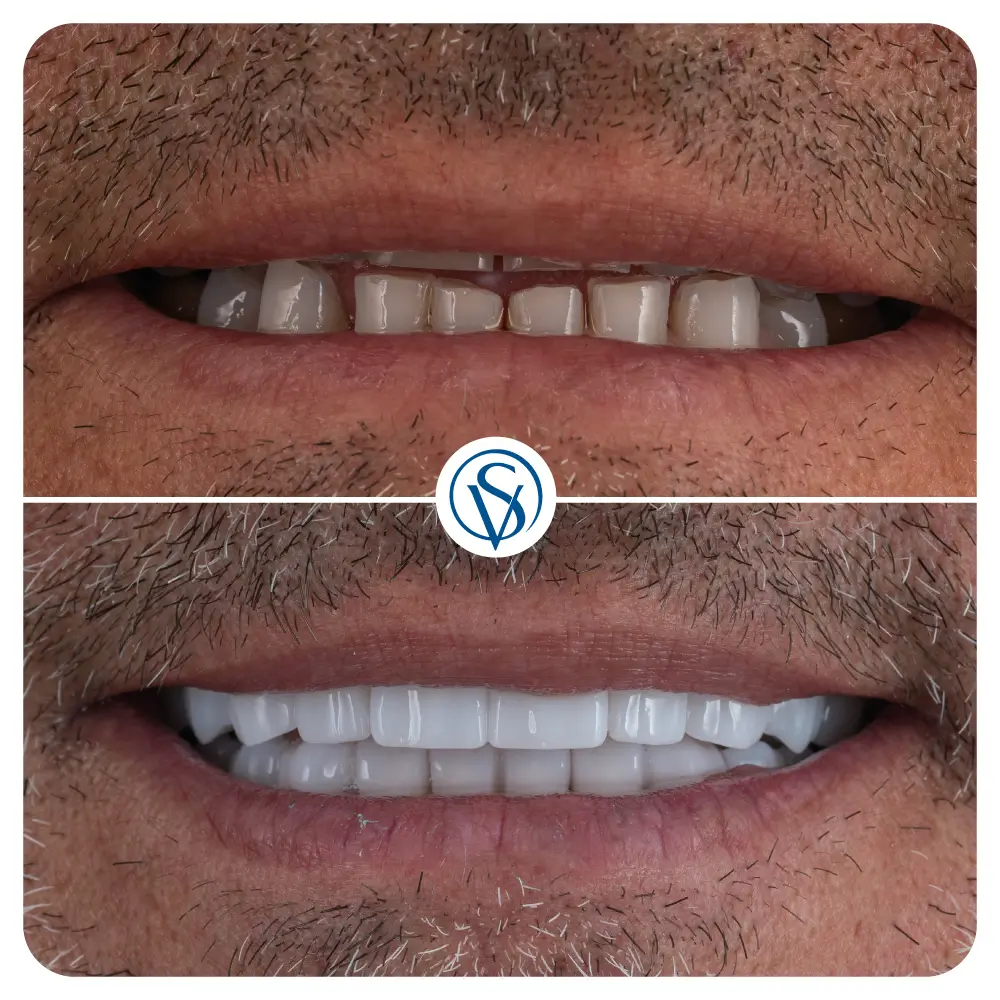
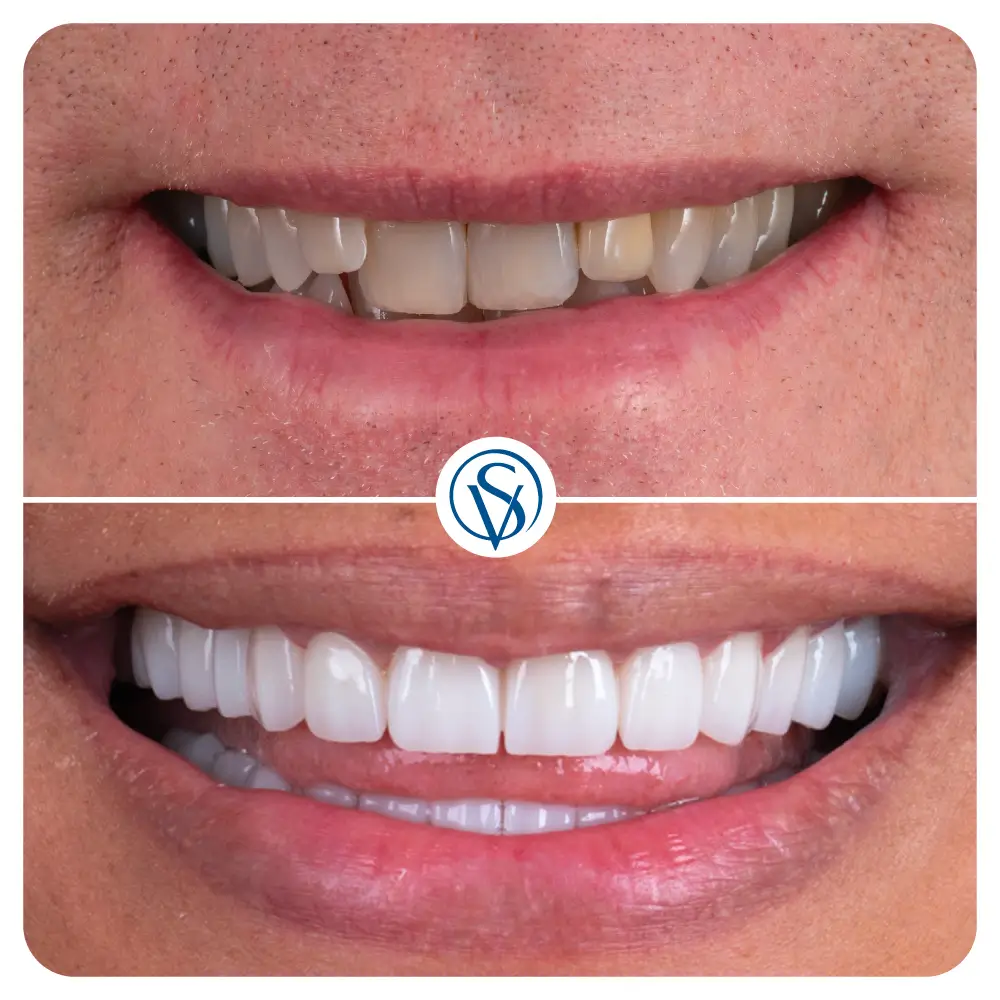
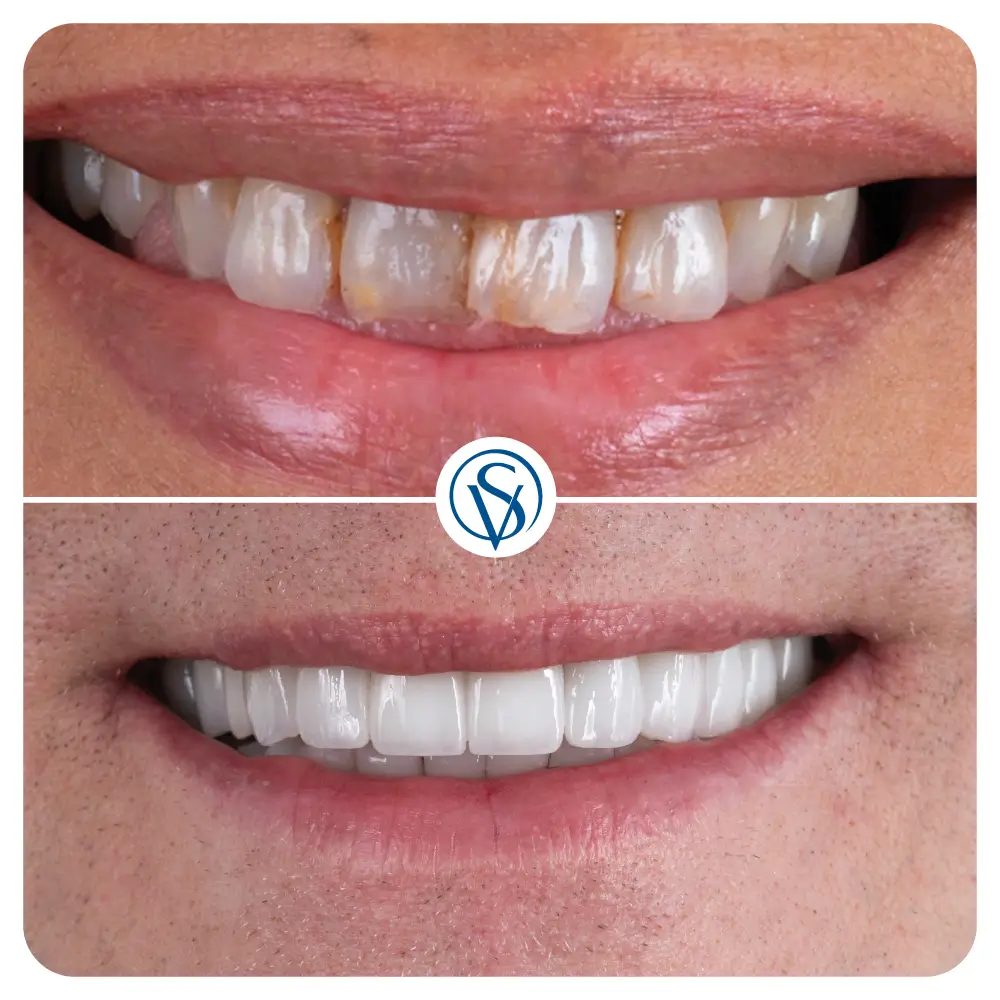
See the real transformations achieved by our patients through advanced dental care in Vera Smile. From veneers and crowns to implants and full smile makeovers, our before-and-after results show the difference modern techniques and experienced dentists can make.
Our Dental Services in Turkey
Explore our range of dental work in Turkey, designed to restore oral health, replace missing teeth, and enhance your smile’s aesthetics, all with internationally accredited care and advanced technology.
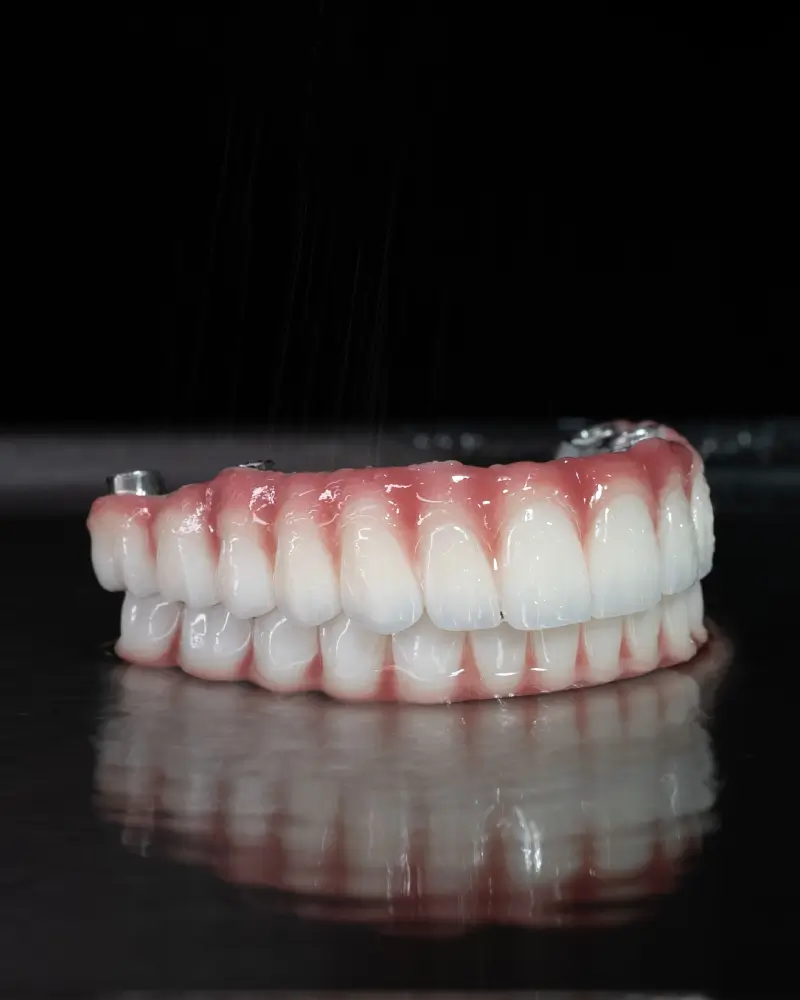
Dental Implants in Turkey
Approx. Cost: €450 – €800
Visits: 2–3
Restorative Dentistry
Dental implants in Turkey are a permanent solution to replace missing teeth, restore chewing ability, and protect jawbone health. Using titanium implants or zirconium implants that fuse naturally with bone, we create strong, natural-looking results that feel just like real teeth. Whether it’s a single tooth replacement, All-on-4 full arch restoration, or bone grafting for jaw support, our internationally accredited oral and maxillofacial surgeons combine surgical precision with advanced technology for predictable, long-term outcomes.
Implants available in:
Single implants
All-on-4
Full mouth implants
Zygomatic implants
- Predictable long-term stability (up to 97% success rate)
- Restores natural chewing and bite
- Prevents bone resorption in the jaw
- Aesthetic, gum-friendly zirconia options for front teeth
- Adults missing one or multiple teeth
- Sufficient bone structure (bone grafting available if needed)
- Good general and oral health, plus commitment to maintenance





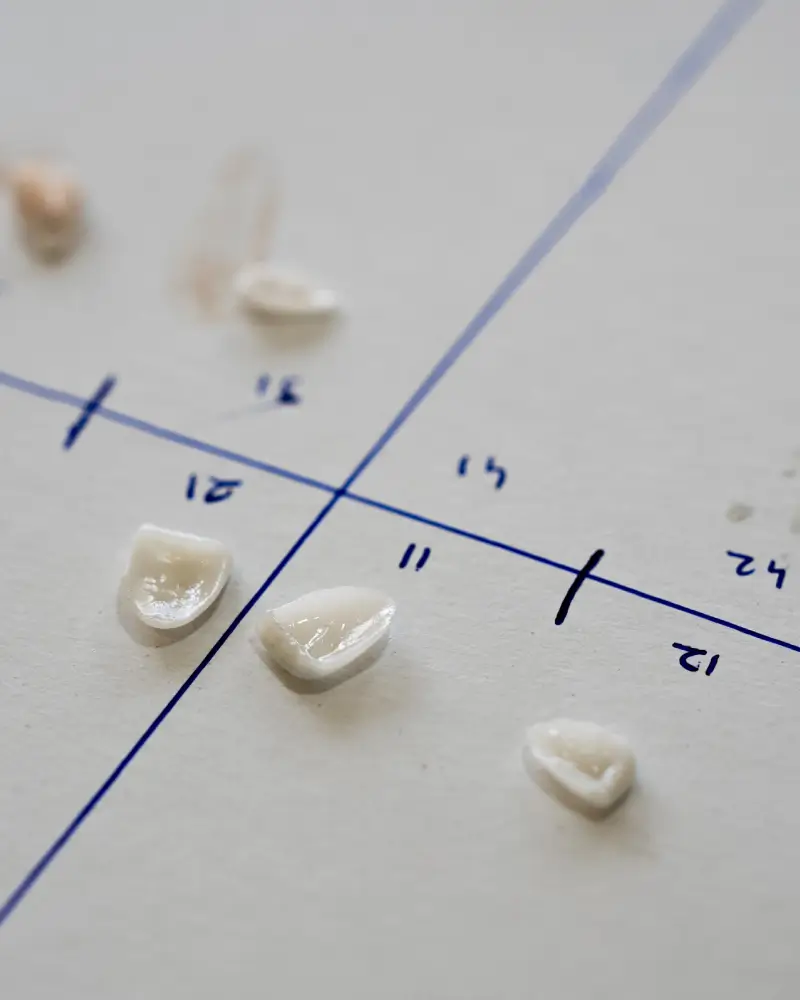
Veneers Turkey
Approx. Cost: €200 – €350 per tooth
Visits: 1–2
Cosmetic Dentistry
Veneers Turkey treatments are designed to transform your smile by improving tooth color, shape, and alignment in just a few days. We offer porcelain and lumineer veneers for maximum durability and lifelike translucency, and composite veneers for quicker, budget-friendly enhancements. Whether part of a full smile makeover or a single-tooth fix, each veneer is custom-made to blend seamlessly with your natural teeth, creating a brighter, more balanced appearance.
Book Free Consultation- Immediate improvement in tooth aesthetics
- Corrects chips, cracks, gaps, and discoloration
- Long-lasting results (10–15 years)
- Stain-resistant materials for a lasting bright smile
- Patients with healthy teeth and gums
- Those wanting to improve tooth shape, size, or color
- People seeking to close gaps or correct mild misalignment

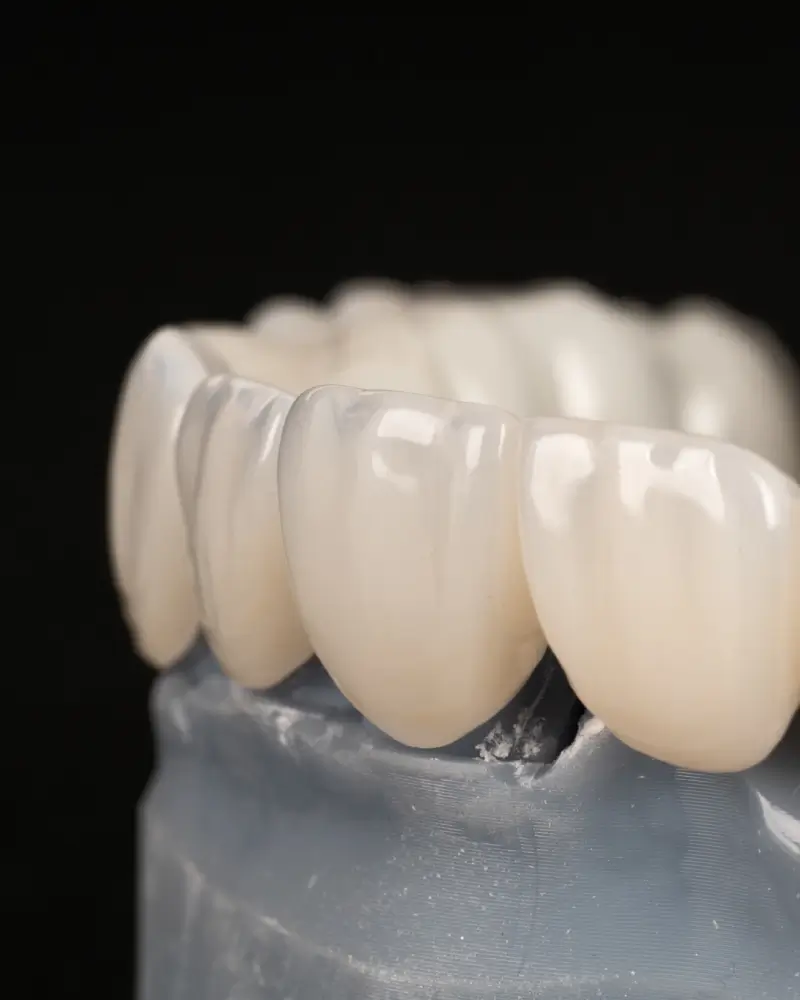
Dental Crowns in Turkey
Approx. Cost: €200 – €400 per crown
Visits: 1–2
Cosmetic Dentistry
Dental crowns in Turkey are custom-made caps that restore damaged, weakened, or aesthetically compromised teeth. Using advanced materials like zirconia crowns, E.max crowns, and porcelain crowns, we rebuild tooth structure, improve bite alignment, and create a natural-looking smile. Crowns are often recommended after large fillings, root canal treatments, or to cover dental implants, blending durability with lifelike aesthetics.
Book Free Consultation- Strengthens and protects weak or fractured teeth
- Restores bite function and chewing comfort
- Long-lasting (10–15 years)
- Natural shade matching for seamless integration
- Patients with severely decayed or broken teeth
- Those needing coverage after root canal treatment
- Implant patients requiring a permanent crown restoration

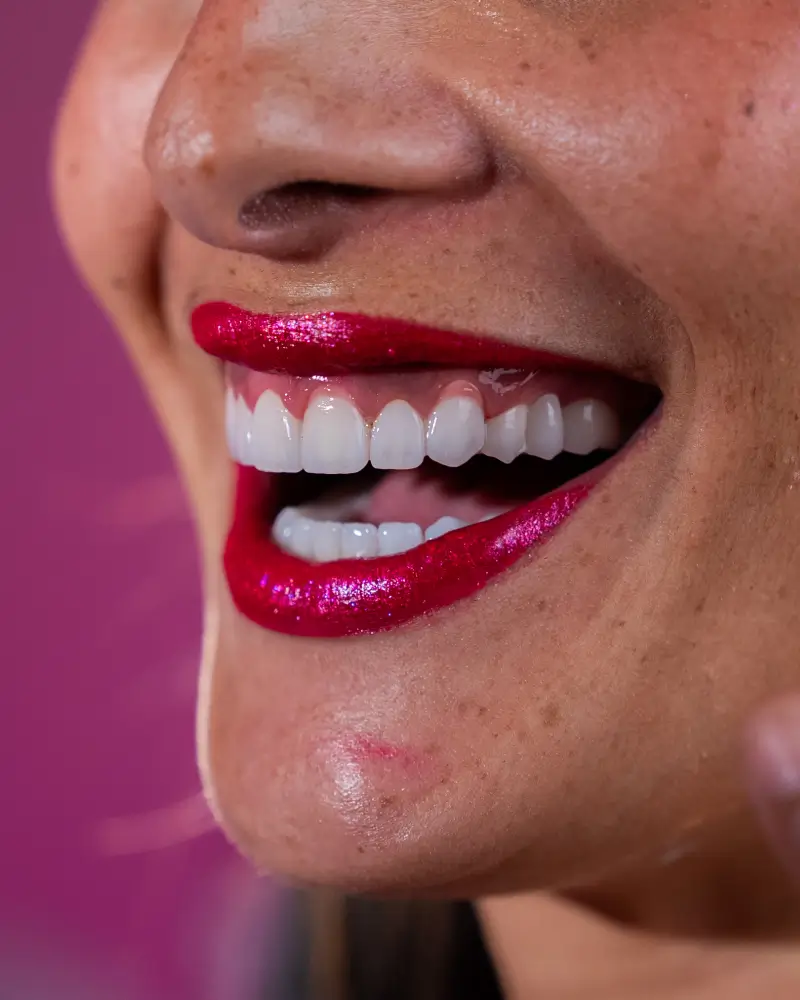
Hollywood Smile Turkey
Approx. Cost: €2,500 – €5,000
Visits: 1–2
Cosmetic Dentistry
Hollywood Smile Turkey treatments are designed to create a flawless, symmetrical, and bright smile tailored to your facial features. This makeover often combines veneers, crowns, teeth whitening, gum contouring, and in some cases, implants to address both aesthetics and function. Using advanced digital smile design (DSD), we preview your results before starting, ensuring your new smile looks natural while meeting your personal style goals.
Implants available in:
Veneers
Teeth Whitening
Dental Implants
- Immediate transformation of smile aesthetics
- Corrects discoloration, misalignment, gaps, and uneven gums
- Custom shade and shape for a natural or ultra-white look
- Boosts facial harmony and overall confidence
- Patients with healthy teeth and gums seeking aesthetic improvement
- Those with chipped, stained, or uneven teeth
- Individuals wanting a complete smile redesign in minimal time
Teeth Whitening Turkey
Approx. Cost: €150 – €500
Visits: Single
Cosmetic Dentistry
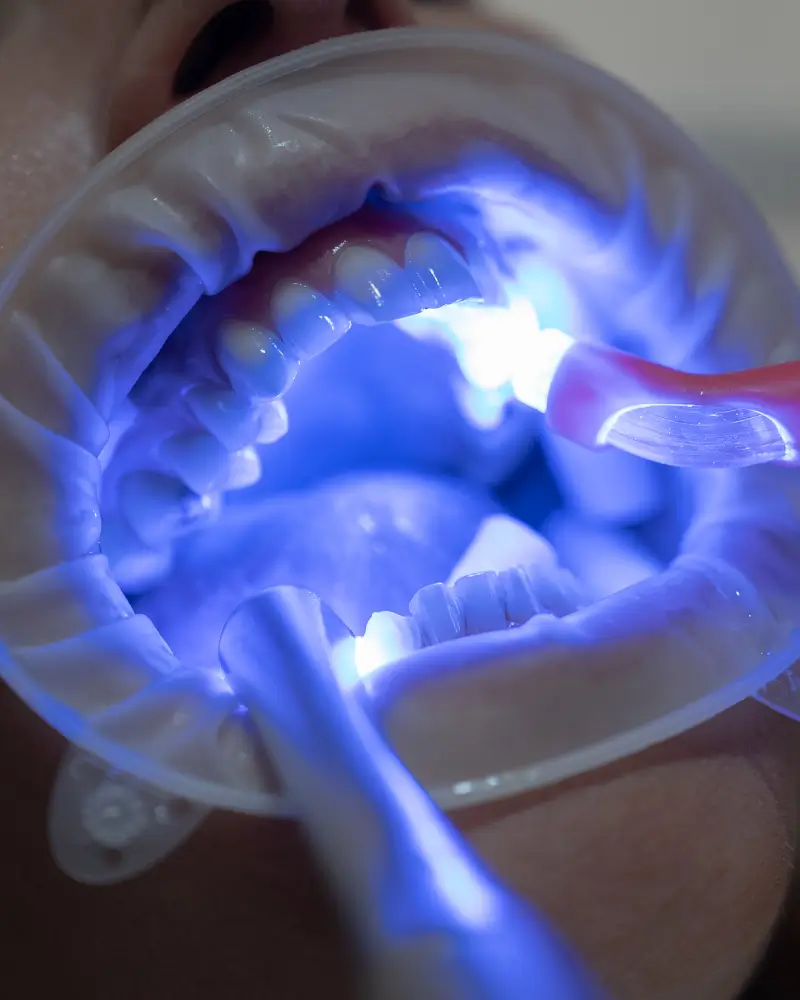
Teeth whitening Turkey treatments brighten your smile by safely removing deep stains and discoloration caused by coffee, tea, smoking, or aging. We offer laser whitening with UV light for instant results in a single appointment. All products are dentist-approved, ensuring enamel safety while achieving noticeable shade changes.
Book Free Consultation- Quick, visible results in just one session
- Safe, enamel-friendly formulations
- Long-lasting brightness with proper maintenance
- Affordable compared to many EU, US, and UK clinics
- Adults with healthy teeth and gums
- Patients with surface staining or mild discoloration
- Those seeking a fast cosmetic refresh before events or photography

Dental Bridge Turkey
Approx. Cost: €400 – €800 per bridge
Visits: 1–2
Restorative Dentistry
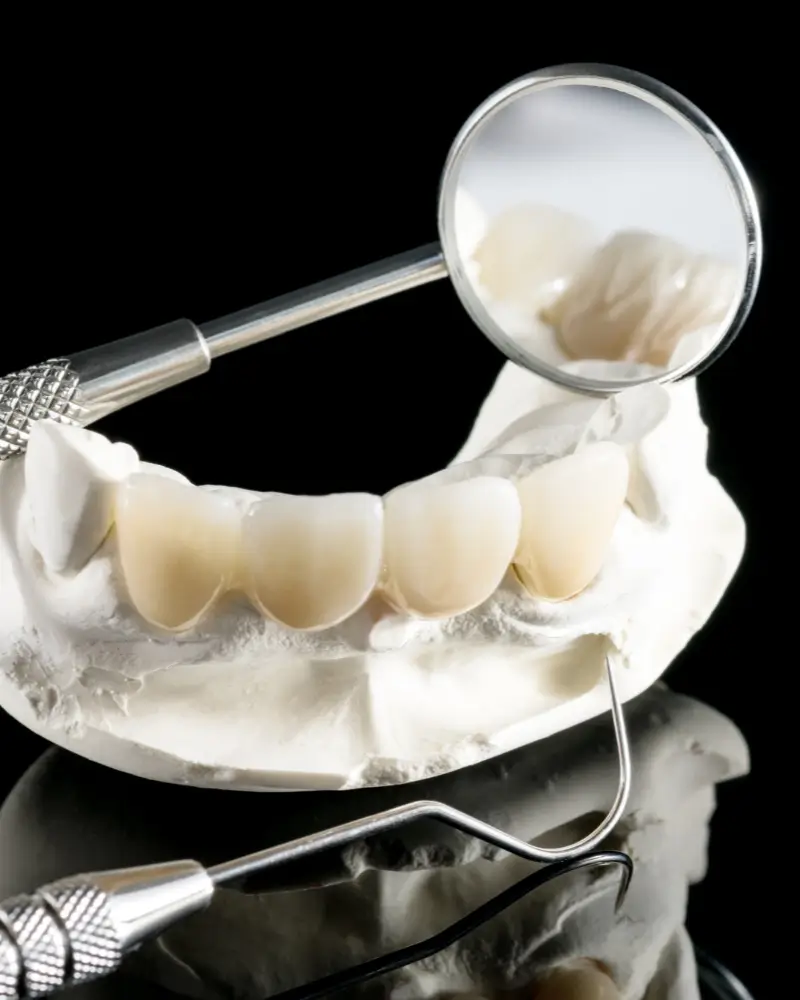
Dental bridge Turkey treatments restore missing teeth by anchoring a custom-made bridge to surrounding healthy teeth or dental implants. We provide both traditional bridges and implant-supported bridges, ensuring stability, natural appearance, and restored bite function. Bridges not only improve smile aesthetics but also prevent teeth from shifting out of position, protecting jaw alignment and long-term oral health.
Book Free Consultation- Restores chewing ability and speech clarity
- Prevents shifting of surrounding teeth
- Aesthetic, natural-looking design
- Long-lasting with proper oral care
- Patients missing one or more adjacent teeth
- Good oral health and strong supporting teeth or implants
- Those looking for a fixed alternative to dentures
Dentures Turkey
Approx. Cost: €300 – €800
Visits: 1–2
Restorative Dentistry
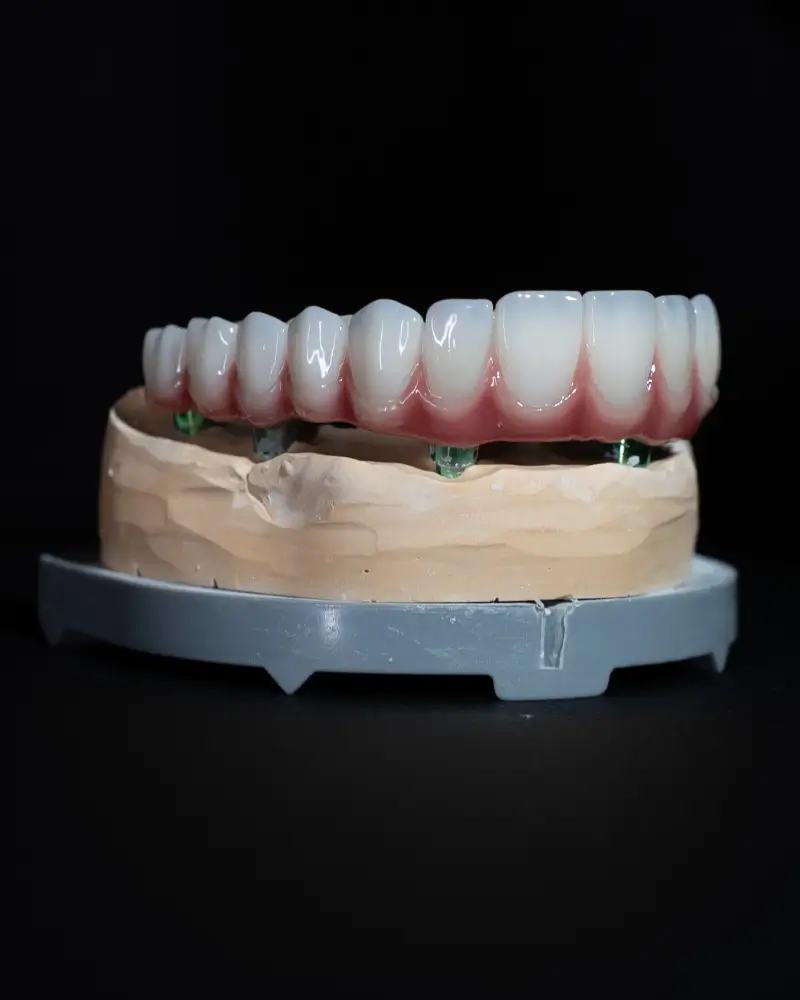
Dentures Turkey treatments provide a reliable and affordable solution for replacing multiple missing teeth. We offer complete dentures for full-arch tooth loss, partial dentures for patients with some remaining natural teeth, and implant-supported dentures for maximum stability and comfort. Each denture is custom-crafted to match your bite, facial structure, and smile aesthetics, allowing you to eat, speak, and smile with renewed confidence.
Implants available in:
Partial dentures
Implant-supported dentures
- Restores full chewing function and smile aesthetics
- Affordable alternative to full-mouth implants
- Custom fit for comfort and stability
- Option for implant-supported designs for extra security
- Patients missing several or all teeth in an arch
- Individuals seeking a cost-effective tooth replacement option
- Those with healthy gums and sufficient jaw support
How Much Does Dental Work in Turkey Cost?
On average, dental treatment in Turkey costs between €30 and €5,000, depending on the procedure and materials used. Basic care such as a gingivectomy or tooth extraction starts from €30–€50, while a single dental implant ranges from €450 to €800. A veneer costs between €175 and €375, and a full Hollywood Smile package with veneers typically ranges from €2,500 to €5,000. Advanced implant solutions like Zygomatic implants cost up to €5,000.
- Dental Implants
- All-on-4
- Dentures
- Dental Bridges
- Dental Veneers
- Dental Crowns
- Hollywood Smile
- Teeth Whitening
Dental Implants Turkey Cost
Dental implant treatment cost in Turkey is known for being both cost-effective and high quality, with prices starting around €450–€800 per implant including the screw, abutment, and crown. Patients choosing premium systems like Straumann may pay €800, but these options come with longer warranties and higher success rates. The dental bone graft cost in Turkey is usually €750 per area, depending on the material and technique. More advanced procedures such as sinus lifts can range from €600 (closed) to €2,250 (including bone graft, two sides), yet overall treatment remains highly affordable, even when including flights and accommodation.
All-on-4 Dental Implants Cost Turkey
The All-on-4 dental implants cost in Turkey starts from €4,000 to €6,000 per jaw, covering four titanium implants and a fixed full-arch bridge. Premium systems like Straumann are at the higher end but offer greater durability and extended warranties.
For full restoration of both jaws, the full mouth dental implants cost in Turkey ranges between €8,000 and €12,000, depending on implant brand, material, and additional procedures such as bone grafting or sinus lifts.
Many clinics include consultation, panoramic X-rays, transfers, and hotel stays in their packages, making treatment straightforward for international patients.
Dentures in Turkey Cost
The dentures in Turkey cost much lower while still providing high-quality materials and natural results. Standard removable dentures start from €300–€800 per arch, depending on whether they are acrylic or flexible. Premium options such as implant-supported dentures range between €1,300–€3,500, offering greater stability and comfort. For patients replacing both arches, a complete set of conventional dentures usually costs around €600–€1,200.
Dental Bridges Cost Turkey
The dental bridges cost in Turkey generally ranges from €400 to €800 per bridge, depending on the material and number of teeth replaced. A simple porcelain bridge may cost around €400–€600, while a zirconia or all-ceramic bridge can reach €750–€1,200, offering greater strength and aesthetics. For patients missing several teeth, implant-supported full-arch bridges are also available, starting from around €3,000 per jaw.
Dental Veneers Turkey Cost
The dental veneers Turkey cost typically ranges between €175 and €375 per tooth, depending on the material. Composite veneers are at the lower end, around €175, while E-max veneers average €275, and Lumineers reach up to €375 per tooth thanks to their durability and lifelike look. For patients seeking a full Hollywood Smile makeover, packages covering 16–20 teeth usually cost between €2,500 and €5,000, often including consultation, panoramic X-rays, airport transfers, and hotel accommodation.
Dental Crowns Cost in Turkey
The dental crowns cost in Turkey usually ranges from €100 to €400 per tooth, depending on the material. Porcelain crowns are the most affordable, starting at €100, while zirconia crowns cost around €190, E.max crowns average €275, and Cercon crowns can reach €400. For patients needing multiple crowns or a full-mouth restoration, clinics often provide package deals, with 20 typically costing between €3,000 and €3,800, including consultation, panoramic X-rays, airport transfers, and hotel accommodation.
Hollywood Smile Turkey Price
The Hollywood Smile Turkey price varies depending on the number of teeth and materials used, but on average it ranges between €2,500 and €5,000 for a full set of 16–20 veneers or crowns. Patients who require additional treatments such as teeth whitening, gum contouring, or dental implants may pay more, though these are often included in tailored packages. Most clinics in Turkey also provide extras like panoramic X-rays, consultation, hotel accommodation, and airport transfers, making it a complete and convenient solution for international patients seeking a full smile makeover in Turkey.
Teeth Whitening Cost Turkey
The teeth whitening cost in Turkey is typically between €150 and €350 per session, depending on the technique used. Laser whitening treatments are the most popular, often completed in a single visit and giving results up to 8–10 shades brighter. Combined whitening packages, such as teeth cleaning with whitening, are also available at around €400, offering both stain removal and long-lasting brightness.
| Treatment | Price |
|---|---|
| Implant (Straumann) | €800 |
| Implant (NDI) | €550 |
| Treatment | Price |
|---|---|
| Implant (Straumann) | €800 |
| Implant (NDI) | €550 |
| Treatment | Price |
|---|---|
| Denture (hybrid) | €3500 |
| Treatment | Price |
|---|---|
| Bridge (per crown) | €190 |
| Treatment | Price |
|---|---|
| Veneer (Lumineers, per tooth) | €375 |
| Veneer (E-Max Laminated Veneer, per tooth) | €275 |
| Treatment | Price |
|---|---|
| Zirconium Crown (per tooth) | €190 |
| Porcelain Crown (per tooth) | €100 |
| Treatment | Price |
|---|---|
| Zirconium Crown (per tooth) | €190 |
| Porcelain Crown (per tooth) | €100 |
| Teeth Whitening | €350 |
| Treatment | Price |
|---|---|
| Teeth Whitening | €350 |
Dental treatment in Turkey is on average 60–70% cheaper than in the USA, even when including flights and accommodation. For example, a single dental implant in Turkey costs €450–€800 depending on the brand (MIS, Hoissen, NDI, Straumann), while in the USA the same procedure is priced at $3,500–$6,000. A zirconia crown in Turkey costs around €190–€400, compared to $1,000–$1,500 in the USA. Cosmetic treatments such as veneers in Turkey range from €175–€375 per tooth, while American clinics typically charge $800–$1,500 per tooth.
Every patient’s mouth is unique, and the real cost of treatment depends on individual needs, chosen materials, and medical requirements, not on fixed bundles.
At our clinic, we don’t offer pre-made packages. Instead, we make sure you only pay for the exact dental treatment you need, without extras you may never use. This approach avoids the hidden costs that are frequently built into package deals. After your consultation, you’ll receive a clear, itemized treatment plan, so you know exactly what is included, whether it’s implants, veneers, crowns, or bone grafting.
If veneers are planned, patients first send photos of their teeth. At the final stage, we request X-rays to complete the assessment. The photos are very important, as they allow our dentists to provide an accurate first evaluation before confirming the treatment plan.
That’s why we focus on transparent pricing, ensuring every patient clearly understands what their treatment includes without the uncertainty that often comes with all-inclusive package deals.
When you receive a treatment plan at our clinic, the price is all-inclusive for dental care, with no hidden fees. This means your cost covers:
- Consultation & Check-ups – complete oral exam, treatment planning, and digital
- Diagnostics – including digital X-rays, 3D scans, and routine tests such as the HIV test to ensure treatment safety and precision.
- Treatment & Materials – whether it’s implants, crowns, veneers, or whitening, we only use certified, high-quality materials (brands like Straumann, Nobel Biocare, E-max, and Zirconia). anestezi
- Aftercare & Adjustments – follow-up visits during your stay, bite checks, and any refinements needed before you return home.
- Accommodation & VIP Transportation – a comfortable hotel stay arranged close to our clinic, along with private airport pick-up and daily transfers between the hotel and clinic
With this approach, you know exactly what you are paying for, top-quality dental treatment plus full patient support throughout your trip to Turkey.
In-House Technology
Our Own Laboratory And Dental Clinic Under One Roof
Every restoration is designed, milled, finished and checked here, by our own technicians. This complete In-House setup means nothing about your smile is decided in a place you cannot see. Your dentist and your technician work in the same building, so a change is a conversation, not a wait.
- Zero outsourcing
- CAD/CAM milling
- Slow Dentistry Global Network
-
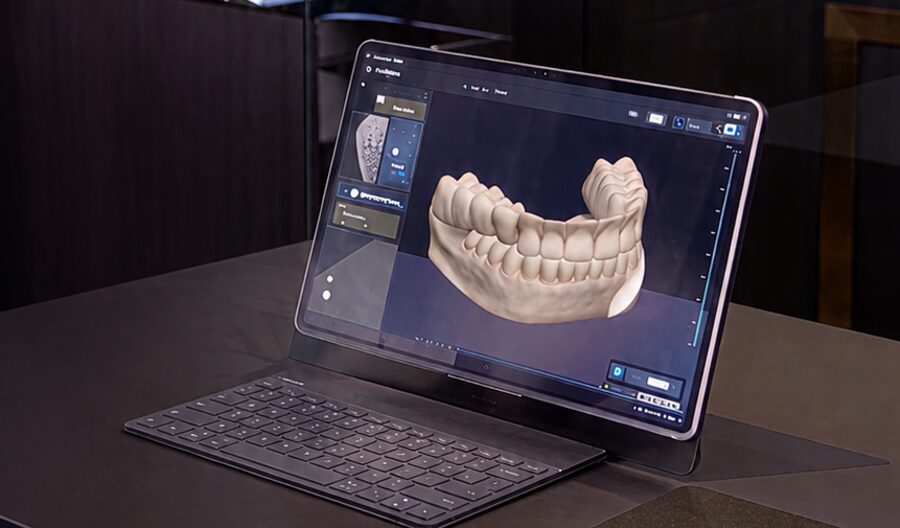
STEP 01
Digital smile design & 3D scanning
Your dentist takes a 3D intraoral scan, clinical photographs and a bite analysis. Your technician then designs your restoration in CAD software, following the Digital Smile Design plan you approved together.
-
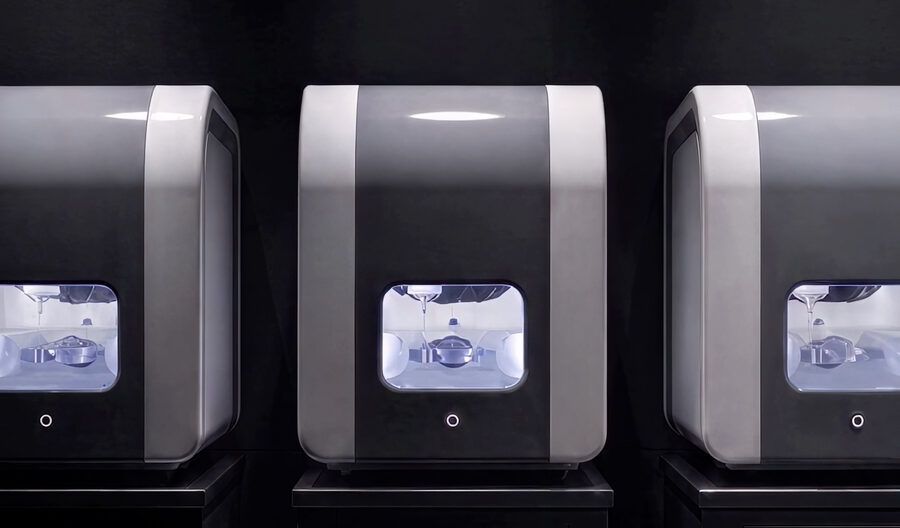
STEP 02
CAD/CAM design & milling
Zirconia and ceramic blocks are milled from the approved design and working models are 3D printed within hours. Then your technician layers and characterizes the ceramic by hand, chasing the way light passes through real enamel. This is why two crowns from the same block never come out identical, and why yours is made for your face only.
-
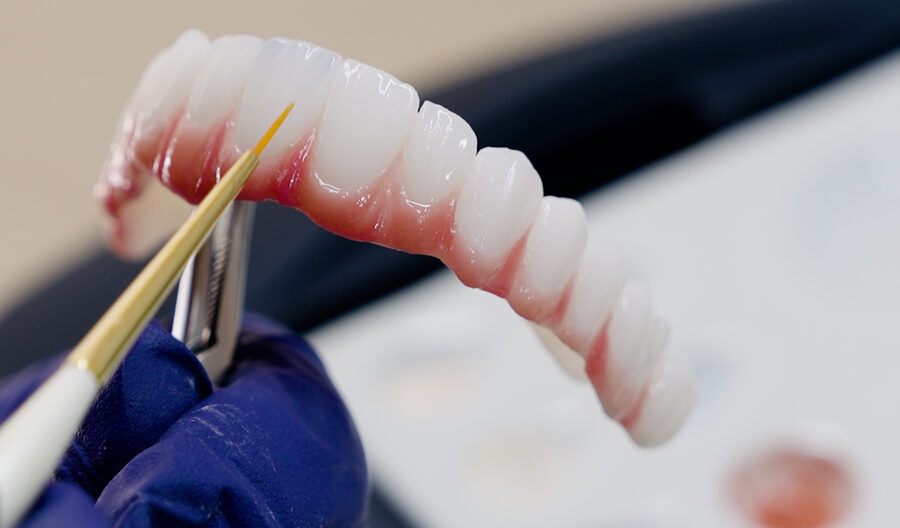
STEP 03
Finishing & quality control
You come back to the chair with your technician beside you. Fit, bite, speech and shade are checked together, and if something is not right, it is corrected under the clinic’s roof. Once you approve it, the restoration is glazed, polished and placed, and your digital file is kept.
- 3D Scanning
- Comfortable digital 3D scanning without traditional impression materials
- CAD/CAM Technology
- Flawless fit guaranteed by advanced CAD/CAM technology
- ISO 9001
- Certified quality management
- CE & FDA
- Approved materials only
We Create Your Smile In Front of Your Eyes!
Book a consultation and meet the laboratory and academy that stand behind every treatment plan.
Why Choose a Dental Clinic in Turkey?
At Vera Smile, patients benefit from world-class dental care in Turkey that combines European standards of treatment with affordable pricing. The clinic operates under strict regulations and holds ISO certifications, ensuring hygiene and safety at the same level as leading EU facilities. Vera Smile invests heavily in modern digital dentistry technologies, including CAD/CAM design and 3D intraoral scanning, which enable highly precise treatments, shorter recovery times, and results that look and feel natural. These advanced methods streamline the treatment journey, providing patients with a seamless and comfortable experience. With a reputation for experienced dentists, state-of-the-art equipment, and exceptional patient care, Vera Smile has become one of the most trusted choices for international patients seeking high-quality, cost-effective dental solutions in Turkey.
How to Choose a Dental Clinic in Turkey
Some clinics operate under a single doctor, others are managed by agencies, some are hospital-affiliated units, and some clinics are private dental clinics. Vera Smile is a private clinic where patients benefit from closer, direct communication with the medical team.
There are several important factors to consider when choosing the right clinic:
- Location: Istanbul is the country’s main hub for internationally accredited clinics.
- Clinic’s setting: The overall environment defines the quality of the treatment experience.
- Transparency and communication: Clear treatment plans and honest guidance are essential.
- Quality of the materials: Premium systems ensure durable and natural-looking results.
- Trust and reputation: A clinic’s credibility makes the final difference.
Vera Smile brings together all these elements under one roof. Based in Istanbul, we offer world-class care in Turkey’s leading medical hub with transparent treatment plans available in multiple languages. As an independent private clinic, Vera Smile provides personalized, boutique care with direct communication at every stage. Our team works only with internationally recognized materials such as zirconia and E.max crowns, porcelain veneers, and titanium implants, supported by advanced dentistry equipment that ensures precision, safety, and long-lasting results.
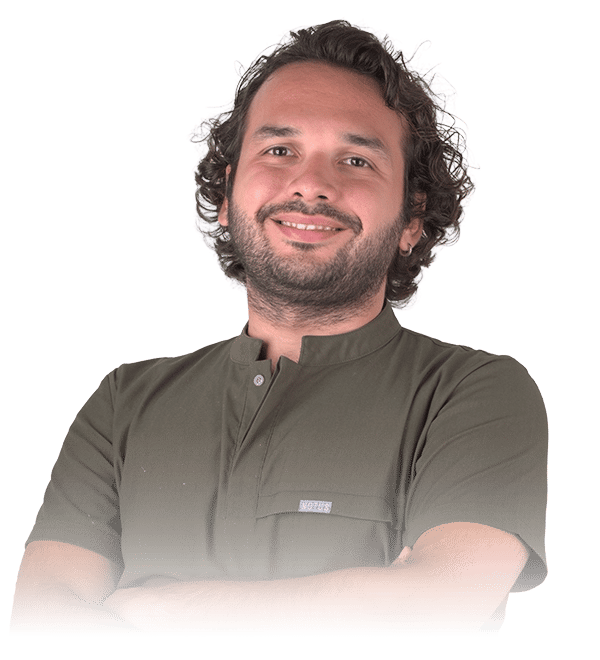
Our Dentist and Medical Team
Choosing the right dentist in Turkey starts with checking their credentials, experience, and patient results. Look for internationally trained specialists who use advanced technologies and high-quality materials. Meet the dental experts behind our patients’ new smiles.
How to Get a Dental Treatment in Turkey
What is the process for booking a dental trip to Turkey?
Follow these steps to plan your journey and experience dental tourism in Turkey with confidence.
Book an Online Dental Consultation
01Start with a quick consultation or request a full dentist evaluation. You’ll send photos or X-rays, and within a short time, our dental team reviews your case and provides a detailed treatment plan: recommended procedures (implants, veneers, crowns, or a Hollywood Smile), number of visits, and a clear cost estimate. Every plan is prepared by real dentists, not sales reps.
Get My Plan
Arrange Your Dental Trip to Turkey
02Once you confirm the treatment plan, you can book your flights to Istanbul. Our clinic organizes VIP airport transfers, hotel accommodation, and multilingual support, making your stay smooth and stress-free. You only need to book your ticket, we handle the rest.
Plan My Dental Trip
In-Clinic Dental Examination
03When you arrive, your dentist performs a complete oral health check with digital X-rays, 3D scans, and bite analysis. This ensures your treatment, whether veneers, crowns, or implants, is customized for precision and long-term success.
Get A Clinical Dental Diagnosis
Prepare for Dental Treatment
04Standard pre-op steps may include a blood test for safety, a gum health assessment, and, if implants are planned, a bone density scan. Every step is focused on your comfort and ensuring the best possible outcome.
Prepare My Treatment
Undergo Your Dental Procedure
05Depending on your treatment, you may have same-day procedures like whitening or veneers, or multi-stage treatments like dental implants or All-on-4. All procedures are carried out by licensed dentists using CE-certified materials from global brands like Straumann, Ivoclar, and Nobel Biocare.
Start My Dental Treatment Procedure
Recovery & Follow-Up Care
06After your treatment, our team provides detailed aftercare instructions and, if needed, follow-up visits during your stay in Istanbul. For longer recovery procedures like implants, we schedule remote check-ins to monitor healing. You leave with a new smile and full support from our patient care team.
Learn More From the ExpertsIs it Safe to Get Dental Treatment in Turkey?
Yes. Turkey is one of the leading destinations for international patients, with clinics following European hygiene protocols and holding ISO certifications. Treatments are carried out with FDA- and CE-approved materials such as zirconia, E.max, and titanium implants. Experienced dentists who treat thousands of overseas patients each year ensure the same standards you would expect in the UK or US, but at far more affordable prices.
Are Turkish Dental Clinics Regulated by the Ministry of Health?
Yes. All dental clinics in Turkey are strictly regulated by the Turkish Ministry of Health, which inspects and licenses facilities to ensure compliance with national and European healthcare standards. This guarantees that clinics follow proper sterilization, patient safety, and treatment protocols.
Our clinic holds ISO 9001 certification and operates with internationally recognized accreditations. We also use CE- and FDA-approved materials for crowns, veneers, and implants, giving patients confidence that every treatment meets global standards of safety and quality.
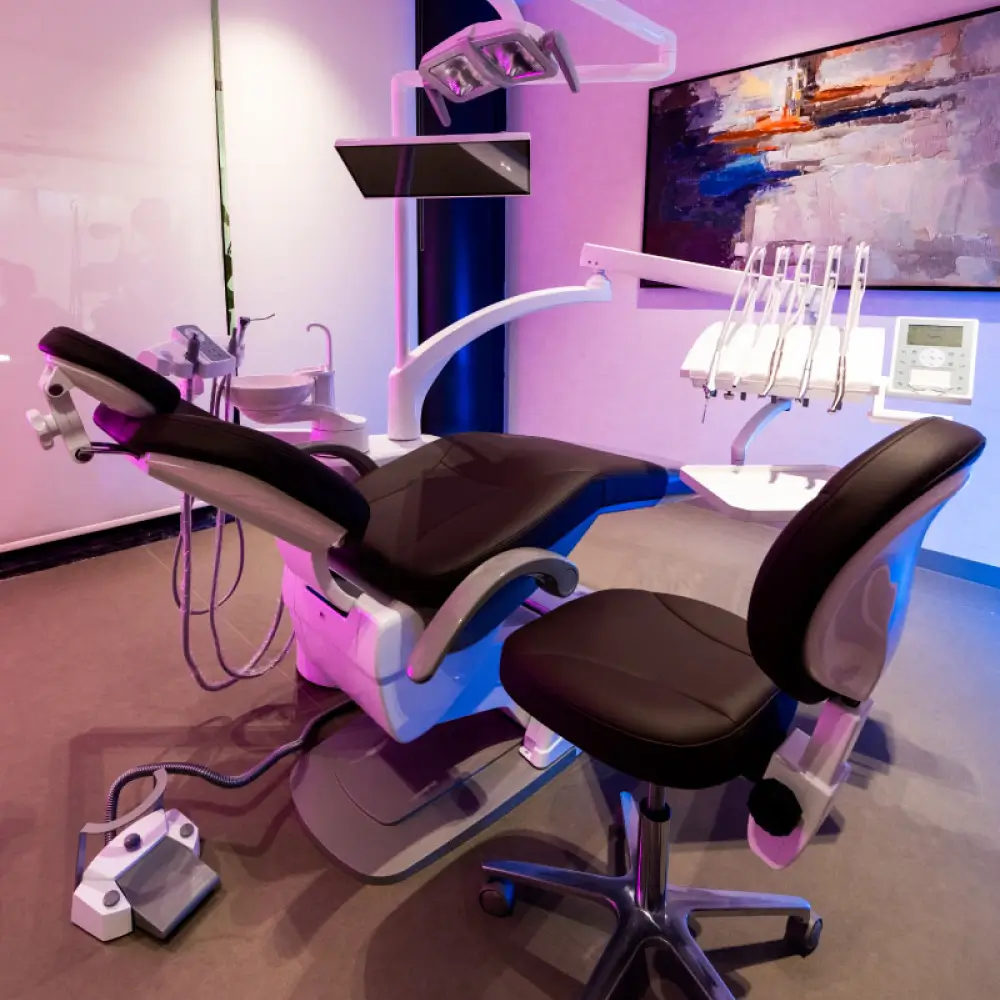
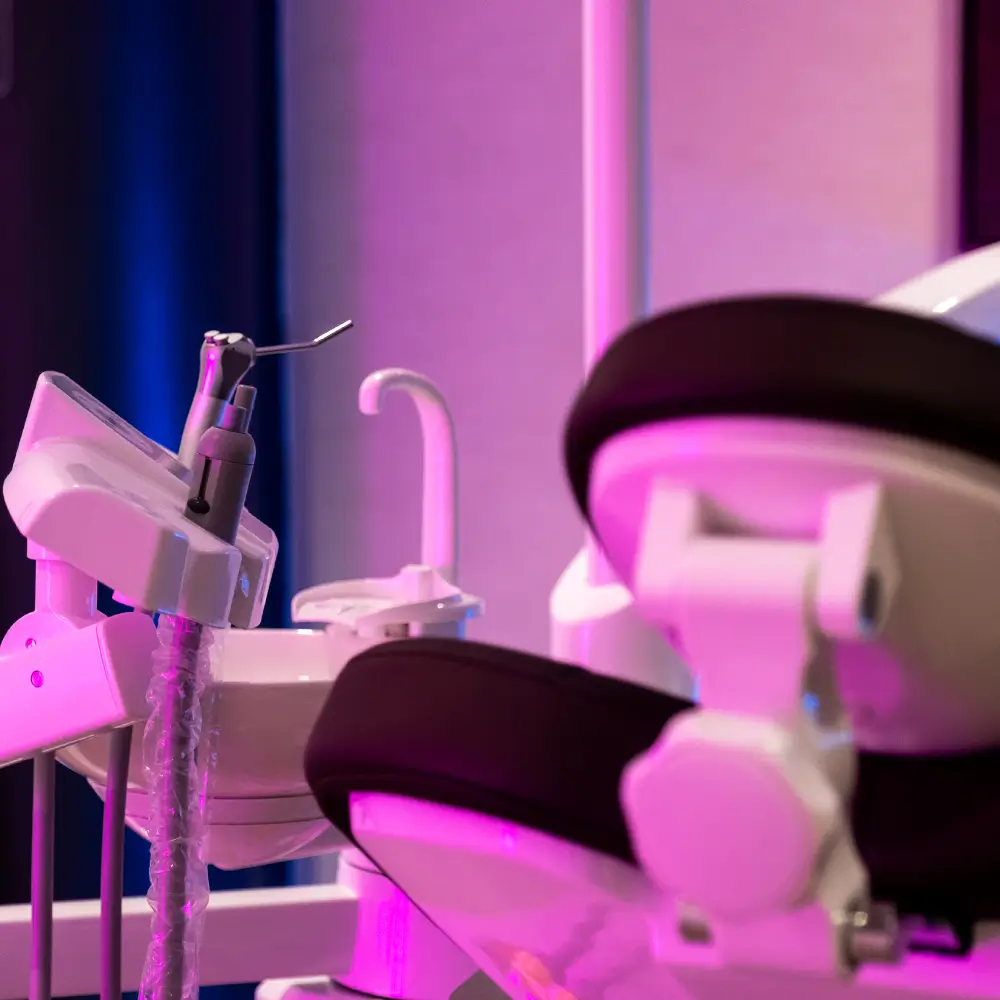
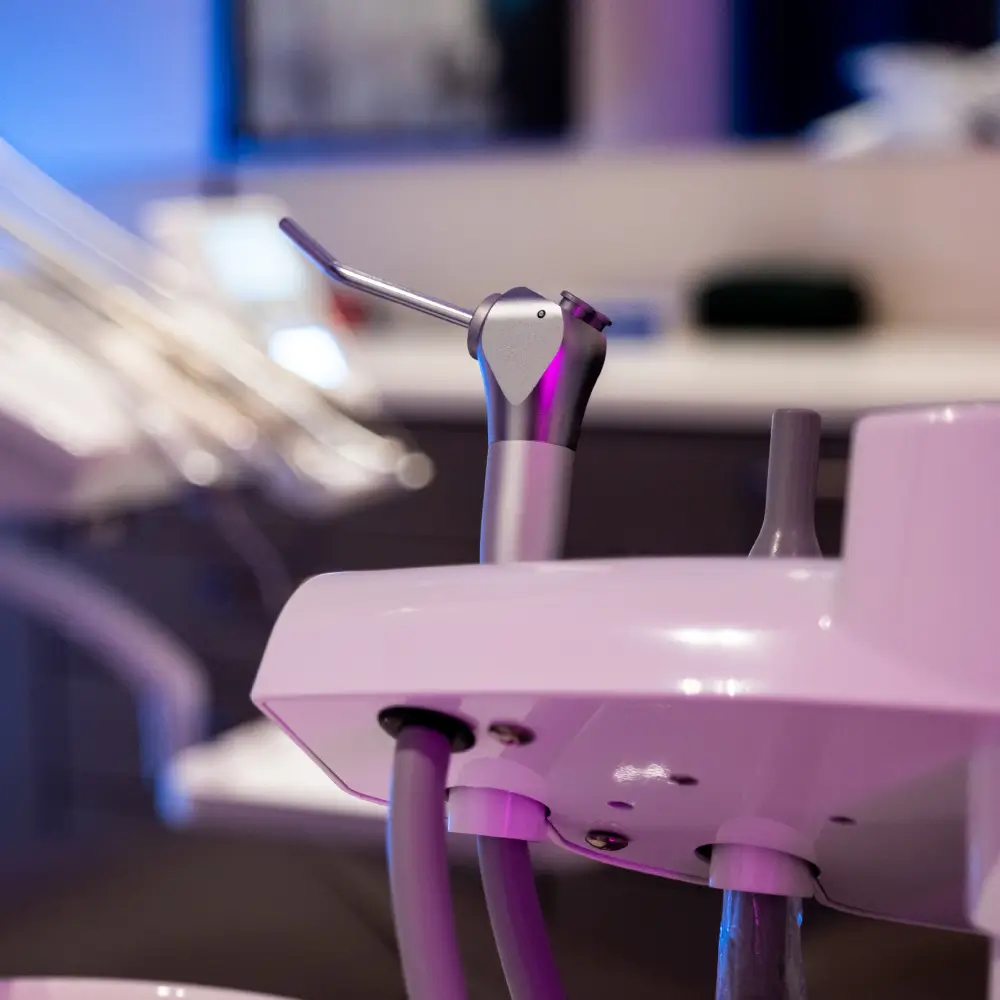
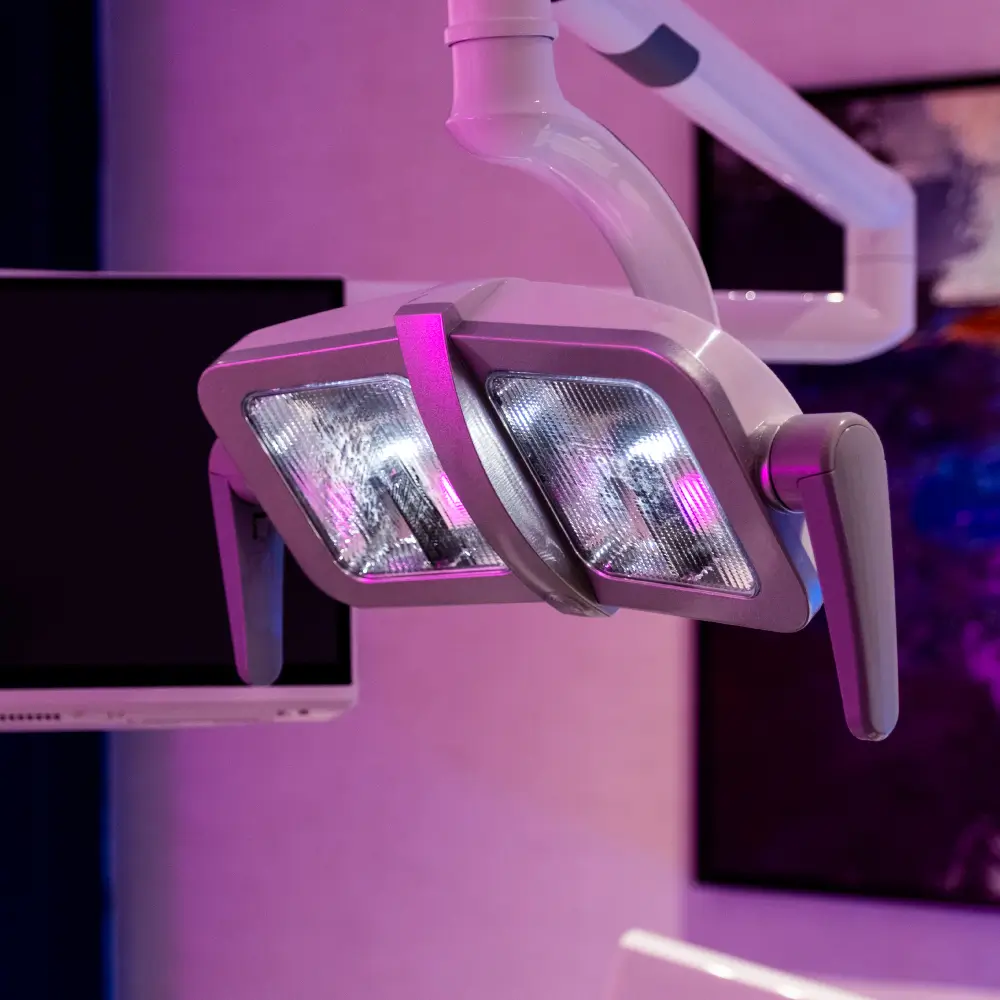
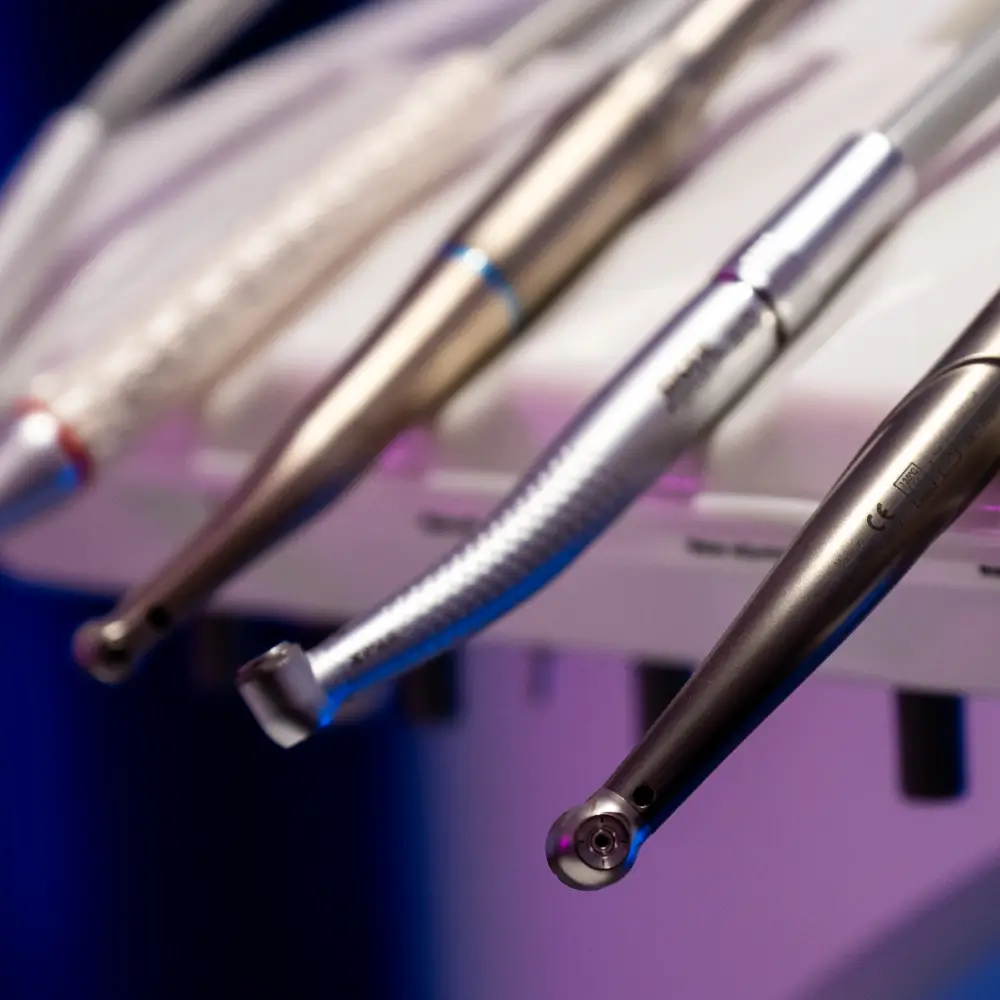
Explore Vera Smile Clinic
Take a look at our clinic to get to know the place where you’ll be treated and feel comfortable.
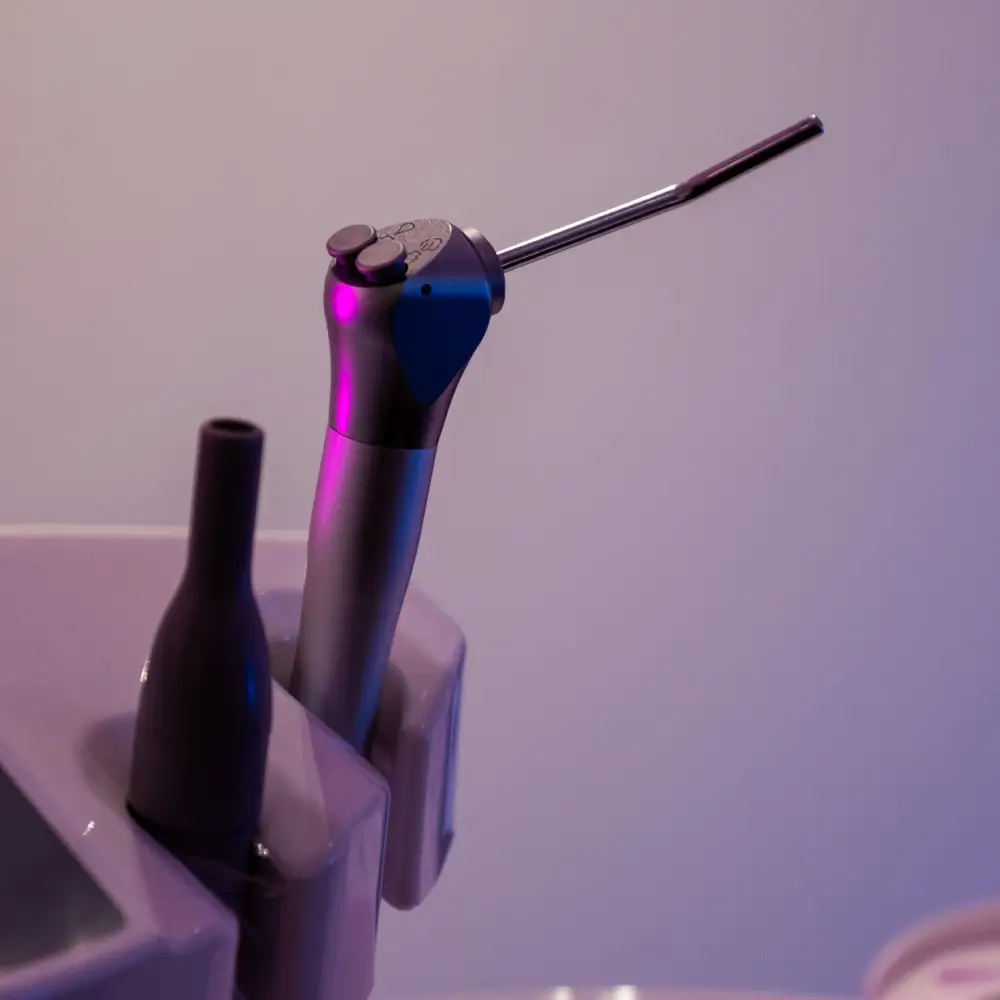
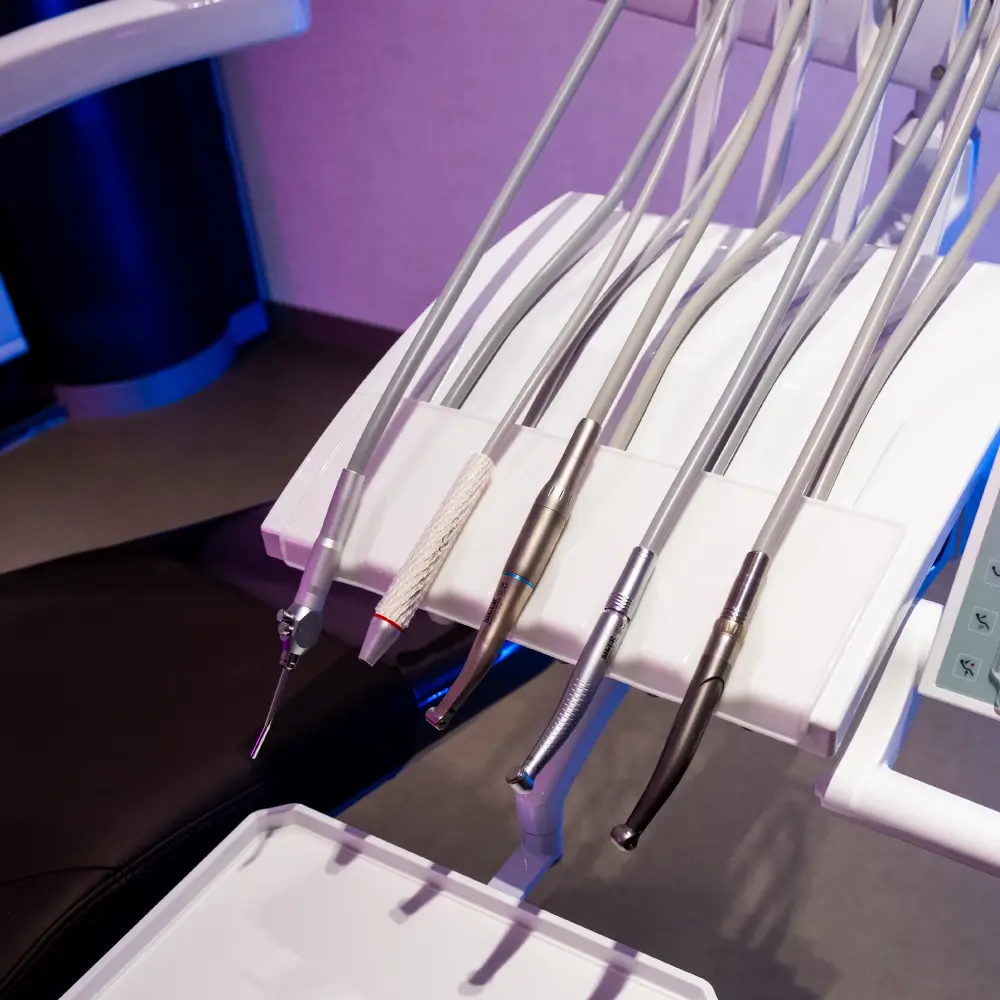
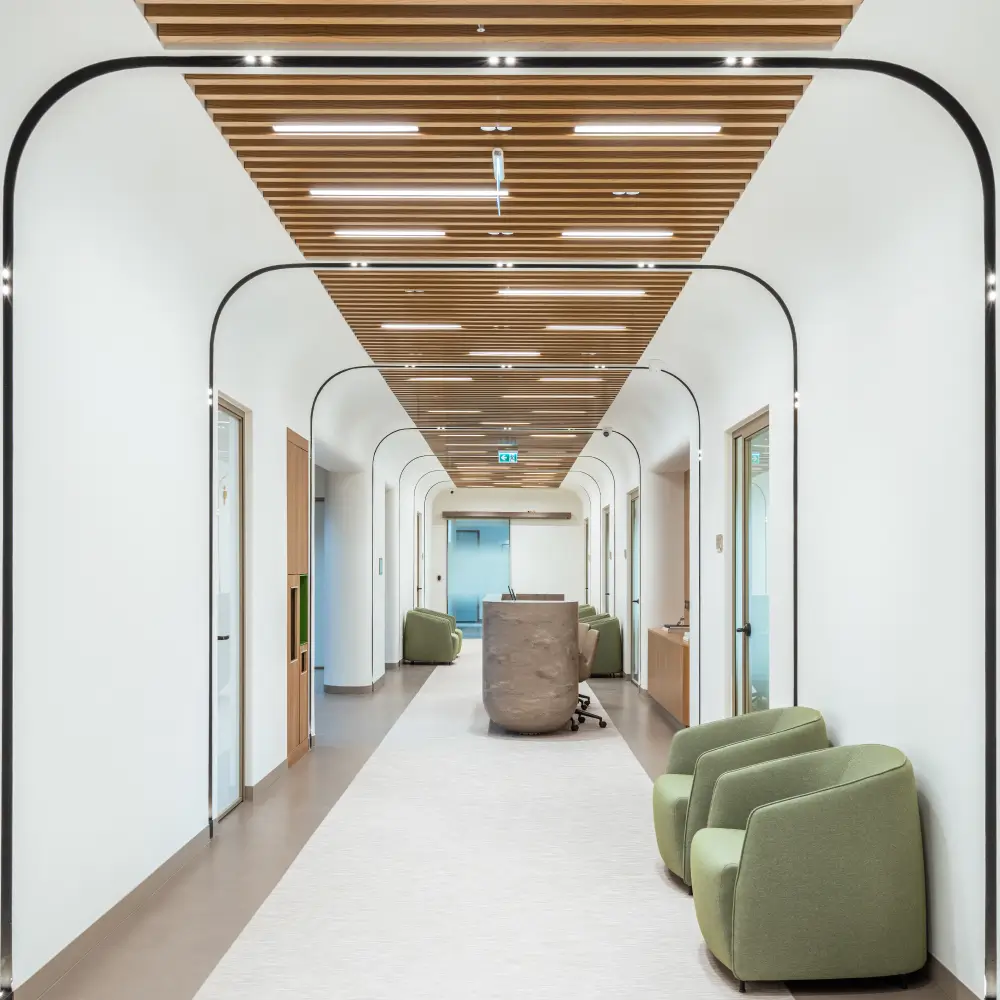
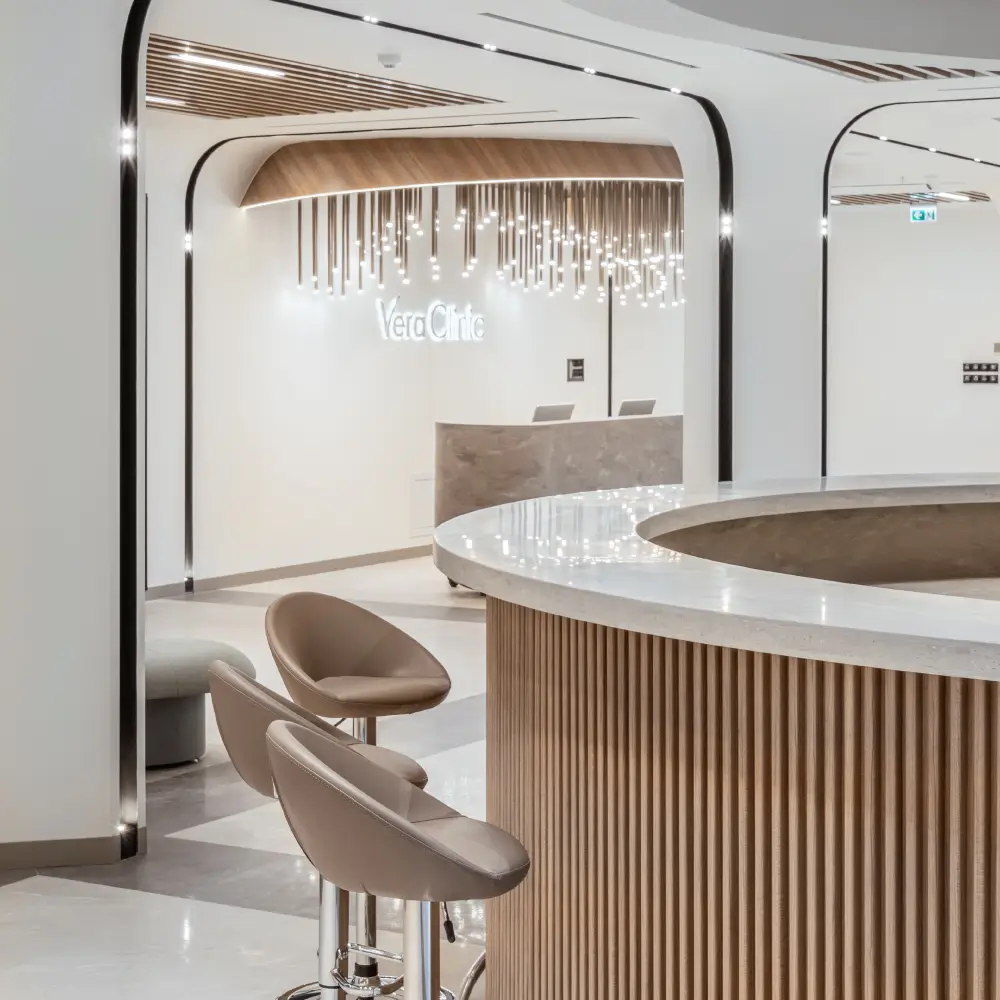
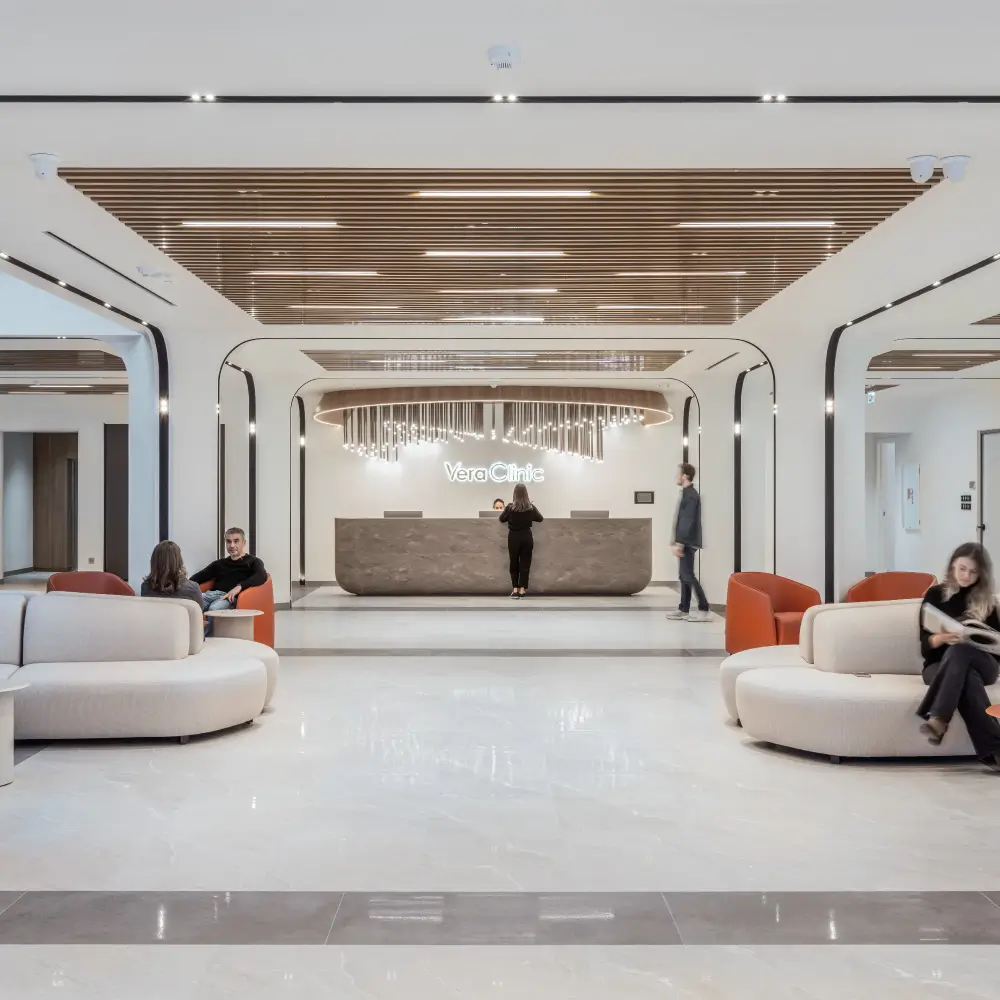
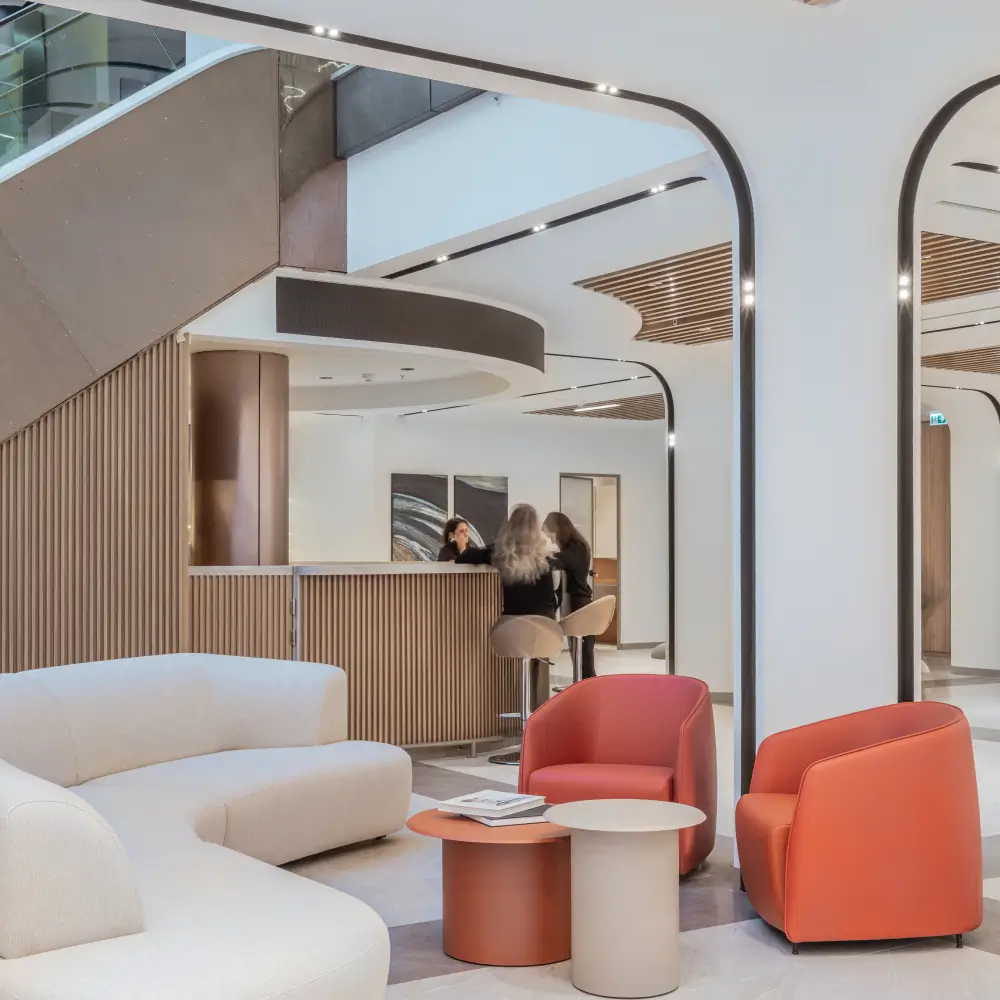
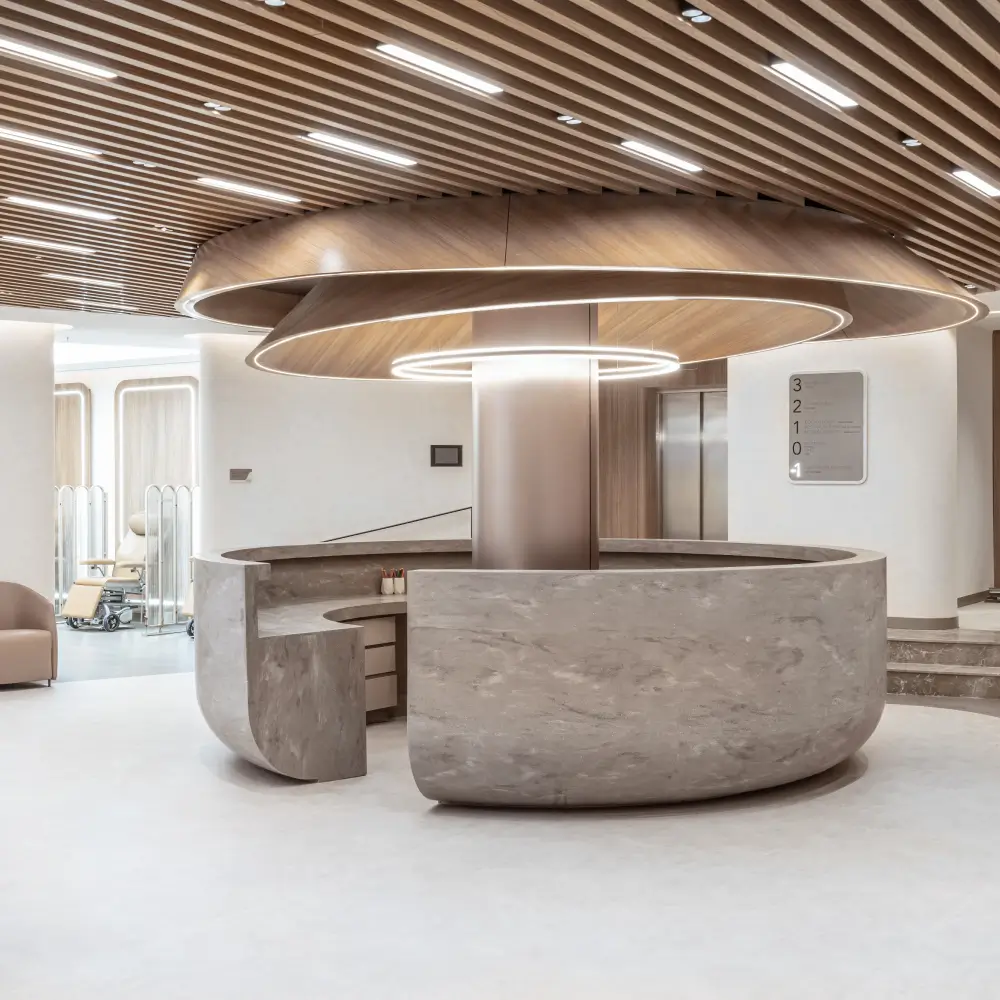
Celebrity Dental Treatment in Turkey
See who got their dental treatment at our clinic.
Dental Treatment in Turkey Testimonials and Review
See other patients thought before getting your treatment at Vera Smile.
“We are beyond happy with our decision to choose Vera Clinic for our
dental treatments! From the very beginning until the last day of our
visit, the entire team was incredibly professional and caring. The
quality of care we received was outstanding, and we felt truly
looked after throughout the whole process. We’re already impressed
with the initial results of our dental implants and are excited to
return for the final stage.”
Thank you, Vera Clinic, for making this such a positive experience
“I had a deep fear of dental clinics, but Vera Smile completely changed my perspective. The entire team was so gentle, patient, and understanding. My smile makeover looks amazing, and the process was surprisingly painless. They take their time, explain everything, and make sure I am comfortable every step of the way. I couldn’t have asked for a better experience.”
“After years of being embarrassed about my smile, Vera Smile has given me a reason to grin again. The entire experience was fantastic-from the initial consultation to be final result. The clinic is spotless, and the staff is incredibly professional. My new teeth look amazing and natural. I’m over the moon.”
“I had my wisdom teeth extracted and 2 crowns one at Vera Smile. Both before and after the procedure, the doctors were very professional and attentive. The clinic is clean and modern. I didn’t experience any pain or discomfort during the procedures, and my recovery process was quick. Overall, I’m very satisfied and would highly recommend it to anyone.”
“Excellent communication, quick and efficient treatment, and top-quality work with regular updates throughout the process. Yamen, my interpreter, clearly explained every step and cost involved, providing incredible support from start to finish. I highly recommend this clinic! I recently returned to Vera Smile for my final treatment and had my permanent teeth fitted—I couldn’t be happier with the results. They look amazing, and the work done is absolutely flawless!”
“I just recently flew home to NZ from Vera Smile Istanbul. And they were amazing. I had 4 implants, 2 root canals and 16 zirconium crowns. I fly back in approx 6 months for the remainder of my crowns. What a journey that was!! Not gonna lie, there were times I questioned what I was doing 😬 not anything to do with the clinic at all, just that I’m actually petrified of dentists, plus I went all on my own so had no support. But I’m so glad I went ☺️ Everything ran smoothly, no extra hidden costs when I arrived, staff were great,as gentle as they can be, and my translator was absolutely amazing with all the questions I had for the dental surgeon.”
“From start to finish, Vera Smile provided a fantastic service. Got a hollywood smile done which required an implant, root canal and extraction for me. Being really nervous they made me feel right at peace. Dentist is a true proffesional and had no discomfort after any of the procedures. All staff are super friendly and supportive. They organised everything, all transfers to and from hotel/airport and the hotel so all I had to worry about was booking a flight. Highly recommend the Vera Smile Clinic. I like to thank the dentist and all the team for everything they have done for me.”
“One of the best choices I have made in my life was deciding to go with Vera Smile to get my implants done. Being from Ireland, I felt a little apprehensive about coming over to Istanbul for any kind of dental work. However, once I made that first contact with them, I was truly impressed by their planning and attention to detail. They informed me about all the things I needed to know about the whole procedure and all the required logistics, making it all the easier for me.”