
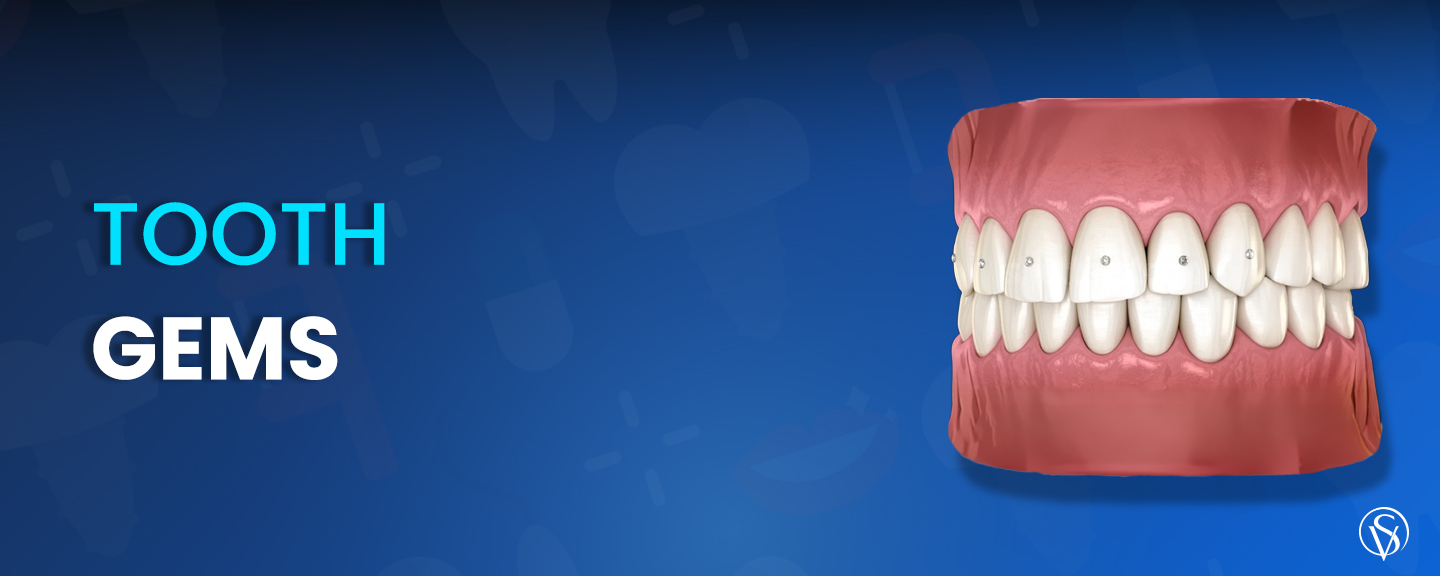
A sparkling smile has always been a hallmark of confidence, but today, more people are taking that idea quite literally. Tooth gems, tiny decorative crystals or jewels bonded to the surface of a tooth, are emerging as one of the most talked-about trends in cosmetic dental aesthetics. From subtle single crystals to elaborate multi-gem arrangements, they offer a playful yet elegant way to personalise your smile without altering the tooth itself.
What was once a niche look confined to the fashion-forward has now entered the mainstream. Dental clinics across the world, including specialist centres offering cosmetic dentistry treatments, are increasingly fielding enquiries from patients who want to add a touch of sparkle to their smile. The appeal is easy to understand: tooth gems are non-invasive, reversible, and (when applied by a professional) completely safe.
Whether you are curious about the procedure, wondering about the risks, or ready to book a consultation, this guide covers everything you need to know about tooth gems, from application and aftercare to design options and cost.
What Are Tooth Gems?
Tooth gems are small decorative jewels, basically crystals, gemstones, or rhinestones, bonded to the outer surface of a tooth using a dental-grade adhesive. They sit on top of the enamel rather than being embedded within it, adding visual sparkle without altering the tooth structure in any way.
Tooth gems are most commonly made from Swarovski crystals, cubic zirconia, or genuine gemstones such as rubies or sapphires. High-quality dental gems are designed to be non-toxic, non-porous, and resistant to staining. The adhesive used to secure them is the same type of composite bonding material used in routine cosmetic dentistry treatments, making it both durable and biocompatible. Lower-quality materials sold in DIY kits, however, can pose risks, which is why professional application matters.
How Do Tooth Gems Work?
The gem is secured to the tooth using a composite bonding adhesive; the same type of material used in routine cosmetic dental procedures. Because the process requires no drilling, no enamel removal, and no anaesthesia, it is entirely non-invasive. The tooth remains structurally unchanged throughout, and the gem can be removed cleanly at any point, leaving the enamel just as it was before.
The application process mirrors the bonding technique used in other cosmetic dental procedures. The tooth surface is lightly etched to improve adhesion, a dental bonding agent is applied, and the gem is carefully positioned and cured with a UV or LED light. No anaesthesia is required, and the entire procedure is non-invasive. The result is a secure, polished placement that should feel smooth and natural to the tongue.
Why Are Tooth Gems Becoming So Popular in Modern Dental Aesthetics?
The rise of tooth gems reflects a broader shift in how people think about personal aesthetics. Dental appearance has become an important part of self-expression, and patients are no longer limiting themselves to whitening or straightening. Tooth gems sit within a growing category of temporary aesthetic dental enhancements that allow for creativity and individuality without a long-term commitment.
Social media platforms, particularly Instagram and TikTok, have played a central role in driving the tooth gem trend. Short-form video content, close-up smile photography, and influencer culture have made it easier than ever for trends in personal aesthetics to go viral. Tooth gems photograph exceptionally well, catching the light in a way that creates eye-catching, shareable images. This visibility has introduced the concept to audiences who might never have encountered it through traditional dental marketing.
Celebrities have been a significant driving force. High-profile artists and entertainers have been photographed and filmed with tooth gems over the past several years, bringing the look from underground fashion subcultures into global popular culture. When prominent public figures normalise a cosmetic trend, it inevitably filters into mainstream demand, and tooth gems are a clear example of that effect. Clinics offering professional application have seen consistent growth in enquiries as a direct result of celebrity visibility.
Are tooth gems permanent or temporary?
Tooth gems are temporary, not permanent. They can be worn for weeks, months, or even a year or longer depending on placement, oral habits, and aftercare. Because no drilling or enamel removal is involved, they are fully reversible; a qualified dentist can remove them cleanly without causing damage. This makes them one of the most flexible non-invasive cosmetic dental accessories available today.
Are Tooth Gems Safe for Your Teeth and Oral Health?
Yes, when applied by a qualified dental professional, tooth gems are safe and do not harm oral health. The critical distinction is between professional clinic application and DIY kits purchased online, which use adhesives not formulated for intraoral use and can damage enamel or create bacteria-trapping gaps.
Professional application uses a dental bonding composite that adheres to the outer enamel surface without penetrating or removing it. The etching step is minimal and does not structurally compromise the tooth, the enamel remains fully intact throughout the wearing period and after removal. This stands in sharp contrast to treatments like dental veneers, which require permanent enamel reduction before placement.
Can tooth gems cause cavities or gum problems?
Yes, they can, but only if oral hygiene slips or the gem is poorly placed. A gem positioned too close to the gumline can create a plaque-trapping environment, increasing the risk of irritation or early decay at the margins. This is why professional placement matters as much as aftercare. Maintaining good oral health habits, thorough brushing, regular flossing, and routine dental visits; is all that is needed to ensure the gem does not negatively affect the surrounding tissue or enamel.
Is professional application necessary for safety?
Absolutely yes. DIY kits contain adhesives that can irritate soft tissue, compromise enamel, or fail to bond securely. A dental professional has the materials, training, and clinical judgement to place gems safely, assess contraindications, and advise on appropriate aftercare. Choosing a professional clinic over a DIY kit is not simply an aesthetic preference, it is a fundamental matter of oral health safety.
Who are tooth gems most suitable for?
Tooth gems have broad appeal, but they deliver the best results for a specific type of patient: someone in good oral health, with realistic expectations, who wants a low-commitment way to personalise their smile. The following profiles describe those who tend to be the strongest candidates. Tooth gems are best suited to:
- Adults with healthy teeth and good oral hygiene who want a non-invasive cosmetic enhancement.
- Patients who want to express individuality through their smile without undergoing permanent procedures.
- Those new to cosmetic dentistry who want to explore aesthetic options at low risk and cost.
- Patients who have completed teeth whitening and want to elevate their results further.
- People interested in dental treatments in Turkey as part of a broader smile makeover visit.
They are less suitable for patients with active dental disease, significant enamel erosion, bruxism, or those currently undergoing orthodontic treatment.
Who Should Avoid Getting Tooth Gems on Their Teeth?
Tooth gems are a good fit for most healthy adults, but they are not universally suitable. Certain dental and medical conditions make the procedure inadvisable, either temporarily, until the issue is resolved, or altogether. The following groups should approach tooth gems with caution or hold off entirely:
- Patients with active tooth decay or gum disease: placing a gem on or near compromised tissue can accelerate existing damage and complicate treatment.
- Those with significant enamel erosion: weakened enamel does not provide a reliable bonding surface and is more vulnerable to further wear.
- Patients currently undergoing orthodontic treatment: braces require clear access to tooth surfaces, and gem placement can interfere with bracket positioning and adjustments.
- People with bruxism (teeth grinding or clenching): the repeated mechanical force generated by grinding significantly shortens gem lifespan and may stress the bonding area.
- Patients with porcelain or ceramic veneers on target teeth: adhesive behaves differently on these surfaces, and the etching process may mark the veneer permanently.
- People with chronic or severe tooth sensitivity: sensitivity caused by gum recession, enamel erosion, or exposed dentine indicates underlying compromise that should be addressed before any bonding procedure is considered. The application itself is pain-free, but placing a gem on a structurally vulnerable tooth is not advisable. Mild or occasional sensitivity, however, is not necessarily a disqualifying factor; a dentist can assess whether the enamel is sound enough to proceed safely.
- Children and teenagers whose teeth are still developing; enamel maturation should be complete before any bonding procedure is considered.
If you recognise yourself in any of these categories, it does not necessarily mean tooth gems are off the table forever. Many of these situations are temporary or treatable, a consultation with a qualified dentist will clarify whether now is the right time, or whether a short wait would make the procedure both safer and more effective.
How Is the Tooth Gem Application Procedure Performed in a Dental Clinic?
The procedure is straightforward and takes place entirely in the dental chair. There is no surgery, no anaesthesia, and no recovery period. For patients already comfortable with routine dental appointments, the experience is entirely unremarkable.
The process begins with a thorough cleaning of the target tooth to remove any plaque or surface debris. The enamel is then lightly conditioned with a dental etching agent to improve adhesive bonding. A small amount of composite bonding resin is applied to the back of the gem, which is then carefully positioned on the tooth surface. Finally, a curing light, either UV or LED, is used to set the adhesive, locking the gem in place securely.
Are there foods to avoid with tooth gems?
Tooth gems do not require a dramatic overhaul of your diet, but a few categories of food and drink are worth approaching with some awareness. The goal is not restriction; it is simply avoiding the types of mechanical stress and chemical exposure most likely to shorten the gem’s lifespan:
- Very hard foods (ice, hard sweets, crusty bread) create mechanical force that can dislodge gems.
- Sticky foods (toffee, chewing gum) can pull at the gem and weaken the bond over time.
- Highly pigmented drinks (coffee, red wine, tea) will not affect the gem itself but can stain the adhesive composite if consumed frequently.
- Alcohol-based mouthwashes may degrade bonding composite with prolonged use; an alcohol-free alternative is preferred.
Think of these as common-sense precautions rather than a strict list of forbidden foods. A single piece of crusty bread or an occasional coffee will not cost you your gem; it is sustained, repeated exposure that gradually weakens the bond. Pair these small habit adjustments with regular professional teeth cleaning appointments, and your gem will stay looking its best for as long as possible.
How Should You Care for Your Teeth After Getting Tooth Gems?
Good aftercare is the single biggest factor in how long a tooth gem lasts, and how well the surrounding enamel holds up during that time. The good news is that the routine is not complicated. It builds on ordinary oral hygiene habits with a few targeted adjustments:
- Brush gently around the gem: use a soft-bristled toothbrush and avoid scrubbing directly across the stone with hard pressure. Gentle circular or sweeping motions are effective without gradually loosening the adhesive.
- Continue flossing normally: healthy interdental hygiene around adjacent teeth remains just as important after gem placement as before.
- Use fluoride toothpaste: this maintains enamel integrity around the bonding site and supports overall oral health.
- Switch to an alcohol-free mouthwash: alcohol-based rinses can degrade bonding composite with prolonged use; an alcohol-free alternative is a simple and effective swap.
- Moderate hard and sticky foods: ice, hard sweets, toffee, and chewing gum all place mechanical stress on the gem that can weaken the bond over time. Occasional consumption is unlikely to cause immediate problems, but regular exposure shortens gem lifespan.
- Limit highly pigmented drinks: coffee, red wine, and tea will not affect the gem itself, but can gradually stain the adhesive composite underneath it.
- Attend regular dental check-ups: routine appointments are the best opportunity to assess the condition of the bonding and catch any early signs of loosening before the gem falls off unexpectedly. Keeping up with professional teeth cleaning also ensures that plaque does not accumulate around the gem margins.
If a gem does come loose, do not attempt to re-bond it at home. Contact your dentist promptly; the gem can be professionally re-applied or cleanly removed without any harm to the tooth underneath.
Everything You Need to Know
About Tooth Gems
A non-invasive, fully reversible cosmetic enhancement; bonded to the enamel, not embedded in it. Safe when professionally applied, beautiful when well designed.
Small jewels. Big impact. Zero drilling.
Tooth gems are small decorative crystals, gemstones, or rhinestones bonded to the outer surface of a tooth using a dental-grade composite adhesive. They sit on top of the enamel, not embedded within it, adding sparkle without altering the tooth structure in any way.
The process is entirely non-invasive. No anaesthesia, no drilling, no permanent change. The tooth remains structurally unchanged throughout, and the gem can be removed cleanly at any point.
Professional application = no risk to enamel.
- Bonding adhesive adheres to the enamel surface: never penetrates it
- Etching step is minimal and does not compromise tooth structure
- Enamel fully intact during wear and after removal
- No chemical exposure to dentine or pulp
DIY kits use adhesives not formulated for intraoral use. Professional-grade dental composite is biocompatible, durable, and safe. Always choose a qualified dentist.
Who should wait or avoid.
- Active tooth decay or gum disease
- Significant enamel erosion
- Current orthodontic treatment (braces)
- Bruxism (teeth grinding or clenching)
- Porcelain or ceramic veneers on target tooth
- Severe tooth sensitivity indicating enamel compromise
- Children and teenagers (enamel still developing)
Most of these are temporary situations. A dental consultation will clarify if now is the right time.
Affordable: especially in Turkey.
One of the most accessible entries into cosmetic dentistry. Pricing varies by material, clinic, and location.
Four steps. Zero pain. Under 30 minutes.
Fully personalised to your style.
Can Tooth Gems Be Removed Without Damaging the Tooth?
Yes. One of the primary advantages of tooth gems is that they are fully reversible. A trained dental professional can remove them cleanly and without harm to the enamel using standard dental instruments. The adhesive is then carefully polished away using a low-abrasion dental polisher. The process takes only a few minutes and is entirely non-traumatic to the tooth. Attempting to remove a gem at home is strongly discouraged, as improper removal tools can scratch or chip the enamel.
Does removal leave any residue or marks?
When performed professionally, removal leaves no lasting marks on the enamel. There may be a very faint, temporary surface irregularity where the adhesive sat, but this is polished smooth during the removal process. Patients who follow a regular schedule of professional teeth cleaning will find that their teeth look completely normal following gem removal.
What Design Options Are Available for Tooth Gems?
One of the most compelling aspects of tooth gems is that the aesthetic possibilities are genuinely broad. Unlike many cosmetic dental procedures where clinical requirements limit creative input, gem design is almost entirely patient-led. From the stone itself to its position on the smile, every element can be tailored; which means no two results need to look the same. Here is what patients can choose from:
- Shape: options range from classic round brilliant cuts to teardrops, hearts, stars, and custom geometric forms. The cut affects how the gem catches light, so this choice has a meaningful impact on the overall effect.
- Colour: the spectrum runs from clear and white crystals that mimic the sparkle of a diamond, to deep blue sapphires, vivid rubies, emerald greens, and beyond. Gold and silver foil-backed gems offer a warmer, jewellery-like finish.
- Size: smaller gems read as subtle and refined; larger stones make a bolder statement. Size should be chosen in proportion to the tooth it will sit on.
- Stone type: cubic zirconia and Swarovski crystals are the most common choices, offering excellent sparkle at an accessible price point. Genuine precious and semi-precious stones are also available for patients who want something more premium.
- Number: a single gem is the classic choice, but clusters, symmetrical pairs, and multi-tooth arrangements are all possible. For patients exploring smile design treatments, a dentist can advise on layouts that complement rather than overwhelm the natural smile.
- Placement position: the upper central incisors are the most popular location, but lateral incisors and canines are also used depending on the desired effect. Position affects both visibility and longevity, so it is worth discussing with your dentist. Patients who pair their gems with teeth whitening options will find that a brighter enamel base makes placement choices stand out even more.
Whether you want something barely noticeable or deliberately eye-catching, the design language of tooth gems is flexible enough to accommodate both. The best results come from patients who arrive with a rough sense of their aesthetic direction and a dentist who can translate that vision into a placement that works in harmony with their natural smile.
Do Tooth Gems Affect the Natural Look of Your Smile?
The effect of tooth gems on the natural appearance of a smile depends entirely on the design, placement, and the patient’s existing dental aesthetics. Gems can read as almost invisible or as an intentional statement feature, it is a matter of personal choice and professional guidance.
An experienced cosmetic dentist considers several factors before placing a gem: the symmetry of the smile, the natural proportions of each tooth, the patient’s facial structure, and their stated preferences. Placement on the upper central or lateral incisors is most common, as these teeth are most visible during natural smiling. A dentist may use a mock-up or visual guide to preview the position before committing to bonding. This level of care is what distinguishes professional clinic application from at-home attempts.
How Do Tooth Gems Compare to Other Dental Aesthetic Treatments?
Not all cosmetic dental treatments ask the same thing of a patient; in terms of cost, commitment, or irreversibility. Some procedures deliver dramatic, permanent transformations but require enamel reduction, multiple appointments, and a significant financial investment. Others are temporary, low-risk, and reversible, but offer more modest results. Tooth gems sit firmly at one end of that spectrum: no drilling, no enamel loss, no long recovery, and no permanent consequence if you change your mind. For patients who are curious about cosmetic dentistry but not yet ready to commit to something irreversible, they represent an ideal starting point, a way to engage with aesthetic dental care on your own terms, at your own pace, and with full flexibility to explore more comprehensive treatments later.
Are tooth gems different from dental grills or veneers?
Yes, significantly. Dental grills are removable metal covers worn over the teeth and are entirely external, with no bonding or enamel contact. Dental veneers are thin porcelain or ceramic shells permanently bonded to the front surfaces of teeth following enamel reduction; they are irreversible and represent a far more substantial aesthetic intervention. Tooth gems fall between these two extremes: bonded to the tooth like a veneer, but without any enamel preparation, and fully reversible unlike veneers. Each option has its place within the broader landscape of cosmetic treatments such as teeth whitening and dental veneers, and the right choice depends on the patient’s goals and commitment level.
Can tooth gems be combined with cosmetic dentistry treatments?
Yes, and they are often most effective when they are. A patient who has completed a whitening treatment, for instance, will find that their gems appear more vivid against bright white enamel. Those undergoing smile design work may incorporate gems as part of a phased plan, starting with reversible enhancements before committing to more permanent restorations. Tooth gems pair naturally with teeth whitening and other non-invasive procedures in a layered cosmetic approach.
How Much Do Tooth Gems Cost in a Dental Clinic?
Tooth gems are one of the most affordable entries into cosmetic dentistry. In the US and UK, a single professionally applied gem typically costs between $50 and $250, with designer options, genuine gemstones, or multi-gem arrangements sitting at the higher end. For patients choosing to have the procedure done as part of a dental treatment visit to Turkey, costs are considerably lower; in line with the broader pattern across cosmetic dental care, where prices in Turkey are often 60% to 80% less than equivalent treatments in the UK or USA. That makes Turkey an attractive option for patients who want professional-grade application without the premium pricing of Western clinics; particularly those already visiting for whitening, veneers, or a smile makeover and looking to add a gem as part of the same trip.
For patients considering dental treatments in Turkey, the combination of high clinical standards and competitive pricing makes professional gem application an attractive option. Turkey has become a leading destination for dental tourism, offering high-quality cosmetic procedures at significantly lower prices than many Western countries, and tooth gem services are no exception.
What factors influence the price of tooth gems?
Tooth gem pricing is not one-size-fits-all. The final cost reflects a combination of material choices, clinical expertise, and the scope of the treatment, which means two patients leaving the same clinic on the same day can pay quite different amounts depending on what they have chosen.
- Type of gem: genuine precious or semi-precious stones cost more than crystal or cubic zirconia.
- Number of gems: multiple placements increase the overall fee.
- Clinic location and reputation: specialist cosmetic clinics in premium locations may charge more.
- Dentist expertise: experienced cosmetic practitioners command higher fees.
- Consultation and aftercare: some clinics include these in the overall price; others charge separately.
The most important thing is transparency. A reputable clinic will itemise costs clearly and be upfront about what is and is not included. If a price seems unusually low, it is worth asking what grade of materials is being used, professional-grade dental composite and high-quality gems are not the cheapest components on the market, and a significantly discounted service may reflect corners being cut elsewhere.
Are tooth gems a one-time or recurring cost?
Both, depending on the patient’s preferences. A single placement is a one-time cost. However, because gems are temporary, patients who wish to maintain the look will incur replacement costs over time, either to re-bond a fallen gem or to refresh the design with something new. For some patients, this recurring aspect is a feature, not a drawback: it allows them to change their look periodically. Those seeking affordable dental treatments in Turkey will find that renewal costs remain manageable even when returning for multiple sessions.
Are Tooth Gems a Good Choice for Enhancing Your Smile Aesthetics?
For the right patient, tooth gems are an excellent choice. They offer meaningful aesthetic impact at a low cost, with no permanent commitment and minimal risk when professionally applied. They are not for everyone, but they fill a genuine gap in the cosmetic dental market for patients who want something distinctive and personal.
What should you consider before getting tooth gems?
Tooth gems are a low-stakes decision by cosmetic dentistry standards, but they are still a dental procedure, and a little reflection before committing goes a long way. These are the five questions worth sitting with before you book your appointment.
- Your oral health baseline: gems are not recommended on compromised enamel or near active gum disease.
- Your lifestyle: if you frequently consume hard, sticky, or highly pigmented foods and drinks, gem longevity may be reduced.
- Your aesthetic goals: are you looking for a subtle accent or a bold statement? Both are achievable, but require different design approaches.
- Your long-term plans: if you are planning orthodontic treatment or veneer placement, timing the gem application correctly is important.
- Provider selection: always choose a qualified dental professional over a beautician or DIY kit.
None of these considerations are dealbreakers on their own, but together they form a picture of how well-suited you are to the treatment right now. If something on this list gives you pause, it is almost always resolvable, the right dentist will help you address it and advise on the best timing rather than simply turn you away.