
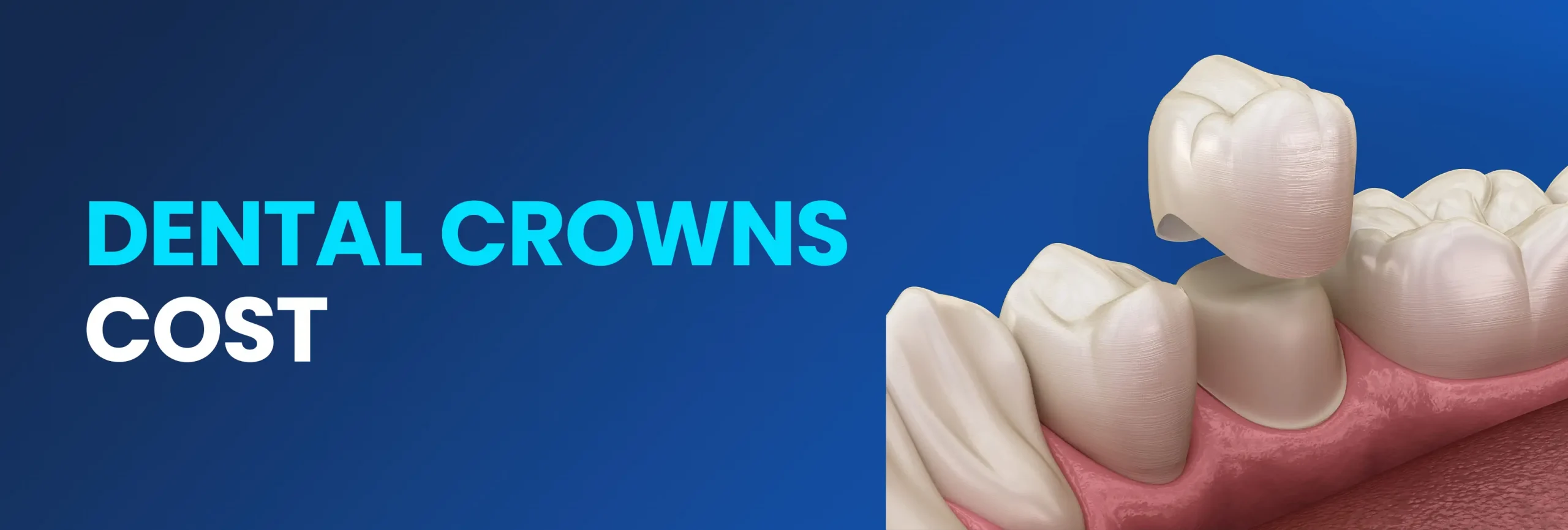
A dental crown is a custom-made cap, made from porcelain, ceramic, metal, or zirconia, that covers a damaged or weakened tooth to restore its strength, function, and appearance. While the procedure is moderately invasive, the cost varies depending on material, technique, dentist experience, and location. The average cost per crown ranges from €300 to €1,200, while full-mouth restorations covering 12–20 teeth can cost between €6,000 and €20,000.
Because crowns are sometimes considered elective or cosmetic, many treatments are not fully covered by dental insurance, making cost a major consideration. Patients weigh durability, aesthetics, lab accreditation, and warranties.
The final price depends on the number of teeth treated, dental crown type, and any additional services such as tooth preparation, temporaries, or bite adjustments. While the price difference between Turkey and Western countries is substantial, choosing a reputable clinic with proven results is as important as the cost itself.
How Much Do Dental Crowns Cost in 2026?
A dental crown is a precision-made cap placed over a damaged or weakened tooth to restore strength, shape, and aesthetics. It protects the natural tooth from further decay or fracture while improving bite function and appearance. Crowns serve both restorative and cosmetic purposes, reinforcing structure and enhancing smile harmony.
In 2026, the average dental crown cost ranges from €250 to €900 per tooth, depending on the chosen material, fabrication system, and clinical standards. Full-mouth crown restorations involving 16–28 teeth range between €4,000 and €12,000 worldwide, with higher pricing in regions where laboratory and labor costs remain elevated.
Understanding crown pricing is essential because cost reflects material quality, precision engineering, and dentist expertise. Evaluating each factor, such as material grade, manufacturing accuracy, and warranty terms, ensures patients select a treatment that delivers lasting strength, comfort, and aesthetic consistency.
How Much Do Dental Crowns Cost per Tooth?
The price of a dental crown depends primarily on the material, manufacturing system, and dentist expertise. In 2025, the global average cost per crown ranges between €250 and €900, with notable differences across material categories.
| Crown Material | Average Cost per Tooth (€) | Durability | Aesthetic Quality | Ideal Use |
| Zirconia | €250 – €500 | 15+ years | Translucent and lifelike | Back teeth and full-arch restorations |
| E-max (Lithium Disilicate) | €350 – €600 | 12–15 years | Ultra-natural appearance | Front and visible teeth |
| Porcelain-Fused-to-Metal (PFM) | €180 – €350 | 10–15 years | Slightly opaque finish | Bridges or mixed restorations |
| Full Porcelain | €250 – €500 | 10–12 years | Enamel-like translucency | Cosmetic front restorations |
| Gold Alloy | €400 – €900 | 20+ years | Low aesthetic value | Posterior teeth, heavy grinders |
Why Does Crown Cost Vary?
Crown pricing fluctuates due to differences in material composition, production technology, and professional standards. Each variable directly influences precision, strength, and longevity.
- Material Quality: Premium ceramics like E-max and zirconia offer higher durability and translucency, raising laboratory and production costs.
- Fabrication Method: Digitally milled crowns using CAD/CAM systems ensure micron-level precision and fewer remakes, but equipment and design software investments increase cost.
- Dentist Expertise: Experienced prosthodontists or AACD-affiliated cosmetic dentists charge more due to advanced training and precision bonding protocols.
- Clinic Accreditation: ISO- or JCI-certified facilities follow stricter sterilization and quality controls, increasing procedural overheads.
- Economic Factors: Local labor costs, currency strength, and import duties on ceramic blocks or alloys affect pricing between regions.
The total fee represents not just the crown itself but the clinical precision, material traceability, and long-term stability built into the restoration.
How Does Crown Cost Differ by Material Type?
Crown material plays the most decisive role in determining total treatment cost. Each type offers a different balance of strength, translucency, and biocompatibility. Understanding how materials perform and age helps patients make informed, value-driven choices.
| Crown Material | Average Cost (€) | Expected Lifespan | Strength / Aesthetic Quality | Ideal Clinical Use |
| Zirconia | €250 – €500 | 15+ years | Exceptional strength with natural translucency | Molars, full-arch restorations, bruxism patients |
| E-max (Lithium Disilicate) | €350 – €600 | 12–15 years | High translucency and superior color match | Front teeth and smile zones |
| Porcelain-Fused-to-Metal (PFM) | €180 – €350 | 10–15 years | Very strong but slightly opaque | Mixed restorations or posterior bridges |
| Full Porcelain | €250 – €500 | 10–12 years | Enamel-like translucency, moderate strength | Cosmetic restorations and partial crowns |
| Gold Alloy | €400 – €900 | 20+ years | Excellent durability, low fracture risk | Posterior teeth, heavy bite cases |
| Resin or Composite Crown | €150 – €300 | 5–8 years | Moderate strength, good aesthetics | Temporary or transitional crowns |
How Much Do Zirconia Crowns Cost?
Zirconia crowns cost between €250 and €500 per tooth globally, depending on translucency grade, milling precision, and whether the restoration is monolithic or layered. High-translucency zirconia mimics enamel more naturally but requires advanced multi-layer fabrication systems, slightly increasing cost.
Zirconia’s value lies in its exceptional strength, biocompatibility, and long-term stability, making it ideal for molars, bridges, and full-mouth restorations. Its fracture resistance exceeds most other ceramics, providing a 15–20-year lifespan with minimal maintenance.
Clinics using CAD/CAM milling and digital scanning achieve precise margins and uniform bite distribution, reducing chair time and remakes. The final cost reflects both material quality and digital manufacturing accuracy, not simply location or clinic pricing.
Are Zirconia Crowns Worth the Higher Price?
Yes. Zirconia crowns justify their higher cost through a combination of exceptional durability, fracture resistance, and biocompatibility. They maintain structural integrity for 15 years or longer, even under heavy bite pressure, and resist chipping more effectively than traditional porcelain or PFM crowns.
The material’s natural translucency allows for lifelike aesthetics without compromising strength, making zirconia an ideal choice for both functional and cosmetic restorations. For patients prioritizing longevity, stability, and natural appearance, the investment in zirconia provides superior long-term value compared to lower-cost alternatives.
How Much Do E-max Crowns Cost?
E-max crowns, made from lithium disilicate glass-ceramic, cost between €350 and €600 per tooth globally. The price reflects the material’s advanced optical clarity, strength, and precise digital fabrication process. E-max crowns are preferred in aesthetic zones, particularly for front teeth, because they replicate natural translucency and color depth with exceptional accuracy.
Their fabrication involves CAD/CAM milling followed by hand-layered staining and glazing, resulting in a seamless, enamel-like finish. While more expensive than PFM or standard porcelain crowns, E-max restorations offer an excellent balance of durability, light transmission, and long-term stability.
Why Are E-max Crowns More Expensive?
E-max crowns cost more due to their material composition and complex production process. Lithium disilicate ceramic requires high-precision digital milling and multiple furnace-firing stages to achieve its distinctive clarity and strength. Each crown demands customized color layering and polishing by trained dental technicians, extending both laboratory time and fabrication costs.
The investment covers not only superior aesthetics but consistent fit, reduced fracture risk, and enhanced translucency, which outperform lower-cost alternatives. The additional expense ensures a restoration that blends seamlessly with natural teeth while maintaining resilience under functional stress.
When to Choose E-max Over Zirconia?
E-max crowns are the preferred option when aesthetics take priority over maximum strength. Their glass-ceramic composition allows superior translucency and color adaptation, making them ideal for visible front teeth and smile-line restorations.
- Anterior restorations where shade matching and light diffusion are critical.
- Minimal-preparation treatments that preserve more natural enamel.
- Single-tooth replacements requiring high esthetic integration with adjacent teeth.
- Patients with low to moderate bite force, where durability remains sufficient without sacrificing appearance.
Zirconia remains stronger and better suited for posterior teeth or full-arch bridges, but E-max excels in replicating natural enamel for lifelike, seamless smiles.
How Much Do Porcelain-Fused-to-Metal (PFM) Crowns Cost?
Porcelain-fused-to-metal (PFM) crowns cost between €180 and €350 per tooth globally, offering a durable yet cost-efficient solution for both functional and aesthetic restorations. The structure combines a metal base for strength with an outer porcelain layer for a tooth-colored appearance.
Although newer all-ceramic systems provide more natural translucency, PFM crowns remain widely used for posterior restorations, bridges, and multi-unit cases where strength outweighs cosmetic perfection. Their moderate price makes them a practical choice for patients seeking long-lasting restorations without premium aesthetic costs.
Why Are PFM Crowns More Affordable?
PFM crowns are more affordable because their metal substructure is mass-produced, reducing laboratory fabrication time and overall material expenses. The porcelain layer is fused over the metal base, which ensures durability and bite resistance but introduces slight opacity, limiting the natural light transmission seen in all-ceramic crowns.
Despite lower translucency, PFM crowns maintain excellent functional performance and longevity, often lasting 10–15 years with proper care. Their strength, cost efficiency, and versatility continue to make them a dependable option in restorative dentistry, particularly for back teeth and bridgework.
When Are PFM Crowns Still Recommended?
PFM crowns remain a reliable and practical option in several clinical situations where strength and affordability take precedence over maximum translucency. Their combination of a durable metal framework and fused porcelain surface makes them suitable for:
- Posterior teeth restorations, where bite pressure is highest and aesthetic demands are lower.
- Dental bridges, where the metal core provides superior support for multi-unit spans.
- Budget-conscious full-mouth rehabilitations, offering long-term strength at a lower price point.
- Patients with bruxism or heavy bite force, where all-ceramic crowns might risk fracture.
PFM crowns maintain a proven clinical track record, delivering stability and durability in restorative cases that require both function and cost efficiency.
What Is the Cost of a Full Set of Crowns?
A full set of dental crowns, covering 16 to 28 teeth, costs between €4,000 and €12,000 worldwide, depending on the materials used, clinical complexity, and restoration goals. The price range reflects whether the treatment involves mixed materials (e.g., zirconia on molars, E-max on front teeth), additional procedures, and digital workflow integration.
Full-mouth crown restoration is both functional and aesthetic, designed to rebuild bite alignment, restore strength, and improve smile symmetry. Clinics using CAD/CAM technology and digital smile design ensure higher precision and longer-lasting outcomes, which slightly increases total cost but delivers superior comfort and durability.
Why Does Full-Mouth Crown Pricing Vary?
Full-mouth crown pricing varies because each case demands different materials, techniques, and preparatory procedures. Several clinical and technical factors influence the final cost:
- Material Combinations: Premium ceramics like zirconia and E-max raise cost but enhance aesthetics and strength.
- Bite Adjustment and Occlusion Balancing: Proper alignment ensures functional harmony and prevents long-term wear.
- Root-Canal or Post-and-Core Treatments: Additional internal reinforcement increases overall expense.
- Gum Contouring or Periodontal Therapy: Needed for even margins and improved crown fit.
- Digital Workflow: Use of 3D scanning, virtual modeling, and chairside milling increases precision but adds laboratory fees.
The total investment reflects not only the number of crowns but the completeness of the restoration process, from biological preparation to aesthetic finishing.
How Do Crowns Compare to Veneers or Implants?
Crowns, veneers, and implants each serve distinct restorative purposes, and their costs reflect different clinical objectives. Veneers enhance surface aesthetics, crowns restore full tooth strength, and implants replace missing teeth entirely.
| Treatment Type | Average Cost per Tooth (€) | Purpose | Coverage | Expected Lifespan |
| Dental Veneers | €250 – €1,500 | Aesthetic surface correction | Front surface only | 10–15 years |
| Dental Crowns | €250 – €900 | Functional + cosmetic restoration | Full tooth coverage | 10–20 years |
| Dental Implants | €700 – €1,500 (+ crown) | Tooth replacement (root + crown) | Full root-to-crown reconstruction | 20+ years |
What Factors Influence the Cost of Dental Crowns?
The cost of a dental crown depends on five key variables that determine both quality and durability:
- Material Type: Zirconia and E-max command higher prices due to superior translucency, strength, and longevity.
- Tooth Position: Front teeth require more aesthetic detailing, increasing lab time and precision costs.
- Technology Used: Clinics employing CAD/CAM milling and digital scanning achieve higher precision but incur greater equipment expenses.
- Additional Procedures: Root canal treatment, post-and-core buildup, or gum reshaping increase total cost.
- Dentist’s Expertise and Accreditation: Certified prosthodontists and AACD-trained dentists ensure accuracy and longevity, reflected in professional fees.
Each factor contributes to the final investment, ensuring that cost correlates directly with the restoration’s quality, precision, and functional lifespan.
What Are Hidden or Additional Crown Costs?
The total price of a dental crown extends beyond the visible treatment fee. While most clinics advertise per-tooth costs, additional services and materials often influence the final amount. Understanding these elements prevents unexpected expenses and ensures transparent treatment planning. Common additional crown costs include:
- Digital Scans and Diagnostic Models: Essential for accurate bite alignment and precise digital design.
- Temporary Crowns: Protect prepared teeth during laboratory fabrication; sometimes billed separately.
- Post-and-Core Build-Up: Reinforces weakened teeth before crown placement when internal support is required.
- Anesthesia or Sedation Fees: Vary depending on clinical setup and comfort preference.
- Adjustments and Polishing: Minor post-fitting refinements to ensure proper occlusion and aesthetics.
- Maintenance and Replacement: Periodic inspections, bite checks, and long-term re-polishing maintain fit and shine.
- Travel and Accommodation: Relevant for international patients combining treatment with dental tourism.
Transparent clinics provide an itemized breakdown that specifies whether these services are included or optional. Patients should always confirm warranty terms, temporary crown policies, and follow-up visit costs before finalizing treatment.
How to Verify a Transparent Crown Quote
Clear, written pricing safeguards patients from unexpected expenses and ensures full awareness of what the treatment includes. A transparent quote defines not only the per-tooth crown fee but also every supporting step, from preparation to aftercare, so the patient understands the total cost before committing. Verified clinics issue formal written quotes that specify:
- Material brand and type (Zirconia, E-max, PFM, Porcelain, etc.)
- Laboratory origin and warranty terms
- Inclusion of anesthesia, temporaries, and digital scans
- Number of crowns or units planned
- Currency, payment method, and validity period of the offer
A well-documented quote reflects professional accountability and clinical transparency. It prevents price inflation, clarifies refund and warranty policies, and reinforces patient trust, key factors for choosing a credible dental provider.
What Should a Crown Quote Include?
A transparent crown quote outlines every clinical and financial element involved in the restoration. It ensures that patients know exactly what they are paying for and what services are included from preparation to aftercare.
A complete dental crown quote should include:
- Per-Tooth Cost: Exact fee for each crown, including material and fabrication.
- Material and Manufacturer: Clear mention of the system used (e.g., Ivoclar E-max, Noritake, Vita, 3M Lava Zirconia).
- Laboratory Details: Whether crowns are produced in-house or by an accredited external lab.
- Temporary Crown Policy: Inclusion of provisional crowns during fabrication.
- Digital Design and Scan Fees: If CAD/CAM or 3D smile design is used, these should appear itemized.
- Anesthesia and Clinical Fees: Local anesthesia, isolation systems, or sedation costs.
- Aftercare and Adjustment Visits: Follow-up sessions for polishing, bite refinement, or repairs.
- Guarantee or Warranty Details: Duration and coverage limits.
What Warranty or Guarantee Should Be Included?
A professional dental clinic provides a written warranty or guarantee that protects the patient against material or technical failures after crown placement.
- Minimum Coverage: At least five years against fracture, chipping, or debonding under normal use.
- Scope of Guarantee: Should include adjustments, repairs, and free replacement within the defined period.
- Exclusions: Clinics must clearly list exceptions such as trauma, untreated bruxism, or neglect-related damage.
- Verification: Authentic warranties reference the lab and material batch number to confirm traceability.
A defined guarantee reinforces clinical accountability and assures patients that both the material and workmanship meet international restorative standards.
What Is the Lifespan vs Cost Ratio of Crown Materials?
The true value of a dental crown lies in its long-term performance relative to its cost. While initial prices differ among materials, longevity and maintenance requirements determine overall cost-effectiveness. Premium ceramics such as zirconia and E-max command higher upfront investment but deliver extended durability and fewer replacements over time.
| Crown Material | Average Cost (€) | Expected Lifespan (Years) | Cost-to-Longevity Ratio | Clinical Notes |
| Zirconia | €250–€500 | 15–20 | Excellent | High fracture resistance and long-term color stability. |
| E-max (Lithium Disilicate) | €350–€600 | 12–15 | Very Good | Superior translucency; ideal for anterior restorations. |
| PFM (Porcelain-Fused-to-Metal) | €180–€350 | 10–15 | Good | Strong but slightly opaque; affordable for bridges. |
| Full Porcelain | €250–€500 | 10–12 | Moderate | Aesthetic option; suited for front teeth. |
| Gold Alloy | €400–€900 | 20+ | Excellent | Exceptional longevity; ideal for posterior teeth. |
| Resin/Composite | €150–€300 | 5–8 | Low | Temporary or short-term solution. |
Crowns that last longer and maintain appearance with minimal maintenance offer better cost-to-benefit efficiency. Investing in durable materials reduces the need for replacements, improving comfort and stability over decades of function.
How Maintenance Affects Long-Term Crown Cost
Consistent maintenance directly determines how long a dental crown remains functional and aesthetically stable. Even high-quality materials such as zirconia or E-max lose longevity when neglected. Proper care protects the bond integrity, prevents gum inflammation, and preserves color. Essential maintenance practices include:
- Daily Oral Hygiene: Brushing twice daily with non-abrasive toothpaste and flossing around crown margins to prevent plaque accumulation.
- Night-Guard Use: Wearing a custom night guard prevents microfractures in patients who grind or clench teeth.
- Annual Polishing and Check-Ups: Professional cleaning smooths surfaces, removes staining, and ensures occlusion remains balanced.
- Avoiding Hard Foods: Limiting contact with ice, bones, or uncut nuts reduces impact stress on ceramic materials.
- Prompt Repair of Minor Chips: Early correction prevents larger structural damage and avoids premature replacement.
Well-maintained crowns often exceed their estimated lifespan by five years or more, making maintenance an essential factor in overall cost efficiency and restoration success.
Are Dental Crowns Covered by Insurance?
Insurance coverage for dental crowns depends on the medical necessity of the procedure. When a crown restores function after decay, trauma, or root-canal treatment, insurers often classify it as a restorative service and provide partial reimbursement. However, if the procedure is performed purely for aesthetic enhancement, such as reshaping or whitening, the cost is usually excluded.
Policies generally reimburse a portion of the treatment fee (around 40–60%) when clinical documentation supports necessity. To qualify, dentists must provide radiographs, treatment notes, and diagnostic codes verifying that the crown restores tooth structure or prevents further deterioration.
Patients should always confirm policy details before treatment, as coverage terms vary by insurer and region. Transparent clinics assist with documentation and claims to help patients secure eligible reimbursements under restorative classifications.
When Could Full Dental Crown Insurance Coverage Apply?
Full dental crown coverage applies only when the treatment meets strict medical necessity criteria. Insurers approve full reimbursement in cases involving:
- Trauma or Fracture: Restoring teeth broken by accidents or injury.
- Severe Decay: When caries compromise more than half of the tooth’s structure.
- Post-Root-Canal Restoration: Protecting weakened teeth following endodontic therapy.
- Full-Mouth Reconstruction: Rehabilitating bite function due to disease or structural loss.
Verification requires diagnostic imaging, treatment documentation, and procedural codes confirming that the crown is essential for tooth preservation or oral function, not cosmetic enhancement.
Do Insurers Cover Crown Replacement or Chipping?
Insurers generally exclude coverage for crown replacement, chipping, or aesthetic dissatisfaction unless the damage results from a verified accident or structural failure under warranty. Normal wear, color change, or patient-requested upgrades fall outside policy terms.
Only trauma-related cases, such as crown fracture from an accident, qualify for additional coverage. In all other situations, replacements are patient-funded or handled under the clinic’s warranty program, which typically includes 3–5 years of protection against manufacturing or bonding defects.
Are Dental Crowns Covered by Financing?
Yes. Dental crowns are eligible for financing and installment options through local dental programs, international health tourism plans, or third-party medical credit providers. Financing helps patients manage treatment costs by dividing payments into smaller, interest-free or low-interest installments.
Clinics often collaborate with healthcare financing companies or partner banks, allowing both local and international patients to secure approval before treatment. Financing plans vary in duration, from 3 to 24 months, and include multiple procedures such as root canals, digital scans, and follow-up visits.
Transparent clinics issue written contracts detailing repayment terms, total cost, and interest conditions. Financing ensures accessibility without compromising material quality or treatment safety, making advanced restorative options affordable for a wider range of patients.
How to Finance Dental Crowns
Patients have several structured options to make crown treatment more affordable without reducing quality. Financing spreads the total cost across manageable payments while ensuring access to premium materials and expert care. Common ways to finance dental crowns include:
- Monthly Installments: Fixed payments arranged directly through the clinic or an external finance provider, often interest-free for short terms.
- Dental Credit Lines: Specialized healthcare credit cards or medical loan programs that cover procedures not included in insurance.
- Medical Tourism Packages: Combining travel and treatment costs into a single discounted plan that includes accommodation, transfers, and aftercare.
- Savings and Deferred Payment Programs: Some clinics allow partial deposits before treatment and remaining balance upon completion.
Each plan should include a written repayment agreement outlining total cost, payment schedule, and applicable interest. Transparent financial documentation prevents hidden fees and ensures clarity between patient and clinic.
Why Are Crowns More Affordable in Turkey?
Crowns are more affordable in Turkey due to a combination of economic efficiency, healthcare infrastructure, and currency advantage, not because of reduced quality or inferior materials. Key factors driving affordability include:
- Lower Clinical Overhead: Operational expenses, technician wages, and laboratory costs are significantly lower than in the UK, EU, or USA.
- Currency Exchange Advantage: The Turkish lira’s favorable conversion rates allow foreign patients to access premium treatments at reduced cost.
- Government-Regulated Dental Tourism: Certified clinics operate under Ministry of Health supervision and ISO-accredited frameworks, ensuring safety and accountability.
- High Procedural Volume: Turkey’s reputation as a global dental tourism hub attracts thousands of patients annually, reducing per-patient costs through economies of scale.
- Integrated Digital Workflows: In-house CAD/CAM and 3D imaging minimize outsourcing and streamline fabrication, keeping costs transparent and predictable.
These are the main reasons international patients actively search for dental crowns in Turkey as a cost-effective yet clinically advanced solution. Affordability in Turkey reflects system efficiency and advanced clinical organization, not compromised care. Patients receive world-class materials, digital precision, and internationally recognized standards through AACD-trained cosmetic dentists at highly competitive prices.