
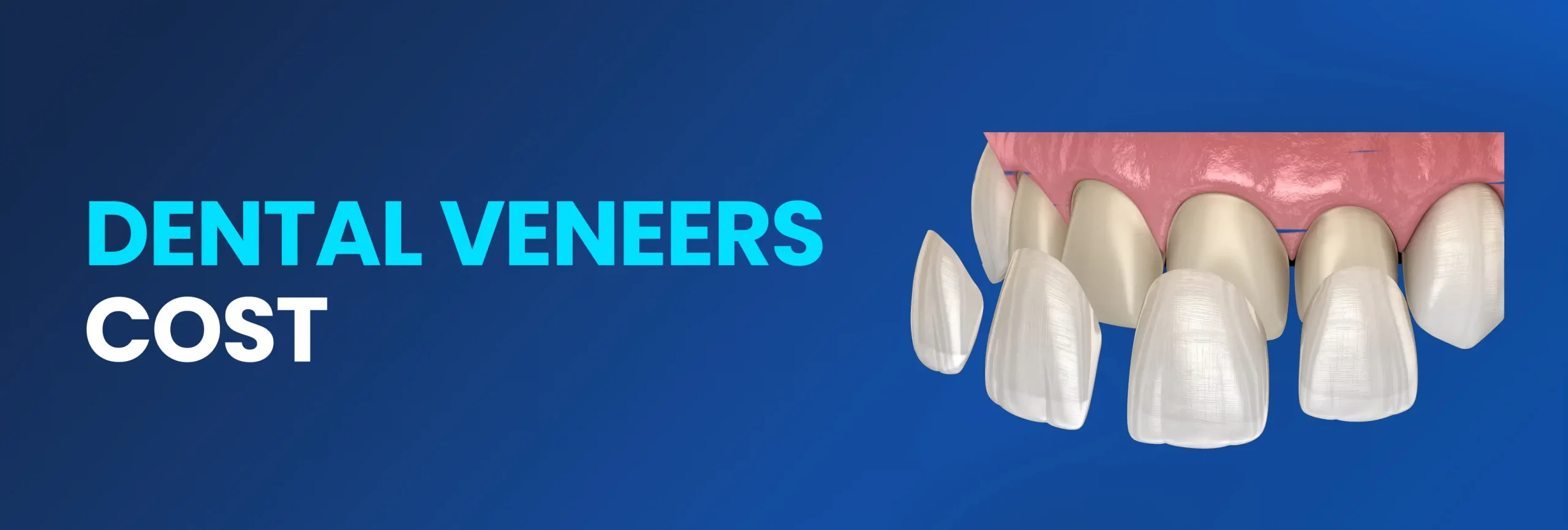
A dental veneer is a thin, custom-made shell (porcelain, e.max, zirconia, or composite) that bonds to the front of teeth to improve color, shape, and alignment. Although the process is minimally invasive, the cost varies widely depending on the material, technique, surgeon’s experience, and location. Globally, the average veneer cost per tooth ranges from €250 to €1,500, while full-mouth smile makeovers (12–20 teeth) cost between €4,000 and €12,000.
In Western Europe and the U.S., prices are at the upper end due to higher clinical overheads, material costs, and specialist fees. In contrast, Istanbul, Turkey has become a leading destination for veneers, offering all-inclusive smile makeover packages starting from €4,000, often including Digital Smile Design (DSD), temporary veneers, and follow-up care. Many clinics in Turkey use premium ceramics, CAD/CAM workflows, and highly trained cosmetic dentists, all while keeping prices significantly lower than in the West.
Since cosmetic dental veneers are not covered by dental insurance, cost is a major factor, but patients also prioritize quality, longevity, and aesthetics. A lower price is only valuable if it comes with trusted lab provenance, long-term warranties, and an experienced team. The final cost depends on the number of teeth, the type of veneer, lab accreditation, and whether you add services like smile simulation, temporaries, or night guards. Compared to having the same treatment in Europe or the U.S., the price difference can be dramatic, but choosing the right clinic with proven outcomes is just as important as finding a good deal.
How Much Do Dental Veneers Cost in 2025?
Dental veneers are thin, custom-crafted shells made from porcelain, composite resin, or advanced ceramics that bond to the front of the teeth to enhance color, symmetry, and shape. The treatment is minimally invasive but highly technique-sensitive, relying on precise digital design, meticulous preparation, and expert adhesive bonding to achieve durable and natural-looking results.
Pricing varies widely depending on material quality, the clinician’s expertise, laboratory standards, and whether the clinic uses digital smile design or premium ceramic systems like e.max. Porcelain and other high-end ceramics deliver superior translucency and stain resistance, while composite veneers provide a more affordable option with a shorter lifespan.
Because veneers are elective cosmetic procedures, they are not covered by dental insurance. For this reason, many clinics provide flexible payment options, including interest-free installments, long-term financing plans, medical credit services, and in-house split payments. Transparent providers clearly outline these options, along with any administrative or financing fees, allowing patients to plan their budgets confidently and choose the highest-quality materials without financial strain.
What Factors Influence the Cost of Veneers?
The total cost of dental veneers reflects a combination of material quality, clinical expertise, and technical precision. Each case involves several variables that directly shape both price and long-term results. Understanding these factors helps patients evaluate value beyond the initial quote.
- Material Type: Porcelain, composite, e.max, and Lumineers differ in strength, translucency, and laboratory processing time. Premium ceramics such as e.max and zirconia command higher prices for their optical realism and durability.
- Number of Teeth: A single veneer costs more per tooth than a smile design because multi-unit cases distribute laboratory and setup fees across several restorations.
- Dentist’s Experience and Technology: Clinics using advanced CAD/CAM systems and Digital Smile Design (DSD) achieve higher precision but carry greater equipment and training costs.
- Additional Procedures: Treatments like gum contouring, whitening, bonding, or implant placement increase complexity and overall pricing.
- Laboratory Origin and Certification: Veneers fabricated in AACD-accredited or ISO-certified laboratories undergo strict quality control, which elevates both reliability and cost.
Why Does Veneer Cost Vary Globally?
The price of dental veneers differs widely because each restoration involves multiple cost layers, clinical expertise, digital technology, and material craftsmanship. Veneers are not standard off-the-shelf products but individually designed restorations that require a collaboration between dentist and laboratory. Every step, from digital scanning to final cementation, adds a specific cost component. Understanding these elements helps patients interpret why one clinic charges more than another and what level of precision, durability, and safety the price reflects.
- Currency and Labor Costs: Wages for dental technicians and clinicians vary sharply between countries. Lower labor and operational expenses in medical-tourism destinations reduce overall pricing without reducing material quality.
- Laboratory Fees: Veneers fabricated in premium labs using branded ceramics (such as Ivoclar) cost more due to controlled firing, finishing, and color layering.
- Dentist Expertise: Accredited cosmetic dentists invest in advanced adhesive systems, precision shaping, and bite calibration, which influence both longevity and natural appearance.
- Digital Technology: Clinics using CAD/CAM milling and Digital Smile Design (DSD) achieve predictable, photo-guided outcomes with fewer remakes, but the investment in scanners and design software raises total cost.
- Regulatory and Clinical Standards: Strict sterilization rules, ISO or AACD accreditation, and in-house radiography add structural costs but improve clinical reliability and patient safety.
Veneer pricing represents a convergence of technology, skill, and regulation, not a random market spread. The most accurate comparison focuses on what the fee includes, material provenance, digital workflow, trial smile, and long-term follow-up, not the headline price alone.
How Much Do Dental Veneers Cost per Tooth?
Veneer pricing is generally calculated on a per-tooth basis, as each unit is custom designed and fabricated.
| Material Type | Average Cost (Per Tooth) | Lifespan | Aesthetic Quality | Notes |
| Porcelain / E-max | €250 – €1,500 | 10–15 years | High translucency, stain-resistant | Premium ceramic system |
| Zirconia Veneers | €300 – €1,200 | 10–15 years | Opaque strength, best for darker shades | High durability |
| Composite Veneers | €100 – €700 | 5–7 years | Moderate polish, discolor over time | Direct or indirect fabrication |
| Lumineers / No-Prep | €400 – €1,500 | 8–10 years | Ultra-thin, reversible | Limited to mild corrections |
Average per-tooth veneer costs vary by country and clinic standards but remain strongly tied to the chosen material and production method. Porcelain and zirconia systems are fabricated using high-pressure sintering or CAD/CAM milling, while composite veneers are sculpted directly in the chair or cast in a basic lab, explaining the price and longevity gap.
How Much Do Full-Mouth Veneers Cost?
For patients seeking a complete smile makeover, full-mouth veneers involve treating 12–20 teeth to create a uniform, aesthetic smile. This approach is priced differently from single-tooth veneers because it includes planning, laboratory work, and advanced cosmetic techniques.
How Much Does a 12–16 Teeth Full Smile Makeover Cost?
A 12–16 teeth full smile makeover is designed for patients looking to enhance the majority of their visible teeth, creating a harmonious and aesthetically pleasing smile. This approach goes beyond single-tooth treatments, combining advanced cosmetic planning, high-quality materials, and precision laboratory work to achieve natural-looking, long-lasting results.
- Covers most visible teeth in the upper or lower jaw.
- Price range: €4,000 – €9,000 depending on material, laboratory quality, and clinic expertise.
- Includes Digital Smile Design, temporary veneers, shade matching, and full treatment planning.
How Much Does a 16–20 Teeth Full Smile Makeover Cost?
The 16–20 teeth full smile makeover is a premium solution for patients seeking a complete transformation of their smile, covering all visible teeth in both the upper and lower arches. This comprehensive approach combines high-end materials, meticulous cosmetic planning, and full-mouth temporaries to deliver a flawless, natural-looking result that maximizes both aesthetics and durability.
- Premium option covering all visible teeth in both arches for complete transformation.
- Price range: €7,000 – €12,000.
- Often includes advanced ceramic systems like e.max, custom layering, full-mouth temporaries, and extensive cosmetic planning.
What Are Hidden or Additional Full-Mouth Veneer Costs?
Beyond the visible treatment fee for a full-mouth veneer makeover, several supporting costs contribute to the total investment. Transparent clinics disclose these elements upfront, while incomplete pricing can obscure the true expense. Understanding each category ensures accurate budgeting and realistic expectations.
- Smile Design & Mock-Ups: Digital Smile Design (DSD) and trial mock-ups visualize the final result before fabrication. For full-mouth cases, these tools are essential to plan symmetry, bite alignment, and overall aesthetics, but they add planning and software costs.
- Temporaries and Laboratory Fees: Temporary veneers protect prepared teeth during fabrication. Full-mouth cases require multiple temporaries, and premium laboratories charge extra for high-quality ceramics, layered colorization, and certified material systems for all teeth.
- Maintenance & Replacements: Long-term upkeep includes professional cleanings, night guards, and potential replacement of multiple veneers every 10–15 years, depending on material and wear. Full-mouth treatments increase overall maintenance costs proportionally.
- Travel & Accommodation (for Dental Tourism Cases): International patients planning full-mouth veneers factor in flights, hotel stays, and transportation. Some clinics bundle these into fixed packages, while others price them separately.
Accounting for these additional costs prevents unexpected charges and clarifies the real value of a full-mouth veneer treatment.
What Are the Warning Signs of Hidden Full-Mouth Veneer Fees?
Hidden costs appear when clinics present incomplete or overly simplified “all-inclusive” full-mouth veneer offers. Patients should always request a detailed breakdown before committing to treatment.
- All-inclusive full-mouth packages without a transparent cost breakdown
- No mention of laboratory brand or material system (Ivoclar, e.max, Noritake)
- Missing warranty or guarantee terms for fracture, debonding, or replacement
- Additional charges for smile design, temporaries, or anesthesia that appear after booking
- Absence of post-treatment care or unclear maintenance responsibilities
How Much Do Types of Veneers Cost?
Different veneer types use distinct materials and fabrication methods, which directly influence aesthetics, longevity, and total treatment cost. Porcelain and e.max veneers dominate the high-end segment due to their strength and translucency, while composite veneers offer a faster and more affordable approach. Ultra-thin options such as Lumineers serve patients seeking minimal enamel reduction but require precise case selection to ensure lasting results.
| Veneer Type | Average Cost (Per Tooth) | Lifespan | Aesthetic Quality | Preparation Required | Notes |
| Porcelain Veneers | €250 – €1,500 | 10 – 15 years | High translucency, natural finish | Minimal enamel reduction | Premium ceramic, excellent durability |
| E.max (Lithium Disilicate) Veneers | €300 – €1,200 | 10 – 15 years | Superior optical properties | Minimal | Most popular high-strength ceramic system |
| Zirconia Veneers | €300 – €1,200 | 10 – 15 years | Slightly opaque, highly durable | Moderate | Ideal for darker teeth or high-stress areas |
| Composite Veneers | €100 – €700 | 5 – 7 years | Good initial polish, limited stain resistance | None | Budget option, direct or indirect fabrication |
| Lumineers (No-Prep Veneers) | €400 – €1,500 | 8 – 10 years | Ultra-thin, bright finish | None | Reversible in selective cases |
| Temporary or Trial Veneers | €50 – €150 | Short-term | Diagnostic appearance | None | Used for smile preview or transitional wear |
Veneer type determines not only the initial price but the long-term value of treatment. Premium ceramics require advanced laboratory layering and digital scanning, increasing upfront cost but reducing maintenance and replacement over time. Composite or temporary veneers lower immediate expenses yet demand periodic polishing and earlier renewal.
How Much Do Porcelain Veneers Cost?
The average porcelain veneer cost in 2025 ranges from €250 to €1,500 per tooth, depending on laboratory quality, material origin, and the inclusion of design extras such as Digital Smile Design (DSD) or temporaries. Veneers produced in top-tier labs using Ivoclar command higher prices due to precision layering and controlled color matching. Clinics that provide digital previews or mock-ups charge slightly more but deliver better fit and predictability.
Price differences stem from craftsmanship, not material markup. A well-made porcelain veneer requires advanced firing, glazing, and shade calibration, ensuring strength and optical depth that justify its position as the most refined and durable veneer option.
Are Porcelain Veneers Worth the Extra Cost?
Yes. Porcelain veneers justify their higher price through longevity, stain resistance, and natural translucency that lower-tier materials cannot match. Their glass-ceramic composition mimics the reflective and refractive properties of enamel, producing a seamless, lifelike appearance. With proper oral hygiene and protection against grinding, porcelain veneers last 10–15 years while maintaining color stability and surface integrity.
Unlike composite veneers, which require regular polishing or replacement, porcelain retains its gloss and resists staining from coffee, tea, and wine. For patients seeking a durable, high-aesthetic investment, porcelain veneers deliver measurable long-term value that outweighs the initial cost difference.
How Much Do Composite Veneers Cost?
Composite veneers provide an affordable entry point to cosmetic smile enhancement. They are crafted from resin-based materials that bond directly to enamel, either sculpted chairside by the dentist or fabricated in a laboratory and later bonded in place.
In 2025, the average composite veneer cost ranges between €100 and €700 per tooth worldwide. Prices vary depending on whether the veneers are direct (applied and shaped in one visit) or indirect (lab-made). Direct veneers sit at the lower end of the range, while indirect versions require more precise modeling and incur laboratory fees.
Composite veneers achieve good esthetic improvement at a lower cost, though they require maintenance such as polishing or replacement after 5–7 years. They are ideal for patients seeking moderate smile correction or budget-conscious treatments that maintain a natural appearance without the higher expense of porcelain or e.max restorations.
Why Are Composite Veneers Cheaper?
Composite veneers cost less because their fabrication and placement involve fewer stages and lower laboratory dependency. Most are performed chairside, meaning the dentist sculpts and bonds the material directly onto the tooth in a single appointment. This eliminates the need for digital scanning, ceramic layering, or third-party lab production, reducing both time and overall expense.
The resin material used for composite veneers is less costly than porcelain or e.max ceramics, allowing clinics to maintain lower unit prices. While this approach offers convenience and affordability, it requires high technical skill to achieve symmetry and color depth manually. The trade-off is shorter lifespan and greater susceptibility to staining, which makes composites a practical choice for temporary or mid-term smile enhancement rather than permanent aesthetic restoration.
How Much Do Lumineers Cost?
Lumineers are ultra-thin, no-prep veneers designed to enhance smiles with minimal enamel reduction. In 2025, the average cost ranges from €400 to €1,500 per tooth, depending on the dentist’s certification, laboratory partnership, and number of units placed.
Because Lumineers require specialized fabrication in authorized labs, they tend to cost more than composite veneers but less than fully customized porcelain systems. Fees increase when the treatment includes digital smile previews or shade-matching sessions.
Their appeal lies in minimal invasiveness and reversibility, making them suitable for patients seeking cosmetic improvement without permanent tooth alteration.
What Makes Lumineers Different
Lumineers stand out from traditional veneers due to their ultra-thin, no-prep design, measuring just 0.3 mm in thickness. They bond directly to the enamel without the need for grinding or reshaping natural tooth structure, preserving full integrity and allowing for reversible treatment in selected cases. Manufactured using specialized pressed-ceramic technology, Lumineers achieve a high level of translucency and a natural, lifelike appearance despite minimal thickness. This makes them an ideal choice for patients with healthy teeth who want cosmetic enhancement without invasive preparation or anesthesia. While their unique design sets them apart functionally, the cost of Lumineers depends on factors such as the dentist’s expertise, laboratory standards, and any included digital smile design, rather than the thinness or no-prep approach itself. Payment options, including financing plans, make these premium veneers more accessible, while standard dental insurance does not cover them as they are considered elective cosmetic treatments.
How Are Veneers Compared to Dental Bonding or Crowns?
Dental veneers, bonding, and crowns all restore teeth, but their costs reflect differences in coverage, durability, and complexity. Bonding is the most budget-friendly option, ranging from €100–€400 per tooth, suitable for minor chips or discoloration, but it lasts only 3–7 years and requires more frequent maintenance. Veneers cost €250–€1,500 per tooth, offering a full front-surface restoration with high aesthetics and longevity of 10–15 years, making them a mid- to high-range investment. Crowns are generally €300–€1,200 per tooth and cover the entire tooth, providing maximum strength and protection with a lifespan of 10–20 years, but they are more invasive and costly due to the additional tooth preparation required. Cost differences align with durability, coverage, and the technical skill involved, helping patients choose the best option for both their smile and budget.
| Treatment Type | Cost per Tooth (€) | Lifespan | Notes on Cost |
| Dental Bonding | 100 – 400 | 3 – 7 years | Most budget-friendly; short-term solution |
| Dental Veneers | 250 – 1,500 | 10 – 15 years | Mid- to high-range cost; durable and aesthetic |
| Dental Crowns | 300 – 1,200 | 10 – 20 years | Higher complexity and invasive; longer lifespan |
What Should a Veneers Quote Include?
A transparent veneers quote provides a complete overview of the treatment plan and eliminates uncertainty about what is and isn’t included in the total price. Every element should be itemized to ensure clarity, accountability, and informed decision-making.
- Per-Tooth Cost: Specify the price per veneer and total number of units.
- Material and Brand: Identify whether the veneers are porcelain, e.max, zirconia, composite, or Lumineers, and include the manufacturer’s name.
- Laboratory Information: Indicate if the veneers are made in-house or by a certified external lab with AACD or ISO accreditation.
- Smile Design & Temporaries: Detail Digital Smile Design (DSD), mock-ups, and provisional veneers used before final placement.
- Warranty or Guarantee: Clearly state the coverage period and terms for repair or replacement in case of fracture or debonding.
- Aftercare & Follow-Up: Include polishing sessions, maintenance visits, and any post-treatment support or care products.
A well-documented quote demonstrates professional transparency and helps patients compare clinics on equal, evidence-based terms.
How to Verify a Transparent Veneers Quote
A veneers quote is a written cost proposal outlining exactly what a patient pays for before treatment starts. Verifying its transparency ensures there are no hidden charges or vague promises disguised as “all-inclusive” packages. A legitimate quote reflects clinical precision, material authenticity, and full disclosure of procedural details.
Clinics that avoid providing this level of detail risk concealing additional fees or lower-grade materials. Patients should request the quote in writing, confirm all inclusions before paying deposits, and ensure warranty terms are explicitly stated. Transparent documentation is a strong indicator of ethical practice and professional accountability.
What Is the Lifespan vs Cost Ratio of Veneer Materials?
The true value of veneers depends on how long they last relative to their cost. Materials with higher initial prices provide superior durability, stain resistance, and long-term aesthetics, reducing the need for replacement and maintenance over time. Evaluating the lifespan-to-cost ratio helps patients understand which option delivers the best balance between investment and longevity.
| Veneer Material | Average Cost per Tooth (€) | Expected Lifespan | Maintenance Level | Value Assessment |
| Porcelain Veneers | €250 – €1,500 | 10 – 15 years | Low | Excellent long-term investment |
| E.max Veneers | €400 – €1,200 | 12 – 20 years | Very low | Premium durability and aesthetics |
| Composite Veneers | €100 – €700 | 5 – 7 years | Moderate | Shorter lifespan but lower upfront cost |
| Lumineers (No-Prep) | €400 – €1,000 | 8 – 10 years | Low | Enamel-preserving, slightly less robust |
| Zirconia Veneers | €500 – €1,200 | 15 – 20 years | Very low | High fracture resistance, ideal for heavy bite forces |
Porcelain and e.max veneers offer the best overall cost-to-longevity performance, lasting well over a decade with minimal maintenance. Composite veneers remain a budget-friendly alternative but require more frequent polishing and replacement. Long-term value is achieved when materials, bonding protocols, and maintenance are all optimized for strength, hygiene, and bite stability.
How Maintenance Impacts the Long-Term Cost of Veneers?
Proper maintenance extends veneer lifespan and preserves their aesthetic value, directly reducing long-term treatment expenses. Neglecting routine care accelerates wear, staining, and edge microfractures, issues that lead to premature replacement.
- Oral Hygiene: Daily brushing with a non-abrasive toothpaste and consistent flossing prevent plaque buildup that weakens bonding edges and dull surface shine.
- Night Guard Use: Wearing a custom night guard protects veneers from grinding or clenching forces that cause chipping and microcracks over time.
- Regular Polishing: Professional cleanings and veneer-safe polishing every 6–12 months maintain luster and remove micro-stains from coffee, tea, or tobacco.
- Avoiding Hard Foods: Limiting hard biting (ice, nuts, bones) minimizes structural stress and prevents accidental fractures.
- Follow-Up Visits: Scheduled reviews allow the dentist to monitor bonding integrity and perform minor refinements before costly repairs are needed.
Are Cosmetic Veneers Covered by Dental Insurance?
Dental veneers are categorized as elective cosmetic procedures, meaning they are not considered medically necessary by most insurance providers. As a result, standard dental insurance plans do not cover veneers or any associated costs such as consultation, laboratory fabrication, or aesthetic design.
Insurance companies classify veneers as aesthetic enhancements rather than restorative treatments since they primarily address tooth color, shape, and alignment, not essential oral function. Even high-tier or private insurance plans rarely include veneers under coverage limits.
Patients planning veneer treatment should therefore expect to pay out of pocket and focus on clinics offering transparent pricing, itemized treatment plans, and optional financing solutions to manage the total investment.
When Could Full Dental Veneers Insurance Coverage Apply?
Insurance coverage for veneers applies only in medically justified or restorative cases, not for elective cosmetic enhancement. A few limited situations qualify when the treatment restores tooth integrity or function rather than appearance alone.
- Dental Trauma: Veneers placed to repair fractured or chipped teeth following an accident or injury.
- Enamel Defects: Coverage possible for congenital enamel hypoplasia or structural weakness that compromises tooth protection.
- Post-Reconstructive Restoration: When veneers are part of broader functional rehabilitation after oral surgery or tooth reconstruction.
- Medical Necessity Documentation: Insurers require radiographs, photographs, and a dentist’s written report proving that veneers serve a restorative, not cosmetic, purpose.
Even in these cases, approval is not guaranteed. Coverage is partial, reimbursing only a portion of laboratory and procedure costs under restorative care provisions rather than aesthetic treatment categories.
Does Insurance Cover Veneers When They Chip or Break?
Most insurers do not cover the repair or replacement of veneers that chip, fracture, or detach, since these situations fall under cosmetic maintenance rather than medically necessary care. Once veneers are placed, they are considered a completed elective treatment, and future repairs are viewed as patient responsibility.
Exceptions occur only when the veneer damage results directly from a covered dental trauma, for example, an accident verified by a clinical report or emergency documentation. Even then, coverage tends to be partial and limited to the restoration of the affected tooth.
For ongoing protection, reputable clinics provide a written warranty or guarantee policy, covering veneer replacement or repair within a specific time frame (commonly 3–10 years). Patients should confirm this coverage before treatment and keep documentation for any future claims or revisions.
Are Veneers Covered by Financing?
Yes. Veneers are eligible for financing programs, even though they are not included in standard dental insurance coverage. Many clinics partner with medical credit providers or offer in-house installment plans that allow patients to spread payments over time while accessing high-quality materials and advanced techniques.
Financing divides the total cost of treatment into monthly or quarterly installments, over 6 to 24 months, depending on the clinic’s policy and patient eligibility. Some financing options include 0% interest periods or low fixed rates for approved applicants.
For international patients, medical tourism clinics frequently collaborate with global payment processors or health-finance platforms that enable pre-approval before travel. Each financing plan should clearly outline:
- The total treatment cost and down payment amount
- Interest rate and repayment schedule
- Early repayment or cancellation terms
- Currency and transaction fee details (for international clients)
Transparent financing makes veneers accessible without compromising quality, allowing patients to invest in durable, aesthetic results through structured, affordable payments.
How to Finance Veneers
Financing veneers allows patients to manage costs flexibly while receiving treatment from qualified cosmetic dentists. Several structured payment methods are available depending on the clinic’s policy and the patient’s location.
- Installment Plans: Many clinics offer in-house payment schedules that divide the total cost into monthly or quarterly installments, over 6–24 months. Some programs include 0% interest options for short-term repayment.
- Medical Credit Services: Specialized healthcare lenders provide dental-specific credit lines, enabling patients to fund veneers through approved financing partners such as CareCredit or similar regional providers.
- Tourism-Based Savings: For patients traveling abroad, medical tourism pricing already includes significant cost reductions. Paying in local currency or through advance booking packages further lower overall expenses.
- Bank or Credit Card Financing: Conventional credit systems remain an option for quick approval, though patients should confirm international transaction limits and potential fees.
Why Are Veneers More Affordable in Turkey?
Veneer treatment in Turkey remains significantly more affordable than in Western countries, but this difference reflects economic and operational factors, not a reduction in quality or safety. Turkey’s dental sector combines advanced technology, accredited laboratories, and internationally trained dentists with a cost-efficient healthcare system designed for high patient volume.
- Lower Operational Costs: Rent, utilities, and staffing expenses are considerably lower in Turkey than in the UK, EU, or USA, reducing total treatment prices without compromising materials or expertise.
- Currency Advantage: A favorable exchange rate allows international patients to access premium veneers, such as porcelain or e.max, at 60–80% lower prices when converted from GBP, USD, or EUR.
- Integrated Dental Tourism Infrastructure: Clinics operate within government-supported health tourism frameworks that streamline patient logistics, including airport transfers, hotel partnerships, and multilingual coordination.
- High Patient Volume: Istanbul’s established cosmetic dentistry market treats thousands of international patients annually, allowing clinics to optimize lab production and supply chains for cost efficiency.
- Accredited Medical Standards: Leading Turkish clinics maintain ISO, JCI, or AACD certifications, using the same global material brands found in Western laboratories.
Dental veneer in Turkey cost less because of economic scale and efficiency, not material shortcuts. Patients receive equivalent veneer quality and precision at a fraction of Western pricing, supported by modern technology, digital workflows, and internationally recognized accreditation.