
Maintaining dental hygiene means consistently removing plaque, controlling bacteria, and protecting enamel through daily habits. A complete oral care routine combines proper brushing, flossing, a balanced diet, and regular professional check-ups. Together, these practices prevent cavities, gum disease, and systemic health complications linked to poor oral health.
Good dental hygiene is not a single action; it is a structured daily commitment. Whether you are managing natural teeth, restorations, or orthodontic appliances, the fundamentals remain consistent: clean thoroughly, eat mindfully, and visit your dentist regularly.
What Is the Ideal Daily Dental Hygiene Routine?
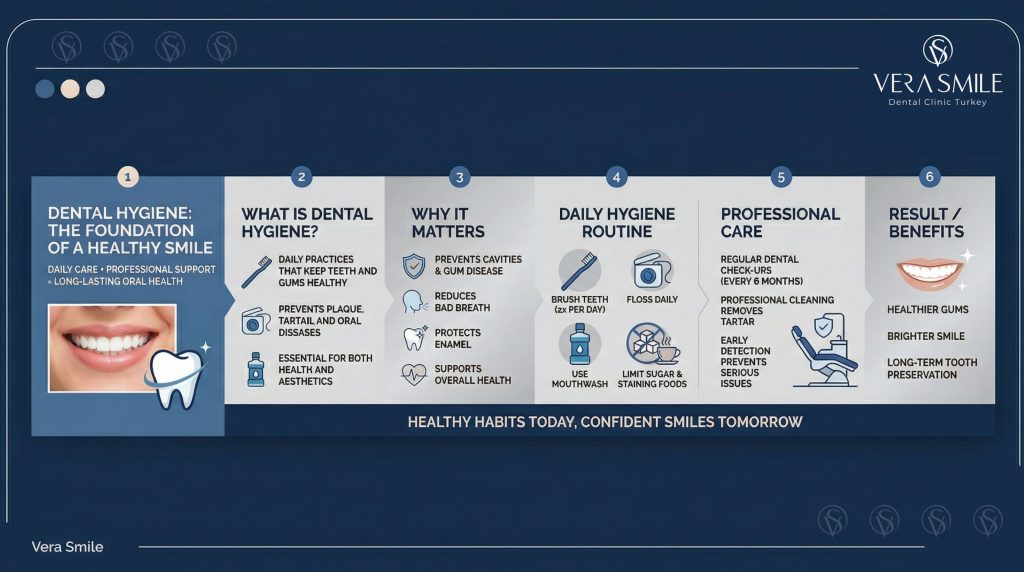
An ideal daily dental hygiene routine includes brushing twice a day, flossing once, using mouthwash, staying hydrated, and limiting sugar intake. These steps, done consistently, prevent plaque buildup and protect gum tissue. A structured routine takes fewer than ten minutes and forms the foundation of long-term oral health. Here is what a complete daily routine looks like:
- Brushing: Brush for two minutes twice a day, once in the morning and once before bed. Use a soft-bristled toothbrush and fluoride toothpaste. In the morning, brushing removes bacteria that accumulate overnight; at night, it clears food debris and plaque built up throughout the day. Skipping the evening brush is one of the most consequential oral hygiene mistakes you can make.
- Flossing: Floss once daily, ideally before brushing at night. Flossing first loosens food particles and plaque between teeth, which brushing then removes more effectively. It also allows fluoride from toothpaste to better reach the spaces between teeth after they have been cleared. Use a fresh section of floss for each tooth, ease it gently below the gumline using a C-shape motion, and never snap it against the gum tissue. Dental picks, interdental brushes, or water flossers are effective alternatives for those with limited dexterity or wider gaps.
- Mouthwash: Use mouthwash as the final step in your routine, after brushing and flossing. Antibacterial or fluoride mouthwashes reduce bacteria, strengthen enamel, and help prevent gum disease by reaching areas that brushing and flossing may miss. Avoid rinsing with water immediately afterward to allow active ingredients to remain on teeth and gums. For alcohol-sensitive individuals, choose an alcohol-free formulation. Mouthwash is a valuable complement to your routine, not a substitute for brushing or flossing.
- Tongue Cleaning: Bacteria accumulate on the tongue’s surface and contribute to bad breath and overall bacterial load in the mouth. Use a tongue scraper or the back of your toothbrush to clean the tongue from back to front each day, ideally after brushing.
- Hydration and Diet: Drink plenty of water throughout the day to rinse away food particles, neutralise acids, and support saliva production. Limit sugary or acidic snacks between meals, each exposure extends the window during which bacteria produce enamel-eroding acids.
A consistent routine built around these five pillars addresses every major risk factor for dental disease and keeps your oral health on a stable, long-term foundation.
How Often Should You Brush Your Teeth Each Day?
You should brush your teeth at least twice a day, once in the morning and once before bed. Brushing after meals can also be beneficial, but wait at least 30 minutes after consuming acidic foods or drinks to avoid enamel erosion. Twice-daily brushing is the evidence-based minimum recommended by dental professionals worldwide.
How Long Should You Brush Your Teeth?
You should brush your teeth for a full two minutes, twice a day. Most people brush for under 45 seconds, which is insufficient to remove plaque effectively. Divide your mouth into four quadrants and spend 30 seconds on each. An electric toothbrush with a built-in timer can significantly improve both technique and duration, particularly for those who tend to rush.
What Is the Correct Way to Use a Toothbrush, Dental Floss, Mouthwash, and a Tongue Scraper?
Using the right tools is only half the equation, technique determines how effective they actually are. Many people brush and floss daily yet still develop cavities or gum disease because their method is incorrect. The following guidance covers the correct use of each core oral hygiene tool so that every step of your routine delivers its full benefit.
- Toothbrush: Hold the brush at a 45-degree angle to the gumline and use gentle, circular or short back-and-forth strokes, never scrubbing. Clean all surfaces: outer, inner, and chewing surfaces of every tooth. Use light pressure; the bristles should do the work, not the force. Replace your toothbrush every three to four months, or sooner if bristles are frayed.
- Dental floss: Use 40–45 cm of floss, wrapping most of it around your middle fingers and guiding a clean section between each tooth. Curve the floss into a C-shape against the tooth surface and slide it gently below the gumline. Never snap the floss, ease it between teeth with controlled pressure. Move to a fresh section for each tooth to avoid redistributing bacteria.
- Mouthwash: Measure the recommended amount, rinse actively for 30–60 seconds, ensuring the liquid reaches all areas of the mouth including between teeth and along the gumline. Spit out completely and do not eat, drink, or rinse with water for at least 30 minutes afterward.
- Tongue scraper: Place the scraper at the back of the tongue and draw it forward with gentle, even pressure. Rinse the scraper after each pass. Two to three passes are typically sufficient. A tongue scraper is more effective than a toothbrush at removing the biofilm layer that causes bad breath and harbours bacteria.
Mastering each of these tools transforms your daily routine from a mechanical habit into a genuinely protective practice. If you are unsure whether your technique is correct, your dental hygienist can demonstrate the right approach at your next visit and tailor it to your specific anatomy and any appliances you may have.
How Does Oral Hygiene Affect Overall Health?
Oral hygiene directly impacts systemic health. Bacteria from untreated gum disease can enter the bloodstream and contribute to cardiovascular disease, diabetes complications, respiratory infections, and adverse pregnancy outcomes. The mouth is a gateway to the body, chronic oral infections create a persistent inflammatory burden that affects multiple organ systems.
Research consistently links periodontitis to increased cardiovascular risk. A landmark study published in the Journal of Periodontology found that individuals with severe gum disease had significantly higher rates of coronary artery disease compared to those with healthy gums. A large-scale meta-analysis in the British Medical Journal further demonstrated that periodontal infection is an independent risk factor for stroke. The relationship with diabetes is bidirectional: people with poorly controlled diabetes are more susceptible to periodontal infection, while active gum disease impairs glycaemic control, a finding supported by studies in Diabetes Care and endorsed by the American Diabetes Association. Maintaining oral hygiene is not just about aesthetics, it is a measurable component of overall health management.
What Ingredients Should You Look for in Oral Care Products?
Look for fluoride as the primary active ingredient in toothpaste, as it strengthens enamel and prevents cavities. For mouthwash, seek antibacterial agents such as chlorhexidine (for short-term therapeutic use) or cetylpyridinium chloride. Avoid products with excessive abrasives or high alcohol content that may irritate oral tissues with prolonged use.
Beneficial ingredients in oral care products:
- Fluoride (1000–1500 ppm in adults): Core cavity prevention ingredient
- Hydroxyapatite: Enamel-remineralising alternative to fluoride, growing in evidence base
- Potassium nitrate or stannous fluoride: Effective for sensitivity relief
- Xylitol: Natural sugar substitute that inhibits cavity-causing bacteria
- Zinc citrate: Helps control tartar and bacteria
What to avoid in oral care products:
Be cautious of toothpastes containing activated charcoal, which lacks clinical evidence for whitening and carries a high abrasivity risk. Avoid mouthwashes with high alcohol concentrations if you experience dry mouth or mucosal sensitivity, as alcohol reduces salivary flow over time. Steer clear of products with artificial sweeteners such as saccharin if you prefer a cleaner formulation, and always treat heavily marketed “natural” products with scrutiny, the absence of an ingredient does not guarantee efficacy or safety.
Pay attention to the RDA (Relative Dentin Abrasivity) value of your toothpaste, particularly if you have sensitive teeth, gum recession, or exposed root surfaces. RDA measures how abrasive a toothpaste is against tooth structure. A value below 70 is considered low-abrasion and suitable for sensitive teeth; values above 150 carry a higher risk of enamel and dentine wear with daily use. Whitening and charcoal toothpastes frequently fall into the higher range, check the label or ask your dentist before committing to long-term use.
How Does Your Diet Affect Dental Hygiene?
Diet is one of the most significant factors in dental hygiene. What you eat and drink directly determines the environment in your mouth; the acidity level, the availability of sugars for bacteria to feed on, and the nutrients available for enamel and gum tissue repair. A tooth-friendly diet reduces decay risk and supports healthy oral flora.
Every time you eat or drink something sugary or acidic, bacteria in your mouth produce acids that attack enamel for up to 30 minutes afterward. Frequent snacking (even on seemingly harmless foods) extends the duration of this acid exposure throughout the day.
Which Foods and Drinks Harm Your Teeth?
Foods and drinks that are high in sugar, acid, or both cause the most dental damage. They promote enamel erosion and feed the bacteria responsible for tooth decay and gum disease. Frequent consumption without proper oral hygiene accelerates these effects considerably.
Most damaging foods and drinks:
- Sugary soft drinks, energy drinks, and fruit juices
- Sweets, chocolates, and sticky candies
- Citrus fruits and vinegar-based foods (in excess)
- White bread and refined carbohydrates
- Alcohol (drying effect reduces saliva)
- Coffee and tea with added sugar
Timing matters too. Sipping sugary drinks slowly over an hour is far more harmful than consuming them quickly with a meal.
How Does Sugar Impact Your Teeth?
Sugar feeds oral bacteria, which then produce lactic acid that dissolves tooth enamel. This process, known as demineralisation, is the primary mechanism behind cavity formation. The more frequently teeth are exposed to sugar (rather than the total quantity) the higher the decay risk. Even natural sugars in fruit juice can cause this effect.
Reducing sugar frequency is more effective than reducing quantity alone. Rinsing with water after consuming sugary foods and chewing sugar-free xylitol gum can help neutralise acids and stimulate saliva, providing a degree of protection between brushing sessions.
How Do Smoking and Alcohol Affect Dental Health? Which Foods Help Improve Oral Hygiene? Is Drinking Water Important for Oral Hygiene?
Smoking and alcohol are among the most harmful lifestyle factors for oral health. Smoking reduces blood flow to the gums, impairs healing, masks signs of gum disease, causes severe staining, contributes to tooth loss, and is a leading risk factor for oral cancer. Alcohol is acidic, dries out the mouth (reducing saliva’s protective effect), and irritates gum tissue. Combined, they create a significantly elevated risk environment for periodontal disease and oral malignancy.
Foods that improve oral hygiene:
- Crunchy vegetables (carrots, celery, cucumbers): Stimulate saliva and mechanically clean tooth surfaces
- Dairy products (cheese, yoghurt, milk): Rich in calcium and casein, which strengthen enamel
- Leafy greens: Provide calcium, folic acid, and vitamins that support gum health
- Nuts and seeds: Good source of minerals including phosphorus and calcium
- Green and black tea: Contain polyphenols that suppress harmful oral bacteria
- Fatty fish: Provide vitamin D, essential for calcium absorption and gum health
Is drinking water important for oral hygiene?
Yes, water is one of the simplest and most effective tools for maintaining oral hygiene. It rinses away food particles and sugars, neutralises acidic pH in the mouth, and supports saliva production. Saliva is the mouth’s natural defence system: it buffers acids, delivers minerals to enamel, and contains antimicrobial proteins. Fluoridated tap water provides additional enamel protection with every sip.
Does Dental Hygiene Differ Across Age Groups?
Yes, while the core principles of oral hygiene remain consistent at every age, the specific risks, techniques, and priorities shift considerably as the mouth develops and changes over a lifetime. Children are building habits and protecting developing teeth; adults are maintaining what they have while managing new challenges; seniors are preserving function in the face of age-related changes. Understanding these distinctions allows for a more targeted and effective approach at every stage of life.
How Should Children Maintain Dental Hygiene?
Dental hygiene in children should begin before the first tooth even appears. Starting early establishes both the habit and the healthy oral environment that supports proper tooth development. Wipe an infant’s gums with a clean, damp cloth after feeding to reduce bacteria. Once teeth erupt, brush twice daily using a rice-grain-sized smear of fluoride toothpaste for children under three, and a pea-sized amount from age three onward. Introduce flossing as soon as two teeth touch. Regular dental visits should begin by the child’s first birthday.
Key habits to establish in children:
- Brush with parental supervision until age seven or eight, when manual dexterity is sufficient for independent technique
- Limit juice and sugary drinks; encourage water as the primary beverage
- Avoid putting children to bed with a bottle of milk or juice, which pools sugar against teeth overnight
- Ask the dentist about fissure sealants on permanent molars for additional cavity protection
The habits formed in childhood have a direct and lasting impact on adult oral health. Investing in early education, consistent routines, and regular professional visits gives children the strongest possible foundation for a lifetime of healthy teeth.
How Does Dental Hygiene Change for Adults?
Adults face a shifting set of oral health challenges that differ from those of childhood. Gum recession, enamel wear, sensitivity, and the cumulative consequences of any historical dental neglect become increasingly relevant from the mid-twenties onward. Lifestyle factors such as stress, diet, medication use, and habits like smoking or alcohol consumption; also begin to exert a more pronounced effect on oral health over time.
Maintenance priorities for adults:
- Maintain consistent twice-daily brushing and daily flossing without exception
- Switch to a sensitivity toothpaste if experiencing thermal or tactile discomfort
- Be aware that dry mouth, a common side effect of many medications, increases cavity and gum disease risk, address it proactively with your dentist
- Monitor for early signs of gum disease, such as bleeding on brushing, gum tenderness, or visible recession
Adulthood is also the period during which restorative treatments (crowns, fillings, implants) become more common. Protecting these investments with diligent home care and regular professional check-ups is essential to their longevity.
What Are the Best Dental Care Tips for Seniors?
Seniors are at heightened risk of root caries (cavities at the gumline), dry mouth from multiple medications, and tooth loss. As the mouth ages, gum tissue naturally recedes, exposing root surfaces that are softer and more vulnerable to decay than enamel. Reduced saliva production, a common side effect of many medications prescribed in later life, further increases that risk by diminishing the mouth’s natural protective mechanisms.
Best dental care practices for older adults:
- Use fluoride toothpaste with a higher fluoride concentration if recommended by a dentist
- Address dry mouth with prescribed saliva substitutes or sugar-free lozenges
- Maintain implants, dentures, and partial plates with specific cleaning protocols suited to each appliance
- Prioritise regular check-ups to monitor bone density changes and soft tissue health
Tooth loss is not an inevitable part of aging, it is largely the result of preventable disease. With appropriate products, adapted technique, and consistent professional support, seniors can maintain functional, healthy teeth well into later life.
How Should You Maintain Dental Hygiene with Crowns and Veneers?
Crowns and veneers require careful but consistent oral hygiene, as they are most vulnerable at their margins; the point where the restoration meets the natural tooth. Plaque accumulation at these edges can lead to decay beneath the crown or veneer, gum irritation, and premature restoration failure. The right technique protects both the restoration and the underlying tooth structure.
Crowns and veneers:
- Brush gently around the margin with a soft-bristled brush, paying particular attention to the gumline
- Floss carefully daily; do not skip this step, as interproximal plaque is a primary cause of decay around restorations
- Avoid biting on hard foods with veneers; they can chip or debond under excessive force
- Use a non-abrasive toothpaste to preserve the surface finish and avoid micro-scratching
With proper care, crowns and veneers can last many years. Neglecting the margins, however, accelerates deterioration and may require earlier replacement.
How Should You Maintain Dental Hygiene with Braces or Aligners?
Braces and aligners both demand a more disciplined oral hygiene routine than natural teeth alone. Fixed braces create multiple additional surfaces (brackets, wires, and bands) where plaque accumulates rapidly. Clear aligners eliminate that complexity during wear but introduce their own hygiene requirements. In both cases, consistency is essential to prevent white spot lesions, cavities, and gum inflammation during treatment.
Fixed braces:
- Use an orthodontic brush and interproximal brushes to clean around brackets and wires after every meal
- A water flosser is particularly effective for dislodging debris and reaching under wires where traditional floss cannot easily go
- Rinse with fluoride mouthwash daily to protect enamel around brackets, which are at elevated risk of demineralisation
- Avoid sticky, crunchy, or hard foods that can dislodge brackets or bend wires
Clear aligners:
- Remove aligners before eating or drinking anything other than water; this prevents staining and trapping sugars against teeth
- Clean aligners daily with a soft brush and mild soap; avoid toothpaste, which is abrasive and can scratch the surface, creating areas for bacterial buildup
- Brush and floss teeth thoroughly before reinserting aligners to avoid sealing food debris and bacteria against the tooth surface
Orthodontic treatment is a significant investment in your smile, protecting it with rigorous daily hygiene ensures the result is both healthy and lasting. If you are unsure whether your current routine is adequate for your specific appliance, your orthodontist or dentist can tailor a cleaning protocol to your needs.
What Is the Best Night-Time Oral Hygiene Routine? How Do You Maintain Dental Hygiene While Traveling?
Night-time oral hygiene is arguably the most important session of the day. Saliva flow decreases significantly during sleep, reducing the mouth’s natural self-cleansing ability. Any plaque or food debris left on teeth overnight is exposed to an extended period of bacterial activity.
Ideal night-time routine:
- Floss between all teeth
- Brush for two minutes with fluoride toothpaste
- Use antibacterial or fluoride mouthwash
- Do not eat or drink anything (other than water) afterward
- If you grind your teeth, wear a custom night guard
Maintaining dental hygiene while travelling:
- Pack a travel toothbrush, toothpaste, floss, and a small mouthwash
- Store your toothbrush in a ventilated case; not a sealed container, which traps moisture and bacteria
- Use bottled or filtered water in destinations where tap water quality is uncertain
- Chew sugar-free xylitol gum after meals if brushing is not immediately possible
- Do not skip your twice-daily routine regardless of time zones or fatigue
What Are the Early Signs of Poor Dental Hygiene? How Can You Prevent Cavities and Gum Disease with Dental Hygiene?
Early signs of poor dental hygiene often appear gradually and can be easy to dismiss:
- Persistent bad breath (halitosis)
- Bleeding gums when brushing or flossing
- Gum redness, swelling, or tenderness
- Visible plaque or tartar buildup near the gumline
- Tooth sensitivity to hot, cold, or sweet stimuli
- Discolouration or white spots on teeth (early demineralisation)
These signs warrant prompt attention. Left unaddressed, they progress to cavities, periodontitis, and eventual tooth loss.
Preventing cavities and gum disease:
- Brush twice daily with fluoride toothpaste to reduce plaque
- Floss once daily to remove interproximal plaque, a primary cause of gum disease
- Limit sugar and refined carbohydrate consumption
- Drink fluoridated water and stay well hydrated
- Attend professional cleanings to remove tartar (calculus) that brushing cannot eliminate
- Ask your dentist about fissure sealants and fluoride treatments for additional protection
Prevention is far less costly, financially and clinically, than treatment. Every consistent daily habit you maintain reduces the likelihood of needing restorative intervention and protects your teeth for the long term.
How Often Should You Visit the Dentist for Check-Ups?
Most adults should visit the dentist every six months for a check-up and professional cleaning. Patients with a history of gum disease, high cavity risk, diabetes, or dry mouth may require more frequent visits, every three to four months. Your dentist will advise on the appropriate recall interval for your individual needs.
What happens during a professional dental cleaning:
- A dental hygienist removes plaque and calcified tartar (which cannot be removed by brushing at home) using hand scalers and ultrasonic instruments
- Teeth are polished to remove surface stains
- The dentist examines teeth for early decay, gum health, bite issues, and any signs of oral cancer
- X-rays may be taken to detect problems not visible clinically
Do you still need a dentist if you brush and floss daily?
Yes, without exception. Home oral hygiene, however thorough, cannot remove hardened calculus or detect problems forming beneath the gumline or within tooth structure. Professional assessment identifies issues in their earliest, most treatable stages. Many serious dental problems (including oral cancer, early-stage cavities, and bone loss from periodontitis) are asymptomatic until they are advanced. Regular dental visits are irreplaceable.
What Are the Most Common Dental Hygiene Mistakes?
Even people who brush and floss regularly can unknowingly undermine their routine through small but consequential errors. These mistakes are rarely obvious; many feel entirely normal until the damage becomes visible. Identifying and correcting them is one of the most straightforward ways to meaningfully improve your oral health without changing how much time you spend on it.
Most common dental hygiene mistakes:
- Brushing too hard or using a hard-bristled brush
- Not brushing for the full two minutes
- Skipping flossing entirely
- Using mouthwash immediately after brushing (dilutes fluoride)
- Brushing immediately after acidic foods or drinks
- Replacing a toothbrush infrequently
- Neglecting the tongue
- Missing dental appointments
Can brushing too hard damage your teeth?
Yes. Brushing with excessive pressure causes gingival recession (gum tissue pulling away from the tooth), enamel abrasion, and increased root sensitivity. Once the gum recedes, it does not regenerate on its own. Use a soft-bristled brush and light pressure, let the bristles do the work, not the force. An electric toothbrush with a pressure sensor is a practical solution for those who habitually over-brush.
Is whitening toothpaste safe for daily use?
Whitening toothpastes are generally safe for daily use, but with caveats. They work primarily by using mild abrasives to remove surface stains; they do not alter the intrinsic colour of teeth. High-abrasivity whitening toothpastes can cause enamel wear and increase sensitivity with prolonged use, particularly on already sensitive teeth. Check the RDA value and consult your dentist if you are unsure which product is appropriate.
Do natural remedies replace proper oral hygiene?
No. Oil pulling, charcoal powder, bicarbonate of soda, and herbal rinses are frequently promoted as natural alternatives, but none have sufficient clinical evidence to replace fluoride toothpaste and evidence-based oral care practices. Some natural remedies (particularly activated charcoal) may be abrasive and harmful to enamel. Natural approaches can complement a solid routine but should never be used as a substitute for it.
What Happens If You Don’t Maintain Proper Dental Hygiene?
Neglecting dental hygiene initiates a progressive chain of consequences. Plaque accumulates and hardens into tartar within 24–72 hours. Tartar inflames the gums (gingivitis), which, if left untreated, advances to periodontitis, a destructive infection of the bone and tissue supporting the teeth. Cavities form as enamel is broken down by bacterial acids. Tooth loss follows if decay or bone destruction becomes severe.
The systemic consequences extend further: chronic oral infection increases inflammatory markers associated with cardiovascular disease, complicates diabetes management, and has been linked to respiratory conditions and adverse pregnancy outcomes. Poor oral hygiene also carries social and psychological costs; pain, embarrassment, difficulty eating, and reduced quality of life.
The encouraging reality is that most of these outcomes are entirely preventable with a consistent, informed daily routine and regular professional care.
FAQs
You can support dental hygiene naturally through diet, hydration, and lifestyle choices; eating tooth-friendly foods, drinking plenty of water, and avoiding tobacco and excess sugar. However, natural approaches alone are insufficient. Fluoride toothpaste, mechanical plaque removal through brushing and flossing, and professional dental care remain essential and cannot be fully replaced by natural methods.
The 2-2-2 rule is a simple dental hygiene guideline: brush for 2 minutes, twice a day, and visit your dentist every 2 months; or, in some interpretations, every 6 months (twice yearly). The first two elements are universally recommended. The visit frequency should be guided by your dentist based on your individual risk profile. The rule serves as an easy-to-remember framework for consistent oral health habits.
Visible and measurable improvements in oral hygiene can occur within two to four weeks of consistent brushing, flossing, and dietary changes. Gum inflammation (gingivitis) often begins to resolve within seven to fourteen days of thorough plaque removal. Deeper issues such as tartar buildup, established gum disease, or cavities require professional treatment and longer timelines. The sooner a structured routine is started, the faster and more significant the improvement.