
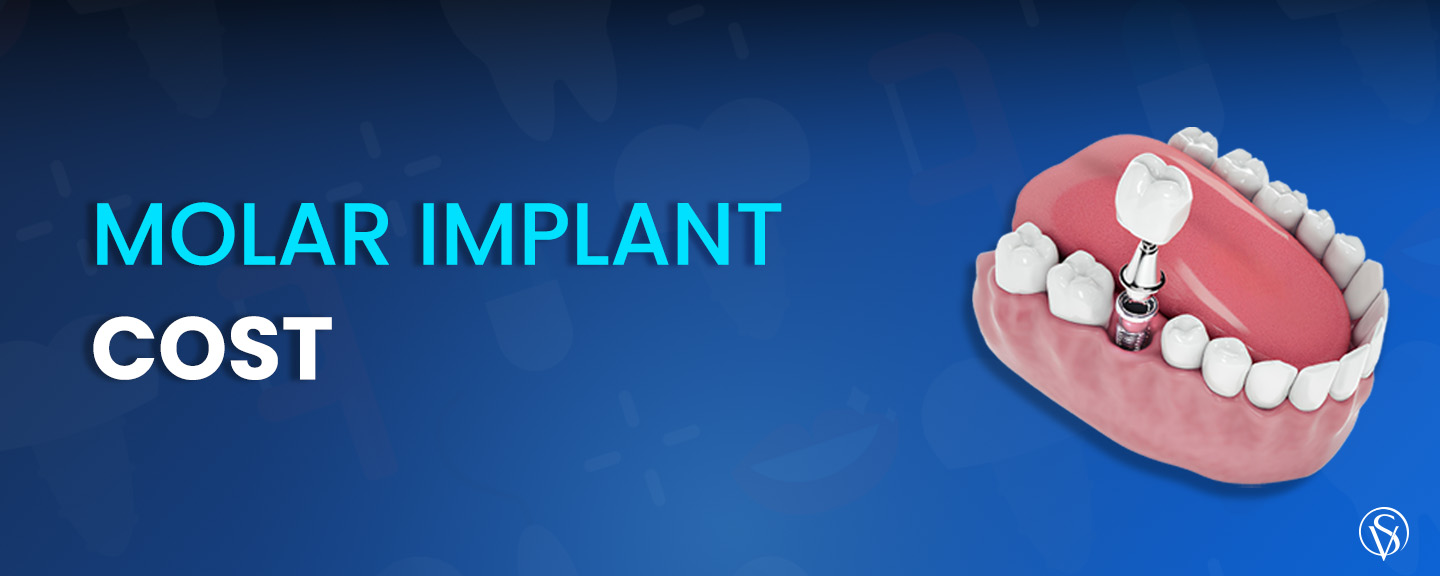
Molar implant cost is consistently higher than the price of implants placed in front teeth, and this difference is not arbitrary. Molars handle the highest bite force in the mouth, absorb constant chewing pressure, and support long-term jaw stability. Replacing a molar therefore requires stronger implant design and reinforced crown materials, which directly influence pricing.
Back-tooth implant placement involves greater technical complexity than anterior regions. Lower molars sit close to the inferior alveolar nerve, while upper molars are positioned beneath the maxillary sinus. Bone quality in these areas is frequently less dense, increasing the need for advanced imaging and surgical precision. These anatomical factors explain why molar implant pricing cannot follow the same cost logic as front-tooth implants.
Realistic molar implant cost ranges depend on more than the implant fixture alone. Surgical difficulty, crown thickness, bite-force management, and bone conditions shape the final cost. Pages that discuss generic dental implant cost rarely separate molar-specific requirements, which leads to averages that fail to reflect back-to-tooth realities.
What Is a Molar Implant?
A molar implant is a dental implant placed to replace a missing back tooth (first or second molar). It consists of a titanium or zirconia implant fixture surgically inserted into the jawbone, a connecting abutment, and a durable crown designed specifically for heavy chewing forces. Unlike front-tooth implants, molar implants are engineered to withstand the highest bite pressure in the mouth.
Molars play a critical role in chewing efficiency, jaw stability, and bite balance. Because they absorb most of the chewing load, molar implants require wider diameters, deeper bone anchorage, and thicker crowns than implants used for incisors or premolars. This structural reinforcement is essential for long-term function and implant survival.
Placement of a molar implant is anatomically more demanding. Lower molars sit near the inferior alveolar nerve, while upper molars are positioned close to the maxillary sinus, which affects implant length, angle, and surgical planning. Bone density in the back of the jaw is often lower, making precise diagnostics and surgical expertise necessary.
In practical terms, a molar implant is not just a tooth replacement but a load-bearing restoration designed to restore full chewing strength, prevent adjacent teeth from shifting, and maintain jawbone health in high-stress areas of the mouth.
What Is the Cost of a Molar Implant?
The molar implant cost reflects the complexity of back-tooth replacement and the materials required to manage high chewing force. Pricing below represents average clinical ranges for a single molar implant, including the implant fixture, abutment, and crown.
| Country | Molar Implant Cost (€) | What the Cost Covers |
| United States | €3,200 – €5,500 | Implant placement, abutment, reinforced molar crown, surgery |
| United Kingdom | €2,800 – €4,500 | Implant system, abutment, zirconia or PFM molar crown |
| Europe | €2,200 – €4,000 | Surgical placement, prosthetic restoration, diagnostics |
| Turkey | €1,200 – €2,200 | Implant surgery, abutment, high-strength molar crown |
| Mexico | €1,300 – €2,400 | Implant placement, crown, standard imaging |
| India | €900 – €1,800 | Implant system, surgical procedure, prosthetic crown |
These ranges reflect full molar replacement, not entry-level implant pricing. Lower ranges indicate standard implant systems and crown materials, while higher ranges reflect premium implant brands, thicker molar crowns, and advanced surgical planning. Because molars absorb the highest chewing force, pricing aligns with structural strength rather than cosmetic considerations.
Why Is the Cost of a Single Molar Implant Higher Than a Front Tooth Implant?
The cost of a single molar implant exceeds the price of an implant placed in the front of the mouth because molars function as load-bearing teeth, not aesthetic restorations. Incisors and premolars guide the bite and support appearance, while molars absorb the majority of chewing force during every meal. This functional difference drives material selection, implant dimensions, and surgical planning.
Molar implants require wider implant diameters and deeper anchorage to handle vertical and lateral pressure. Front tooth implants rely on narrower fixtures designed around bone contours and visual alignment rather than force resistance. This structural reinforcement increases both implant and surgical costs for molar placement.
Crown design further separates pricing. A molar crown must be thicker, reinforced, and fabricated from high-strength materials such as full zirconia. Front tooth crowns prioritize translucency and shape, which demands less material thickness and lower fracture resistance. The added bulk and durability required for molars raise laboratory and material expenses.
Anatomical conditions influence cost differences as well. Back-tooth implant placement demands greater surgical precision due to nerve proximity in the lower jaw and sinus location in the upper jaw. Front tooth implants present fewer anatomical restrictions and shorter surgical time. These factors explain why molar implants carry a higher and more consistent price point than implants placed in visible front teeth.
What Is a Front Tooth Implant?
A front tooth implant replaces a missing incisor or canine using an implant fixture, abutment, and crown designed to match natural tooth color and shape. The focus is aesthetic integration, not heavy chewing force.
Front teeth experience lower bite pressure than molars, which allows the use of narrower implants and thinner crowns. Treatment planning centers on gum symmetry, smile alignment, and visual balance rather than load resistance.
This functional difference explains why front tooth implants cost less than molar implants in most cases.
Why Is Back Molar Implant Cost Higher Than Other Teeth?
Back molar implant cost remains higher than implants placed in other areas of the mouth because molars serve as the primary load-bearing teeth. They absorb the strongest chewing forces, which demands wider implant diameters, deeper bone anchorage, and reinforced crown materials. These structural requirements directly increase dental implant molar cost.
Anatomical challenges play a major role in pricing. Lower back molars sit close to the inferior alveolar nerve, while upper molars are positioned beneath the maxillary sinus. Implant placement in these zones requires advanced diagnostics, precise angulation, and controlled surgical depth, all of which raise procedural complexity and cost.
Bone quality in the back of the jaw differs from anterior regions. Posterior bone frequently shows lower density and limited vertical height, which influences implant selection and surgical planning. Managing these conditions demands greater clinical expertise and longer procedure time, contributing to higher molar implant pricing.
Crown fabrication further separates molar costs from other teeth. Molar crowns require greater thickness and fracture resistance to tolerate constant chewing pressure. High-strength materials and occlusal design increase laboratory and material expenses, reinforcing why back molar implant cost exceeds that of implants placed in front or mid-mouth positions.
How Do Bite Force and Load Distribution Increase Molar Implant Cost?
Molars generate the highest occlusal pressure in the dental arch. Chewing forces concentrate in the back of the mouth, placing constant vertical and lateral stress on implant structures. This pressure level exceeds what front-tooth implants are designed to tolerate, shaping every component choice in molar replacement.
To manage this load, molar implants require wider diameters and stronger thread designs. Narrow implants used in aesthetic zones fail under posterior force demands. Increased implant width and depth improve stability yet raise material cost and surgical complexity.
Crown selection reflects the same load considerations. Molar crowns require high-strength materials such as full zirconia and increased thickness to resist fracture and wear. These upgrades increase laboratory fabrication cost and long-term durability expectations, reinforcing why bite force and load distribution drive higher molar implant pricing.
How Do Bone Density and Anatomical Challenges Affect Molar Implant Cost?
Bone density in the posterior jaw differs from front regions and directly influences molar implant cost. Back molar areas frequently present softer or limited bone volume, which increases surgical planning requirements and restricts implant positioning.
Lower molar implants sit near the inferior alveolar nerve, a structure responsible for sensation in the lips and chin. Implant depth and angulation must remain precise to protect this nerve, increasing reliance on advanced imaging and controlled surgical technique.
Upper molar implants face a different challenge due to proximity to the maxillary sinus. Reduced vertical bone height beneath the sinus limits implant length and placement options. Surgical planning must account for sinus boundaries, which adds complexity and cost to posterior implant treatment.
Why Do Surgical Time and Technique Increase Molar Implant Cost?
Molar implant placement demands longer surgical time and higher technical precision than implants placed in front teeth. Posterior access is more limited, visibility is reduced, and instrument control requires greater accuracy. These factors extend procedure duration and elevate clinical workload.
Surgical planning for molar replacement follows a more detailed dental implant procedure, with precise depth control and angulation to protect surrounding anatomical structures. Minor deviations in the back of the jaw carry higher risk, which raises the level of surgical expertise required.
Complex closure techniques, pressure management, and post-placement stability checks further increase procedural demands. This combination of time, technique, and precision explains why surgical complexity contributes significantly to higher molar implant cost.
What Is Included in the Cost of a Molar Dental Implant?
The molar dental implant cost reflects a complete treatment process rather than a single component. Pricing covers every stage required to restore a back tooth capable of handling high chewing force and long-term functional demand. Each element below plays a direct role in durability and stability.
- Implant Fixture Designed for Molar Load: The implant fixture forms the foundation of the restoration. Molar implants use wider and stronger fixtures engineered to support heavy occlusal pressure. Material quality and implant design influence strength and cost.
- Abutment Selected for Posterior Teeth: The abutment connects the implant to the crown. For molars, abutments require enhanced load resistance and precise fit to maintain stability under constant chewing stress.
- Reinforced Molar Crown: The crown replaces the visible tooth. Molar crowns use high-strength materials and increased thickness to resist fracture and wear. Laboratory fabrication standards affect final pricing.
- Diagnostics and Surgical Planning: Three-dimensional imaging, bite analysis, and digital planning ensure safe placement near nerves or sinus structures. These steps form an essential part of molar implant treatment cost.
- Surgical Placement and Clinical Fees: This includes implant insertion, sterile surgical environment, and professional expertise. Longer procedure time and technical demands in posterior areas contribute to overall cost.
What Role Does the Implant Fixture Play in Molar Implant Cost?
The implant fixture serves as the anchor for a molar implant and carries the full chewing load transferred from the crown to the jawbone. For back teeth, fixtures are produced from titanium or zirconia, materials selected for strength, biocompatibility, and long-term stability.
Titanium fixtures dominate molar implant treatment due to high fracture resistance and proven osseointegration under heavy pressure. Zirconia fixtures provide a metal-free alternative with strong structural properties and high tissue compatibility, though production costs remain higher.
Fixture diameter and thread design influence pricing. Molar implants require wider fixtures and deeper bone engagement to maintain stability during chewing. These design requirements increase material usage and manufacturing complexity, which directly affects molar implant cost.
How Does Abutment Type Influence Molar Implant Cost?
The abutment connects the implant fixture to the molar crown and plays a critical role in force transfer. For molar teeth, abutments must withstand constant vertical and lateral chewing pressure, which influences design and material choice.
Posterior abutments require greater thickness and precise angulation to maintain stability under load. Stock abutments suit front teeth, while molar restorations frequently rely on custom-milled abutments to achieve proper fit and force distribution.
Material selection impacts cost as well. Titanium abutments provide high strength and durability, while zirconia abutments support tissue compatibility and aesthetics in visible posterior zones. These structural and material requirements explain why abutment selection contributes directly to higher molar implant pricing.
Why Does Crown Material Matter for Molar Implant Cost?
Crown material selection directly affects molar implant cost due to the intense wear demands placed on back teeth. Molars endure continuous grinding and compression, which requires materials with high fracture resistance and surface durability.
Zirconia crowns dominate molar implant restorations because of superior strength and resistance to chipping. Their dense structure tolerates heavy occlusal pressure and reduces surface wear over time. Laboratory fabrication and material quality increase pricing.
Porcelain-fused-to-metal crowns offer a reinforced metal core with a porcelain outer layer. This structure supports chewing force, though porcelain surfaces experience higher wear under constant pressure. Material layering and metal frameworks influence cost differences between these options.
Wear resistance remains a key factor in crown selection for molars. Materials designed to resist abrasion and fracture support long-term function, which explains why molar crown choice plays a decisive role in overall implant pricing.
Why Do Imaging, Planning, and Surgical Fees Increase Molar Implant Cost?
Imaging and planning form the foundation of safe molar implant placement. Back-tooth regions demand three-dimensional scans and detailed bite analysis to map bone volume, nerve position, and sinus boundaries. These diagnostics influence treatment accuracy and pricing.
Digital planning defines implant diameter, depth, and angulation before surgery begins. Precise mapping reduces risk in posterior zones and aligns the treatment with established dental implant treatment steps, which adds professional and technological cost.
Surgical fees reflect procedure duration, technical difficulty, and clinical expertise. Posterior implant placement requires controlled access, advanced instrumentation, and careful closure techniques. These factors explain why imaging, planning, and surgical stages represent a significant portion of overall molar implant cost.
How Does Insurance Affect the Cost of a Molar Implant?
Molar implant cost with insurance depends on policy structure, annual limits, and coverage classification. Dental insurance plans separate implant treatment into surgical and prosthetic components, which influences reimbursement levels.
Many policies classify implants as major procedures with fixed percentage coverage. Surgical placement may receive partial support, while abutments and molar crowns frequently fall under separate benefit categories. Annual maximums cap reimbursement, leaving a defined out-of-pocket portion.
Back-tooth implants face additional coverage limits due to complexity and material requirements. High-strength crowns and advanced diagnostics increase total cost beyond standard coverage thresholds. This structure explains why insurance reduces molar implant cost without eliminating personal expense.
What Does Dental Insurance Usually Cover for Molar Implants?
Dental insurance plans apply annual coverage caps that limit the total amount paid within a calendar year. These caps restrict reimbursement regardless of implant complexity or location, which directly affects molar implant cost.
Coverage is divided into surgical and prosthetic portions. The surgical phase includes implant placement and related clinical fees, while the prosthetic phase covers the abutment and crown. Insurance providers assign separate benefit levels to each stage, leading to partial reimbursement rather than full coverage.
Why Are Molars Less Likely to Be Fully Covered by Insurance?
Insurance providers assess coverage based on clinical complexity and cost control. Molar implants involve higher material strength, wider implant fixtures, and reinforced crowns, which increases treatment expense beyond standard benefit thresholds.
Back molar placement requires advanced imaging and precise surgical technique due to nerve and sinus proximity. These clinical demands raise procedural fees that exceed coverage limits.
Insurers categorize molar implants as high-cost restorative treatments rather than routine tooth replacement. This classification reduces reimbursement levels and explains why full coverage for molar implants remains uncommon.
What Is the Out-of-Pocket Cost for a Molar Implant After Insurance?
Out-of-pocket expense for a molar implant depends on coverage limits, reimbursement percentages, and annual caps. Insurance plans apply partial payment, leaving the remaining balance to the patient even after benefits are used.
For example, a molar implant priced at €3,500 with a 50% major procedure benefit and a €1,500 annual cap results in limited reimbursement. Surgical placement receives partial coverage, while the crown and abutment fall outside the cap. The remaining balance becomes the patient’s responsibility.
This cost structure aligns with common policies explained in does dental insurance cover implants, which outlines why insurance support reduces cost without removing personal financial contribution.
What Is the Difference Between First Molar and Second Molar Implant Cost?
First and second molars differ in function, position, and surgical access, which directly influences implant pricing. While both teeth sit in the posterior region, their roles in chewing and bite stability are not the same. These differences shape implant size, crown design, and procedure complexity, leading to cost variation.
| Comparison Factor | First Molar Implant | Second Molar Implant |
| Average Cost Range | Higher due to load-bearing role | Slightly higher due to surgical access limits |
| Chewing Force | Primary chewing tooth with highest bite load | Secondary support with lower force distribution |
| Implant Size | Wider diameter for force resistance | Diameter influenced by limited space |
| Surgical Access | Easier visibility and instrument control | Reduced visibility and access |
| Bone Availability | More predictable bone volume | Limited bone height and density |
| Clinical Priority | Essential for bite stability and function | Focus on posterior balance |
How Do Accessibility and Surgical Visibility Affect Molar Implant Cost?
Accessibility differs significantly between first and second molar regions. First molars sit closer to the center of the dental arch, allowing clearer visibility and more controlled instrument movement during implant placement.
Second molars lie deeper in the posterior jaw, where mouth opening limits access and visual field. Reduced visibility increases surgical difficulty, extends procedure time, and demands higher technical precision.
These access limitations increase clinical workload and contribute directly to higher molar implant cost in posterior positions.
How Do Crown Size and Material Differences Influence Molar Implant Cost?
Crown size varies between first and second molars due to functional demand and available space. First molars require larger crowns with broader occlusal surfaces to manage primary chewing force, which increases material volume and fabrication effort.
Second molar crowns feature extended posterior coverage and reinforced contours to maintain bite balance in the back of the arch. Limited space and angulation affect crown design and laboratory precision.
Material selection follows these size differences. High-strength materials with greater thickness support durability under load, which raises production complexity and contributes to higher molar implant cost.
What Factors Increase the Cost of a Molar Tooth Implant?
The cost of a molar tooth implant rises due to structural demands, anatomical limitations, and treatment complexity unique to the back of the mouth. Each factor below directly influences material choice, surgical planning, and clinical time.
- Bone Quality and Volume: Reduced bone density in posterior regions affects implant stability and placement strategy. This condition increases diagnostic and surgical requirements.
- Implant Diameter and Design: Molar implants require wider fixtures and reinforced thread patterns to manage heavy chewing pressure, which raises material and manufacturing cost.
- Crown Strength and Thickness: Molar crowns demand high-strength materials and increased thickness to resist wear and fracture. Laboratory fabrication standards influence pricing.
- Surgical Difficulty: Limited access, nerve proximity, and sinus boundaries increase procedure complexity and clinical time.
- Diagnostic Imaging and Planning: Three-dimensional imaging and digital planning ensure accurate placement in high-risk posterior zones, adding to total treatment cost.
How Does the Implant Fixture Material Affect Molar Tooth Implant Cost?
The implant fixture forms the structural base of a molar tooth implant and bears continuous chewing load. Titanium and zirconia remain the primary materials used due to strength and biocompatibility requirements.
Titanium fixtures support high fracture resistance and long-term bone integration under heavy pressure. Their engineering standards and surface treatments influence cost.
Zirconia fixtures provide a metal-free alternative with high structural rigidity and tissue compatibility. Manufacturing complexity and material processing increase pricing.
Fixture diameter and thread geometry further affect cost. Molar implants rely on wider fixtures and deeper bone engagement, which raises production and surgical demands.
How Does Abutment Type Affect the Cost of a Molar Tooth Implant?
The abutment transfers chewing force from the molar crown to the implant fixture. Posterior teeth generate high pressure, which requires abutments with greater thickness, strength, and precision fit.
Custom-milled abutments dominate molar restorations due to force distribution needs and angulation control. This customization increases laboratory involvement and production cost.
Material choice shapes pricing. Titanium abutments deliver high durability under load, while zirconia abutments provide tissue compatibility in visible posterior zones. These design and material factors raise the total cost of a molar tooth implant.
How Does Crown Material Choice Impact the Cost of a Molar Tooth Implant?
Crown material determines how well a molar implant tolerates constant chewing pressure and surface wear. Back teeth demand restorations built for strength rather than visual translucency, which shapes material selection and pricing.
- Zirconia Crowns: High fracture resistance supports heavy bite force. Dense composition limits surface wear and reduces chipping risk. Material strength and laboratory processing raise cost.
- Porcelain-Fused-to-Metal Crowns: Metal substructure reinforces load resistance. Porcelain layers face greater wear under grinding pressure. Layered fabrication affects pricing.
- Wear Resistance Requirements: Molar crowns require materials that resist abrasion and deformation under continuous contact. Higher wear resistance correlates with higher molar tooth implant cost.
What Does Dental Insurance Cover for a Molar Tooth Implant?
Dental insurance plans apply annual caps that limit the total reimbursement within a policy year. Once this limit is reached, remaining treatment costs shift to the patient regardless of implant location or complexity.
Coverage divides into surgical and prosthetic portions. The surgical portion includes implant placement and related clinical fees. The prosthetic portion covers the abutment and crown, which fall under separate benefit categories with different reimbursement levels.
This split structure explains why dental insurance reduces molar tooth implant cost without providing full financial coverage.
What Is the Out-of-Pocket Cost for a Molar Tooth Implant After Insurance?
Out-of-pocket cost reflects the gap between total treatment price and insurance reimbursement. Annual caps and partial benefit structures leave a defined balance for the patient.
A molar tooth implant priced at €3,200 with a 50% major procedure benefit and a €1,500 annual cap results in limited reimbursement. Surgical placement receives partial payment, while the abutment and crown exceed the coverage limit. The remaining balance becomes the patient’s responsibility.
This cost pattern follows common policies outlined in does dental insurance cover implants, which explains why insurance support reduces expense without eliminating personal financial contribution.