
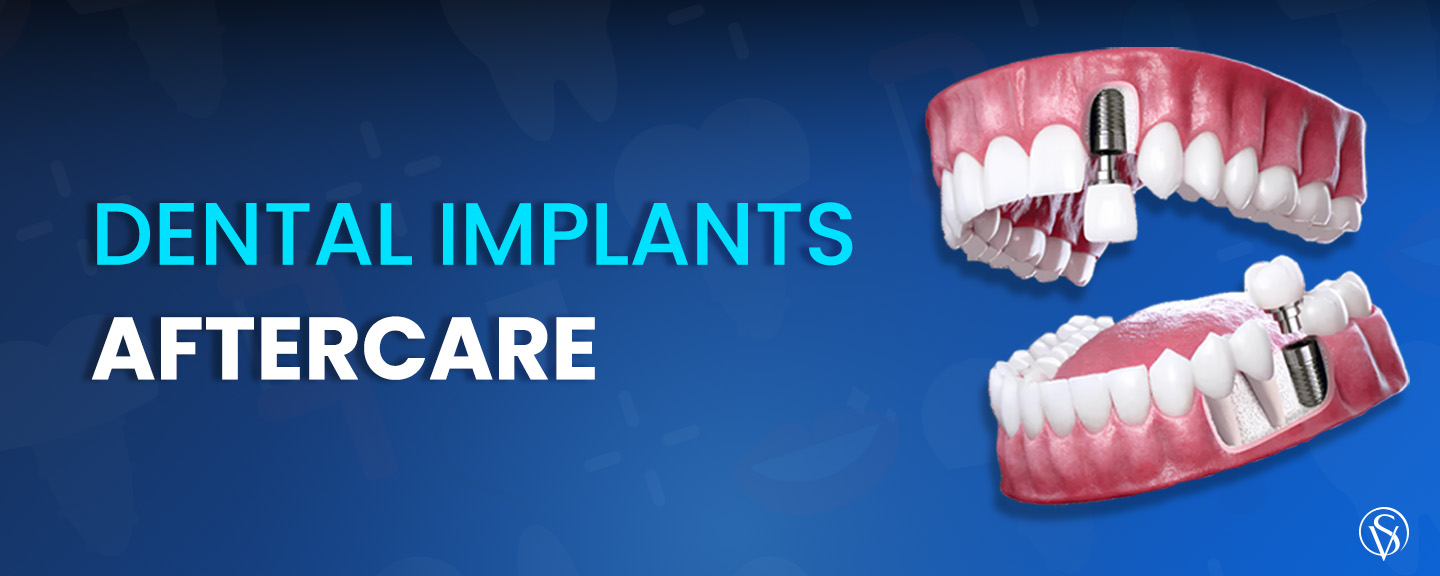
Dental implant success depends heavily on what happens after the surgery itself. While the procedure places a titanium post into the jawbone, the months that follow determine whether that post becomes a stable, long-lasting foundation for a replacement tooth. Unlike natural teeth, which are held in place by periodontal ligaments, implants must physically fuse with bone through a process called osseointegration. This biological integration doesn’t happen automatically, it requires specific conditions, careful management, and patient compliance with post-operative guidelines.
The healing process of dental implants involves both soft tissue repair around the surgical site and bone growth around the implant surface. Each phase has different requirements and risks. Disrupting early healing, whether through poor hygiene, premature loading, or habits like smoking, prevent proper integration and lead to implant failure. Understanding these instructions and following them consistently gives the implant the best chance to succeed.
Why Aftercare Instructions Matter for Dental Implant Surgery
After an implant is placed, the body treats it as a foreign object. The surgical procedure creates controlled trauma: gum tissue is incised, bone is prepared, and the implant is inserted. What happens next is a carefully orchestrated biological response.
Soft tissue healing begins immediately. The gums close around the implant or healing abutment, forming a protective seal. This initial closure is vulnerable to infection, mechanical disruption, and inflammation. Within the first week, collagen fibers start organizing, but the tissue remains fragile.
Bone healing follows a different timeline. The drilling process temporarily damages bone cells near the implant surface. Over the following weeks, osteoblasts, bone-forming cells, migrate to the implant surface and begin depositing a new bone matrix. This process, called osseointegration, takes 8 to 12 weeks for the lower jaw and 12 to 16 weeks for the upper jaw, where bone density is naturally lower. During this period, the implant must remain stable. Even small movements disrupt the bone-implant interface and cause fibrous tissue to form instead of bone, leading to failure.
Why aftercare matters biologically:
- Infection control: Bacteria at the surgical site trigger inflammation that prevents bone cells from approaching the implant surface
- Mechanical stability: Early loading or trauma create micro-movements that interfere with osseointegration
- Blood supply: Adequate circulation delivers oxygen and nutrients necessary for bone formation; smoking and certain medications reduce this supply
- Inflammation management: Chronic inflammation shifts the body’s response away from healing and toward tissue breakdown
Ignoring aftercare instructions increases the risk of peri-implant mucositis (gum inflammation around the implant) or peri-implantitis (inflammation affecting the supporting bone). These conditions develop weeks or months after surgery and lead to implant loss. Proper diet, oral hygiene routine, medication adherence, and lifestyle modifications during the healing phase are not optional, they directly influence whether the implant integrates successfully.
What Can Be Eaten and Drunk After Dental Implant Surgery
Diet plays a critical role in early recovery. The surgical site is sensitive, and chewing forces can disrupt sutures, cause bleeding, or even move the implant before it has stabilized. At the same time, proper nutrition supports tissue repair and bone formation.
First 24–48 hours:
- Cool or room-temperature soft foods: Yogurt, smoothies, applesauce, mashed potatoes, pudding
- Protein-rich liquids: Protein shakes, bone broth, blended soups (not hot)
- Avoid using a straw: Suction dislodge the blood clot at the surgical site, similar to dry socket after tooth extraction
Days 3–7 (soft food phase):
- Scrambled eggs, oatmeal, cottage cheese, soft fish, well-cooked pasta
- Steamed or mashed vegetables: Carrots, squash, sweet potatoes
- Avoid chewing directly on the implant side
Weeks 2–6 (gradual return to normal diet):
- Introduce semi-solid foods as comfort allows: Soft bread, rice, tender chicken, cooked vegetables
- Continue avoiding hard or crunchy foods on the implant side
- Monitor for pain or sensitivity; these are signs to slow the progression
The aim is to protect the implant while supporting healing. Soft foods limit pressure on the surgical site, and adequate protein helps tissue repair. Most patients return to a normal diet within 6–8 weeks, guided by comfort rather than a fixed timeline.
Supporting gut health during antibiotic use:
If antibiotics are prescribed, they disrupt the balance of beneficial gut bacteria and cause digestive discomfort. Supporting gut health during this period includes consuming probiotic-rich foods such as yogurt with live cultures, kefir, or soft, well-tolerated fermented foods, along with prebiotic options like bananas, oats, and soft-cooked garlic. Maintaining adequate hydration supports normal digestive function. These measures help preserve gut flora balance and reduce antibiotic-related side effects without affecting implant healing.
Which Foods and Drinks Should Be Avoided During Healing
Certain foods and beverages interfere with healing or damage the surgical site:
- Hard foods: Nuts, raw vegetables, hard bread crusts, chips, popcorn, ice, these apply excessive force to the implant or injure healing gums
- Sticky foods: Caramel, taffy, gummy candies, these pull on sutures or dislodge healing tissues
- Hot foods and beverages (first 48 hours): Hot soup, coffee, tea, heat increases blood flow and provoke bleeding; it cause discomfort at the sensitive surgical site
- Crunchy or sharp foods: Crackers, granola, hard toast, sharp edges scrape or irritate healing tissues
- Sugary foods and drinks: Soda, candy, sweetened juices, sugar feeds bacteria, increasing infection risk and inflammation around the implant
- Acidic foods (if causing discomfort): Citrus fruits, tomatoes, vinegar-based foods, acidity irritate exposed tissues, though this varies by individual tolerance
Avoiding these foods isn’t about restriction for its own sake. Each item on this list poses a specific risk: mechanical trauma, bacterial proliferation, or inflammation. Following these guidelines reduces complications and supports the conditions necessary for osseointegration.
Can Smoking and Alcohol Be Consumed After Dental Implant Surgery
No, smoking cannot be consumed after dental implant surgery. Smoking reduces blood flow, limits oxygen delivery, weakens immune response, and interferes with bone healing. These effects significantly increase infection and implant failure risk, especially during the first 2–4 weeks, which is the most critical healing period. Smoking should be stopped at least 2 weeks before surgery and avoided for 8 weeks after. Vaping carries similar risks because nicotine is the primary factor affecting healing.
No, alcohol cannot be consumed immediately after dental implant surgery. Alcohol increases inflammation, promotes dehydration, raises bleeding risk, and can interfere with antibiotics or pain medication. Alcohol should be avoided for the first 48–72 hours and throughout any period of medication use. After 2 weeks, limited consumption may be possible, but avoiding alcohol during the full osseointegration phase supports better healing and implant stability.
Which Medications Should Be Taken After Dental Implant Surgery
Post-operative medications serve specific purposes: controlling pain, preventing infection, and managing inflammation. Not every patient receives the same prescriptions, medication choices depend on the complexity of the surgery, the patient’s medical history, and the surgeon’s assessment of infection risk.
Common post-operative medications:
- Pain relievers: Over-the-counter options like ibuprofen or acetaminophen are sufficient for managing discomfort. In cases of more extensive surgery, stronger prescription painkillers are provided for the first few days. These should be taken as directed, not “as needed” for the first 24 to 48 hours, to stay ahead of pain rather than chasing it.
- Antibiotics: Not universally prescribed, but commonly given when infection risk is higher, such as in cases involving bone grafting, sinus lifts, or patients with compromised immune systems. The full course must be completed even if symptoms improve, as stopping early leads to antibiotic-resistant infections.
- Anti-inflammatory medications: Corticosteroids prescribed to reduce swelling, particularly after more invasive procedures. These are given as a short course over 3 to 5 days.
- Antimicrobial mouth rinses: Chlorhexidine rinses or similar products prescribed to reduce bacterial load in the mouth. These are started 24 hours after surgery and used twice daily for 1 to 2 weeks. They should not replace mechanical cleaning (brushing), as they don’t remove plaque physically.
Are Antibiotics Always Prescribed After Dental Implant Surgery
Antibiotic use after implant surgery is not universal. The decision depends on several factors:
- Surgical complexity: Single, straightforward implant placements in healthy patients don’t require antibiotics. More complex cases, multiple implants, simultaneous bone grafting, or longer surgical times, carry higher infection risk and warrant antibiotic coverage.
- Patient health status: Individuals with diabetes, immune disorders, or other conditions that impair healing receive prophylactic antibiotics even for simpler procedures.
- Bone quality and graft material: When synthetic or donor bone material is used, the risk of infection increases slightly, and antibiotics are more commonly prescribed.
Research on this topic is mixed. Routine antibiotic use doesn’t significantly reduce implant failure rates in healthy patients undergoing uncomplicated procedures. Other studies show a modest benefit, particularly in the first few weeks post-surgery. The trend in dentistry is toward more selective use of antibiotics to reduce unnecessary exposure and antibiotic resistance.
Patient responsibility:
- Take antibiotics exactly as prescribed, same time each day, full course completed
- Do not skip doses, even if feeling better
- Report any side effects (rash, severe diarrhea, allergic reactions) to the prescribing dentist immediately
- Avoid alcohol while on antibiotics, as it reduces their effectiveness and increase side effects
How the Oral Hygiene Routine Should Be Managed After Dental Implant Surgery
Maintaining oral hygiene after implant surgery is a delicate balance. The mouth must be kept clean to prevent bacterial infection, but aggressive brushing or flossing damage healing tissues or disrupt sutures. The approach changes as healing progresses.
How Should Oral Hygiene Be Managed in the First Days After Surgery
First 24 hours:
- No brushing or rinsing at the surgical site: The blood clot forming at the incision is essential for healing. Disturbing it increases bleeding and infection risk.
- Gentle rinsing elsewhere: After meals, very gentle rinsing with water (not swishing forcefully) removes food debris from other areas of the mouth.
- Continue brushing other teeth: Use a soft-bristled toothbrush on teeth away from the surgical area. Maintaining overall oral hygiene reduces bacterial load.
Days 2–7:
- Salt water rinses: Starting 24 hours post-surgery, rinse gently with warm salt water (½ teaspoon salt in 8 oz water) after meals and before bed. Do not swish vigorously—let the liquid move passively through the mouth. Salt water reduces bacteria and soothes tissues.
- Avoid the surgical site: Do not brush directly over the implant or sutures. Brush surrounding teeth carefully.
- Prescribed rinses: If an antimicrobial mouth rinse is prescribed (such as chlorhexidine), use it as directed—twice daily, after brushing. Note that chlorhexidine temporarily stains teeth; this is superficial and will be removed at future cleanings.
Weeks 2–6:
- Gradual reintroduction of brushing: Once sutures are removed (7 to 14 days post-surgery) and the dentist clears it, very gentle brushing near the implant resume. Use a soft or extra-soft toothbrush and minimal pressure.
- No flossing at the implant site yet: Wait for full soft tissue healing, 4 to 6 weeks, before attempting to floss around the implant.
When and How Can Normal Brushing Be Resumed
Full return to normal brushing occurs 6 to 8 weeks post-surgery, once the soft tissues have matured and the implant is stable. Brushing technique around implants differs slightly from brushing natural teeth.
Timeline:
- Weeks 6–8: Most patients can brush the implant area with normal pressure, though a soft-bristled brush is still recommended
- After crown placement: Once the final restoration is placed (3 to 6 months post-surgery), the implant can be brushed like a natural tooth
Technique for implants:
- Use a soft-bristled toothbrush: Hard bristles scratch titanium or irritate the gum seal around the implant
- Angle the brush: Hold the brush at a 45-degree angle to the gum line, gently cleaning where the implant meets the tissue
- Interdental cleaning: Use interdental brushes or water flossers specifically designed for implants. Traditional floss can be used, but avoid forcing it under the gum line aggressively
Tools for implant maintenance:
- Soft or extra-soft toothbrushes: Replace every 3 months
- Interdental brushes: Small brushes that clean between teeth and around implant abutments
- Water flossers: Effective for flushing debris from hard-to-reach areas without mechanical abrasion
- Non-abrasive toothpaste: Some whitening toothpastes contain abrasives that scratch implant surfaces over time
Why Oral Hygiene Is Critical for Implant Longevity
Unlike natural teeth, implants lack a periodontal ligament, the connective tissue that attaches a tooth root to bone. Instead, implants have a direct bone-to-metal contact. The gum tissue around an implant (peri-implant mucosa) is less vascularized and has fewer immune cells than the gums around natural teeth. This makes implants more vulnerable to bacterial infection.
Peri-implantitis is the most serious long-term complication of dental implants. It is a bacterial infection that causes inflammation and bone loss around the implant. If untreated, it leads to implant mobility and eventual failure. Studies suggest that 10% to 20% of implants develop peri-implantitis within 5 to 10 years.
Prevention through hygiene:
- Plaque control: Bacterial biofilm (plaque) must be removed daily. Unlike cavities in natural teeth, implants don’t decay, but the surrounding bone and gums are still susceptible to infection.
- Professional cleanings: Implants should be professionally cleaned every 3 to 6 months. Hygienists use specialized instruments that won’t scratch the implant surface.
- Self-monitoring: Patients should watch for early signs of peri-implant disease: bleeding when brushing, gum redness or swelling, or a bad taste around the implant.
Long-term implant success is not guaranteed by the surgery alone. Ongoing oral hygiene is the primary factor in preventing late-stage complications.
How Long Does Dental Implant Recovery Take
Recovery from dental implant surgery is not a single event, it’s a staged process with multiple phases, each with different characteristics and requirements.
- First week: The initial post-operative period focuses on managing acute symptoms, swelling, discomfort, and minor bleeding. Soft tissue begins to close around the implant, and sutures (if placed) hold the gums in position. Most patients return to work or normal activities within 2 to 3 days, though some residual swelling and tenderness are normal for the entire week.
- Weeks 2–6: Sutures are removed (between days 7 and 14), and the surgical site continues to mature. Swelling resolves, and discomfort fades. The implant itself remains beneath the gums, either covered entirely or with a healing abutment protruding through the tissue. During this time, the bone is beginning its integration process, though it is still fragile. Premature loading—such as chewing hard foods on the implant side, disrupt this early bone formation.
- Osseointegration phase (2–4+ months): This is the longest and most critical phase. The implant must remain stable while new bone grows around it and anchors it in place. The timeline varies by individual and by jaw location. Lower jaw implants integrate in 8 to 12 weeks due to denser bone. Upper jaw implants, where bone is less dense, require 12 to 16 weeks or longer. Patients with bone grafts need additional months for the graft to consolidate before the implant fully integrates. During osseointegration, there are generally no visible changes or symptoms. The process is internal and silent. Patients are unaware of it happening, which is why follow-up appointments and imaging (such as X-rays) are used to confirm progress.
- Crown placement: Once osseointegration is confirmed, through clinical examination and radiographs, the final restoration (crown, bridge, or denture) is attached. This marks the transition from healing to function. For single implants, crown placement occurs 3 to 6 months post-surgery. For more complex cases (multiple implants, full-arch restorations), the timeline extends to 6 to 9 months.
From surgery to final restoration, most patients expect a total timeline of 3 to 6 months for straightforward cases, and 6 to 12 months for complex cases involving bone grafts or staged procedures.
What Happens in the First 24–72 Hours After Implant Surgery
The first few days after surgery are the most symptomatic. Understanding what to expect helps patients distinguish between normal healing and signs of complications.
- Swelling: Swelling is a normal inflammatory response to surgery. It peaks 48 to 72 hours after the procedure and then gradually decreases over the following week. Swelling is more pronounced in the mornings due to fluid accumulation during sleep. Applying ice packs (20 minutes on, 20 minutes off) during the first 24 to 48 hours helps limit swelling. After 48 hours, cold therapy is less effective, and switching to warm compresses helps improve circulation and reduce residual swelling.
- Bleeding: Minor bleeding or oozing from the surgical site is common for the first 12 to 24 hours. Patients notice blood-tinged saliva, which is unsettling but is not a cause for concern. Biting gently on sterile gauze for 30 to 45 minutes helps control bleeding. If bleeding is persistent or heavy (bright red blood that doesn’t slow with pressure), contact the dental office immediately.
- Discomfort: Pain levels vary, but most patients describe the discomfort as moderate and manageable with prescribed or over-the-counter pain medication. The surgical area feels sore or tender, and opening the mouth widely might be uncomfortable if sutures were placed. Pain should gradually improve each day. If pain worsens after the first few days or becomes sharp and throbbing, this indicates infection or another complication.
- Bruising: Some patients develop bruising on the face, particularly around the jaw or cheeks, due to minor bleeding under the skin during surgery. This is harmless and resolves on its own within 7 to 10 days.
- Numbness or tingling: Temporary numbness of the lip, chin, or tongue occur if nerves near the surgical site were affected by local anesthesia or swelling. This resolves within a few hours to a few days. Persistent numbness beyond a week should be reported to the dentist, as it indicates nerve proximity issues.
Normal vs. abnormal symptoms:
- Normal: Swelling that peaks at 48 to 72 hours, mild bleeding for 24 hours, moderate pain controlled by medication, minor bruising, temporary numbness.
- Abnormal: Swelling that continues to increase after 72 hours, heavy bleeding that doesn’t stop with pressure, severe pain unresponsive to medication, fever above 100.4°F (38°C), pus or foul-smelling discharge, increasing redness spreading beyond the surgical site.
How to Speed Up Dental Implant Healing Safely
While osseointegration follows a biological timeline that cannot be rushed, patients optimize conditions to support the fastest safe healing. The following strategies reduce complications and create an environment conducive to bone formation and tissue repair.
- Rest and sleep: Adequate sleep is when the body performs most of its repair work. Growth hormone, which stimulates tissue regeneration, is released primarily during deep sleep. Aim for 7 to 9 hours of sleep per night, especially in the first week post-surgery. Elevating the head with an extra pillow during sleep reduces swelling by preventing fluid accumulation in the face.
- Hydration: Water is necessary for nutrient transport, waste removal, and maintaining blood volume for circulation. Dehydration slows healing and exacerbates swelling. Drink at least 8 glasses of water daily, more if engaging in physical activity or in hot weather. Avoid excessive caffeine and alcohol, as both are diuretics.
- Nutrition: Protein intake is especially important for collagen synthesis and immune function. Aim for 60 to 80 grams of protein daily from sources like eggs, fish, yogurt, and protein shakes during the soft-food phase. Vitamin C (found in citrus, berries, and vegetables) supports collagen formation. Vitamin D and calcium (from dairy or fortified foods) are essential for bone metabolism. Zinc (from meat, nuts, and legumes) aids immune response and wound healing.
- Avoiding early stress on the implant: Do not chew on the implant side until cleared by the dentist. Even if the implant feels stable, the bone integration is still developing. Premature loading causes micro-movements that lead to fibrous encapsulation instead of osseointegration. Avoid habits like nail-biting, chewing pens, or grinding teeth (if a night guard was prescribed, use it).
- Following hygiene instructions precisely: As outlined earlier, keeping the surgical area clean without disturbing it mechanically is key to preventing infection. Bacterial contamination is one of the most common preventable causes of implant failure.
- Avoiding smoking and alcohol: Both substances impair healing, as previously discussed. Even short-term abstinence during the critical first weeks significantly improves outcomes.
- Managing stress: Chronic stress elevates cortisol, a hormone that suppresses immune function and slows tissue repair. While some stress is unavoidable, practices like light exercise (walking), meditation, or deep breathing help modulate the stress response.
- Attending follow-up appointments: Post-operative check-ups allow the dentist to monitor healing, remove sutures, and identify early complications. Missing these appointments delay detection of problems.
How to Identify If a Dental Implant Is Failing
Implant failure occurs early (within the first few months, due to poor osseointegration) or late (months to years after placement, due to infection or bone loss). Recognizing warning signs early improves the chances of salvaging the implant or planning for replacement.
Signs of potential implant failure:
- Persistent or worsening pain: Mild discomfort for the first week is normal, but pain that continues beyond 10 to 14 days or intensifies over time suggests a problem. Sharp, throbbing pain is particularly concerning and indicates infection or nerve irritation.
- Mobility: A stable implant should not move. Any detectable wiggling or looseness, tested gently with fingers or noticed when chewing, indicates that osseointegration has failed or bone loss has occurred. Even slight movement is a serious sign and requires immediate evaluation.
- Pus or discharge: Any yellow, white, or blood-tinged fluid oozing from around the implant is a sign of infection. This is accompanied by a foul taste or odor.
- Fever: A low-grade fever (99°F to 100°F / 37.2°C to 37.8°C) in the first 48 hours can be a normal inflammatory response. A fever above 100.4°F (38°C), especially if it develops several days post-surgery or persists, suggests infection.
- Increasing swelling after the first 72 hours: Swelling should peak at 2 to 3 days and then gradually decrease. If swelling continues to worsen or spreads to new areas of the face, infection or other complications develop.
- Gum recession around the implant: The gum tissue should remain snug around the implant or healing abutment. Visible threads of the implant, progressive recession, or a gap forming between the gum and implant surface indicate bone loss or infection.
- Difficulty chewing or discomfort when biting (after crown placement): If the final restoration has been placed and chewing causes pain or feels uneven, the crown be improperly fitted, or the implant unstable.
- Radiographic changes: X-rays taken at follow-up appointments show bone loss around the implant, gaps between the bone and implant surface, or radiolucent areas that indicate infection. These changes are detected before symptoms appear.
When to contact the dentist immediately:
Any of the above symptoms warrant prompt communication with the dental office. Early intervention sometimes prevents full implant failure. In cases of infection, antibiotics or surgical cleaning are necessary. If osseointegration has not occurred, the implant needs to be removed and replaced after a healing period.
It’s important to approach these signs with calm attention rather than panic. Not every symptom means failure, some are manageable complications, but all require professional assessment.
Can Exercise Be Resumed After Dental Implant Surgery
Yes, exercise can be resumed after dental implant surgery, but not immediately. Physical activity increases heart rate and blood pressure, which can trigger bleeding or swelling at the surgical site during early healing.
- First 48–72 hours: Strenuous exercise cannot be resumed. Activities that significantly raise heart rate, such as running, weightlifting, or high-intensity training, should be avoided. Light walking can be done, as it supports circulation without stressing the implant site.
- Days 4–7: Low-impact exercise can be resumed, including gentle walking or light yoga. Movements that involve bending forward or placing the head below heart level should still be avoided to reduce swelling.
- Weeks 2–4: Most patients can gradually return to moderate exercise, increasing intensity as tolerated. If swelling or throbbing occurs, activity should be reduced.
- After 4 weeks: Full exercise routines, including high-intensity workouts and contact sports, can be resumed once soft tissue healing is complete and the dentist has confirmed recovery.
What Is the Best Sleeping Position After Dental Implant Surgery
Sleeping position influences swelling and comfort during the first week of recovery.
Recommended position is to sleep with the head elevated at a 30 to 45-degree angle using 2 to 3 pillows or a wedge pillow. This reduces blood flow to the head and minimizes fluid accumulation in the face, which helps control swelling.
Avoid sleeping on the side of the surgery. If the implant was placed on one side of the mouth, try to sleep on the opposite side or on the back to avoid putting pressure on the surgical area.
Duration: Maintain elevated sleeping for the first 3 to 5 nights. After swelling has peaked and begun to resolve, normal sleeping positions are resumed.
When Should a Dentist Be Contacted
While many post-operative symptoms are normal, certain signs require prompt professional evaluation. Patients should contact their dental office if they experience:
- Severe pain unresponsive to prescribed medication
- Heavy bleeding that does not stop with applied pressure after 30 minutes
- Fever above 100.4°F (38°C) persisting beyond 48 hours
- Swelling that continues to increase after day 3 or spreads to the neck or eye area
- Pus, discharge, or a foul odor from the surgical site
- Numbness or tingling that persists beyond 48 hours
- Any looseness or movement of the implant
- Difficulty breathing or swallowing (rare, but a medical emergency)
Most dental offices have an on-call system for after-hours emergencies. If uncertain whether a symptom is serious, err on the side of caution and reach out.
Dental implant aftercare is not passive, it requires attention, discipline, and informed decision-making. The instructions provided here reflect current evidence on how to support osseointegration, prevent infection, and optimize long-term implant survival. Following these guidelines does not guarantee success, as individual biology, surgical technique, and unforeseen complications all play roles. Consistent adherence to post-operative care significantly improves the likelihood of a stable, functional, and long-lasting result.