
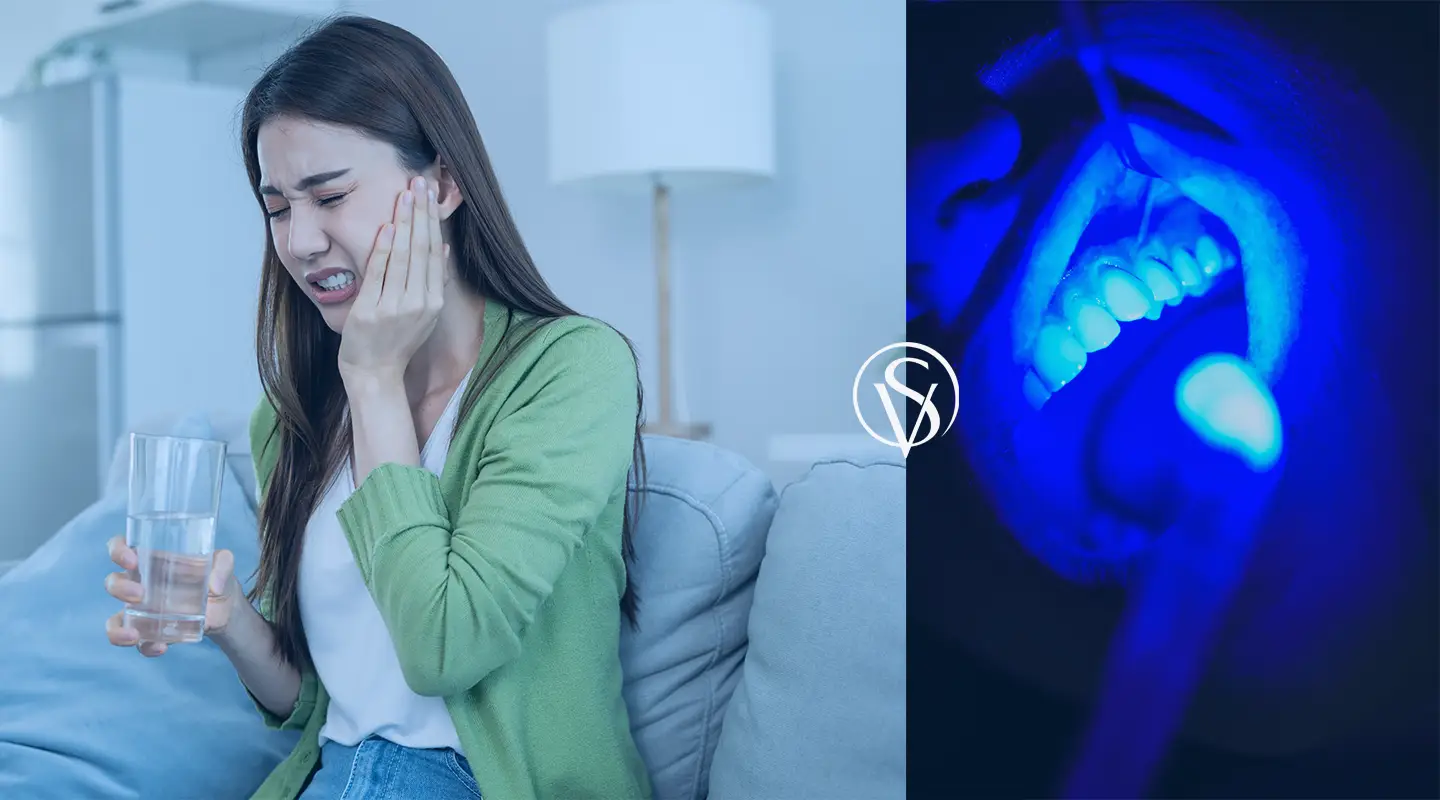
Teeth sensitivity after teeth whitening treatment can feel like nature’s way of reminding you that even beauty has its price. You’ve got that bright, movie-star smile, but your teeth suddenly seem to have developed an aversion to ice cream and hot coffee. Ouch!
Teeth whitening treatments are supposed to be all about enhancing your smile, not turning every sip of a cold drink into a test of endurance.
Contrary to popular belief, this teeth sensitivity is a common issue faced by many who opt for a pearly-white upgrade. The science behind this is simple: whitening agents like hydrogen peroxide and carbamide peroxide penetrate the enamel to remove stains, but in the process, they can expose the dentin beneath. This exposure is what leads to those sharp, fleeting pains that make you question if that radiant smile was worth the sting.
Now, before you start second-guessing your decision to whiten your teeth, take a deep breath. This sensitivity is typically temporary and entirely manageable with the right approach. There are tried-and-true methods to soothe your teeth and get back to enjoying your favorite foods and drinks without wincing at every bite.
What Causes Teeth Sensitivity after Teeth Whitening?
Teeth whitening might seem like a magic trick for your smile, but it’s not without its side effects. One of the main culprits behind teeth sensitivity after teeth whitening is the use of bleaching agents like hydrogen peroxide and carbamide peroxide. These ingredients are the go-to for banishing stains, but they also have a knack for making your teeth feel like they’re on a constant audition for an ice cream commercial.
When these bleaching agents get to work, they penetrate the enamel—the hard, protective outer layer of your teeth. This process effectively breaks down the stains, but it also temporarily exposes the underlying dentin. The dentin is filled with tiny tubules that lead to the nerves of your teeth. When exposed, these tubules allow heat, cold, and acidic or sticky foods to stimulate the nerves, causing that familiar zing of sensitivity.
Now, before you start cursing your quest for a brighter smile, it’s worth noting that this teeth sensitivity is usually short-lived. Your enamel does a pretty good job of remineralizing and covering up those exposed tubules over time. However, understanding the causes of tooth sensitivity after whitening can help you make smarter choices and avoid the pain.
For those wondering if it’s possible to achieve whitening teeth without sensitivity, the answer is a cautious yes. There are whitening products specifically designed to minimize sensitivity, often by using lower concentrations of bleaching agents or by incorporating desensitizing ingredients like potassium nitrate and fluoride. These options might take a bit longer to show results, but they’re worth considering if you want to avoid that post-whitening twinge.
Common Symptoms of Teeth Sensitivity
The typical symptoms of teeth sensitivity after a teeth whitening treatment are hard to miss—sharp pain when you eat or drink anything hot, cold, sweet, or acidic. It’s as if your teeth suddenly developed a dramatic flair for attention.
Let’s break it down: after a teeth whitening treatment, you might experience a sudden jolt of pain that seems to come out of nowhere. This is especially common with hot or cold foods and drinks. That morning coffee? Yep, it might make your teeth feel like they’re protesting against the caffeine. The same goes for that refreshing lemonade on a hot day. Even sweets and acidic foods can turn into triggers for discomfort.
Now, how long does this sensitivity last?
The good news is, it’s usually temporary. Most people find that their teeth return to normal within a few days to a couple of weeks. However, if you’re one of the lucky few with naturally thin enamel, you might experience teeth sensitivity for a bit longer. If the pain persists beyond a couple of weeks, it’s time to consult your dentist. Persistent sensitivity could indicate other dental issues that need professional attention.
To reduce the risk of teeth sensitivity, consider preventing sensitivity from teeth whitening by using desensitizing toothpaste before and after your treatment. Products specifically designed for sensitive teeth can create a protective barrier over the dentin, helping to minimize the pain.
How long does sensitivity last after teeth whitening?
Tooth sensitivity after teeth whitening typically lasts anywhere from 24 to 48 hours, though in some cases, it can persist for up to a week. This sensitivity is a common side effect of both professional and at-home whitening treatments, but it usually fades within a few days. To minimize discomfort, you can use desensitizing toothpaste, avoid hot or cold foods, and rinse with a fluoride mouthwash. If your tooth sensitivity lasts longer or becomes severe, consult your dentist for personalized recommendations and further care.
Read more: Why Most Teeth Whitening for Sensitive Teeth Fail—and What to Do Differently
Effective Ways to Manage and Alleviate Teeth Sensitivity
Switch to Sensitive Teeth Toothpaste
Let’s face it, dealing with teeth sensitivity after teeth whitening treatment is like trying to enjoy an ice-cold lemonade on a hot day with a mouthful of tiny needles. Not fun.
One of the easiest ways to combat this is by switching to a toothpaste specifically designed for sensitive teeth. Look for ingredients like potassium nitrate and stannous fluoride. These not-so-secret agents work by blocking the pathways through the teeth that attach to nerves, effectively desensitizing your teeth. It’s like giving your teeth a tiny, protective shield. Plus, these ingredients help to fortify enamel, which is your first line of defense against sensitivity.
Avoid Extreme Temperatures
Hot coffee and ice cream might be your go-to comforts, but post-whitening, they can feel more like an assault on your pearly whites. Extreme temperatures exacerbate sensitivity by triggering the exposed nerves in your teeth.
The solution is to avoid these temperature extremes. If you must indulge in that cold brew or frozen yogurt, use a straw to minimize direct contact with your teeth. It’s a small adjustment that can make a world of difference in reducing tooth sensitivity post-whitening.
Limit Acidic Foods and Drinks
Acidic foods and drinks are double trouble for sensitive teeth. They can weaken your enamel, making your teeth more susceptible to pain. Citrus fruits, sodas, and even that seemingly innocent salad dressing can all contribute to the problem. Limiting your intake of these acidic items is a smart move. When you do consume them, rinsing your mouth with water afterward can help neutralize the acids and protect your enamel. It’s a simple step that can go a long way in preserving your smile and reducing discomfort.
Keep on reading: Can Your Diet Really Make Your Teeth Stronger? Here’s What Your Dentists Aren’t Telling You