
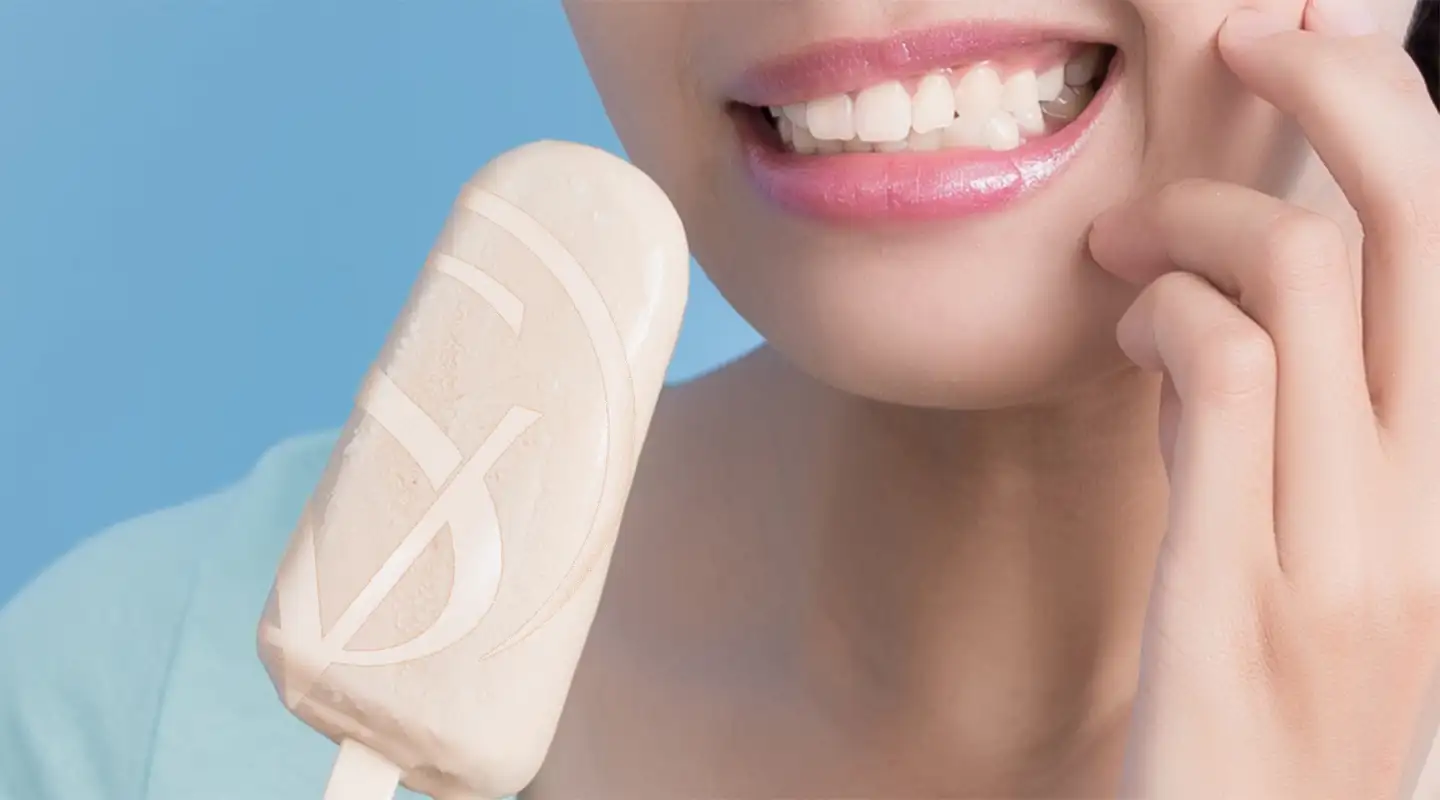
Most people don’t give a second thought to their teeth—until that sharp, eye-watering pain kicks in. So why are your teeth sensitive, exactly? It’s your body trying to send a not-so-subtle message. The real question is, what’s behind it?
Enamel erosion, receding gums, and even sedation dentistry could all play a part. And here’s the thing: it’s not always as obvious as you’d think. Sensitive teeth aren’t just a problem for the unlucky few—they’re a sign that something’s off.
Let’s break down why your teeth are feeling extra touchy these days, and more importantly, what you can do about it.
Enamel Erosion
Your enamel is like the armor for your teeth. And just like any well-worn suit of armor, over time, it can wear down. When that happens, the nerves underneath get exposed, and guess what? That’s when the real zingers start. So, if you’ve been wondering why your teeth are sensitive, enamel erosion is likely a prime suspect. And no, it’s not just from munching on candy—although that certainly doesn’t help.
Common Causes of Enamel Erosion
Acidic Foods & Drinks
Citrus fruits, sodas, and, yes, even your beloved sparkling water. All that acid isn’t doing your enamel any favors.
Read more: Can Your Diet Really Make Your Teeth Stronger? Here’s What Your Dentists Aren’t Telling You
Overzealous Brushing
Brushing too hard might seem like a great way to keep your teeth squeaky clean, but it can actually wear down your enamel faster than you think.
Reflux & Other Health Issues
Acid reflux and other health conditions can expose your teeth to more stomach acid than they’re built to handle.
Gum Recession – Why Your Gums May Be Exposing Your Nerves
Gum recession is really just your gums deciding to retreat, leaving your tooth roots uncomfortably exposed. When that protective tissue pulls back, it’s like pulling the covers off in the dead of winter, with your teeth feeling the chill. This is why you might be experiencing tooth sensitivity to cold or dealing with sensitive teeth and gum pain when you least expect it.
But why do your gums stage this retreat in the first place?
Common Causes of Gum Recession
Overzealous brushing
Yes, you can brush too hard, and your gums aren’t fans. Swapping out your toothbrush for a soft-bristled one can make a world of difference.
Gum disease
This one’s a major player. Plaque buildup can lead to gum disease, causing inflammation and eventual gum recession if left untreated.
Aging
Unfortunately, gums don’t stay where they are forever. With age, they naturally start to recede, exposing those sensitive roots.
How to Manage Gum Recession
Brush smarter, not harder
Switch to a soft-bristled toothbrush and use gentle circular motions to avoid further irritation.
Get professional help
Your dentist can assess the severity and suggest treatments like deep cleaning or even gum grafts if needed.
Dental Procedures and Sensitivity – Is It Normal?
Just had a filling or teeth whitening session, and now your teeth seem to hate everything, including your morning coffee?
Don’t panic—this is more common than you think, and yes, it’s (usually) temporary. Sensitive teeth after whitening or filling procedures often occur when the dentin—the inner part of the tooth—gets irritated. It’s not an emergency, but here’s what you should know:
Why Sensitivity Happens After Dental Procedures
Whitening Treatments
Whitening agents can strip away minerals from your enamel, which temporarily exposes the nerves underneath. Hence, sensitive teeth after whitening is often a short-term issue. It should subside once your enamel re-mineralizes itself (usually within a week or so).
Fillings
When you get a filling, especially if it’s deep, your tooth can become hypersensitive for a while. Sensitive teeth after filling procedures happen because your tooth’s nerve might still be a little sore from all the drilling. Think of it as your tooth needing a recovery period—nothing alarming.
When to Worry and When to Wait It Out
While sensitivity after dental procedures is typically nothing to stress over, it’s good to know when it’s more than just a temporary inconvenience:
- If the sensitivity lasts longer than a few weeks, it could indicate an underlying problem (like an improperly placed filling or further enamel damage).
- If the pain becomes sharp or unbearable, it’s time to visit your dentist again. Persistent sensitivity might require additional treatment, so don’t wait too long.
Cracks and Chips
Even teeth, which seem like nature’s toughest little tools, can’t always handle the grind. Cracks in your teeth can appear out of nowhere, and suddenly, you’re dealing with that all-too-familiar zing of tooth sensitivity. You might not even remember biting down on anything harder than usual, but the causes of sensitive teeth can sneak up on you faster than you’d expect. Cracked teeth sensitivity is no joke, and those tiny fractures open a direct line to your nerves—painful and completely avoidable with the right care.
What Causes Those Annoying Cracks?
- Teeth Grinding (Bruxism) – Constant grinding wears down your teeth, increasing the chance of cracks.
- Accidents – A simple slip can leave your teeth vulnerable, leading to sudden sensitivity.
- Hard Foods – We all love a good crunch, but hard foods can be the culprit when teeth become sensitive all of a sudden.
Ignoring cracks isn’t just tempting fate—it’s practically inviting that sharp sensitivity every time you sip your favorite drink. If left unchecked, these cracks can worsen, potentially leading to more serious dental issues that will demand attention. Look, these cracks can be easily spotted and treated before they become more than just an inconvenience.
How to Treat Sensitive Teeth (Without Avoiding Your Favorite Foods)
The good news is, you don’t have to swear off your favorite ice cream or hot coffee forever.
The bad news?
Your teeth aren’t loving the rollercoaster of tooth sensitivity to hot and cold. But before you start avoiding all things tasty, let’s talk about how to stop tooth sensitivity—without giving up everything you love.
Desensitizing Toothpaste–Does It Really Work?
You’ve probably seen it on the shelves, but does it really work?
Yes—and no, it’s not just marketing fluff. Desensitizing toothpaste contains compounds like potassium nitrate, which block the transmission of sensation from the tooth surface to the nerve, giving you a much-needed break from that sharp twinge. Make sure to brush with it regularly (not just when your teeth decide to throw a tantrum).
Best Toothpaste for Sensitive Teeth
Let’s get one thing straight: not all toothpaste is the same, especially when it comes to sensitive teeth. Sure, you’ve probably seen the countless “sensitive” options lining the shelves, but do they really live up to the hype? Well, yes—but only if you know which ingredients to look out for.
What Makes Toothpaste Effective for Sensitive Teeth?
Toothpaste for sensitive teeth is more than just clever marketing. The secret? Potassium nitrate and fluoride. These two ingredients are your teeth’s best friends:
- Potassium Nitrate: This ingredient works by calming the nerves inside your teeth. So instead of wincing every time you sip hot coffee, potassium nitrate blocks those signals to give you some much-needed relief.
- Fluoride: A classic for a reason. Fluoride strengthens your enamel, providing a protective barrier against the elements that trigger sensitivity.
How to Choose the Best Toothpaste for Sensitive Teeth
When you’re choosing the best toothpaste for sensitive teeth, don’t fall for the fancy packaging—look at the label. You want both potassium nitrate and fluoride for maximum protection. You’ll find these ingredients in well-reviewed brands recommended by dentists worldwide.
Avoiding Acidic Foods (But Not Forever)
Alright, so we’re not telling you to give up your favorite foods, but maybe go easy on the acidic ones. Citrus, soda, and even that third cup of black coffee can weaken your enamel over time, making your teeth more sensitive. Limiting these culprits can help keep your sensitivity in check—without cutting them out entirely.
Soft-Bristled Toothbrush – Yes, It Matters
Your teeth aren’t invincible, and scrubbing them with a hard-bristled toothbrush like you’re cleaning grout isn’t helping. Switch to a soft-bristled brush, and you’ll prevent further enamel wear and gum recession, both of which can make tooth sensitivity worse.
Professional Help When Home Remedies Don’t Cut It
If sensitivity lingers despite all your best efforts, it might be time to bring in a professional. Whether it’s due to underlying gum disease, tooth decay, or even sedation dentistry treatments, your dentist can pinpoint the root cause and offer more targeted solutions like fluoride treatments or bonding agents.