
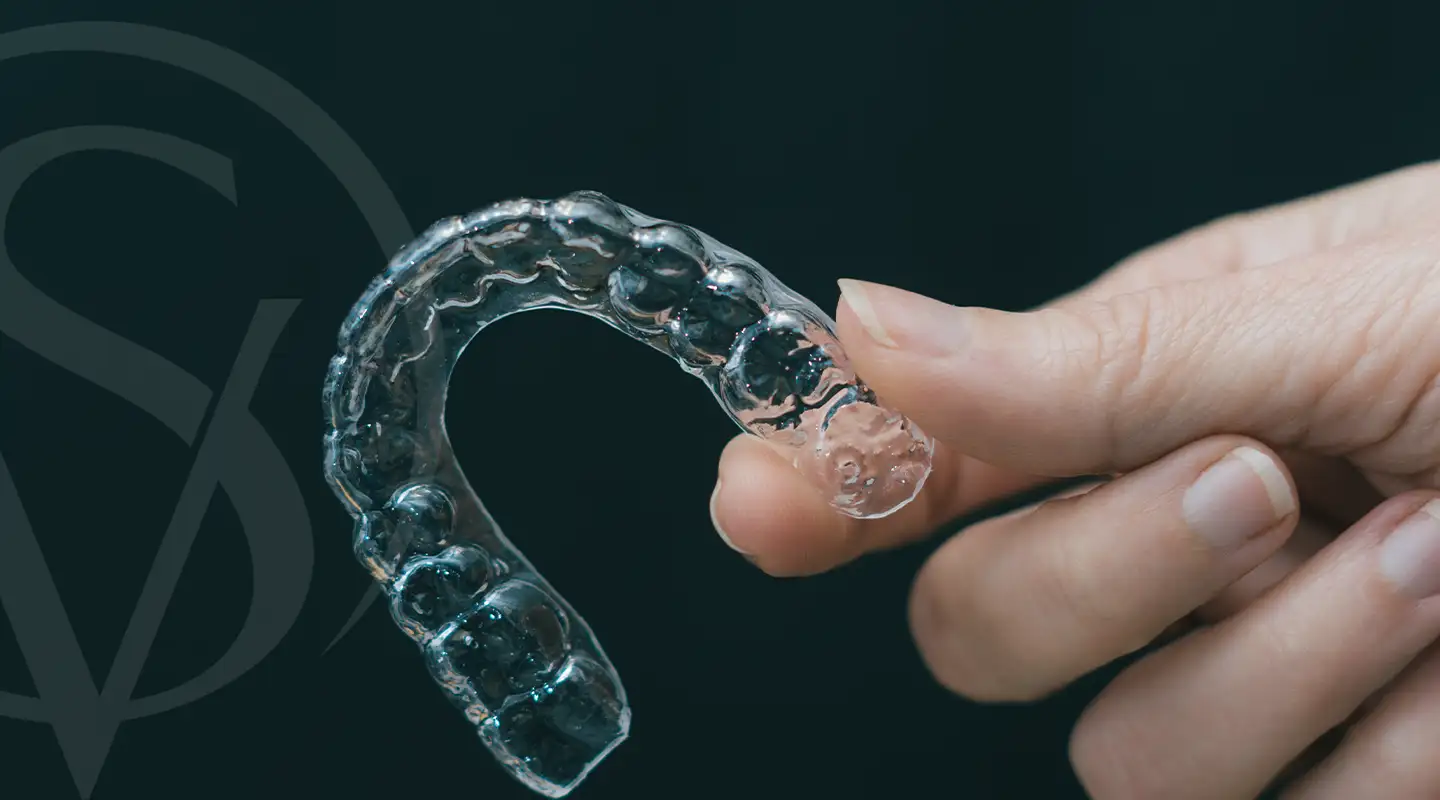
Most people are getting their mouthguards all wrong.
It’s easy to think all you need is some boiling water and a quick bite, but let’s be real: how to mold a mouthguard properly isn’t as simple as tossing it in hot water and hoping for the best. A mouthguard that’s poorly molded is like wearing shoes two sizes too big—more nuisance than protection. And, unfortunately, a “nuisance” doesn’t save your teeth from a rogue hockey puck or a night of teeth grinding. It’s time to acknowledge that your half-hearted attempt at molding just isn’t cutting it.
And here’s the thing: the right fit isn’t about being “good enough.” It’s about maximizing protection, comfort, and durability. Get it right, and you’ve got a solid shield for your smile. Get it wrong, and well—you may as well be chewing on rubber candy. The devil really is in the details.
So, here’s everything you need to know to mold a mouthguard that actually does what it’s supposed to—protect.
Understanding Your Options before Molding One
Let’s be honest: not all mouthguards are the same. The market is flooded with options, but here’s the truth—you get what you pay for. Before going into mouthguard molding, let’s break down the three main types so you can decide what’s actually worth your time (and money).
Stock Mouthguards
These are the pre-shaped, ready-to-wear type you can pick up from just about any sporting goods store. Sure, they’re cheap, and you don’t need any mouthguard molding skills to use them, but they’re really just a “better-than-nothing” option. They are like the ‘fast food of mouthguards’—convenient, but you know deep down that you can do better. Stock mouthguards rarely fit snugly, and they tend to be bulky, making it hard to breathe or talk properly. If your idea of dental protection is “one size fits no one,” then sure, stock is your go-to.
Boil-and-Bite Mouthguards
Now we’re getting somewhere.
Boil-and-bite mouthguards are the “DIY” of mouth protection. You get to do the mouthguard molding yourself, giving you a semi-custom fit that’s better than stock but not quite Michelin-star quality. The concept is simple: heat the guard, bite into it, and let it mold to your teeth.
The result is a snugger, more comfortable fit compared to stock, and they’re popular among athletes and those who grind their teeth at night. However, don’t expect boil-and-bite guards to offer the perfect fit of a custom option, and it’s crucial to mold them correctly—or they’ll be as useful as a melted spoon.
Custom-Made Mouthguards
Now, if you’re aiming for luxury-level fit and protection, this is your sweet spot. A custom mouthguard is molded based on a dental impression of your actual teeth, providing the ultimate in both comfort and protection. It’s like the ‘tailored suit of mouthguards’. While this option typically requires a visit to the dentist and a higher price tag, the custom fit you get is second to none. For high-impact sports or serious bruxism or TMJ symptoms, custom-made is the gold standard. And yes, while you can’t exactly create this caliber of guard at home (leave that to the pros), knowing it exists gives you a benchmark for what “right” should feel like.
How to Mold a Mouthguard (And Why Most People Get It Wrong)
So, you’re looking for the best way to mold a mouthguard. You grab some boiling water, toss the guard in, take a deep bite, and voila—a perfect fit, right? Well, not exactly.
The truth is, most people are making a mess of their mouthguard molding, leaving their teeth as unprotected as a screen door in a hurricane. Here’s why.
Step-by-Step Guide: How to Mold a Boil-and-Bite Mouthguard That Actually Works
Now that you know what can go wrong, let’s focus on the right way to mold your mouthguard:
Step 1: Boil the Mouthguard
Start by heating a pot of water to a rolling boil. Carefully drop in the mouthguard and keep it there for the recommended time—typically between 30 seconds and a minute.
Important Tip: Never leave the mouthguard unattended, and avoid overboiling or underboiling. Overboiling results in a gooey mess that won’t hold shape, while underboiling leaves the mouthguard too stiff to mold properly. Always follow the recommended boiling time, as each brand may vary slightly.
Step 2: Dip & Soften
Once the boiling time is complete, remove the pot from heat. Use tongs to take the mouthguard out and submerge it until it’s pliable—firm enough to handle but soft enough to mold.
Avoid This Mistake: Timing is crucial here. Remove the mouthguard too soon, and it won’t be pliable enough; leave it in too long, and it will cool down and harden before molding. Aim for that balance—soft but not so hot that it burns.
Step 3: Fit to Your Teeth
After a brief cooling period (just a few seconds), place the mouthguard in your mouth. Center it, bite down gently, and use your fingers to press it firmly against your gums and teeth.
Don’t Overdo It: Avoid biting down too hard—your goal is to create an impression without completely compressing the material. Gentle, even pressure is ideal to avoid warping the mouthguard into an unrecognizable shape.
Step 4: Suck & Shape
With the mouthguard in place, use your tongue to create a suction against the roof of your mouth. This helps it form closely to your teeth and gums.
Common Misstep: Forgetting to use your fingers and tongue to press and mold the mouthguard can lead to a loose fit, which reduces protection. Make sure to create that suction for a secure, custom fit.
Step 5: Cool & Test
Quickly dip the mouthguard in cold water to set the shape. After that, test the fit by wearing it for a few minutes.
What to Watch For: Skipping this step or failing to test properly can leave you with an uncomfortable or ineffective mouthguard. If the fit is too loose or tight, and if your mouthguard is remoldable, try the process again to ensure it provides the comfort and protection you need.
By paying careful attention to each step and avoiding these common pitfalls, you can achieve a properly molded mouthguard that offers both comfort and effective protection—saving your teeth (and potentially a lot of dental bills).
For the Nighttime Teeth-Grinders (Bruxists, If You Will)
If you’re a teeth grinder, you know that the nightly grind can lead to worn-down teeth, jaw pain, and even headaches. In this case, boil-and-bite just might not cut it. Sure, it molds to your teeth to some extent, but it lacks the precision and fit of a custom-made guard. A custom guard doesn’t just fit better—it hugs every contour of your bite, providing protection where it’s needed most. Look, a poorly fitting mouthguard can exacerbate the very problems it’s supposed to solve. So, when it comes to finding the best mouthguard for teeth grinding, precision fit is non-negotiable.
For Athletes & High Impact Sports Enthusiasts
High-impact sports like football, hockey, and boxing don’t just risk a chipped tooth—they invite full-on dental disaster. Here’s where a custom mouthguard really shines: not only does it provide tailored shock absorption, but it also allows you to breathe and speak better than your typical boil-and-bite. A poorly molded mouthguard can make you feel like you’re gagging or struggling to stay in place when it counts. And when you’re on the field, the last thing you need is to worry about your mouthguard playing hide-and-seek with your gums. According to the National Institute of Health, the risk of dental injuries drastically decreases with a well-fitted mouthguard, and “well-fitted” is the keyword here.