
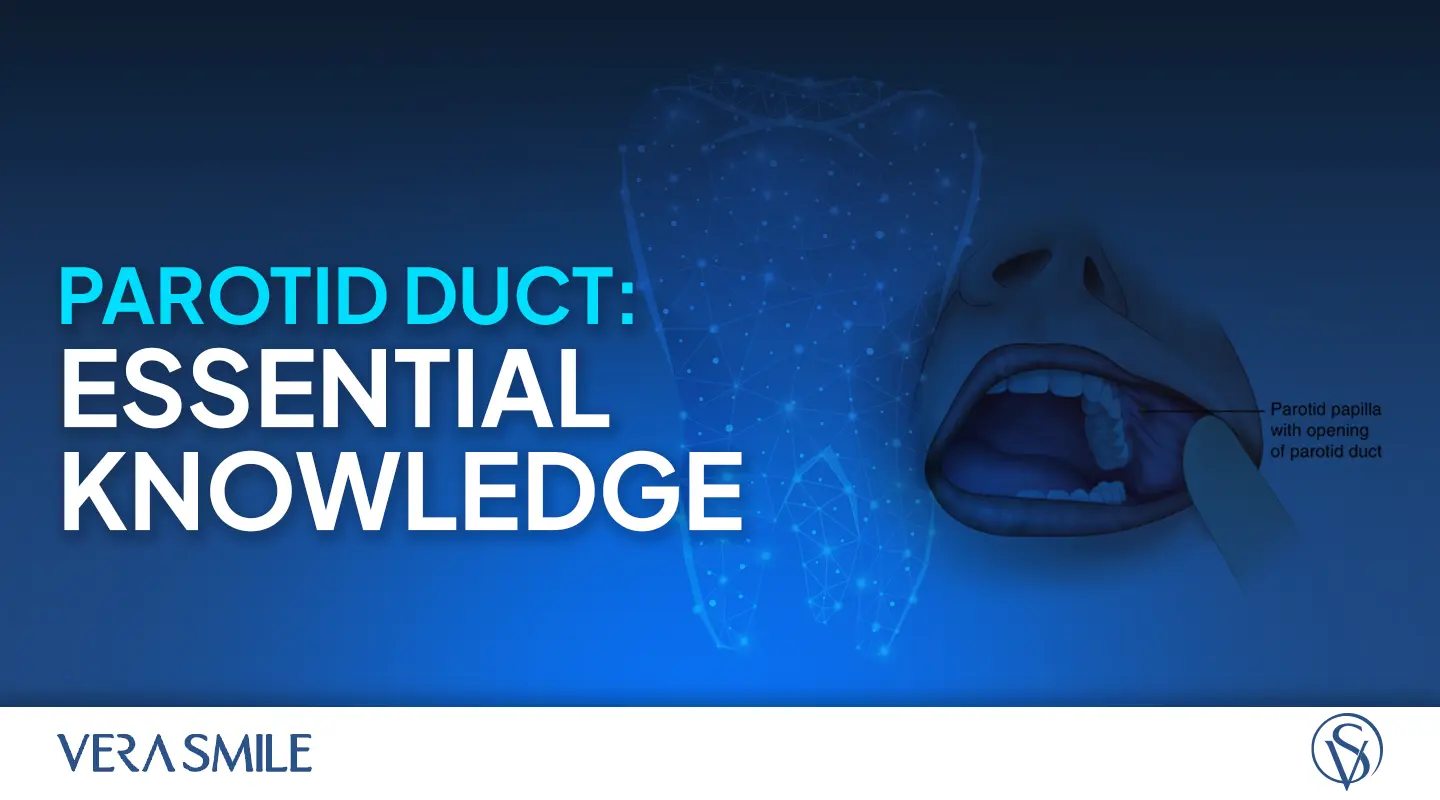
The parotid duct may sound like an insignificant part of your anatomy, but this tiny tube plays a colossal role in your daily oral health. And it rarely gets the attention it deserves. Dentists talk endlessly about cavities and gum disease, but the parotid duct? Not so much. Maybe they should, considering it’s the very thing responsible for delivering enzyme-packed saliva into your mouth.
In this article, we’ll break down exactly what the parotid duct does, where it’s located, and why ignoring it might be the last thing you should do.
What is the Parotid Duct, and Why Should You Care?
The parotid duct (also called Stensen’s duct) carries saliva from the parotid gland—the largest salivary gland—right into your mouth. Found near your upper molars, this tube keeps things flowing smoothly to help you digest food and keep your teeth free from harmful bacteria. Without a healthy parotid duct, issues like dry mouth and poor oral hygiene can creep in.
The Parotid Duct’s Role in Oral and Digestive Health
The parotid duct is a key player in how your body breaks down food and keeps your mouth healthy. This tiny tube, also known as Stensen’s duct, delivers enzyme-rich saliva from the parotid gland to your mouth, where it kicks off the digestion of carbohydrates, thanks to amylase. No parotid duct, no smooth digestion—or at least, not as smooth.
Saliva Production and Its Benefits
- Digestive aid: Saliva from the parotid gland begins breaking down food right in your mouth.
- Oral protection: Saliva neutralizes acids and washes away bacteria, playing a crucial role in preventing tooth decay and gum disease.
Parotid Duct as a Defender of Dental Health
- The parotid duct is vital for maintaining your mouth’s pH balance and oral hygiene, but when Stensen’s duct obstruction occurs, you may find yourself facing discomfort, swelling, and potential infections.
Read more: What Does a Healthy Tongue Look Like?
Common Parotid Duct Problems: What Can Go Wrong?
Salivary Stones (Sialolithiasis)
It might sound fancy, but salivary stones are no friend of your parotid duct. These mineral deposits can block the duct (a.k.a. parotid duct blockage), leading to swelling, pain, and—in the worst cases—infection. It’s like a clogged pipe: saliva has nowhere to go, causing discomfort and even swelling around the jaw and ears. When these stones get stuck, they can make daily activities, like eating, a painful ordeal. Watch out for these signs: pain in the jaw, dry mouth, and parotid gland swelling.
Infections (Parotitis)
A blocked duct can quickly spiral into infections like parotitis, where bacteria or viruses (mumps) inflame the Stensen’s duct. If you’re noticing swollen glands, fever, or pain that gets worse during meals, there’s a good chance the parotid duct is inflamed. Left untreated, this can escalate quickly—so no, it’s not just a bad day; it’s your body’s way of saying something’s up with that tiny duct.
Duct Injury or Trauma
Sometimes the duct doesn’t get blocked—it just gets injured. Dental surgeries or facial injuries can mess with your parotid duct and throw saliva flow out of whack, leading to dryness and discomfort. And let’s face it, nobody enjoys a dry mouth or the dental issues that come with it (cavities and gum disease). So, keeping your duct safe is more critical than you’d think.
How Can Dentists Help with Parotid Duct Problems?
When the parotid duct starts acting up, it’s a red flag. Dentists are your first line of defense against issues like blockages, infections, or other saliva gland duct problems. The good news is, they’ve got the tools and know-how to tackle it.
Diagnosis: Catching the Problem Early
Detecting parotid duct issues isn’t exactly a guessing game. Dentists use imaging techniques like X-rays, ultrasounds, or even sialography to get a clear picture. Whether it’s a pesky salivary stone causing the blockage or signs of a salivary gland infection, these images can spot trouble before it spirals into something worse. So, those routine check-ups aren’t just about cleaning your teeth—they might just save you from a lot of future discomfort.
Treatment Options: The Right Fix for the Right Problem
Blockages
Minor procedures like gentle massaging can help dislodge smaller stones. In some cases, dentists might suggest removing the stone using specialized tools.
Infections
If a salivary gland infection is causing swelling or pain, antibiotics or antiviral medications can kick that infection to the curb. Quick and efficient.
Severe Cases
For larger stones or recurrent issues, surgical removal may be required. It sounds intense, but leaving serious blockages untreated can lead to more severe complications down the line.
Why Isn’t This Commonly Talked About, and Why Should It Be?
Most dentists only mention the parotid duct when there’s already an issue. But here’s the thing: being proactive about this little duct can save you a lot of hassle (and pain). Whether it’s addressing early signs of saliva gland duct problems or preventing blockages, catching issues early keeps them from becoming a bigger problem.
What you can do
Make sure to ask your dentist to include a check of your parotid duct during regular visits, especially if you’re experiencing any symptoms like swelling or persistent dry mouth. A little extra attention now can save you a lot of trouble later.
Wrap Up!
While it may not get much attention, your parotid duct plays a crucial role in both digestion and oral health. Knowing what to watch out for can save you from discomfort and bigger issues in the future. So, next time you’re at the dentist, don’t hesitate to ask about this tiny tube—they might just thank you for bringing it up!
FAQs
Can the parotid duct heal itself if it’s blocked?
In some cases, minor blockages can resolve on their own, but persistent issues need medical attention.
Can I prevent problems with my parotid duct?
Good hydration and regular dental care go a long way in keeping this duct healthy.
How do I know if I have a problem with my parotid duct?
Look out for swelling, pain, or dryness in your mouth. If these symptoms persist, visit your dentist.