
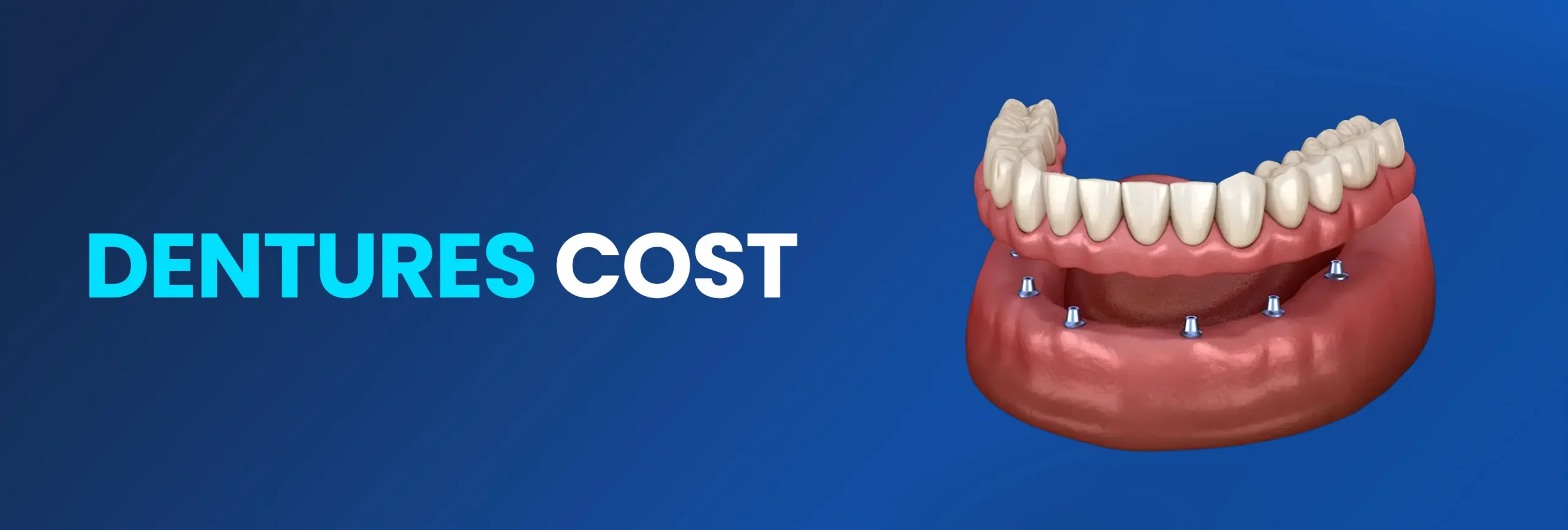
Dentures are custom-made prosthetic appliances designed to replace missing teeth and restore normal chewing, speaking, and facial support. They are made as full sets for patients missing all teeth in an arch or as partial restorations when only some teeth need replacement. Each type requires precise measurements, laboratory fabrication, and material selection, which is why prices vary widely.
The overall cost depends on the denture style, the number of teeth being replaced, the materials used, and the level of customization needed for comfort and aesthetics. Full dentures generally fall within a higher pricing range because they restore an entire arch, while partial dentures tend to cost less since they replace only specific missing teeth.
What Is the Cost of Dentures?
The cost of dentures in 2026 varies according to the type of prosthesis and whether treatment involves a single arch or a full upper-and-lower restoration. Pricing is influenced by material choice, fabrication method, and the level of customization required for stability, comfort, and natural aesthetics.
Full dentures range from €830 to €3,200 per arch, with a complete upper-and-lower set costing €1,660 to €6,400 depending on laboratory work and design complexity. Partial dentures fall into a more affordable bracket, €600 to €2,560 per arch, or €1,200 to €5,120 for a full set when both arches require partial replacements.
These ranges represent standard 2026 benchmarks and vary based on case difficulty, the number of missing teeth, and any additional preparatory procedures required.
What Are the Different Types of Denture Costs?
Denture prices in 2026 differ based on design, materials, and the level of support required. Each type, full, partial, immediate, snap-on, and implant-supported, carries its own cost range shaped by laboratory work, clinical time, and long-term durability. The summary below outlines the main denture categories and their pricing in a clear, comparative format.
| Denture Type | Key Details | Average Cost (2026, €) |
| Full Dentures | Cost varies by material, fabrication method, and customization. Includes per-arch and full-set pricing. | €830 – €3,200 per arch / €1,660 – €6,400 full set |
| Partial Dentures | Acrylic, flexible, and metal-framework options. Prices differ by material strength, comfort, and durability. | Acrylic: €600 – €1,400 per arch Flexible: €830 – €1,850 per arch Metal-Framework: €1,300 – €2,560 per arch |
| Immediate / Same-Day Dentures | Higher cost due to rapid fabrication, additional planning, and frequent adjustments during healing. | €1,100 – €3,500 per arch |
| Implant-Supported Dentures (Snap-On / All-on-4) | Cost varies by implant number (2–4+), attachment system, and surgical complexity. | Snap-On Overdentures: €5,500 – €15,000 per arch All-on-4 Fixed: €11,000 – €28,000 per arch |
| Snap-On Dentures (Removable Overdentures) | More stable than regular dentures; attached to implants. Requires periodic replacement of locator parts. | €3,700 – €9,200 per arch + €45 – €180 maintenance |
How Much Do Full Dentures Cost?
The cost of full dentures varies based on the material, the level of customisation, and the clinic’s location. Standard acrylic full dentures typically range from €400 to €1,200 per arch, while higher-quality prosthetics made with premium resin or enhanced layering techniques fall between €1,200 and €2,500 per arch. Implant-retained full dentures are more expensive, starting around €3,000 per arch and increasing depending on the number of implants required.
How Much Do Partial Dentures Cost?
Partial denture costs depend on the material used, the number of missing teeth being replaced, and the complexity of the design. In most clinics, acrylic partial dentures range from €250 to €700, while metal framework partials fall between €700 and €1,600 due to their strength and improved fit. Flexible partial dentures, often made from nylon-based materials, cost €500 to €1,200.
How Much Do Immediate or Same-Day Dentures Cost?
Immediate or same-day dentures are placed right after tooth extractions, which means the patient leaves the clinic with teeth on the same day. Because they require extra planning, chair time, and follow-up adjustments, they cost more than traditional dentures.
In 2026, immediate dentures range from €500 to €1,500 per arch, depending on the material, the number of teeth involved, and the level of customisation. When both arches are treated together, the total cost falls between €1,000 and €3,000. Additional relining or replacement may be needed as the gums heal and change shape, which can add to the overall treatment cost.
How Much Do Implant-Supported Dentures Cost?
Implant-supported dentures cost more than traditional dentures because they rely on implants for stability and long-term function. Snap-on dentures, which use two to four implants to secure a removable overdenture, generally range from €3,000 to €8,000 per arch, with the final price shaped by implant brand, denture design, and whether extra procedures like grafting are required. Fixed All-on-4 restorations are more advanced and typically cost €9,000 to €35,000 per arch, depending on the prosthesis material, acrylic, hybrid, or zirconia, the complexity of the surgery, and the digital planning involved. Both options provide stronger chewing ability and far better stability than traditional dentures, but the higher upfront investment reflects the added surgical work, materials, and long-term durability.
How Much Do Snap-On Dentures Cost? (Removable Overdentures)
Snap-on dentures, called removable overdentures, use two to four implants to secure a denture that can be taken out for cleaning. Because they require implant placement and custom attachments, they cost more than traditional dentures but offer far better stability and chewing strength. In most cases, snap-on dentures range from €3,000 to €8,000 per arch, depending on the number of implants used, the denture material, and the need for extra procedures such as extractions or minor grafting. They are a popular middle-ground option for patients who want improved comfort and function without the higher cost of a fixed full-arch implant system.
What is the Most Affordable Type of Denture?
The most affordable type of denture is a basic full or partial acrylic denture, called a conventional removable denture. These are made from acrylic (plastic) and sometimes simple metal clasps (for partial dentures), and they are much less expensive than premium or implant-supported options. Because of their simpler materials and construction, they generally cost significantly less upfront, though they require more maintenance or replacement over time.
How to Choose the Right Type of Denture for Your Budget
Selecting the right denture involves balancing cost with durability, comfort, aesthetics, and long-term value. Each type of denture offers different benefits, and understanding these differences can help you choose an option that aligns with both your clinical needs and financial goals. Factors such as the extent of tooth loss, desired appearance, and willingness to invest in long-term stability all play a role in determining the most suitable solution.
- Full Dentures: Best for patients with complete tooth loss; usually the most affordable option. They restore basic function and appearance but require periodic relining for comfort and stability.
- Partial Dentures: Ideal when only a few teeth are missing. They are more budget-friendly than implant-supported solutions and help prevent remaining teeth from shifting.
- Implant-Supported Dentures: Provide the highest stability, function, and long-term value. Although more expensive upfront, they offer superior comfort and chewing efficiency and significantly reduce long-term maintenance costs.
- Flexible Dentures: A lightweight, comfortable option for partial tooth loss. These are more aesthetic and adaptable than traditional acrylic partials but may cost slightly more.
When choosing the right denture, consider the severity of tooth loss: full dentures for complete edentulism, partial or flexible dentures for limited gaps, and implant-supported options for maximum stability and long-term investment.
Are Implant Dentures Worth the Cost?
Yes, implant dentures are worth the cost because they offer a level of stability, comfort, and function that traditional removable dentures simply cannot match. By anchoring the denture to implants placed in the jawbone, patients experience a more natural feel, stronger chewing ability, and improved speech without the slipping or discomfort associated with standard dentures.
Implant dentures help maintain jawbone density, preventing the bone loss that occurs after tooth loss. Although the upfront investment is higher and the treatment process takes longer, many patients find the long-term benefits, greater durability, fewer adjustments, and enhanced quality of life, justify the additional expense. For those seeking a secure, long-lasting solution, implant dentures are commonly considered a worthwhile and high-value option.
What Factors Influence the Cost of Dentures?
Denture pricing reflects a combination of material quality, clinical requirements, and laboratory craftsmanship. Each case is unique, so costs vary depending on the level of precision and long-term durability needed. The main factors shaping the final fee include:
- Material Type: Acrylic, porcelain, hybrid composites, and flexible nylon each carry different aesthetic and strength characteristics. Premium materials that mimic natural translucency increase the overall cost.
- Number of Missing Teeth: Restorations covering larger gaps or full arches require more extensive design and fabrication, raising the price compared to smaller partials.
- Framework Design and Complexity: Metal frameworks, flexible bases, and precision attachments involve advanced laboratory work, contributing to higher fees.
- Dentist Expertise and Clinic Technology: Clinics using digital scanners, CAD/CAM systems, and advanced shading techniques charge more due to enhanced accuracy and customization.
- Preparatory Treatments: Extractions, gum therapy, bone smoothing, and diagnostic imaging add to the total cost when needed before denture placement.
- Implant Support (If Used): Attaching dentures to implants significantly increases cost due to surgical placement, healing abutments, and specialized prosthetic components.
- Urgency or Same-Day Fabrication: Immediate dentures require additional impressions, relines, and adjustments, making them more expensive than standard options.
Why Does Denture Cost Vary Globally?
Denture prices differ significantly from one country to another because each region operates within its own economic, clinical, and regulatory conditions. These variations affect every stage of treatment, from materials to laboratory work to clinical fees.
- Local Economic Conditions: Countries with higher living costs naturally have higher dental fees, as operational expenses, staff wages, and laboratory charges are greater.
- Dental Training and Clinical Standards: Regions requiring advanced certifications, specialized prosthodontic training, or strict regulatory compliance have higher treatment costs.
- Laboratory and Material Pricing: Imported materials, premium ceramics, and digital manufacturing systems cost more in some markets than others, influencing the final fee.
- Technology and Equipment Differences: Clinics using CAD/CAM milling, 3D printing, and digital impression scanners charge higher fees, while regions relying on traditional methods offer lower prices.
- Insurance Structure and Healthcare Models: Countries with strong public or private dental insurance systems have regulated or subsidized costs, whereas fully private systems tend to have wider price ranges.
- Competition and Market Demand: High-demand dental tourism destinations offer lower prices due to competitive markets and high patient volume, without necessarily compromising quality.
These global differences shape the overall cost of dentures, making some regions more affordable while others reflect higher clinical and operational standards.
What Are Dentures Costs by Country?
Denture prices differ significantly across global dental markets due to material choice, clinic expertise, and laboratory standards. The table below lists updated 2026 denture cost ranges in euros, providing a clear comparison of average fees across major countries.
| Country | Denture Cost (Per Arch, 2026) |
| Turkey | €650 – €1,850 |
| USA | €920 – €2,750 |
| UK | €730 – €2,200 |
| Canada | €1,200 – €3,300 |
| EU (Germany/Netherlands) | €1,500 – €5,000 |
| Australia | €900 – €2,400 |
| Mexico | €370 – €1,380 |
| India | €180 – €730 |
| Thailand | €275 – €1,100 |
What Are the Hidden or Additional Denture Costs?
When planning for dentures, it’s important to understand that the initial price rarely includes everything you need throughout the treatment process. Several additional services and procedures can influence the total cost, depending on your oral condition, the type of denture, and the clinic’s treatment approach. Below is a clear breakdown of the most common extras patients shoul d be aware of.
- Extractions: If damaged or decayed teeth need to be removed before dentures can be placed, extraction fees will be added. The cost varies based on the number of teeth, surgical complexity, and healing requirements.
- Temporary Dentures: Temporary or “immediate” dentures are often needed while gums heal after extractions. They provide function and aesthetics during this period but add to the overall treatment cost.
- Relines & Adjustments: As gums naturally change shape during healing, relines and adjustments are required to maintain comfort and proper fit. These periodic modifications are not included in the initial denture price.
- Implants for Stability: For patients who choose implant-supported dentures, the cost of dental implants significantly increases the total investment. Implants improve stability and chewing function but require additional surgery and materials.
- Sedation: Sedation may be recommended for patients undergoing multiple extractions or those with dental anxiety. Options such as oral sedation, IV sedation, or general anesthesia add extra fees.
- X-Rays & Digital Scans: Diagnostic tools such as panoramic X-rays, CBCT scans, or digital impressions are often necessary for treatment planning. These advanced imaging techniques may not be included in the base denture price.
- Repairs or Fracture Fixes: Over time, dentures may chip, crack, or require component repairs. These maintenance services are billed separately from the original treatment cost.
- Travel Costs (If Applicable): For patients seeking denture treatment abroad, travel-related expenses, including flights, accommodations, and local transportation, should be factored into the total cost.
What Are the Warning Signs of Hidden Denture Fees?
When comparing denture prices, it’s important to watch for red flags that may indicate hidden charges or incomplete pricing. The following signs help you spot clinics that are not fully transparent about their costs.
- All-Inclusive Claims Without Itemization: If a clinic advertises an “all-inclusive price” but doesn’t provide a detailed, itemized breakdown, there are additional costs for diagnostics, adjustments, or necessary procedures not mentioned upfront.
- Unrealistically Low Advertised Pricing: Extremely low prices exclude essential steps such as extractions, temporary dentures, relines, or follow-up appointments. These clinics may charge extra once treatment has already begun.
- Missing Follow-Up or Adjustment Fees: Dentures require adjustments, especially during the healing period. If follow-up care and relines are not clearly listed, expect these services to come with additional charges later.
Are Dentures Covered by Insurance?
Insurance coverage for dentures varies widely, but most plans offer partial reimbursement when dentures are considered medically necessary rather than purely cosmetic. Understanding how coverage works, and the limitations attached to it, helps patients plan their treatment and avoid unexpected expenses.
- Coverage Levels for Full and Partial Dentures: Many dental insurance plans cover a percentage of the cost for both full and partial dentures, ranging from 20% to 70%, depending on the policy. Full dentures often receive more coverage than partials, but this depends on the insurer’s guidelines.
- Annual Caps: Even when dentures are covered, most insurance plans include annual maximums, between €500 and €1,500. Once this cap is reached, any remaining treatment cost becomes the patient’s responsibility.
- Waiting Periods: Some insurance plans enforce waiting periods of six months to a year before denture benefits take effect. This prevents patients from purchasing a plan solely to cover major restorative work immediately.
- Limitations and Restrictions: Most plans cover denture replacement only every five to seven years and require proof of medical necessity. Standard materials are approved, while premium or cosmetic upgrades are excluded.
“I almost gave up on replacing my dentures because my insurance kept rejecting the claim. Every time I submitted paperwork, they came back asking for something new. When I went to the clinic, they helped me understand what the insurer actually needed and what parts of the treatment were considered medically necessary. Even though the insurance didn’t cover everything, the guidance saved me a lot of stress and prevented me from paying for things I didn’t need. I wish I had asked for help sooner.”
-Daniel M.
When Dentures May Be Eligible for Coverage
Insurance providers approve denture coverage only when the treatment is considered medically necessary rather than cosmetic. Certain conditions and circumstances strengthen a patient’s eligibility by demonstrating that dentures are essential for restoring health, function, or quality of life. Below are the most common situations in which insurers are more likely to provide reimbursement.
- Medically Necessary Tooth Loss: Insurance is more likely to cover dentures when teeth have been lost due to conditions that impact oral health, such as severe decay or periodontal disease. In these cases, dentures are classified as essential restorations rather than optional treatments.
- Chewing or Speech Impairment: If missing teeth significantly affect a person’s ability to chew food properly or speak clearly, dentures may be approved because they restore essential daily functions.
- Disease-Related Tooth Loss: Coverage applies when tooth loss results from underlying medical or dental conditions, including infections, gum disease, or systemic illnesses that weaken oral structures.
- Accident or Trauma Cases: When teeth are lost due to an accident, injury, or trauma, insurance providers commonly recognize dentures as medically necessary and offer partial reimbursement for the restoration.
Are Denture Repairs or Relines Covered?
Yes. Insurance covers denture repairs or relines when the procedure is medically necessary. Approval applies to damage from accidents, sudden fractures, or fit issues caused by significant changes in gum tissue or jaw structure, since these situations affect function.
Coverage is denied when the issue results from normal wear, material aging, or improper use. Routine polishing, minor refinements, and cosmetic adjustments are classified as non-essential and are not reimbursed.
How Much Do Denture Maintenance, Repairs, and Replacements Cost Over Time?
Long-term denture costs catch patients by surprise because the initial price is only part of the overall financial picture. Even well-made dentures require periodic adjustments, repairs, and eventual replacement. Maintenance costs usually include relines every one to three years, which can range from €80 to €250 depending on how much the denture needs to be reshaped to match changing gum tissue. Repairs, such as fixing fractures, replacing a broken tooth on the denture, or reinforcing a weakened base, cost €50 to €200, but more complex damage can be higher. These issues usually appear as the material ages or when chewing pressure weakens stress points.
Over time, most dentures need to be replaced entirely, often every 5 to 10 years, at a cost similar to the original fee. This happens because the jawbone naturally shrinks, making the original fit less stable, and the denture materials eventually wear down. Although these expenses add up, staying consistent with check-ups, repairs, and relines can save money in the long run by preventing larger cracks, sudden breaks, or repeated sore spots that make a full remake necessary sooner than expected.
Why Turkey Offers Affordable Dentures
Turkey offers affordable dentures due to a combination of economic and structural factors that lower overall treatment costs without reducing quality. The country benefits from lower operational expenses, including clinic overhead, laboratory fees, and staffing costs, which allows dental professionals to offer competitive pricing compared to the UK, US, or Western Europe. Dental materials, technology, and equipment are often sourced at reduced regional rates, yet still meet international standards, enabling clinics to maintain high quality while keeping prices accessible for patients seeking dentures in Turkey.
Another reason is Turkey’s strong focus on dental tourism. High patient volume allows clinics to streamline workflows, invest in advanced digital systems, and optimize laboratory efficiencies, all of which reduce per-patient costs. Favorable currency exchange rates further increase affordability for international visitors, making treatments significantly cheaper when converted from foreign currencies. Despite the lower pricing, many clinics operate under strict hygiene standards and use the same CE- and FDA-approved materials found in Europe or the United States.