
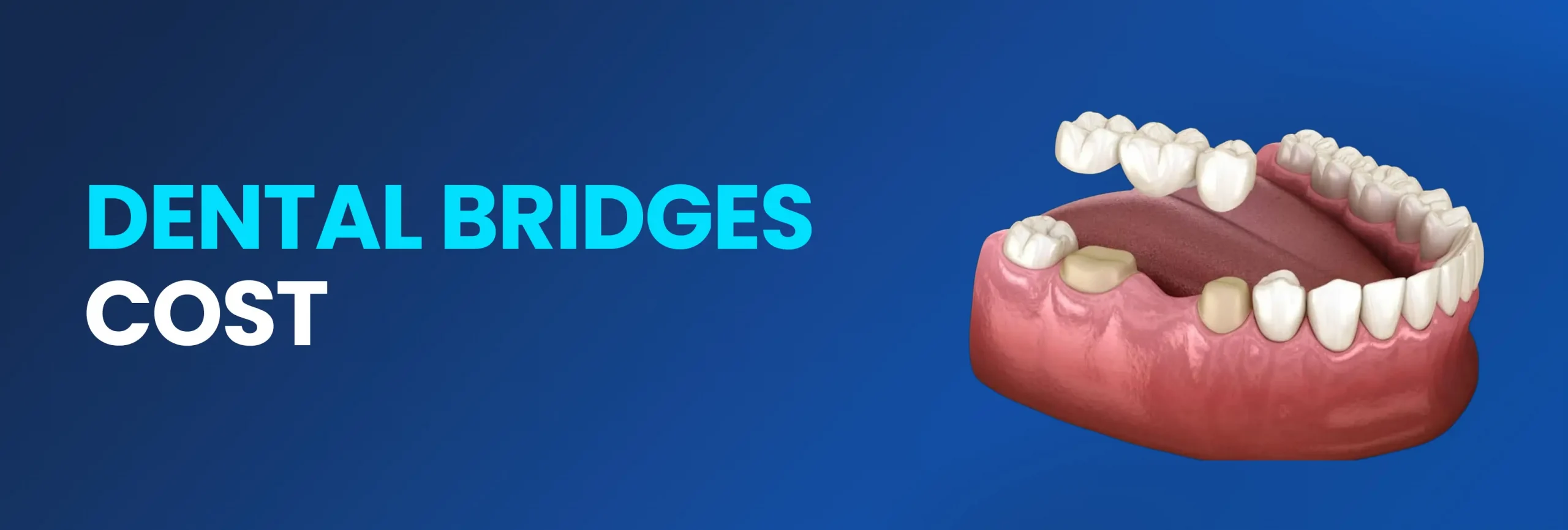
A dental bridge is a fixed dental restoration that replaces one or more missing teeth. It consists of two crowns on the adjacent natural teeth (abutments) and a false tooth or teeth (pontics) in between. Bridges restore chewing ability, prevent teeth from shifting, and improve the appearance of the smile, making them one of the most common restorative solutions.
In 2026, the average cost per dental bridge unit ranges from €800 to €2,000, depending on materials such as porcelain, zirconia, or porcelain-fused-to-metal. For a full-arch bridge that replaces multiple teeth, prices typically fall between €2,500 and €6,000.
Costs vary based on the material of dental bridges, the dentist’s experience, and any additional procedures required, such as tooth extraction or bone grafts, which add €500 to €1,500 to the total price.
How Much Do Dental Bridges Cost in 2026?
The cost of a dental bridge depends on the material used, how many teeth are being replaced, and the clinic’s location. Single-unit bridges range from €820 to €1,850, while multi-unit bridges that span several teeth usually fall between €2,300 and €5,500.
Material choice influences the price significantly. Porcelain bridges cost €820–€1,400 per unit, zirconia bridges range from €1,100–€1,850, and porcelain-fused-to-metal bridges sit slightly lower at €650–€1,100 per unit. If additional procedures such as extractions or minor grafting are required, the total may rise by €470 to €1,400, depending on the complexity.
Patients tend to compare materials, treatment options, and clinic pricing to find the right balance between durability, aesthetics, and budget.
What Factors Influence the Cost of Dental Bridge?
The price of a dental bridge is not fixed and varies widely from patient to patient. Multiple elements determine how much a bridge will cost, ranging from the materials used to the complexity of the procedure.
- Material: The type of material used is a major factor. Porcelain and zirconia bridges offer superior aesthetics and durability, which increases the price. Porcelain-fused-to-metal bridges are more affordable.
- Number of Teeth: Replacing a single tooth requires one pontic with two crowns, while replacing multiple teeth increases both material and labor costs.
- Dentist Expertise and Clinic Location: Experienced dentists and clinics in major cities often charge higher fees due to advanced equipment, precision techniques, and quality standards.
- Additional Procedures: Tooth extractions, root canals, or bone grafts raise the total cost by several hundred to over a thousand dollars, depending on complexity.
- Lab and Fabrication Costs: Bridges made in high-quality dental labs with precise customization and advanced technology generally cost more but provide better fit, longevity, and aesthetics.
Being aware of these factors help patients compare options and plan their treatment budget more effectively.
How Does Dental Bridge Cost Differ by Types?
Dental bridges come in different types, each designed for specific situations. The choice of bridge affects both functionality and cost. Below is an overview of the most common types of dental bridges and their price ranges in 2026.
| Bridge Type | Definition | Average Cost per Unit (2026) | Best Use Case |
| Traditional Bridge | A pontic supported by crowns placed on the two neighbouring teeth. | €800–€2,000 | Most common option; suitable when healthy teeth are present on both sides of the gap. |
| Cantilever Bridge | A pontic supported by a single adjacent tooth. | €800–€1,900 | Used when only one strong tooth is available next to the missing tooth. |
| Maryland (Resin-Bonded) Bridge | A metal or porcelain framework bonded to the back surfaces of adjacent teeth. | €800–€1,600 | Minimally invasive choice, mainly for front-tooth replacement. |
| Implant-Supported Bridge | A bridge anchored by dental implants instead of natural teeth. | €2,500–€6,000 | Most durable option for replacing several missing teeth in a row. |
Traditional bridges remain the most popular option, offering a good balance of cost and durability. Implant-supported bridges are more expensive but provide long-term stability. Maryland bridges are less invasive and cost-effective, for front teeth. Cantilever bridges are ideal when only one abutment tooth is available
How Do Dental Bridges Compare to Implants or Partial Dentures?
Choosing the right tooth replacement involves balancing cost, durability, and function. Dental bridges, implants, and removable partial dentures each have different price ranges and benefits. The table below highlights the average cost per unit in 2026 and key considerations for each option, helping patients make an informed decision based on both budget and long-term value.
| Replacement Option | Average Cost per Unit (2026) | Key Notes |
| Dental Bridge | €300 – €1,500 | Fixed restoration; prevents teeth from shifting; moderate durability; ideal for short-term cost savings. |
| Dental Implant | €700 – €2,500 | Surgically placed; highest durability; preserves jawbone; higher upfront cost but long-term value. |
| Removable Partial Denture | €150 – €600 | Removable; lower initial cost; may need adjustments/replacements; less stable and less aesthetic. |
How Does Dental Bridge Cost Differ by Materials?
The material used for a dental bridge affects appearance, strength, longevity, and cost. Not all materials perform the same, the choice of material determines both the price and how the restoration behaves over time.
| Material / Type | Definition | Typical Advantages / Drawbacks | Relative Cost Range |
| Porcelain-Fused-to-Metal (PFM) | A metal core covered with layers of porcelain to mimic natural teeth. | Combines strength from metal with the aesthetic finish of porcelain. The metal margin may become visible if gums recede. | Lower to middle range, most cost-effective aesthetic option |
| All-Ceramic / Zirconia | The bridge is made entirely from ceramic materials, or zirconia, with no metal core. | Excellent aesthetics and color match; metal-free and biocompatible; very strong and resistant to staining or chipping. | Upper-middle to high range, more expensive due to advanced materials and lab work |
| Metal Alloy (Full-Metal) | The bridge is fully made of metal alloy without porcelain veneer. | Very strong and durable; minimal thickness needed. Poor aesthetics, for rear teeth. | The lowest cost option due to simplicity and minimal lab work |
How Much Do Porcelain-Fused-to-Metal (PFM) Bridges Cost?
Porcelain-Fused-to-Metal (PFM) bridges combine a strong metal core with a porcelain exterior for a natural tooth appearance. They are widely used because they balance durability and aesthetics, making them suitable for both front and back teeth.
In 2026, the average cost per PFM bridge unit ranges from €800 to €1,600, depending on factors such as the quality of the dental lab, the number of teeth being replaced, and any additional procedures like temporary crowns or digital smile planning.
PFM bridges are a popular choice for patients seeking strength, reasonable aesthetics, and affordability. While slightly less natural-looking than all-ceramic bridges, they are more cost-effective and highly durable, lasting 10–15 years with proper care.
Are Porcelain Bridges Worth the Higher Cost?
Porcelain bridges cost more, but they offer superior aesthetics, stain resistance, and a natural look. They last 10–15 years with proper care, making them a long-term investment, especially for front teeth. Many patients find the higher price justified due to their durability and lifelike appearance.
How Much Do All-Ceramic Dental Bridges Cost?
All-Ceramic bridges are made entirely from high-quality ceramic materials and are designed to mimic the translucency and colour of natural teeth. They are often chosen for front-teeth restorations because they blend seamlessly with surrounding enamel.
In 2026, the average cost of an All-Ceramic bridge is €900 to €1,600 per unit, depending on the lab’s craftsmanship, the number of teeth included, and the complexity of the case. Full-arch All-Ceramic bridges typically range from €2,500 to €5,000.
These bridges offer strong aesthetics but are slightly less durable than zirconia, making them ideal for visible teeth rather than heavy biting areas.
How Much Do Zirconia Dental Bridges Cost?
Zirconia bridges are made from high-strength zirconium oxide, a ceramic known for its exceptional durability and natural appearance. They resist fractures, handle strong bite forces, and remain stable over many years, which is why they are widely used for both front and back teeth.
In 2026, Zirconia bridge units cost €1,100 to €2,000 per tooth, reflecting the advanced milling technology and lab precision required. Full-arch zirconia bridges usually range from €3,000 to €6,000, depending on digital planning, implant support, and the size of the arch.
Zirconia is the premium choice for patients seeking long-term strength, stain resistance, and top-tier aesthetics in one material.
How Much Do Metal Alloy (Full-Metal) Bridges Cost?
Metal Alloy bridges are made entirely of metal, without any porcelain veneer. They are extremely strong and durable, making them ideal for back teeth where chewing forces are higher and aesthetics are less critical.
In 2026, the average cost per Metal Alloy bridge unit ranges from €700 to €1,400, depending on the type of metal used, lab quality, and the complexity of the case. Full-arch replacements can cost €2,000 to €4,500.
While they are less aesthetic than porcelain or zirconia options, metal alloy bridges are the most durable and cost-effective solution for patients prioritizing strength and longevity. Their minimal thickness requirements make them easier to fit in certain situations, especially for posterior teeth.
What Is the Lifespan vs Cost Ratio of Bridge Materials?
The long-term value of a dental bridge depends not only on the upfront price but on how long the material lasts before needing repair or replacement. Different materials offer different cost–durability balances, and understanding these ratios helps evaluate which option provides the best return on investment.
| Material / Type | Average Lifespan | Cost Range (per unit) | Cost–Durability Ratio |
| Metal Alloy (Full-Metal) | 15–20+ years | €700–€1,400 | Best longevity at lowest cost; highest long-term value for posterior teeth |
| Porcelain-Fused-to-Metal (PFM) | 10–15 years | €800–€1,600 | Strong balance of cost and lifespan; may require replacement if porcelain chips |
| All-Ceramic / Zirconia | 15–20 years | €900–€2,000 | Highest upfront cost but excellent aesthetics and long-term stability |
Does Choosing a Different Material Change the Long-Term Cost of a Bridge?
Yes, the material you select for a dental bridge significantly affects the long-term cost. While the initial price varies by material, durability, maintenance, and replacement frequency play a major role in total expense over time.
What Is the Cost of a Full-Arch or Multiple-Unit Bridge?
The cost of a full-arch or multiple-unit dental bridge depends on the number of teeth being replaced, the material used, and any additional procedures like gum contouring or digital smile planning.
The average cost for a 3–6 unit bridge ranges from €1,000 to €5,000 globally. Using premium materials such as zirconia or high-quality porcelain push the price higher, while simpler metal alloy bridges fall at the lower end of the range.
Full-arch bridges are more complex than single-unit bridges, and each added unit increases both the material and laboratory costs. Digital workflows and customized designs influence the total price but improve fit and long-term durability..
Why Full-Arch Pricing Varies?
The cost of a full-arch dental bridge depends on several key factors. More teeth mean more material and lab work, increasing the price. The type of material, metal alloy, PFM, or zirconia, affects both durability and cost. Digital workflows like 3D scanning and custom planning add precision but raise the fee, while gum contouring or preparatory procedures can further increase the overall expense.
How to Verify a Transparent Dental Bridge Quote
A transparent quote helps ensure the final bridge price matches expectations and prevents unexpected add-on fees. Each part of the treatment should be explained clearly, with materials, lab work, and aftercare costs fully itemized.
- Detailed Cost Breakdown: Ask for a complete list of all charges, including preparation, impressions, temporaries, lab work, and final placement.
- Material Disclosure: Confirm whether the price includes PFM, zirconia, or full-metal and whether upgrades cost extra.
- Lab Quality Confirmation: Check if the bridge is produced by an entry-level or premium dental lab, as this affects both quality and cost.
- Extra Procedure Check: Verify whether additional treatments, such as tooth extraction, gum contouring, or root canal, are included or billed separately.
- Follow-Up Fees: Ask if adjustments, polishings, or repairs during the first year are included in the quote.
- Comparison With Other Clinics: Review 2–3 quotes to spot unrealistic pricing or vague “all-inclusive” offers.
- Warranty or Guarantee Details: Ensure the clinic specifies the duration and conditions of the bridge warranty.
What Should a Dental Bridge Quote Include?
A clear dental bridge quote should outline every cost involved in the treatment to avoid surprises and help compare clinics accurately. A complete, transparent quote typically includes:
- Per-Unit Cost: The exact price for each bridge unit (tooth), including how many units are needed.
- Material Type: Whether the bridge is PFM, all-ceramic, zirconia, or metal alloy, plus any upgrade fees.
- Temporary Bridge Fees: Costs for provisional bridges used during the preparation and healing phase.
- Digital Planning Charges: Fees for digital scans, 3D simulations, or smile design if part of the workflow.
- Laboratory Costs: Whether premium or standard lab work is included and if color-matching or extra layering costs more.
- Warranty Detail: Length, coverage limits, and whether repairs or replacements are included.
Are Dental Bridges Covered by Insurance?
Dental bridges are considered partially elective, which means coverage varies widely depending on the insurance provider and the reason for treatment. Most plans offer partial reimbursement when the bridge is needed to restore function, such as replacing a tooth lost due to decay, gum disease, or trauma. Purely cosmetic cases receive little to no coverage.
Policies cover 20–70% of the treatment cost, but limits, waiting periods, and annual caps can significantly reduce the amount reimbursed. Additional procedures such as extractions, root canals, or digital planning are frequently billed separately and may not be included.
Insurance helps reduce expenses if the bridge is deemed medically necessary rather than cosmetic.
“I had a serious issue with my insurance refusing to cover any part of my implant treatment. Every call I made left me more confused. When I went to Vera Smile, they explained exactly why the claim was rejected and what could realistically be covered. They didn’t sugarcoat anything, and that honesty helped me plan my treatment without wasting money. I’m grateful I found them when I did.”
-Margaret D.
When Could Insurance Coverage Apply?
Insurance coverage for dental bridges applies only when the treatment is considered medically necessary, not cosmetic. Common scenarios include:
- Tooth Loss Due to an Accident: Coverage is more likely when a bridge is required to restore teeth lost from trauma or injury.
- Restorative or Functional Needs: If missing teeth affect chewing, speech, or bite alignment, insurers classify the procedure as essential.
- Decay or Gum Disease / Related Tooth Loss: When a bridge replaces a tooth lost due to documented dental disease, partial reimbursement may be approved.
- Medically Verified Treatment Plans: Coverage may apply if the dentist provides X-rays, diagnostic reports, or notes confirming that a bridge is necessary for oral function.
In general, insurance approves bridges when restoring health and function, not for cosmetic enhancement.
Do Insurance Cover Repairs for Chipped or Broken Bridges?
Yes, insurance can cover repairs, but only in specific situations. Most plans approve repair costs when the bridge is damaged due to an accident, trauma, or a medically necessary complication. If the bridge chips, fractures, or wears down from normal use, biting hard foods, or poor maintenance, insurance does not cover the repair.
Are Dental Bridges Covered by Financing?
Yes, most clinics and dental providers offer financing options that make bridge treatment more manageable. Financing is especially common for multi-unit or ceramic bridges, which have higher upfront costs. Patients can split payments into monthly installments, often through third-party lenders, in-house payment plans, or medical credit systems.
How to Finance a Dental Bridge
Financing options make dental bridge treatment more accessible, especially when dealing with multi-unit or high-end ceramic restorations. Patients reduce upfront expenses by choosing structured payment methods or bundled treatment packages.
- Installment Plans: Clinics provide monthly or staged payment plans, allowing patients to spread the total cost over time.
- Medical Credit Providers: Healthcare financing companies offer medical credit lines or loans specifically for dental treatments, with fixed repayment terms.
- Dental Tourism Packages: Some clinics abroad include bridge treatment within all-inclusive packages that combine procedure costs, accommodation, and transfers, at reduced overall pricing.
Why Turkey Offers Affordable Dental Bridges
Turkey has become a leading destination for dental bridge treatment thanks to a combination of cost-efficient systems and modern clinical standards. Lower operational expenses and competitive laboratory pricing allow clinics to offer high-quality restorations at significantly lower rates than in the EU, UK, or USA. Many clinics use advanced digital workflows and premium materials, delivering precision and long-lasting results at a fraction of global prices, which is why international patients increasingly research dental bridges in Turkey as a cost-effective yet clinically advanced solution.