
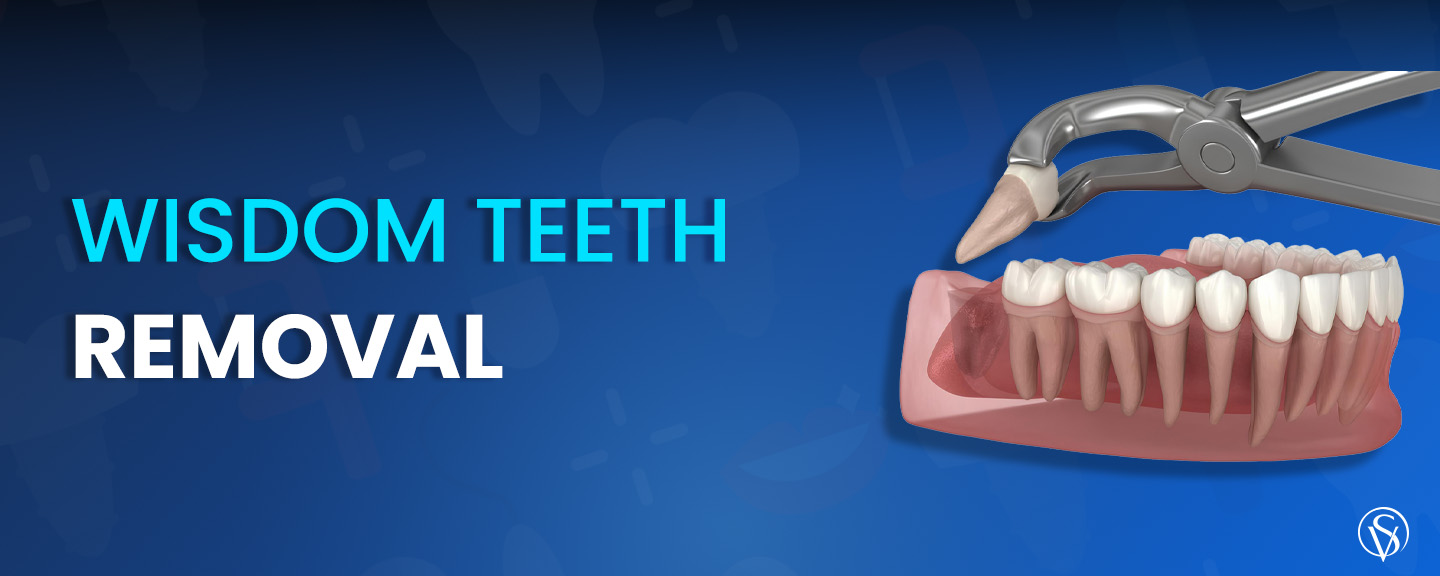
Wisdom teeth removal is a planned dental surgery performed when third molars create structural, hygienic, or biological risk. As the last permanent teeth to develop, wisdom teeth frequently emerge into limited jaw space, leading to partial eruption, soft-tissue entrapment, or full bony impaction. These conditions increase the likelihood of infection, pressure damage to adjacent teeth, jaw inflammation, and cyst development.
Treatment decisions rely on clinical examination and imaging rather than symptom presence alone. When risk indicators appear, removal protects long-term oral stability and reduces future surgical complexity. Advances in oral surgery techniques and controlled dental anesthesia allow precise extraction with minimal tissue disruption. Clear knowledge of the procedure, recovery process, pain expectations, cost structure, and structured post-operative dental care enables patients to approach treatment with confidence and realistic expectations.
What Is Wisdom Teeth Removal?
Wisdom teeth removal is a clinical tooth extraction procedure aimed at eliminating third molars that threaten oral health or jaw stability. Wisdom teeth are the last permanent teeth to develop, located at the back of the upper and lower jaws. Their late eruption places them at increased risk of emerging into insufficient jaw space, leading to misalignment, partial eruption, or impaction within bone or gum tissue.
Removal becomes necessary when these teeth shift from functional structures to biological stress factors. Impacted or partially erupted wisdom teeth promote bacterial accumulation, trigger gum inflammation, apply pressure to adjacent teeth, and interfere with long-term bite alignment. Clinical examination and radiographic assessment determine the need for removal before permanent damage develops.
A clear distinction exists between simple extraction and surgical removal. Simple extraction applies to fully erupted wisdom teeth with visible crowns and minimal resistance. Surgical removal involves gum incision, controlled bone access, or tooth sectioning when eruption remains incomplete or obstructed. Surgical cases fall under oral surgery and require precise technique, advanced planning, and structured post-procedural care.
Why Do Wisdom Teeth Need to Be Removed?
Wisdom teeth require removal when their position compromises oral health, jaw structure, or bite stability.
- Impacted Wisdom Teeth: Third molars remain trapped within bone or gum tissue, increasing infection risk and structural damage to surrounding areas.
- Crowding and Bite Disruption: Forward pressure from erupting wisdom teeth alters tooth alignment and destabilizes the bite, placing stress on adjacent molars.
- Infection and Gum Disease Risk: Deep gum pockets around wisdom teeth retain bacteria and food debris, leading to persistent inflammation and progressive periodontal damage.
What Are Impacted Wisdom Teeth?
Impacted wisdom teeth remain blocked from normal eruption due to bone, gum tissue, or adjacent teeth. This condition prevents functional alignment and increases the risk of infection and structural damage.
- Bone impaction occurs when the wisdom tooth stays fully enclosed within the jawbone, placing sustained pressure on surrounding bone and neighboring tooth roots.
- Soft tissue impaction develops when the tooth breaks through bone but remains covered by gum tissue, forming a bacterial pocket that drives inflammation.
- Partial eruption risks arise when only part of the tooth surface emerges, disrupting natural cleaning and accelerating bacterial accumulation around the affected area.
How Do Wisdom Teeth Cause Crowding and Bite Disruption?
Wisdom teeth contribute to crowding and bite disruption when limited jaw space forces third molars to exert forward pressure during eruption. This pressure affects adjacent molars by increasing enamel stress, root strain, and changes in bite contact. In patients with a history of orthodontic treatment, the force applied by erupting wisdom teeth increases the risk of alignment regression, reducing the long-term stability of corrected tooth positions.
How Do Wisdom Teeth Increase Infection and Gum Disease Risk?
Wisdom teeth increase infection and gum disease risk due to their location at the back of the jaw, where effective cleaning becomes difficult. Food trapping occurs within deep gum pockets surrounding wisdom teeth, creating an environment that supports bacterial growth. Continuous bacterial presence leads to chronic inflammation of the surrounding gum tissue, resulting in pain, swelling, and progressive periodontal breakdown if left untreated.
Does Wisdom Teeth Removal Hurt?
No, wisdom teeth removal does not hurt during the procedure itself. Sensation during treatment is limited to pressure and movement rather than pain, since pain-transmitting nerves are fully blocked. Anxiety and anticipation influence pain perception, which explains why expectations differ from the actual physical experience.
The use of dental anesthesia determines comfort levels throughout the procedure. Local anesthesia eliminates sensation at the surgical site, while deeper anesthesia options control awareness and stress. With proper anesthesia planning, pain is absent during removal and restricted to the recovery period rather than the procedure itself.
Is There Pain During the Wisdom Teeth Removal Procedure?
No, pain is not felt during the procedure due to effective anesthesia control. Local anesthesia blocks nerve signals at the extraction site, eliminating sharp sensation while preserving awareness of pressure and movement. Sedation dentistry reduces stress and awareness, supporting a calm experience without procedural pain. Surgical numbness occurs because anesthetic agents interrupt pain transmission pathways, ensuring the brain receives no pain signals while the tooth is removed.
What Is Normal Pain After Wisdom Teeth Removal?
Pain after wisdom teeth removal follows a predictable healing pattern. Discomfort reaches its highest level within the first 24 to 72 hours as swelling and tissue response increase, then declines steadily as healing progresses. Jaw stiffness, localized tenderness, and pressure sensitivity around the extraction site fall within the expected recovery range.
Expected soreness improves each day and responds to prescribed pain management. Red flags include pain that intensifies after initial improvement, persistent throbbing, foul taste, or spreading jaw discomfort, which signal complications such as dry socket or infection and require professional assessment.
How Long Does Wisdom Teeth Removal Take?
The duration of wisdom teeth removal depends on tooth position, eruption status, and surgical complexity. A simple extraction of a fully erupted wisdom tooth takes about 10 to 20 minutes per tooth, since access is direct and no bone removal is required. Surgical removal of impacted wisdom teeth requires more time due to gum incision, bone access, or tooth sectioning, with procedures lasting between 30 and 60 minutes per tooth.
What Factors Affect Wisdom Teeth Removal Time?
The duration of a wisdom teeth removal procedure is determined by specific anatomical and surgical conditions evaluated before treatment. These factors influence the level of difficulty and the number of steps required during removal.
- Number of teeth: Removing more than one wisdom tooth extends total procedure time, as each tooth requires separate positioning, access, and extraction steps within the same appointment.
- Impaction level: Teeth positioned deep within the jawbone or angled against neighboring teeth require surgical access through gum tissue and bone, increasing the complexity and length of the procedure.
- Bone density: Higher bone density increases resistance during tooth mobilization, requiring additional precision and controlled force, which adds to overall surgical time.
What Is the Wisdom Teeth Removal Recovery Timeline?
The wisdom teeth removal recovery process follows a clear, time-based healing pattern, with each stage reflecting specific biological changes in the gums and jawbone.
- First 24 Hours After Wisdom Teeth Removal: The first day focuses on clot formation and tissue protection. Bleeding control is achieved through firm gauze pressure, allowing a stable blood clot to form over the extraction site. Swelling expectations peak during this period as the body initiates its inflammatory response, leading to facial tightness and localized puffiness around the jaw.
- Days 2–4: This phase marks the transition from inflammation to early healing. Pain reduction begins as swelling stabilizes and tissue irritation decreases, with discomfort becoming more localized rather than intense. Jaw stiffness remains present due to muscle tension and limited movement during the initial recovery period.
- Week 1 to Full Healing: During this stage, visible healing becomes more apparent. Soft tissue closure progresses as the gums seal over the extraction sites, reducing sensitivity and exposure. Bone healing timeline extends beyond the surface, with underlying jawbone remodeling continuing for several weeks to restore full structural strength.
How Long Does It Take to Fully Heal From Wisdom Teeth Removal?
Full healing after wisdom teeth removal occurs in stages that involve different tissues. Soft tissue healing progresses within 7 to 10 days as the gums close over the extraction sites and surface sensitivity resolves. Bone healing requires a longer period, with jawbone remodeling continuing for several weeks to restore structural strength and stability beneath the gums.
What Should You Eat After Wisdom Teeth Removal?
Food selection after wisdom teeth removal supports clot protection, tissue repair, and comfort during recovery.
- Soft foods: Mashed potatoes, yogurt, smoothies consumed without straws, and blended soups reduce chewing effort and protect extraction sites.
- Protein-rich options: Scrambled eggs, soft tofu, and well-blended legumes support tissue repair and strength during healing.
- Cooling foods: Chilled yogurt and cold purées help limit swelling and soothe irritated tissue.
- Hydrating choices: Water and electrolyte drinks maintain hydration without stressing the surgical areas.
What Can You Eat After Wisdom Teeth Removal by Day?
Diet progression after wisdom teeth removal follows a staged pattern that protects healing tissue while restoring normal eating.
On day 1, intake is limited to liquids and smooth foods such as yogurt, puréed soups, soft puddings, and protein shakes consumed without straws to avoid clot disruption.
During days 2–3, thicker soft foods like mashed potatoes, scrambled eggs, oatmeal, and soft pasta support energy needs while keeping chewing pressure low.
After 1 week, tender solid foods such as soft rice, flaky fish, and well-cooked vegetables fit comfortably as gum sensitivity and swelling decline.
When Can You Eat Solid Food After Wisdom Teeth Removal?
Solid food intake depends on healing progress rather than a fixed date. As gum tissue closes and tenderness declines, chewing tolerance improves. Most patients transition to tender solid foods after the first week, once swelling subsides and clot stability remains intact. Firmer foods require complete soft tissue closure and stable jaw comfort, which aligns with later healing milestones rather than early recovery stages.
How Long After Wisdom Teeth Removal Can I Eat a Burger?
Eating a burger requires sufficient jaw strength and stable gum healing due to the density of the food. Chewing pressure risks include strain on healing tissue, irritation of the extraction sites, and disruption of clot stability. Most patients wait at least two weeks before attempting a burger, once jaw movement feels comfortable and gum closure is complete, reducing stress on the surgical areas.
When Can I Eat Chips After Wisdom Teeth Removal?
Chips pose a high risk during early recovery due to their hard texture and sharp edges. Sharp food risks include gum irritation, clot disruption, and direct injury to healing tissue. Socket trauma occurs when fragments lodge inside the extraction site, disturbing clot stability and delaying tissue repair. Chips should wait until gum tissue fully seals and chewing produces no discomfort, which aligns with advanced healing rather than early recovery.
What Should Be Avoided After Wisdom Teeth Removal?
After wisdom teeth removal, the healing process depends on protecting the extraction sites from pressure, irritation, and contamination. Certain foods, habits, and activities interfere with clot stability and slow tissue repair, increasing the risk of complications during recovery. Avoidance guidelines focus on preserving the blood clot, minimizing bacterial exposure, and reducing mechanical stress on the gums and jaw during the early healing phase.
- Hard and sharp foods: Nuts, chips, crusty bread, and similar textures irritate gum tissue and threaten clot stability.
- Straws and suction: Suction force dislodges blood clots and increases dry socket risk.
- Smoking and vaping: Heat and chemical exposure delay tissue repair and increase infection risk.
- Intense physical activity: Elevated blood pressure and jaw tension disrupt clot formation and increase swelling.
- Touching the surgical site: Fingers or tongue contact introduce bacteria and traumatize healing tissue.
When Is It Safe to Use a Straw After Wisdom Teeth Removal?
Using a straw creates suction inside the mouth, which places the healing blood clot at risk. This suction increases dry socket risk by pulling the clot out of the extraction site and exposing underlying bone and nerves. Straw use should wait until the clot stabilizes and gum tissue closes, which aligns with later recovery stages rather than the first week after removal.
Is It Safe to Drink Soda After Wisdom Teeth Removal?
No, drinking soda is not recommended during early recovery after wisdom teeth removal. Carbonation pressure agitates the extraction sites and threatens clot stability, while sugar content feeds oral bacteria and interferes with gum healing. Soda intake should wait until soft tissue closes and sensitivity resolves, reducing irritation and infection risk.
Is It Safe to Brush Your Teeth After Wisdom Teeth Removal?
Yes, tooth brushing is permitted with clear precautions. Safe brushing zones include all teeth away from the extraction sites, where normal brushing maintains hygiene without disturbing healing tissue. The surgical areas require avoidance of direct contact to protect clot stability. Timing guidance places gentle brushing outside the surgical zones within the first 24 hours, with careful cleaning near the sites resuming after initial gum sealing and reduced tenderness.
How Should You Sleep After Wisdom Teeth Removal?
Proper sleep positioning supports clot stability and swelling control after wisdom teeth removal. Head elevation reduces blood pooling at the surgical sites and limits overnight swelling. Side sleeping risks involve pressure on the jaw, which increases discomfort and irritates healing tissue. First-night positioning requires sleeping on the back with the head raised by pillows to maintain alignment and protect the extraction areas during early recovery.
How Much Does Wisdom Teeth Removal Cost?
Wisdom teeth removal cost depends on clinical complexity, tooth position, and surgical requirements. Simple extractions of fully erupted wisdom teeth carry lower fees due to reduced time and limited surgical access. Surgical removal of impacted wisdom teeth involves higher cost levels because of advanced imaging, anesthesia use, and operative difficulty. Pricing reflects the level of intervention required rather than a single fixed rate.
What Is the Average Wisdom Teeth Removal Cost Breakdown?
The average wisdom teeth removal cost reflects the level of surgical complexity and clinical resources required for treatment. Simple extraction applies to fully erupted wisdom teeth with clear access, shorter procedure time, and limited surgical intervention, which places these cases at the lower end of the cost range. Impacted tooth surgery involves deeper positioning within bone or gum tissue, requiring precise surgical access, advanced imaging, and extended operative time, which increases overall treatment cost due to higher technical demands and clinical involvement.
What Affects Wisdom Teeth Removal Cost?
Wisdom teeth removal pricing is determined by the scope of treatment rather than a single fixed fee. Clinical complexity, procedural requirements, and regional factors each influence the final cost presented to the patient.
- Number of teeth: Removing multiple wisdom teeth increases overall cost due to added surgical time and resource use for each extraction.
- Anesthesia type: Local anesthesia carries lower cost, while deeper anesthesia levels involve specialized monitoring and professional involvement that raise pricing.
- Geographic location: Regional healthcare markets influence treatment fees through local operating costs, provider demand, and pricing standards.
Does Insurance Cover Wisdom Teeth Removal?
Yes, insurance coverage applies when wisdom teeth removal meets medical necessity criteria such as impaction, infection risk, or damage to adjacent teeth. Partial vs full coverage depends on the insurance plan, with many policies covering a portion of surgical fees while leaving anesthesia or advanced procedures subject to separate limits.
What Are the Risks and Complications of Wisdom Teeth Removal?
Wisdom teeth removal involves surgical risks that vary based on tooth position, healing response, and procedural complexity.
- Dry socket: Loss of the protective blood clot exposes underlying bone and nerves, leading to significant pain and delayed healing.
- Infection: Bacterial growth at the extraction site causes swelling, tenderness, and discharge that requires clinical attention.
- Nerve irritation: Temporary sensory changes in the lips, tongue, or chin occur when nearby nerves experience surgical stress.
- Delayed healing: Prolonged tissue recovery results from clot disruption, poor oral hygiene, or excessive mechanical stress.
What Is Dry Socket After Wisdom Teeth Removal?
Dry socket develops when the protective blood clot fails to remain in place within the extraction site. The cause involves clot dislodgement or breakdown, which exposes underlying bone and nerve endings, leading to intense pain and delayed healing. Prevention focuses on protecting clot stability through proper aftercare, avoiding suction forces, maintaining gentle oral hygiene, and following post-operative instructions closely.
How Does Infection Develop After Wisdom Teeth Removal?
Infection after wisdom teeth removal develops through identifiable changes in symptoms and healing progression. Symptoms include increasing pain that intensifies rather than subsides, swelling that spreads beyond the extraction area, redness, localized warmth, foul taste, and discharge from the surgical site. The timeline shows infection appearing several days after the procedure, when normal recovery should show improvement. Instead of reduced discomfort, pain and swelling progress, signaling the need for professional evaluation and timely treatment.
When Should You Contact a Dentist After Wisdom Teeth Removal?
Certain symptoms signal complications that require professional evaluation rather than routine recovery monitoring. Fever indicates a systemic response that suggests infection rather than normal healing. Severe pain after day 4 points to conditions such as dry socket or infection when discomfort should show improvement. Persistent bleeding beyond the initial recovery period reflects clot instability or tissue disruption and requires immediate dental assessment to protect healing progress.
How Do You Choose the Right Clinic for Wisdom Teeth Removal?
Selecting a clinic for wisdom teeth removal requires evaluation of clinical expertise, surgical resources, and patient support standards.
- Surgical experience: Proven experience with impacted and complex wisdom teeth extractions reflects technical skill and risk management capability.
- Oral surgery expertise: Access to trained oral surgery professionals ensures precise technique and proper handling of anatomical challenges.
- Anesthesia protocols: Clear anesthesia planning supports patient comfort and procedural control.
- Post-operative dental care: Structured follow-up and recovery guidance protect healing outcomes.
- Cost transparency: Clear pricing explanations support informed treatment decisions without unexpected charges.