
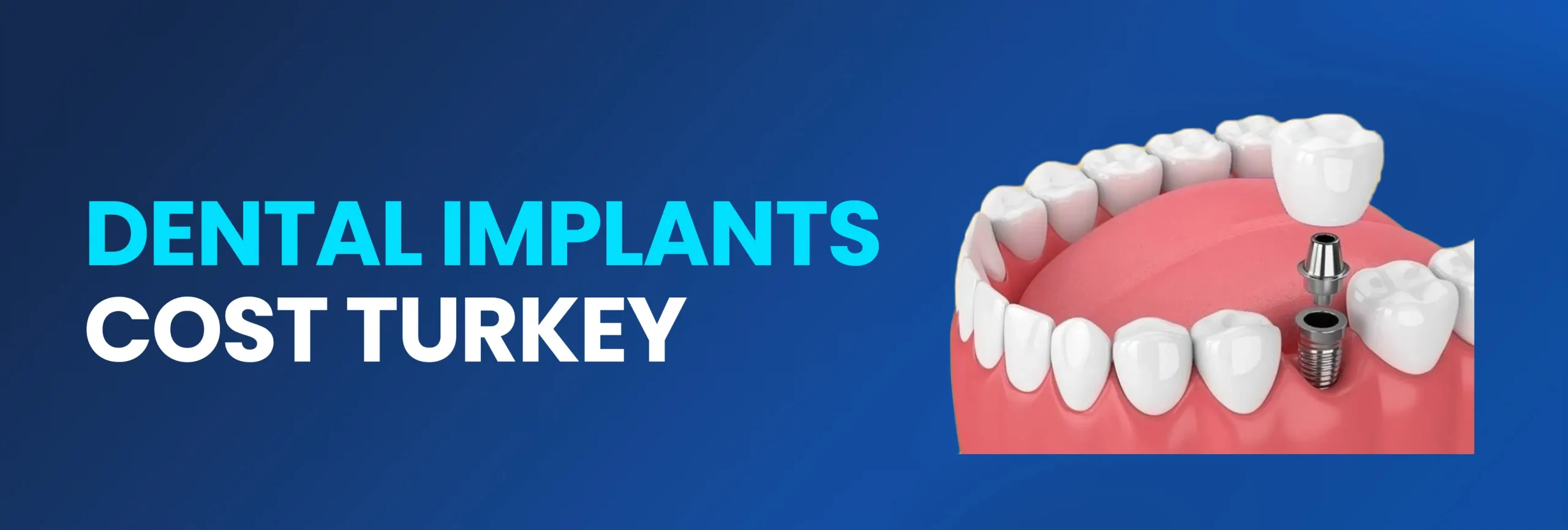
Dental implants replace missing teeth with a fixed, natural-looking structure that restores chewing strength and facial support. People search for a clear number before starting treatment, yet the price differs so much from clinic to clinic that it creates confusion. A single implant involves several components, the surgical placement, the abutment, and the final crown. Some patients need a scan, grafting, or temporary teeth, and each step affects the final bill.
Clear pricing matters because implant quality, surgeon skill, and bone condition change the cost by thousands. A well-planned dental implant lasts decades, while a low-quality system may fail early and require another surgery. Knowing what drives the cost helps patients compare clinics properly and avoid unexpected add-ons later.
How Much Do Dental Implants Cost in 2026?
In 2026, the total cost for one complete implant differs by region. Clinics in the United States commonly charge €3,200–€6,100 for a full unit. In the United Kingdom, the usual range is €2,300–€4,300. Across the European Union, most clinics operate within €1,600–€3,200, while centres in Turkey provide full implant packages that start around €420 and reach €1,150, depending on the implant brand and crown material.
Full-mouth treatments, including All-on-4 systems, show an even wider spread. A single jaw cost anywhere from €9,000 to €35,000, influenced by the number of implants required, the type of bridge, and the amount of preparatory work needed. Patients comparing the cost of full mouth dental implants often notice significant differences based on materials, laboratory techniques, and surgical complexity.
Not all implant systems perform the same over time. A low-cost implant seems appealing until it fails early, leading to extra expenses for removal, grafting, and replacement. Hidden items such as temporary teeth or advanced imaging raise the total fee if a clinic does not provide a detailed breakdown. Digital tools like guided surgery and high-quality scans increase the upfront price but reduce the risk of errors, which saves money in the long run.
How Much Do Dental Implants Cost Per Tooth?
A single dental implant is priced as the combined cost of three elements. The surgical placement of the titanium post is the largest part of the fee. Once the implant has integrated with the bone, an abutment is fitted to hold the final restoration. The final step is the crown, which is zirconia or porcelain-fused. Zirconia crowns sit at the higher end because they provide greater strength and long-term colour stability.
When these components are added together, the global cost for single implants fall between €1,400 and €6,100 per tooth. Clinics with lower operating expenses sit closer to the lower end of the range, while practices that use premium implant systems, digital planning, and high-quality zirconia crowns are positioned toward the upper end.
What Factors Influence the Cost of Dental Implants?
Implant pricing depends on the materials used, the level of surgical skill involved, and any supporting procedures required for a stable result. Several elements combine to shape the final figure.
- Implant Brand Quality: Premium systems backed by long-term research cost more than generic alternatives because they use higher-grade alloys and offer proven survival rates.
- Number of Implants Required: Replacing several teeth demands more implant fixtures, more chair time, and more restorative work, which increases the total fee.
- Dentist’s Training Level: Surgeons with advanced implant qualifications, such as AAID or ITI training, charge higher fees due to their specialised skill set and reduced complication rates.
- Digital Technology Use: CBCT imaging, digital guides, and CAD/CAM planning add precision to surgery. These tools require substantial investment from clinics, which is reflected in treatment pricing.
- Material Selection: Titanium implants remain the standard, while zirconia implants sit at the higher end of the spectrum. Zirconia crowns add 20 – 30% to the restorative cost compared with porcelain-fused options.
- Additional Clinical Procedures: Extractions, grafting, sinus lifts, and gum preparation increase surgical time and materials, raising the overall cost of treatment.
- Laboratory Source and Certification: Crowns produced in accredited international labs tend to cost more than those made in basic or in-house labs because they use higher-quality ceramics and tighter production standards.
How Does Implant Cost Differ by Types?
Implant systems come in several forms, and each type serves a different purpose. Their prices vary because the complexity, number of implants required, and the materials involved change from one system to another. The table below outlines the main implant options used in 2026.
| Type | Description | Typical Cost Range | Best For |
| Standard Dental Implant | Single titanium post with abutment and crown; requires adequate bone and a staged approach. | €1,400– €6,100 per tooth | Replacing one or several missing teeth with durable, long-term restorations. |
| Mini Implants | Narrow implants placed with less invasive surgery; used to stabilise dentures. | €470– €1,800 per implant | Patients with limited bone volume who want denture support or temporary solutions. |
| All-on-4 | Full-arch fixed bridge supported by four implants positioned at planned angles. | €9,000– €26,000 per jaw | Patients missing most teeth who want a fixed, same-day full-arch option. |
| All-on-6 | Similar to All-on-4 but uses six implants for added stability and load distribution. | €14,000– €35,000 per jaw | Full-arch cases needing extra support, especially in softer bone. |
| Zygomatic Implants | Extra-long implants anchored in the cheekbone for severe upper jaw bone loss. | €19,000– €42,000 per jaw | Severe bone loss cases where standard implants or sinus lifts are not possible. |
How Much Do Standard Dental Implants Cost?
Standard dental implants fall within a global range of €1,400 to €6,100 per implant, depending on the materials and clinical methods involved. Premium implant brands increase the price because they offer documented long-term performance supported by clinical studies. The use of a surgical guide, the abutment design, and the crown material shape the final fee. Zirconia crowns sit at the higher end of the range due to their strength, colour stability, and higher fabrication cost.
Are standard implants worth the cost?
For most patients, yes. High-quality systems show 95–98% survival rates over 10 years, and many last 15–25 years or longer when maintained properly. They help preserve the jawbone by transmitting chewing forces into the bone, which prevents the gradual collapse seen with missing teeth or removable dentures.
How Much Do Mini Implants Cost?
Mini implants are priced lower than standard implants because they use a narrower post and require less invasive surgery. The molar implant cost ranges from €470 to €1,400 per implant, depending on how many are placed and whether they support a denture or replace a single tooth.
When mini implants are used to stabilise a lower or upper denture, the total fee increases with the number of implants required. A set of four to six mini implants falls between €1,900 and €4,700, shaped by denture adjustments, temporary fittings, and any additional chairside work.
Mini implants are a practical option for patients with limited bone volume or those seeking a lower-cost solution, but their strength does not match full-sized implants. They perform well for denture support and selected single-tooth cases, yet they are not ideal for heavy-bite areas or long-term load-bearing situations.
How Much Do All-on-4 Implants Cost?
All-on-4 treatment replaces an entire upper or lower jaw with a fixed bridge supported by four implants positioned at planned angles. Because this approach rebuilds a full arch, the price reflects far more than the surgical placement alone. Clinics in 2026 charge between €7,500 and €35,000 per jaw for all-on-4 dental implants cost, with regional costs, implant brand, and the type of final bridge shaping the overall fee.
For international patients researching all-on-4 dental implants cost in Turkey, prices are typically significantly lower while clinical standards remain comparable to Western Europe or the United States. In 2026, most reputable clinics in Turkey charge between €3,000 and €8,000 per jaw, depending on the implant system used, the type of final prosthesis, and whether additional procedures such as extractions or bone grafting are required.
The total cost includes several stages. The surgical fee covers the placement of four implants and any necessary extractions. Temporary teeth are provided during healing so the patient functions while the implants integrate. The final prosthesis is delivered once healing is complete and may be acrylic, a hybrid design, or full zirconia, which is the most durable and the most expensive. Differences in these steps explain the wide variation in pricing from one clinic to another.
Why Are All-on-4 Implants More Expensive?
All-on-4 treatment costs more because it involves several implants, detailed planning, and the fabrication of a full-arch prosthesis. The bridge itself shifts the price considerably; acrylic options sit at the lower end, while zirconia designs increase the cost due to their strength and long-term stability. Clinics that use digital workflows such as DSD, CAD/CAM design, or guided surgery invest in equipment and software that raise the overall fee. Surgical experience plays a role as well, as experienced implant surgeons charge more for complex full-arch cases.
When to choose All-on-4 dental implants?
This approach is suitable for patients with full edentulism or severe tooth loss who want a fixed, rapid solution. It offers faster rehabilitation than traditional full-mouth implant methods and provides strong function soon after placement.
How Much Do All-on-6 Implants Cost?
All-on-6 treatment restores a full upper or lower jaw using six implants to support a fixed bridge. The extra implants provide greater stability and load distribution than the All-on-4 approach, which is why the cost tends to be higher.
Most clinics charge between €14,000 and €35,000 per jaw, depending on the region, implant brand, and the type of final bridge. Full zirconia arches raise the cost due to material strength and lab production time, while acrylic or hybrid designs fall at the lower end of the range. The final fee increases if extractions, bone shaping, or guided surgery are required. All-on-6 suits patients who want a stronger full-arch foundation, particularly in cases of softer bone or when long-term durability is a key priority.
How Much Do Zygomatic Implants Cost?
Zygomatic implants anchor into the cheekbone rather than the upper jaw and are used when there is not enough bone to support standard implants. Clinics offer this option when grafting is not possible or has already failed. Because the procedure is complex and requires specialised training, the cost is significantly higher than conventional implants. Insurance rarely covers this treatment, so patients pay the full amount themselves.
In 2026, the average cost for a single upper-jaw reconstruction with zygomatic implants ranges from €19,000 to €42,000 per jaw. The final price depends on how many implants are required, twoto four zygomatic implants per arch, and whether extra procedures such as grafting or sinus work are needed. The type of final prosthesis influences the overall cost, with acrylic bridges at the lower end and full zirconia at the top.
Patients considering zygomatic implants should be prepared for higher consultation fees, comprehensive 3D imaging, longer surgery times, and structured aftercare. Only surgeons with advanced training perform this treatment due to the precision involved.
What Factors Influence the Cost of Dental Implants?
Implant pricing depends on the materials used, the level of surgical skill involved, and any supporting procedures required for a stable result. Several elements combine to shape the final figure.
- Implant Brand Quality: Premium systems backed by long-term research cost more than generic alternatives because they use higher-grade alloys and offer proven survival rates.
- Number of Implants Required: Replacing several teeth demands more implant fixtures, more chair time, and more restorative work, which increases the total fee.
- Dentist’s Training Level: Surgeons with advanced implant qualifications, such as AAID or ITI training, charge higher fees due to their specialised skill set and reduced complication rates.
- Digital Technology Use: CBCT imaging, digital guides, and CAD/CAM planning add precision to surgery. These tools require substantial investment from clinics, which is reflected in treatment pricing.
- Material Selection: Titanium implants remain the standard, while zirconia implants sit at the higher end of the spectrum. Zirconia crowns add 20–30% to the restorative cost compared with porcelain-fused options.
- Additional Clinical Procedures: Extractions, grafting, sinus lifts, and gum preparation increase surgical time and materials, raising the overall cost of treatment.
- Laboratory Source and Certification: Crowns produced in accredited international labs tend to cost more than those made in basic or in-house labs because they use higher-quality ceramics and tighter production standards.
How Implant Brands Affect the Total Cost?
Choosing the right implant brand has a significant impact on the total cost of treatment because implant systems vary in engineering quality, research backing, and long-term reliability. Premium brands, recognised among the best dental implants, such as Straumann and Nobel Biocare cost more because they use high-grade titanium alloys, advanced surface technologies, and precision-milled components supported by extensive showing survival rates above 95–98%. Their parts are widely available worldwide, making future repairs or replacements easier and more predictable.
Mid-range brands offer good performance at a lower price but have fewer innovations or less long-term data. Low-cost or generic brands reduce the initial fee but increase long-term expenses if components fail, are incompatible, or cannot be sourced later. For this reason, implant brand selection directly affects both the upfront cost and the long-term value of treatment.
How Immediate Load Dental Implants Affect the Total Cost?
Immediate load dental implants allow a temporary crown or bridge to be placed on the same day as the implant surgery. This technique offers faster aesthetics and function, but it requires higher primary stability, stronger bone support, and more precise digital planning. These additional requirements increase the overall cost because clinics must produce temporary teeth immediately, use guided surgery or advanced imaging systems, and rely on premium implant brands designed specifically for same-day loading. While immediate load implants provide convenience and quicker results, they are not suitable for every patient; bone density, bite force, and oral health must be carefully evaluated. As a result, same-day implants typically carry a higher treatment fee than traditional two-stage implants.
What Is the Cost of Bone Grafting and Sinus Lifts?
Bone quality plays a major role in the final price of implant treatment. When the jawbone is thin or uneven, grafting or sinus lifts are required before implants are placed. These procedures add time, materials, and surgical complexity, which is why they strongly influence the total cost. A minor bone graft falls between €190 and €950, depending on the graft material and the size of the area being strengthened.
A major graft, used for larger defects or more advanced bone loss, ranges from €950 to €3,300. When the upper jaw lacks height near the sinus cavity, a sinus lift is necessary, and this procedure costs €950 to €2,800. Bone quality shifts the total cost of implant treatment by 20 to 60 percent, in cases where multiple grafting areas or staged procedures are required.
What Are the Hidden or Additional Implant Costs?
Many clinics do not mention certain fees during the initial consultation, yet these extras raise the total cost of treatment. Understanding them in advance helps avoid unexpected charges later on.
- CBCT Imaging: A full 3D scan is required for accurate planning and adds to the overall fee.
- Temporary Crowns or Dentures: Provisional restorations used during healing are sometimes billed separately.
- Antibiotics and Post-Operative Care: Medication, follow-up visits, and cleaning kits create additional small but necessary costs.
- Sedation Fees: Patients who prefer IV or oral sedation face added fees depending on the clinic’s policy.
- Replacement of Failed Implants: If an implant fails early and the clinic does not provide a clear warranty, the patient pays again for removal and replacement.
- Travel and Accommodation: For patients choosing dental tourism, flights, lodging, and follow-up visits contribute to the real total cost.
What Are the Warning Signs of Hidden Implant Fees?
Some pricing structures look appealing at first but hide important details. A few signs suggest that extra costs appear later.
- “All-Inclusive” Pricing With No Itemisation: A single flat fee with no breakdown means key steps are excluded or will be added later.
- No Mention of Implant Brand: Clinics that avoid specifying the brand may be using low-cost systems without long-term data.
- No Guarantee Details: If the warranty is vague or missing, failed implants or broken crowns covered.
- No Disclosure of Lab or Materials: Lack of transparency about lab origin or crown material indicate lower-quality components.
How to Verify a Transparent Implant Quote
A clear quote protects patients from unexpected charges and helps compare clinics fairly. A trustworthy clinic outlines every stage of treatment, specifies the materials used, and explains what happens if complications occur. A detailed quote shows whether the clinic uses premium systems or low-cost alternatives.
What Should a Quote Include?
A transparent implant quote helps patients understand exactly what they are paying for and prevents unexpected charges during treatment. Clear itemisation makes it easier to compare clinics, evaluate the quality of materials, and judge whether the proposed plan reflects good long-term value. A reliable quote should outline every stage of the procedure and specify the components used, rather than relying on broad or vague descriptions.
- Implant Brand and Model: The exact system should be named so patients know whether it is a premium or generic implant.
- Per Implant Surgical Fee: The quote should show the cost for placing each implant rather than a single vague total.
- Abutment Type: Custom, angled, or stock abutments vary in price and should be itemised.
- Crown Type and Lab Origin: The quote must specify whether the crown is zirconia or porcelain-fused and identify the lab that produces it.
- Bone Graft and Sinus Lift Costs: Any grafting or sinus work should appear separately to avoid surprises during surgery.
- Warranty Policy: The clinic should explain what is covered, for how long, and under what conditions.
- Follow-Up Visit Plan: Post-operative checkups, maintenance, and cleaning schedules should be included.
- Replacement Conditions for Early Failure: The quote should state whether implant removal and replacement are covered if the implant fails during the early healing phase.
What Is the Lifespan vs Cost Ratio of Implant Systems?
When evaluating dental implant systems, it’s important to look beyond the initial price and consider how long the implant will last. The true value of an implant lies in its lifespan-to-cost ratio, that is, how the upfront investment compares to long-term performance, durability, and maintenance needs.
Premium implant systems cost more at the start but tend to offer superior longevity, fewer complications, and better overall stability over decades. In contrast, lower-cost systems may save money initially but lead to higher long-term expenses if failures or repeated repairs occur.
| Implant System Type | Approx. Upfront Cost | 10-Year Survival Rate | Long-Term Performance Factors | Overall Lifespan vs Cost Value |
| Premium Implant Systems | Higher | 95–98% | Proper planning, high-quality materials, strong patient maintenance compliance | Higher upfront cost but fewer complications, fewer replacements, and better long-term function; best long-term value |
| Mid-Range Implant Systems | Moderate | 90–94% | Depends on material quality and clinician technique | Balanced cost with reasonable longevity; cost-effective if well-planned |
| Low-Cost Implant Systems | Lower | 80–90% (varies widely) | More variability in materials, design, and long-term support | Lower upfront cost but higher risk of early failure, complications, and repeated repairs; poorer long-term value |
How Maintenance Affects Long-Term Cost
Proper aftercare plays a major role in how long an implant lasts. Even the highest-quality implant systems fail early if maintenance is poor, while a well-cared-for implant remains stable for decades. Small daily habits and routine checkups determine whether the initial investment grows in value or becomes more expensive over time.
- Hygiene Compliance: Consistent brushing, flossing, and professional cleanings lower the risk of infection around the implant.
- Smoking Risk: Smoking doubles the failure rate by reducing blood flow and slowing bone healing.
- Diabetes Control: Uncontrolled blood sugar weakens the body’s ability to heal and raises the risk of peri-implant inflammation.
- Night Guards for Bruxism: Patients who clench or grind their teeth need a night guard to protect the implant and crown from excessive force.
- Annual Checkups to Prevent Peri-Implantitis: Regular examinations allow early detection of bone loss or gum inflammation, preventing costly corrective treatment later.
A strong maintenance routine preserves both the function and the financial value of an implant, ensuring the initial investment lasts as intended.
Are Dental Implants Covered by Insurance?
No, most dental insurance plans classify implants as elective treatments, which means they are not covered under standard policies. Certain medical circumstances change how insurers evaluate implant treatment. Coverage depends on whether the implant is considered cosmetic or medically necessary, and this distinction varies across insurance providers.
When Could Implants Be Covered?
Although most insurance plans treat implants as elective, certain medical situations shift the treatment into a category that insurers recognise as necessary. Coverage depends on whether the tooth loss affects essential function, overall health, or the outcome of reconstructive surgery. In these cases, implants are viewed as a required part of restoring normal oral structure.
- Trauma Cases: If teeth are lost due to accidents, insurance may classify implants as part of essential reconstruction.
- Severe Congenital Defects: Patients with conditions that prevent normal tooth development may receive coverage because implants restore essential function.
- Medically Necessary Reconstruction: In cases involving major surgery, tumour removal, or severe structural damage, implants may be viewed as a required part of rehabilitation rather than a cosmetic choice.
Are Implant Repairs or Replacements Covered?
No, implant repairs or replacements are excluded unless the insurer classifies them as restorative rather than cosmetic. Policies state that damage due to neglect, gum disease, or mechanical wear is not covered, so patients should review the conditions carefully before treatment.
Are Dental Implants Available with Financing?
Yes, most clinics offer financing options to make implant treatment more manageable. Because implants involve higher upfront costs, many patients rely on structured payment methods rather than paying the full amount at once. Financing spreads the cost over several months or even years, depending on the clinic or lender.
How to Finance Implants
Financing options make implant treatment more accessible for patients who prefer not to pay the full amount upfront. These methods help spread the cost over time or reduce the overall price through strategic choices. Understanding the available options allows patients to choose an approach that fits their budget without compromising on treatment quality.
- Clinic Payment Plans: Many clinics allow patients to divide the total cost into monthly installments with low or no interest.
- Medical Credit Lenders: Specialised lenders provide loans for healthcare treatments, with flexible repayment terms.
- Dental Tourism Savings: Travelling to countries with lower clinical costs reduce the overall price, even after travel expenses.
- Early-Bird Package Discounts: Some clinics offer reduced rates for patients who book treatments during promotional periods.
- Employer-Based Flex Spending Accounts: Workplace benefit programmes may allow patients to use pre-tax income to cover part of the cost.
Why Is Turkey More Affordable in Dental Implants?
Turkey’s implant prices are lower for structural and economic reasons rather than promotional ones. Clinics operate with reduced clinical overhead, as rent, wages, and operational costs are significantly lower than in Western Europe or the United States. Laboratory fabrication costs are lower, which reduces the price of crowns, bridges, and custom abutments.
The country’s strong market for high-volume implant dentistry drives competition, encouraging clinics to streamline workflows and optimise pricing. Many centres use advanced digital tools, including guided surgery and in-house CAD/CAM systems, which shorten production times and reduce external lab fees.
Turkey’s clinics structure treatment as package pricing, combining imaging, surgery, temporary teeth, and final restorations into a single fee. This approach lowers the total expense for patients without compromising the quality of materials or technology used.